
India and China Strengthen Ties with New Border Cooperation Groups
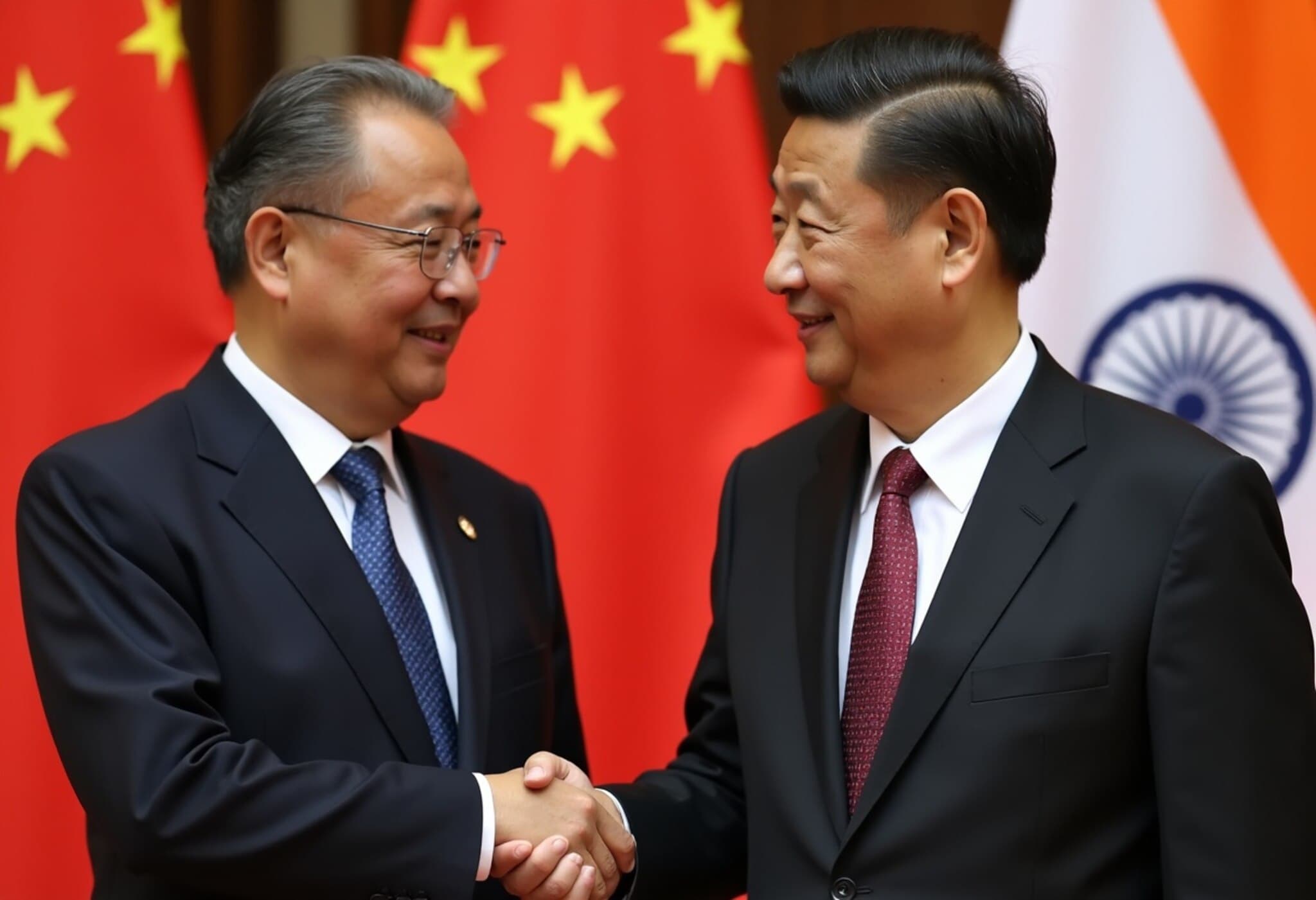
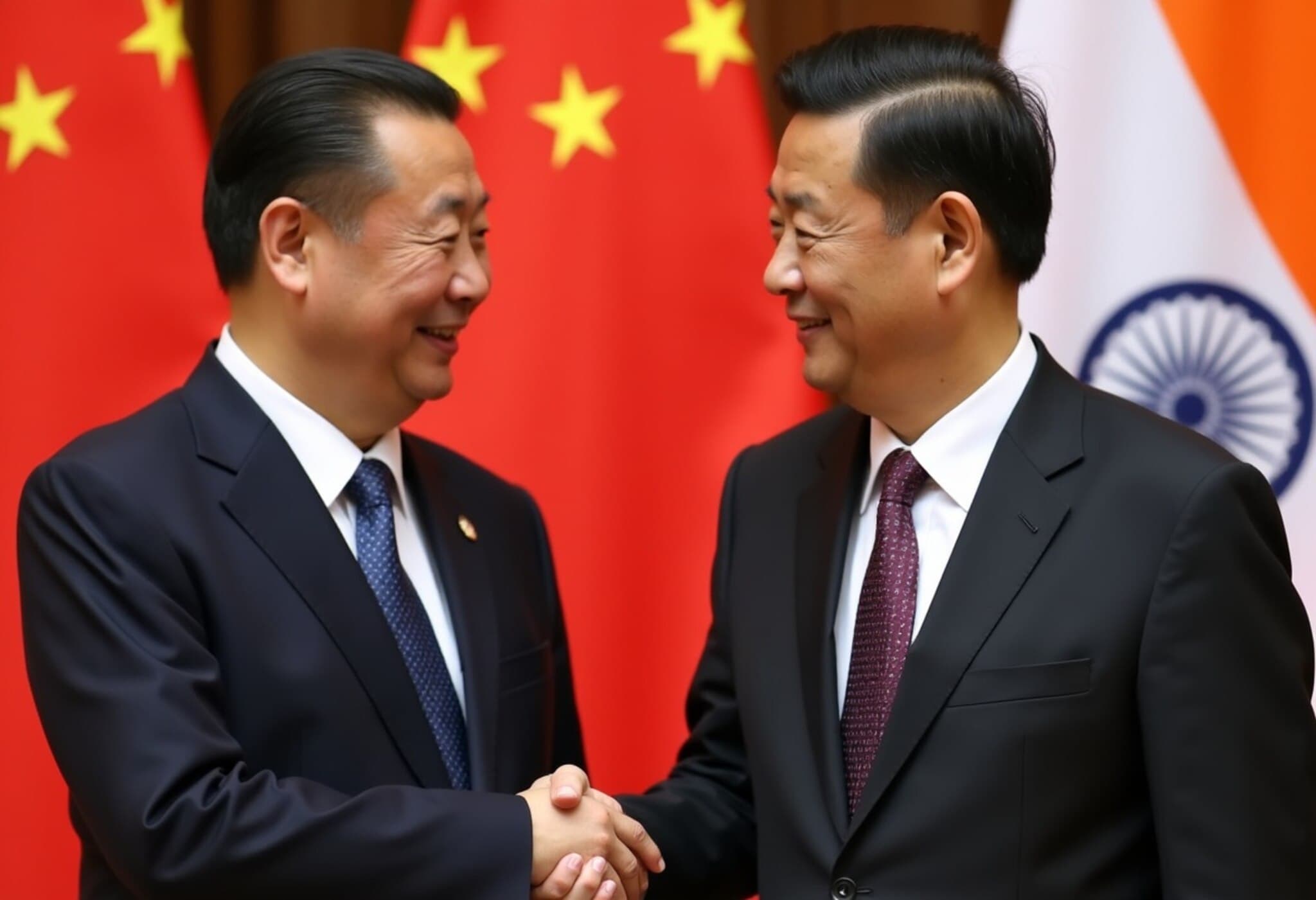
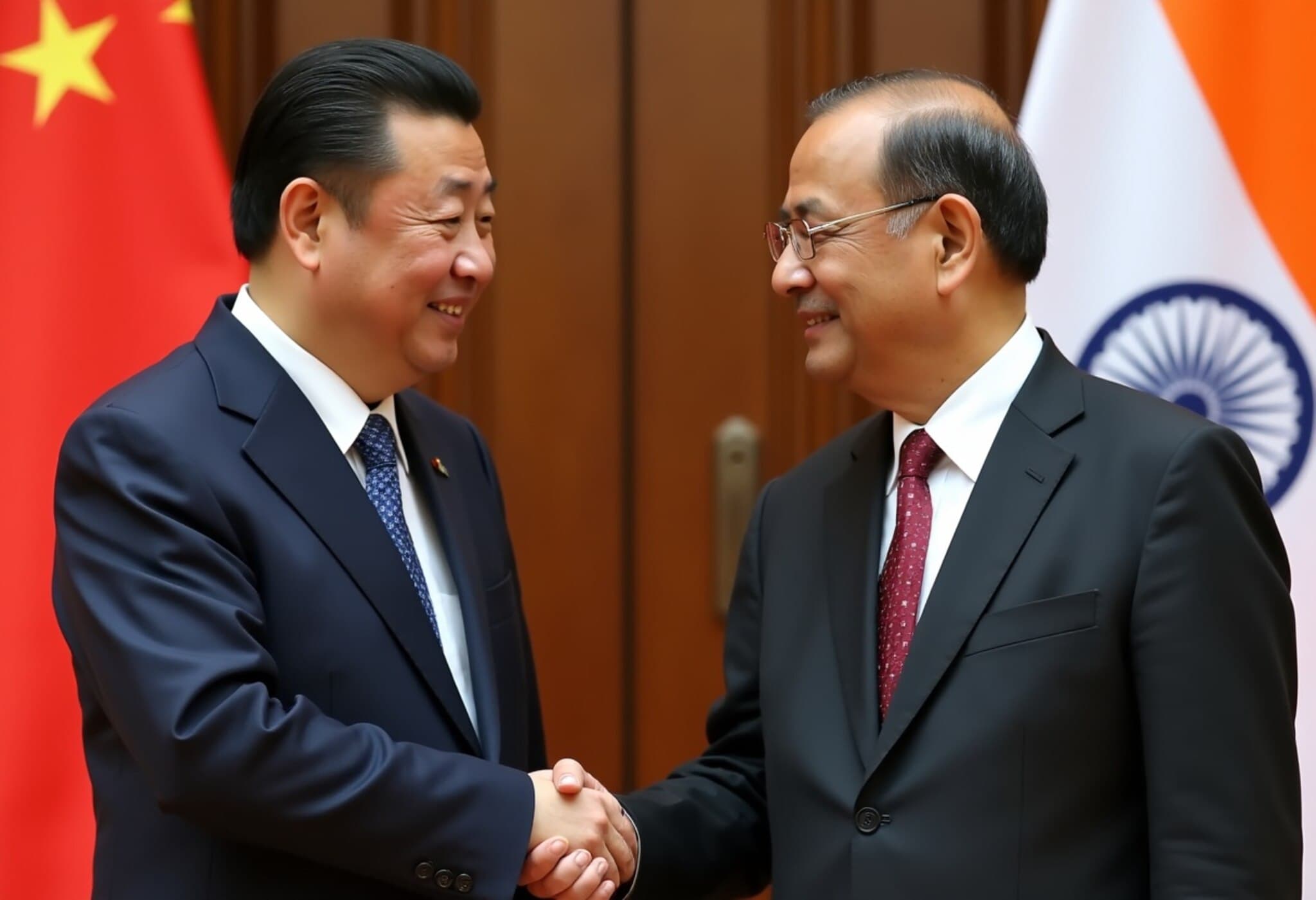
In a significant move aimed at easing longstanding tensions, India and China have agreed to establish two specialized groups focused on resolving border issues and maintaining peace along their shared frontier. This development follows high-level discussions in New Delhi, where Chinese Foreign Minister Wang Yi met with India's National Security Advisor Ajit Doval and External Affairs Minister S. Jaishankar.
Dual Focus: Delimitation and Tranquility
The newly formed groups carry distinct but complementary mandates. One group will concentrate on 'exploring early harvest in boundary delimitation', aiming to identify initial breakthroughs in resolving disputed border segments. Meanwhile, the second group will prioritize maintaining peace and tranquillity along the border areas, an essential condition for fostering better bilateral relations.
This initiative is framed within the existing Working Mechanism for Consultation and Coordination on India-China Border Affairs (WMCC), a platform set up to facilitate dialogue on border management.
Contextualizing the Agreement
The India-China border, spanning over 3,400 kilometers, has long been a source of complex geopolitical conflict, occasionally escalating into military standoffs. The 2005 agreement on boundary management laid a foundation for peaceful resolution, but progress has been cautious and intermittent.
By agreeing to deepen consultations through these expert and working groups, both countries are signaling a shared interest in a long-term political perspective—one that emphasizes fairness, reasonableness, and mutual acceptability in boundary delimitation.
- New general-level mechanisms will be established across the eastern, middle, and western sectors of the border, reflecting a comprehensive approach.
- Existing communication channels will be actively utilized to maintain steady dialogue and preempt escalation.
- Both sides emphasize the importance of peace and tranquillity as prerequisites for broader bilateral cooperation.
Strategic Diplomatic Developments Ahead
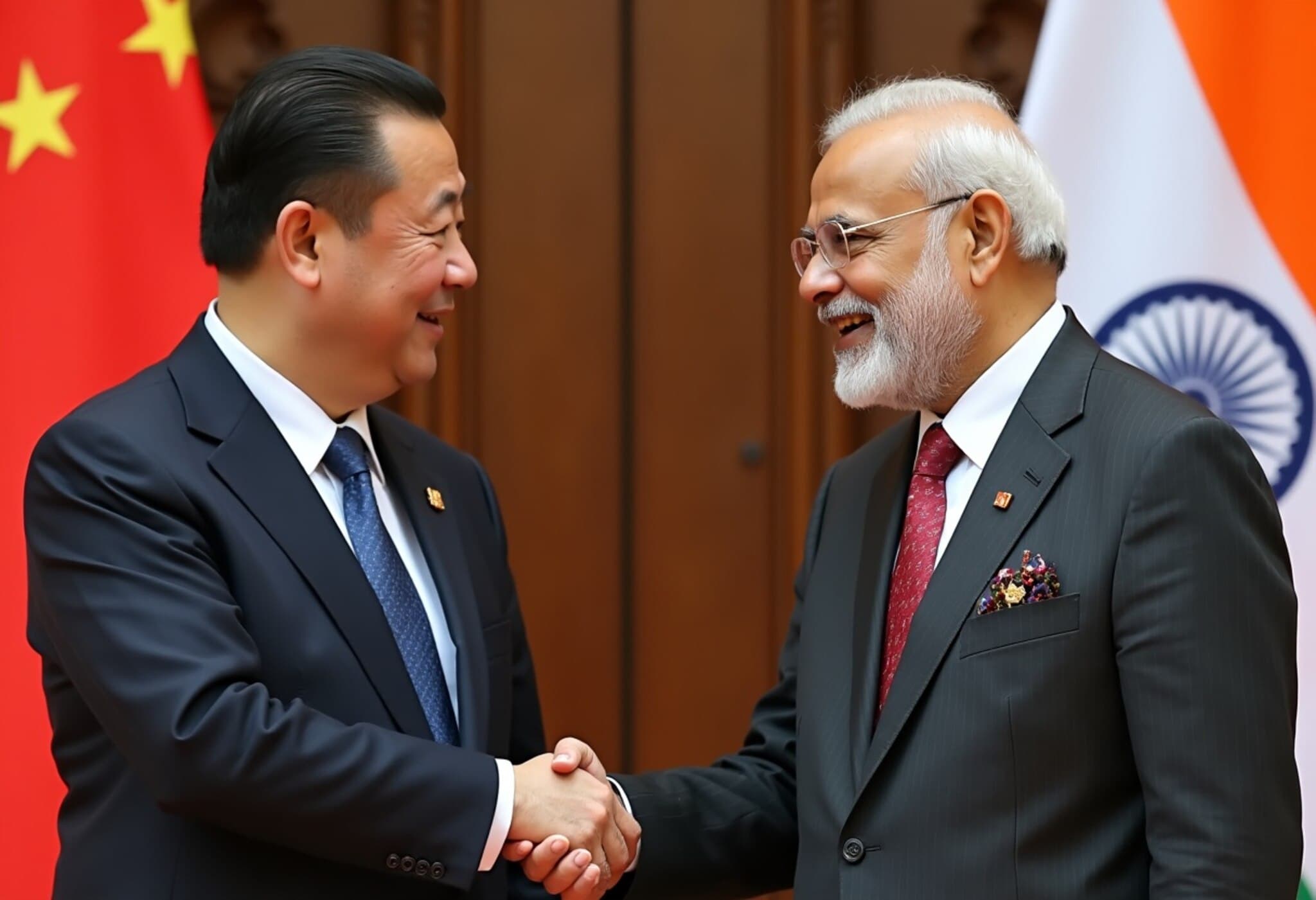
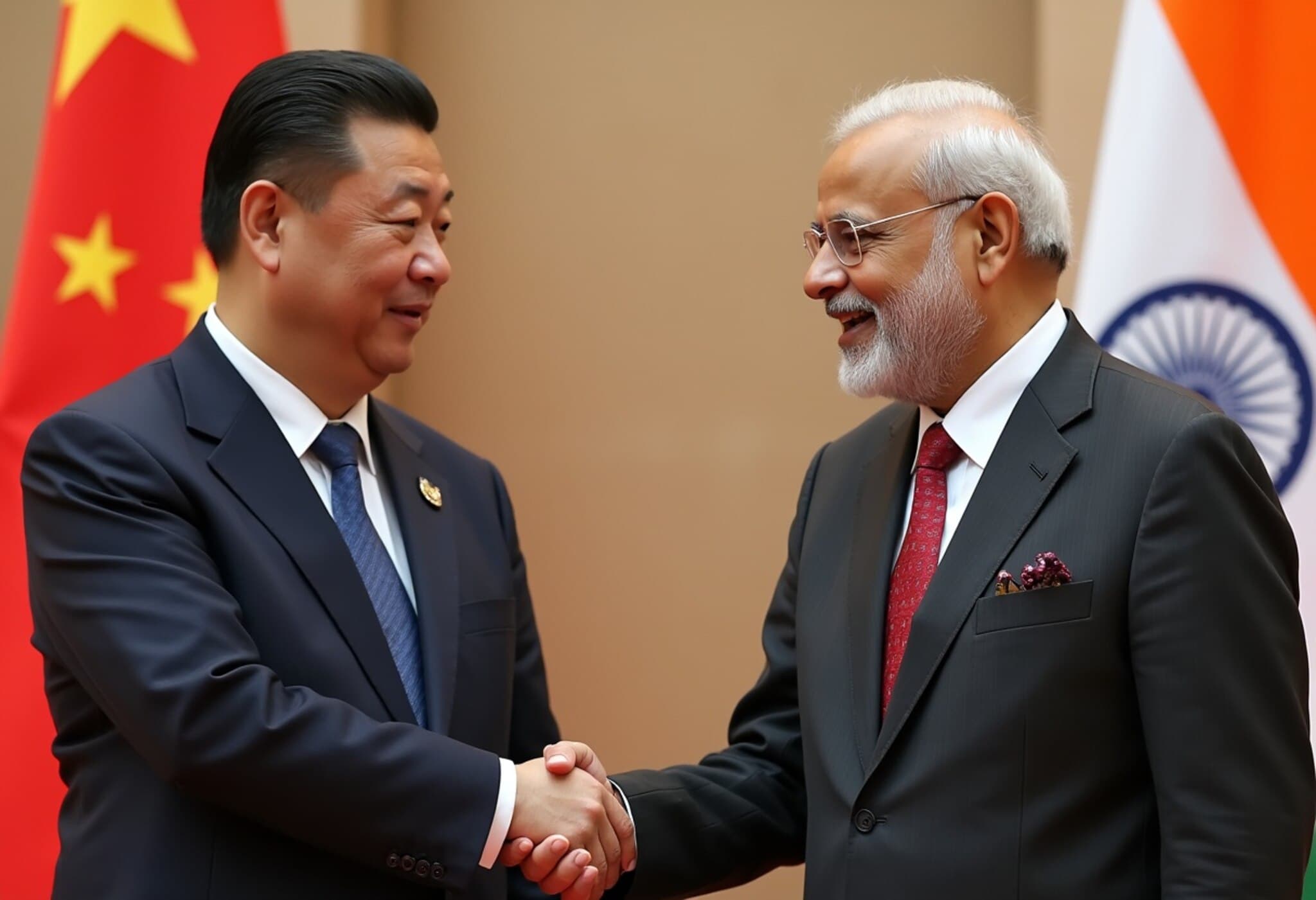
Adding momentum to this thaw in relations, Prime Minister Narendra Modi is slated to attend the upcoming Shanghai Cooperation Organisation (SCO) Summit in Tianjin, China, scheduled to open on August 31. This will mark PM Modi’s first official visit to China since 2018, underlining a renewed diplomatic engagement.
National Security Advisor Ajit Doval highlighted the visit as a potential source of "new energy" in India-China ties, suggesting a phase of constructive dialogue and cooperation may be underway.
Expert Analysis: Navigating a Complex Frontier
Border issues between India and China intertwine historical legacies, geopolitical ambitions, and regional security concerns. Establishing expert groups for early harvest—meaning quick, achievable progress in boundary delimitation—demonstrates pragmatic diplomacy aimed at building confidence before tackling bigger challenges.
Furthermore, the focus on maintaining peace and tranquillity speaks not only to preventing military escalation but also to fostering an environment where broader trade, cultural, and political exchanges can flourish.
From an American policy perspective, stability along the India-China border is critical, given the broader strategic competition between the two Asian giants and their roles on the global stage. Progress here aligns with U.S. interests in preserving security and balance in the Indo-Pacific region.
Questions that Remain
- How will these groups balance the urgent need for resolution with the political sensitivities on both sides?
- Will the new mechanisms lead to tangible, verifiable de-escalation along the flashpoints?
- Can this renewed diplomatic momentum survive external pressures and bilateral mistrust accumulated over past clashes?
Looking Forward
While challenges remain inherent in the India-China border dispute, the formation of these specialized groups, coupled with high-level engagements like PM Modi’s SCO visit, marks a hopeful chapter. It underscores the importance of patient, persistent diplomacy and the pursuit of peace as a shared interest transcending historical grievances.