Hurricane Melissa Inflicts Historic Damage Across Jamaica
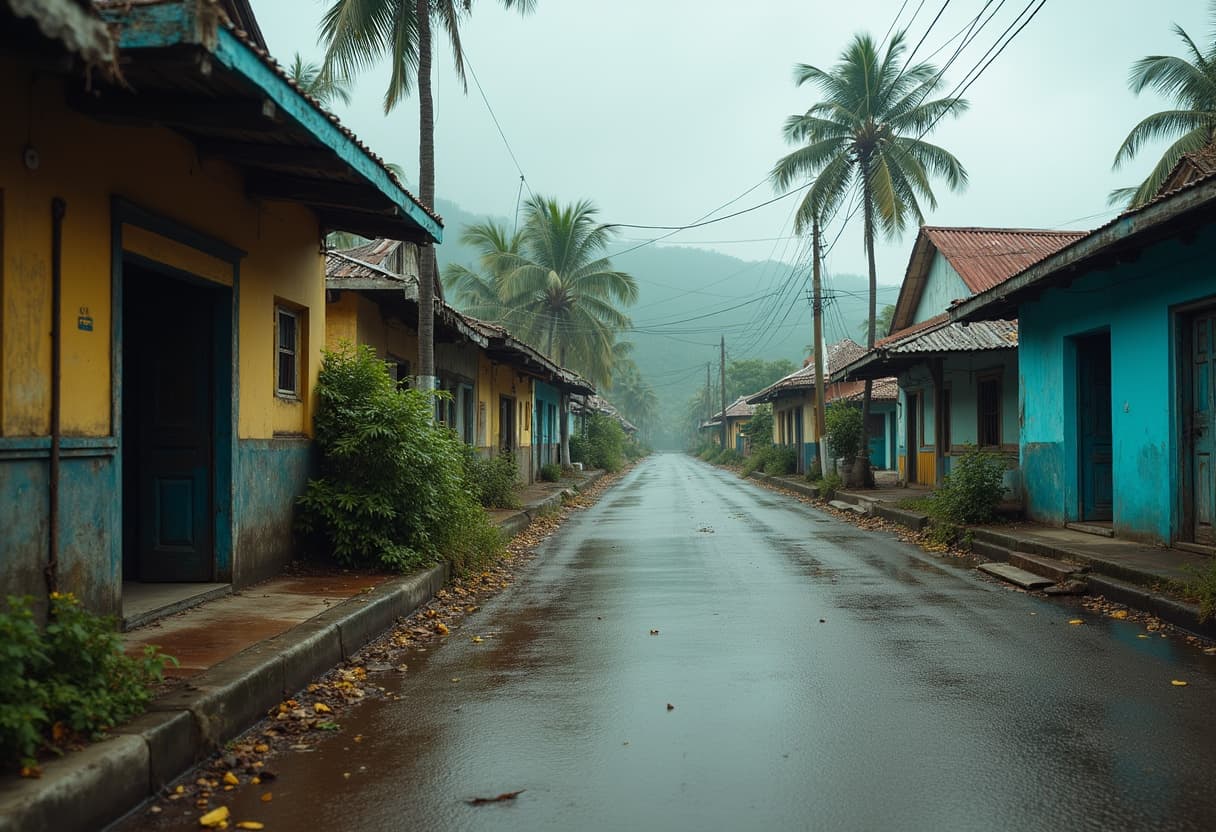
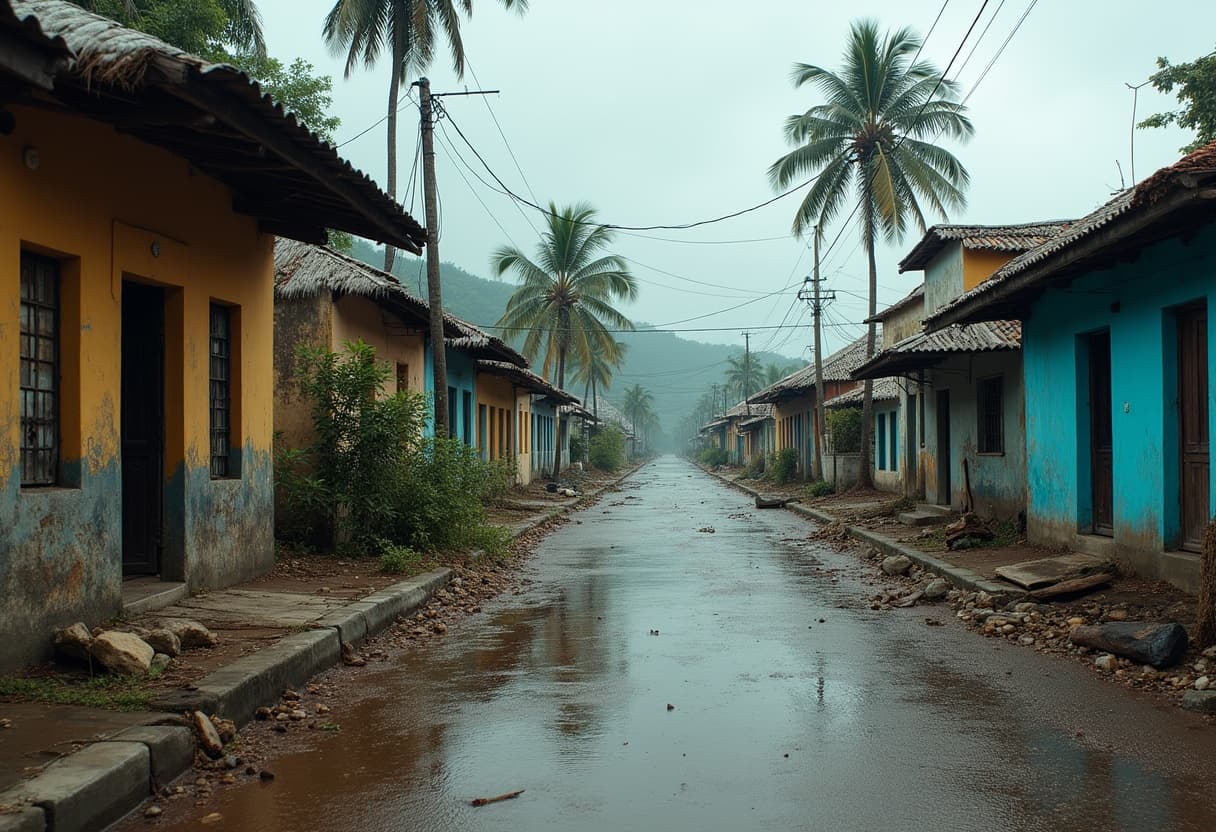
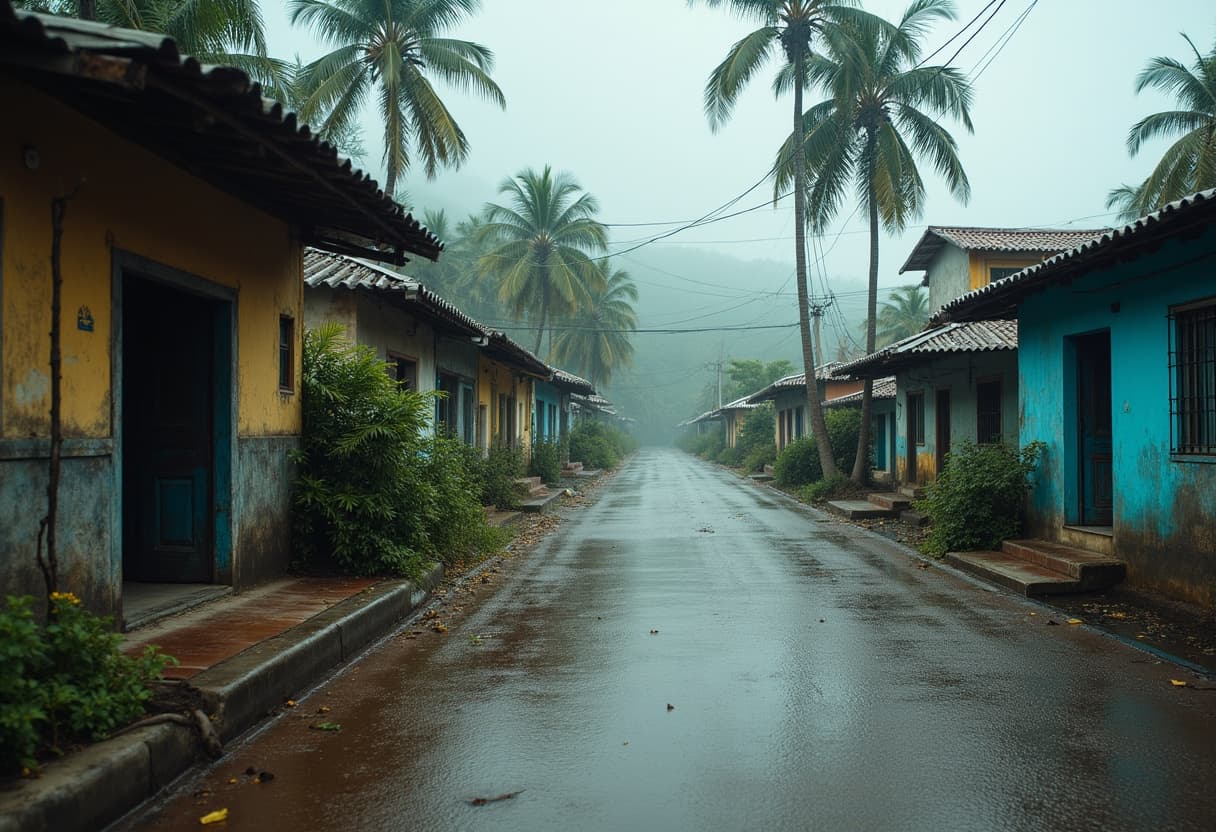
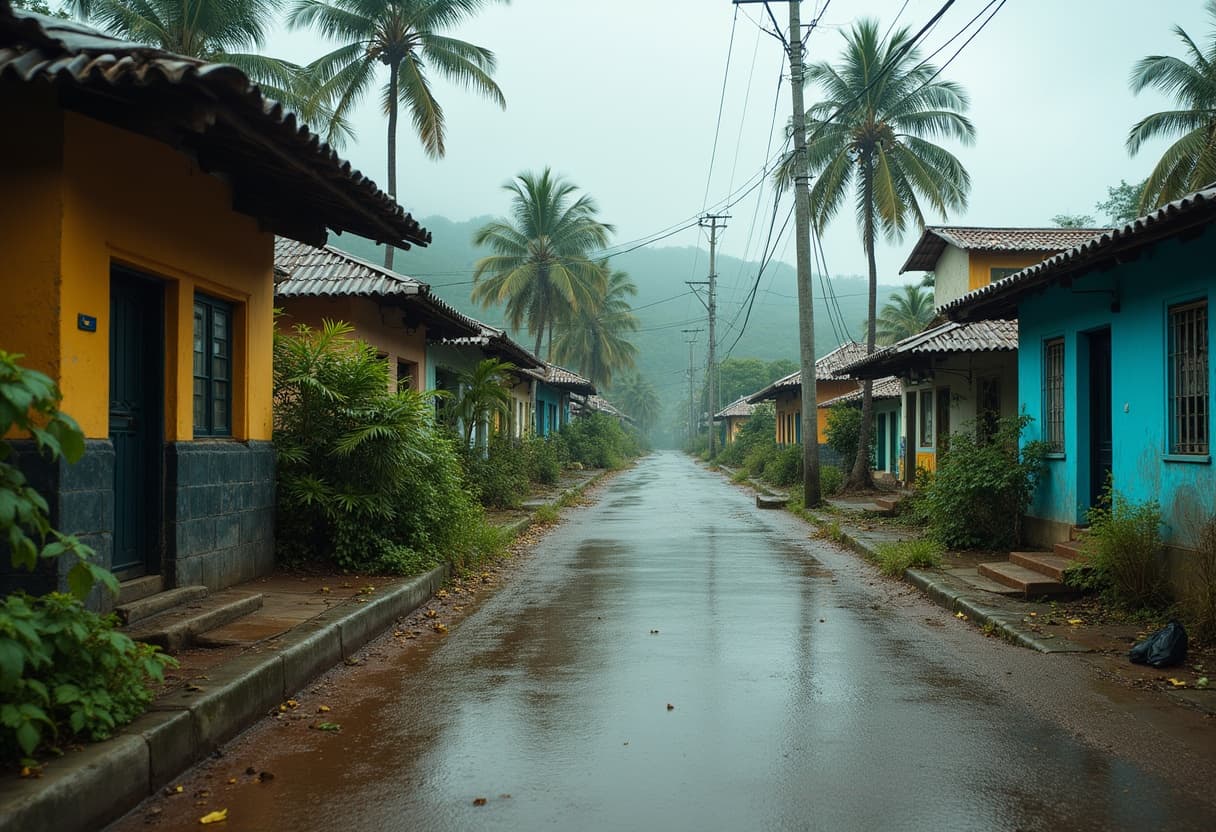
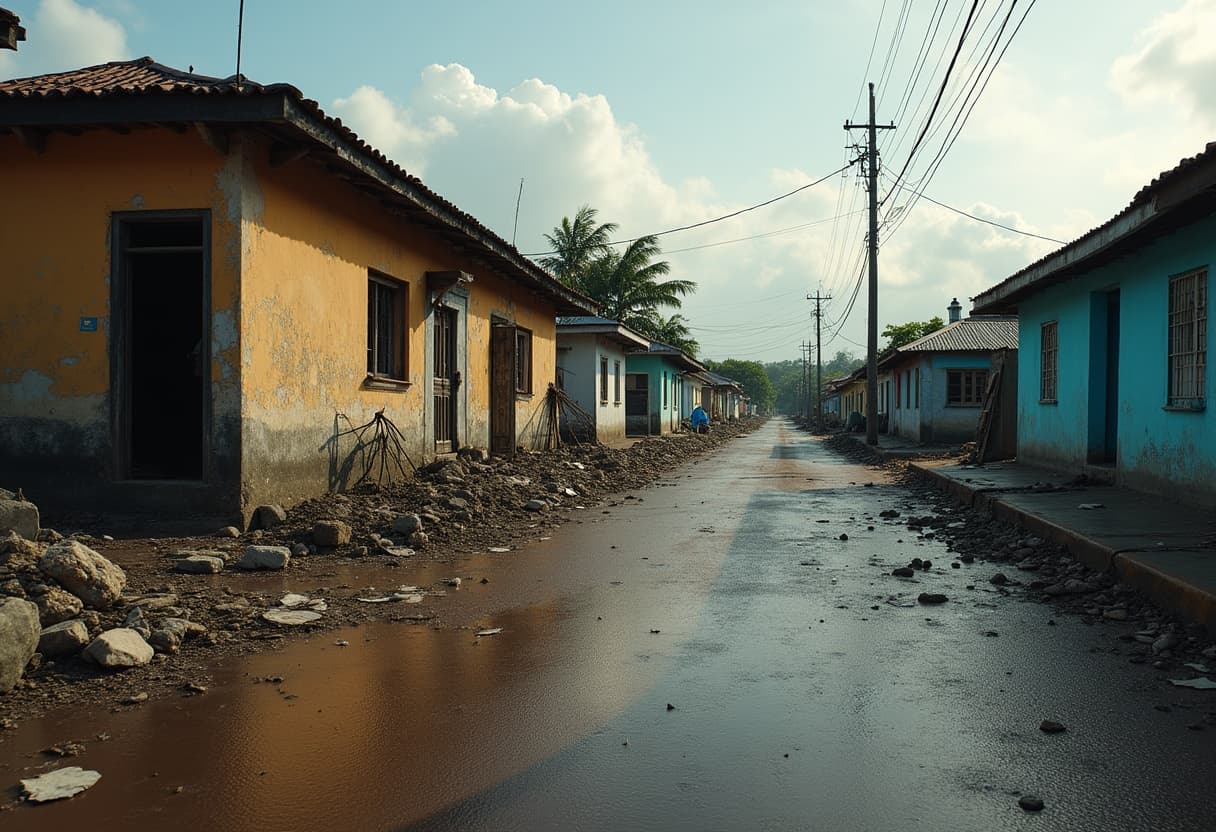
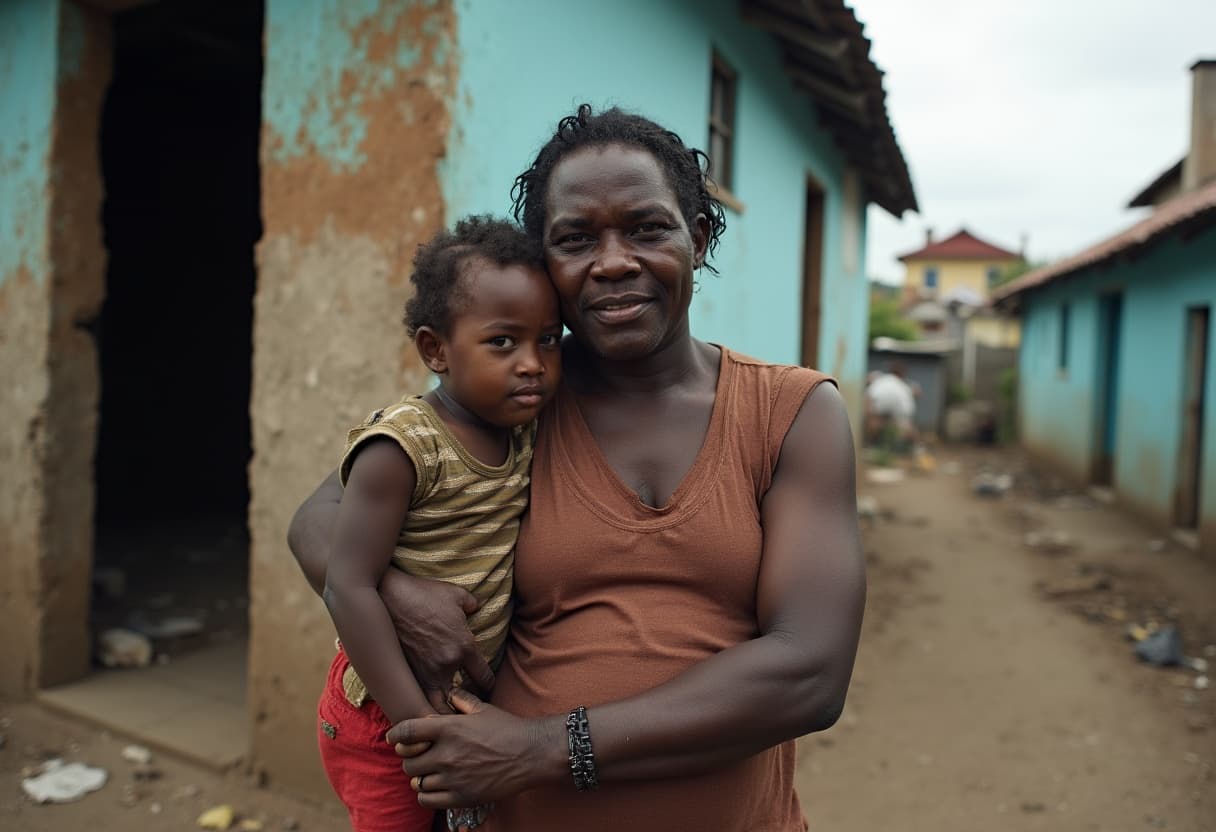
On Tuesday, Hurricane Melissa made landfall in Jamaica as a ferocious Category 5 storm, bringing devastating destruction that has shaken the island nation to its core. According to Dennis Zulu, the United Nations resident coordinator in Jamaica, over one million people—roughly one-third of the country’s population—have been directly impacted by the storm’s relentless force.
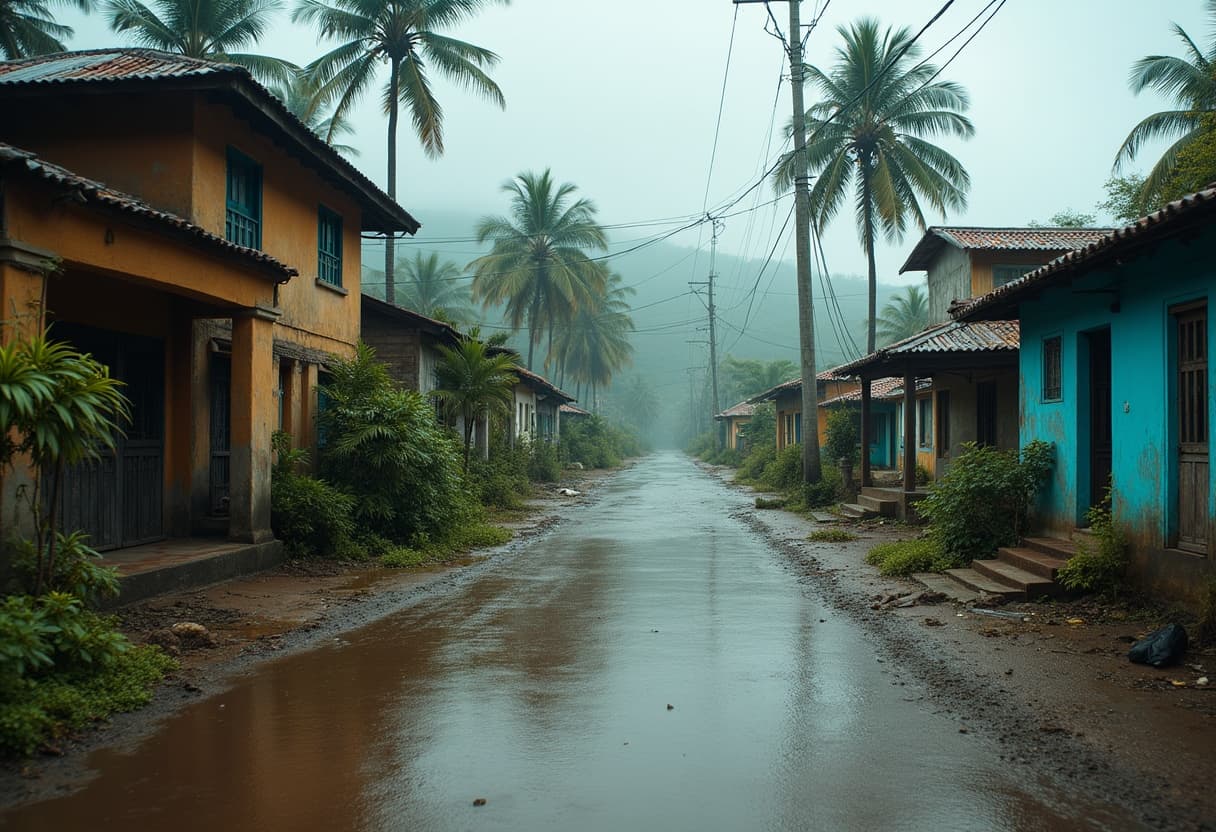
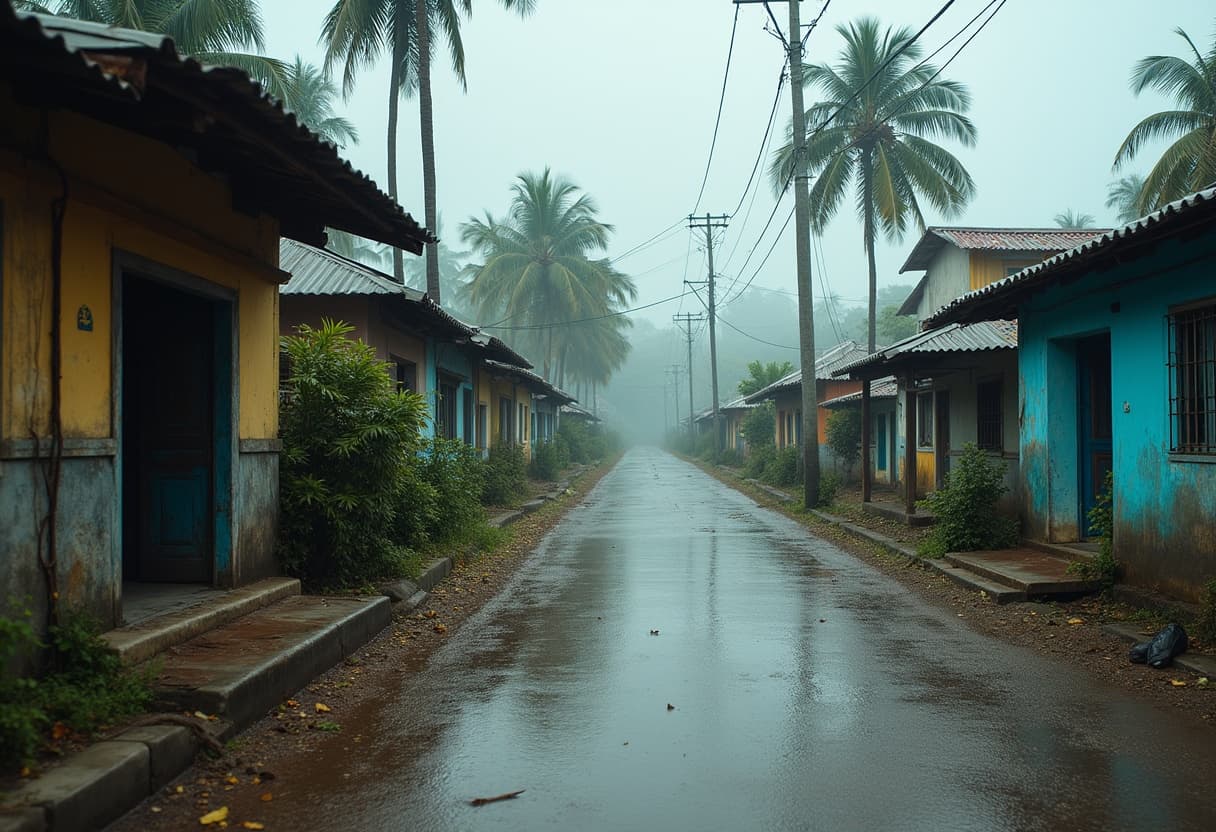
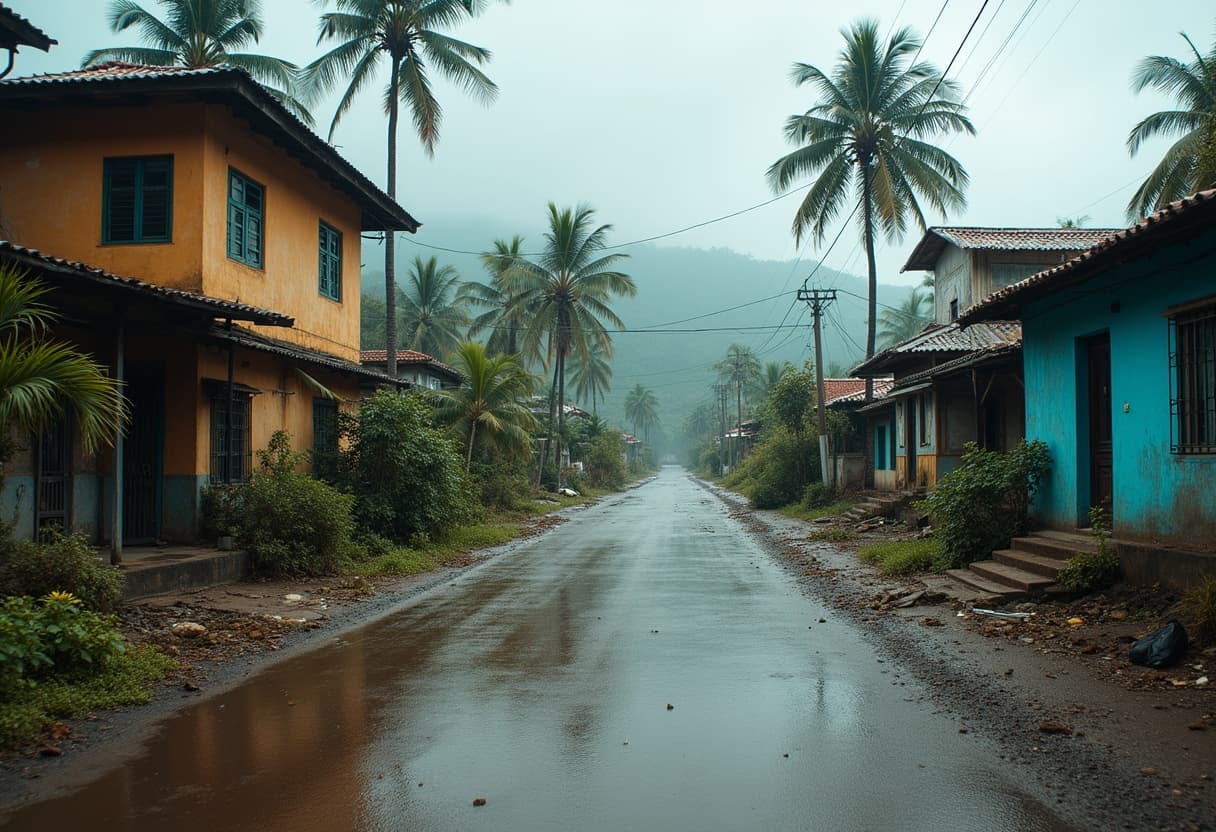
Speaking from Kingston, Mr. Zulu described the damage as “unprecedented,” striking not only homes but crippling the island’s essential infrastructure. Road networks, electricity grids, and vital services have been battered extensively, with power outages widespread and many communities isolated.
Countrywide Destruction Hinders Immediate Relief Efforts
What sets this disaster apart is its nationwide reach. Unlike previous storms that may have concentrated damage in specific areas, Hurricane Melissa’s aftermath has been felt “across the country,” said Zulu. Downed power lines and impassable roads are complicating rapid assessments and the mobilization of aid. To overcome these obstacles, the United Nations is relying on drone surveillance and satellite imagery to prioritize relief zones during initial evaluations.
The challenges are multifaceted: transportation corridors remain disrupted, the electrical grid is severely compromised, and many rural communities—especially those reliant on agriculture—face uncertain futures.
Agricultural Heartland Left in Ruins
Melissa struck Jamaica’s agricultural belt, often referred to as the nation’s “breadbasket,” devastating farmlands and food crops that supply much of the domestic market. The implications for the country’s food security are serious. Zulu warned that Jamaica’s 2.8 million inhabitants could suffer shortages in the months ahead as the agricultural sector begins a lengthy recovery process.
“There isn't a single person on the island untouched by this hurricane, whether it was by their roofs being blown away or their gardens destroyed,” he said, emphasizing the human toll beyond the statistics.
Tourism Industry Faces Severe Setback
Jamaica’s economy is heavily dependent on tourism, which contributed approximately $5 billion in annual revenue prior to the storm, according to the Ministry of Tourism. The sector was already eyeing ambitious growth goals, including a plan to double tourism revenues by 2030.
However, Hurricane Melissa has inflicted major damage on hotel resorts, coastal ecosystems, and tourism infrastructure. The impact threatens to reduce visitor inflows in the short term, challenging the country’s economic stability and recovery prospects.
United Nations and Government Mobilize Emergency Response
In response, the U.N. is coordinating closely with Jamaican authorities to deliver urgent aid. Immediate priorities include provision of clean water, food supplies, and shelter for displaced populations. Given the extent of housing damage, many residents are expected to rely on temporary shelters until repairs can be made.
Plans are underway to reopen Kingston’s airport to facilitate the inflow of humanitarian aid from regional U.N. hubs in Barbados and Panama. Currently, the U.N.'s capacity to assess and deliver assistance on the ground is constrained, but deployment of staff from neighboring countries is imminent, supported by a multi-million-dollar emergency fund allocated recently for the Caribbean region.
Regional and Global Support Still Evolving
While the U.N. Secretary-General António Guterres has pledged support to affected Caribbean nations and allocated funds for Haiti and Cuba, specific commitments for Jamaica are pending further damage assessments. The prolonged recovery will likely require a significant international mobilization effort, spanning finance, infrastructure rebuilding, and climate resilience initiatives.
Looking Ahead: Financing Recovery Amidst Climate Challenges
Jamaica now faces a formidable challenge: how to finance its long-term recovery amidst wide-ranging destruction. The storm underscores the vulnerability of Caribbean nations to increasingly intense hurricanes fueled by climate change. Experts caution that recovery will not only be about rebuilding but also bolstering resilience against future events.
As the country begins this critical phase, questions loom:
- Will international aid scale adequately to meet Jamaica’s comprehensive needs?
- How will the economic setbacks from tourism and agriculture affect socio-economic stability?
- What lessons might be drawn for regional disaster preparedness strategies in the face of escalating climate threats?
Despite these challenges, the spirit of the Jamaican people and the support from global partners signal hope for eventual resurgence.
Editor’s Note
Hurricane Melissa’s impact on Jamaica highlights urgent issues at the intersection of climate change, economic vulnerability, and humanitarian response. Beyond the immediate devastation, the storm raises critical questions about how small island developing states can navigate recovery while building resilience against future climate disasters. This event serves as a stark reminder that investing in robust infrastructure and adaptive strategies is no longer optional but essential. Readers are encouraged to follow updates and consider the broader implications for regional and global climate policy.
Expert Insight: As a seasoned U.N. correspondent and analyst, Farnaz Fassihi provides a nuanced view of Jamaica’s crisis, stressing not just the visible destruction, but also the underlying systemic challenges that will shape recovery efforts. The international community’s response in the coming weeks will be a testament to global solidarity in addressing climate-induced humanitarian emergencies.