Devastating Toll in Rio de Janeiro Police Operation Shakes Brazil
In what has become the bloodiest police operation in Rio de Janeiro’s history, the death count has tragically soared to 132 lives lost, including four officers, following a large-scale crackdown on powerful drug gangs. The harrowing scenes, which unfolded late Tuesday in a low-income neighborhood, spotlight the brutal cycle of violence gripping Brazil’s favelas—where residents find themselves trapped between criminal factions and state forces.
The Night of Horror: What Happened?
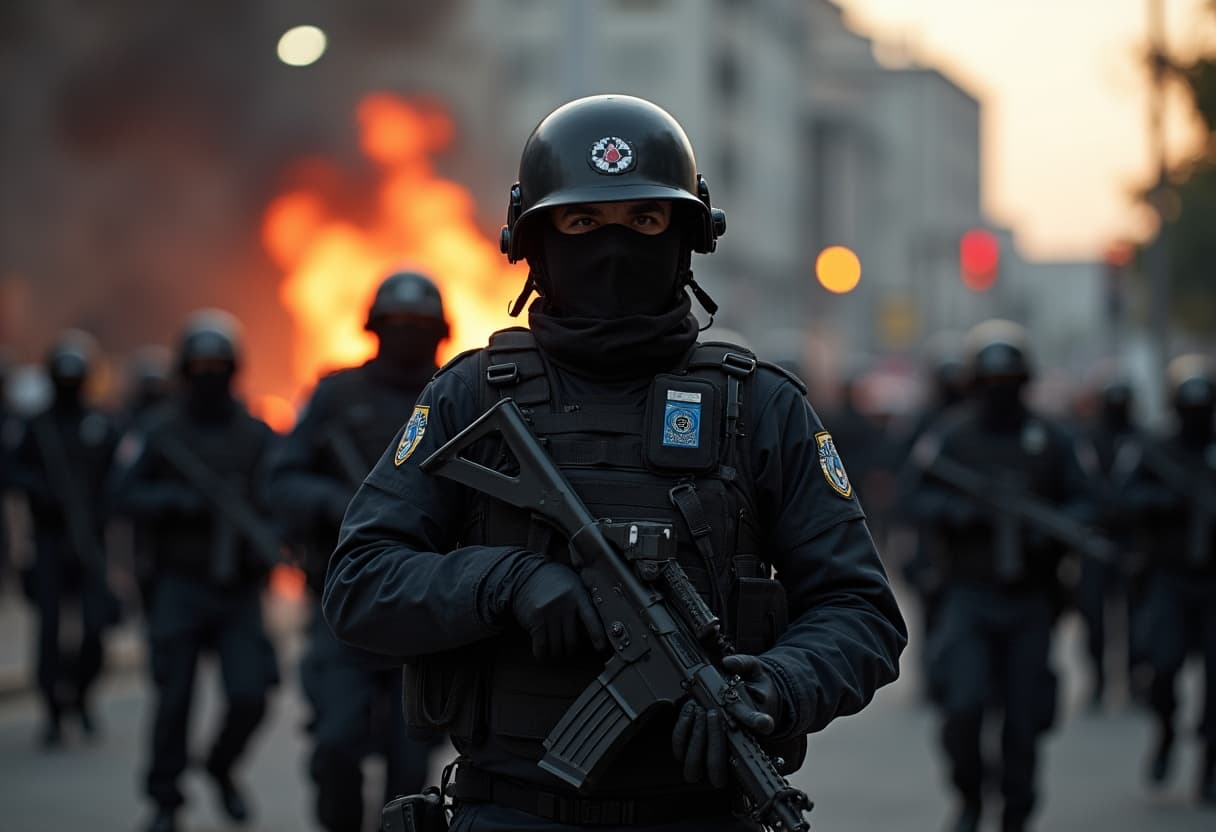
Residents of the targeted area were jolted awake around 3:30 a.m. by the frantic barking of dogs before electricity and internet services abruptly went dark. By dawn, an intense firefight erupted between approximately 2,500 police officers and suspected members of the notorious Red Command gang. The police advanced with armored vehicles and aerial support from helicopters, while gang members employed drones to drop explosives and strategically set cars ablaze to obstruct the intervention.
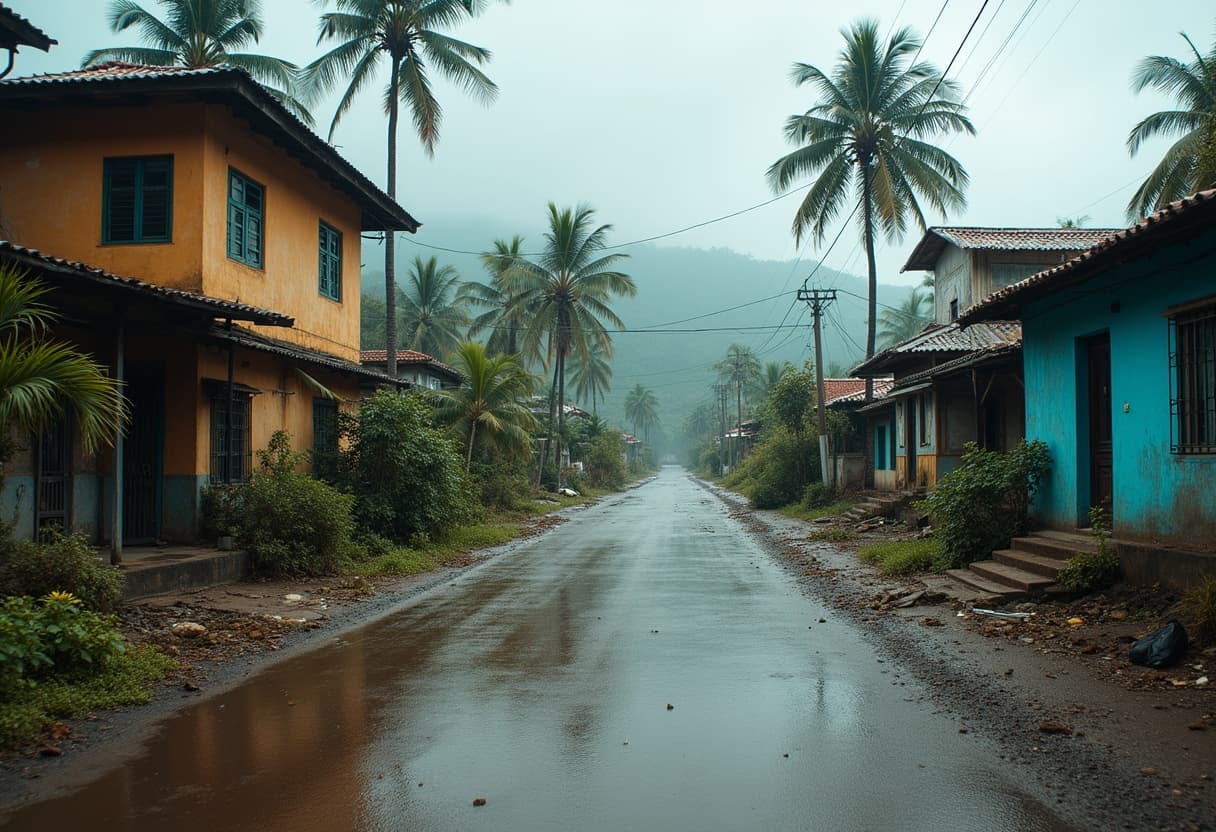
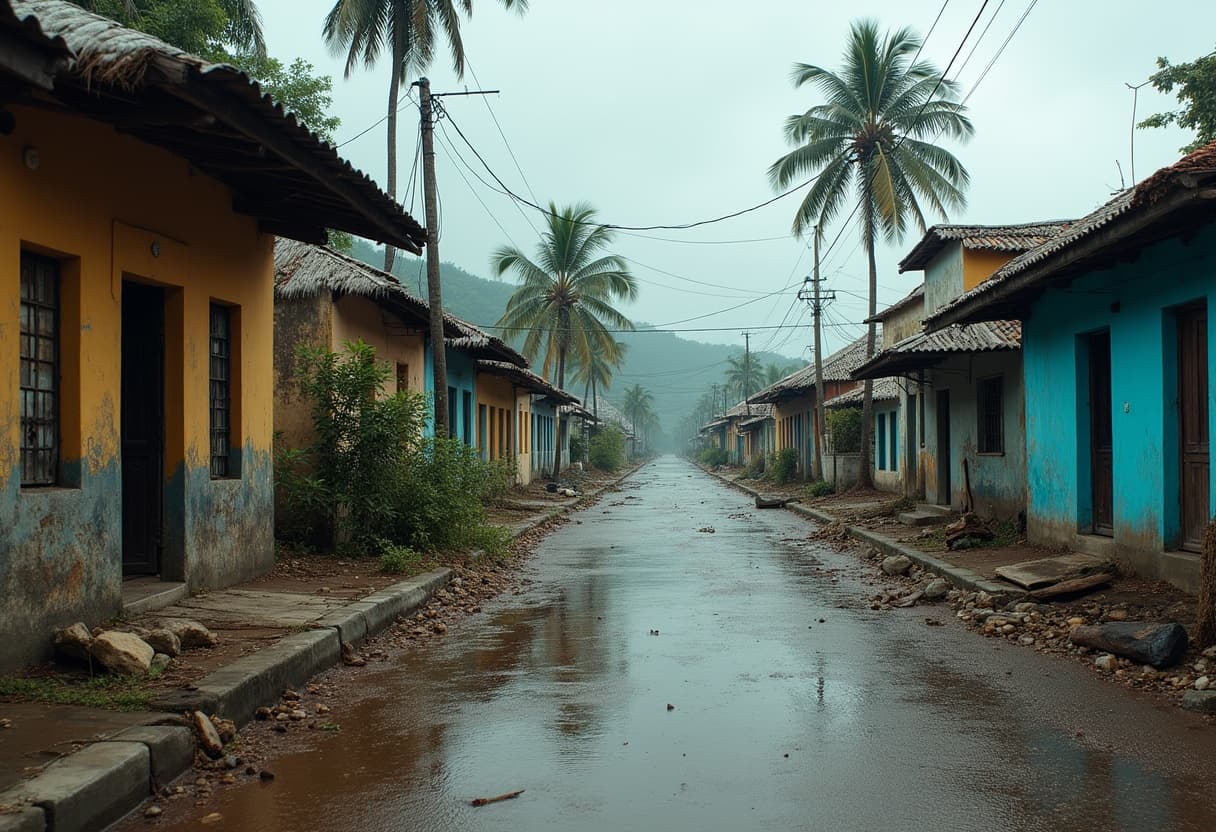
Amid the chaos, families hid in fear while schools closed and businesses shuttered. As smoke billowed over the neighborhood, residents were forced to confront a grim reality: their community had become a war zone.
Community Tragedy and Unanswered Questions
By Wednesday, volunteers and residents retrieved over 70 bodies from nearby woods alone, many stripped to their underwear to aid identification, and others covered discreetly to preserve dignity. It remains unclear how many of those killed were involved in gang activities, as the brutal violence cast a wide and indiscriminate shadow. Questions linger over accountability and the methodology of the operation.
Official Response and Political Implications
State Governor Claúdio Castro swiftly declared the raids a success, highlighting the arrest of 113 suspected gang members, seizure of 118 weapons, and over a ton of drugs. He described the Red Command’s activities as “narco-terrorism” threatening Rio’s security. However, critics and experts caution that these high-profile crackdowns often fail to dismantle entrenched criminal networks because they principally target low-ranking operatives rather than cutting off leadership or financial flows.
President Luiz Inácio Lula da Silva dispatched a ministerial team to oversee forensic investigations, expressing shock but withholding detailed public comment amidst ongoing investigations. The timing is politically charged, with the federal government preparing to host the UN Climate Change Conference, and national elections looming.
The Limitations of Force: Experts Weigh In
Robert Muggah, a leading researcher on Latin American organized crime at the Igarapé Institute, cautions against the cycle of repetitive heavy-handed police operations. “These mega-operations rarely dismantle criminal networks but instead perpetuate violence,” he noted. Muggah suggests that combating the Red Command’s influence requires tackling their financial channels and logistics, as seen in recent successful actions in São Paulo against a rival group, the First Capital Command.
Rio’s Secretary of Public Security confirmed the failure to capture the primary targets, acknowledging that gang leaders often employ foot soldiers as shields.
Human Cost and the Path Forward
The operation’s human toll goes beyond statistics — it exposes the enduring plight of marginalized communities besieged by violence. Residents recount moments of sheer terror, highlighting a need for security measures that consider civic safety alongside crime suppression.
This episode raises fundamental questions about the effectiveness of Brazil’s policing strategies, the ethics of militarized interventions in urban areas, and the socio-political forces that drive such conflicts. It underscores the urgency for holistic policies addressing poverty, justice, and governance to break the cycle of violence in Rio’s favelas and beyond.
Summary Box: Key Takeaways
- 132 people died during Rio’s deadliest police raid, including four officers.
- The operation targeted the Red Command gang, a national and transnational criminal organization.
- Residents faced hours of violent clashes, power outages, and widespread fear.
- Experts warn that such forceful raids typically fail to dismantle organized crime leadership or financial networks.
- The operation occurs ahead of significant political events, including Brazil’s national elections and hosting the U.N. Climate Summit.
- Calls for reform emphasize focusing on intelligence, financial disruption, and community-centered security strategies.
Editor’s Note
The tragedy unfolding in Rio is a sobering reminder of the complex interplay between crime, policing, and politics in Brazil. While the immediate aim to weaken criminal groups is understandable, this event forces us to ask: Are we addressing root causes, or merely treating symptoms with increasing bloodshed? How can policy balance the urgent need for security with human rights and social justice? These questions will define Brazil’s path forward and the wellbeing of its most vulnerable citizens.