Hurricane Melissa Ravages Black River, Jamaica’s Historic Coastal Town
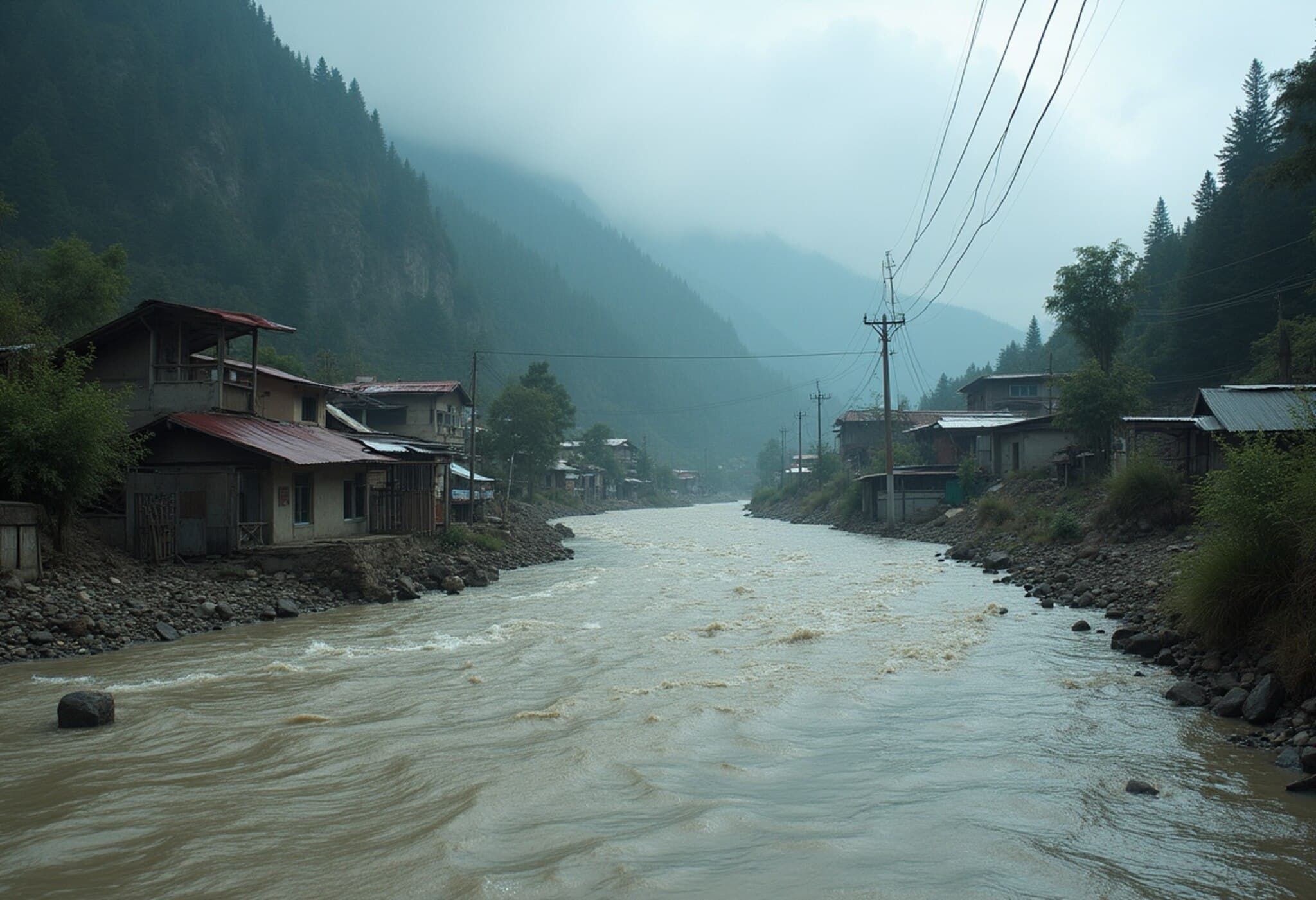
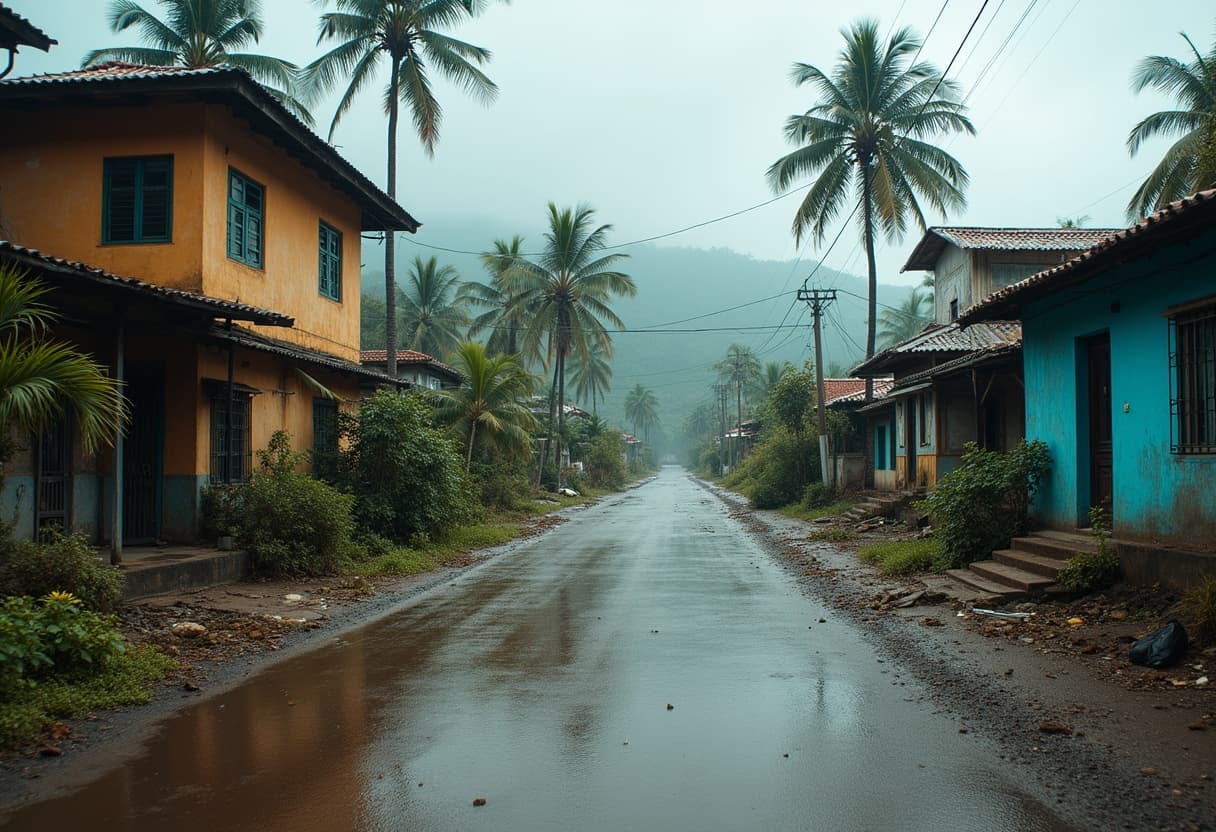
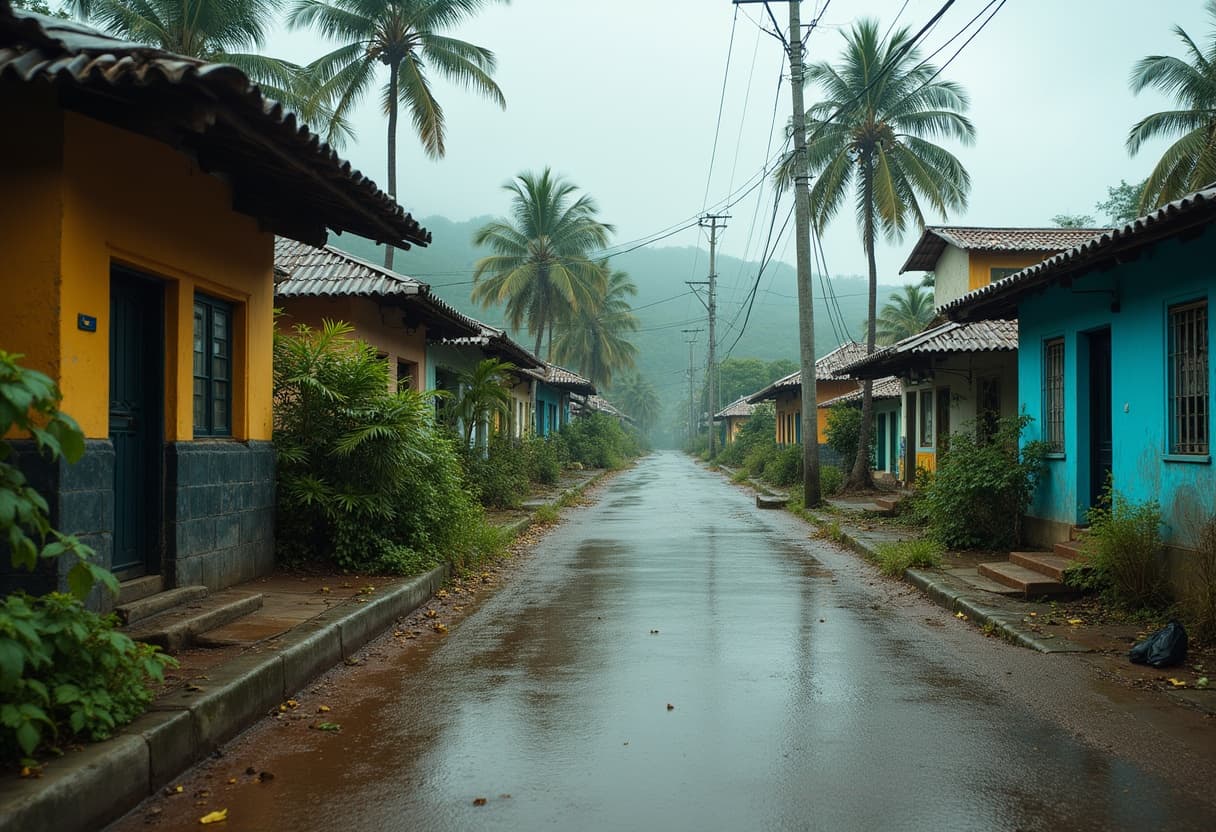
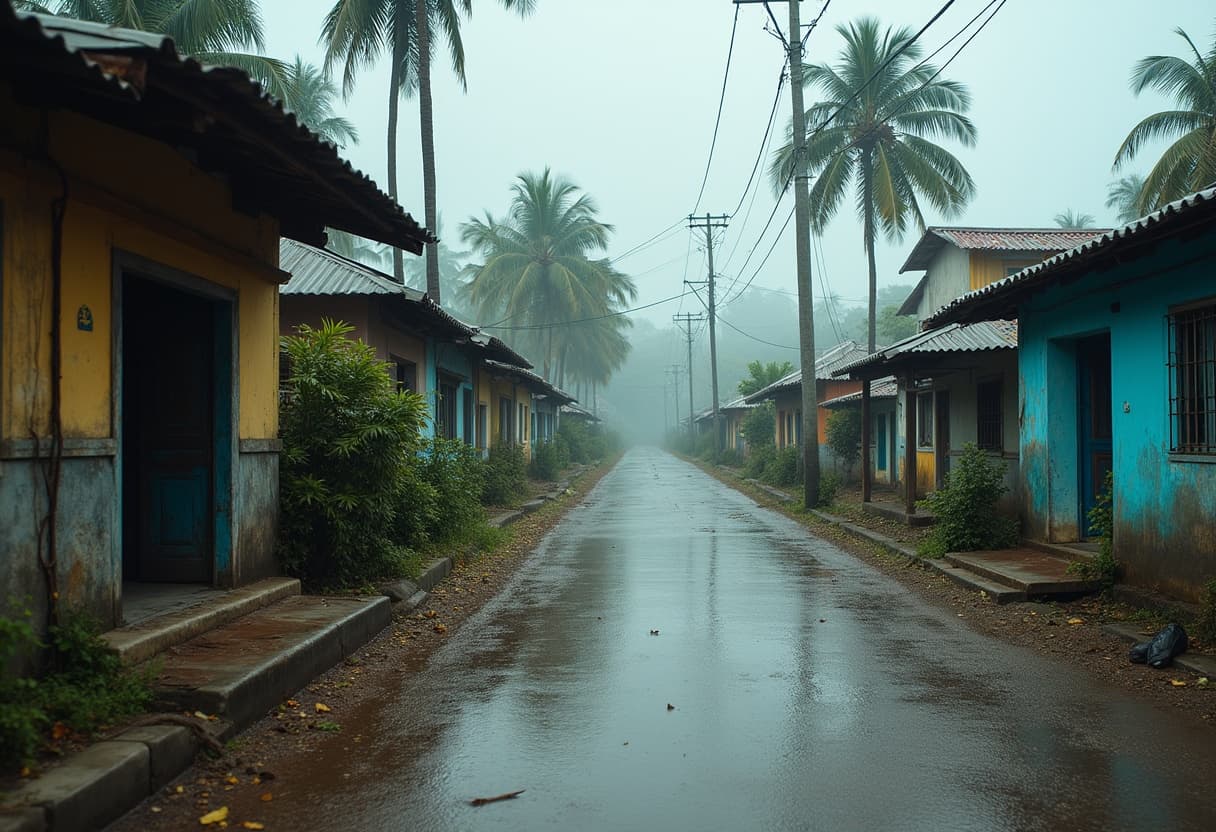
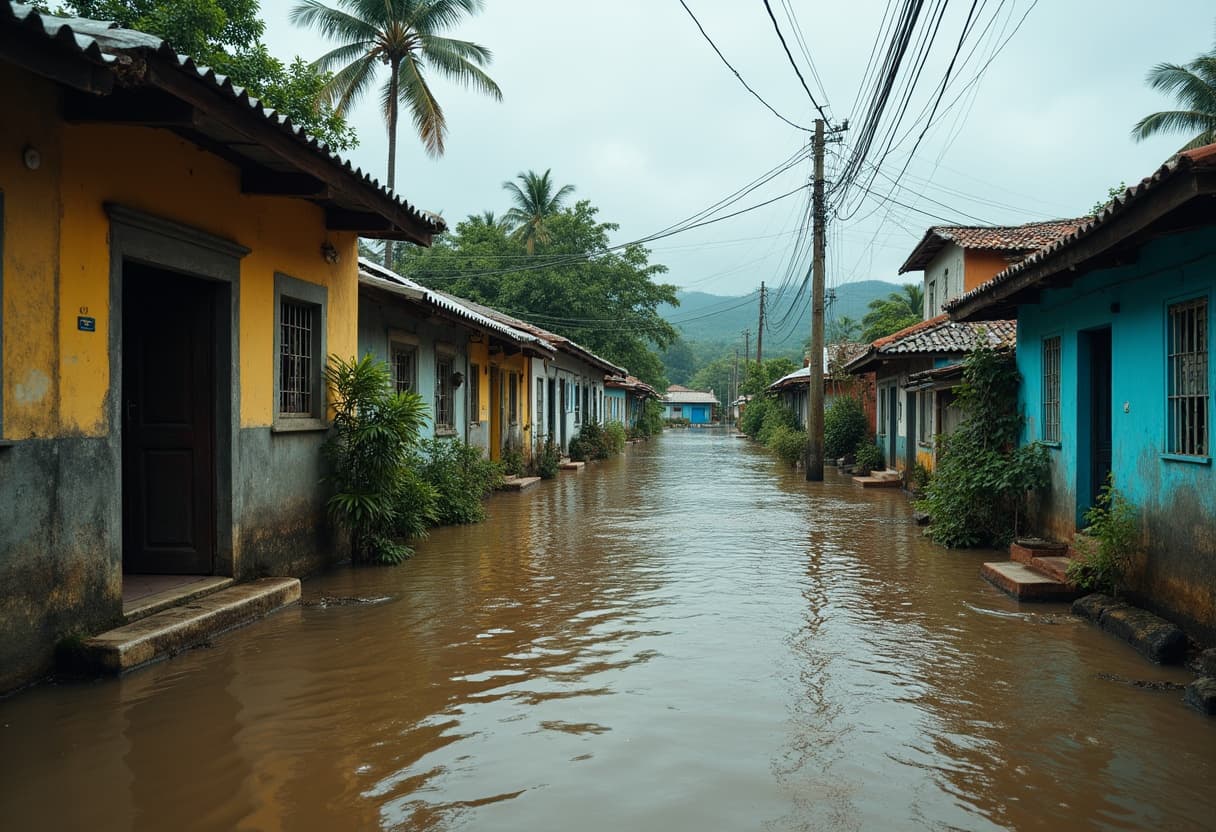
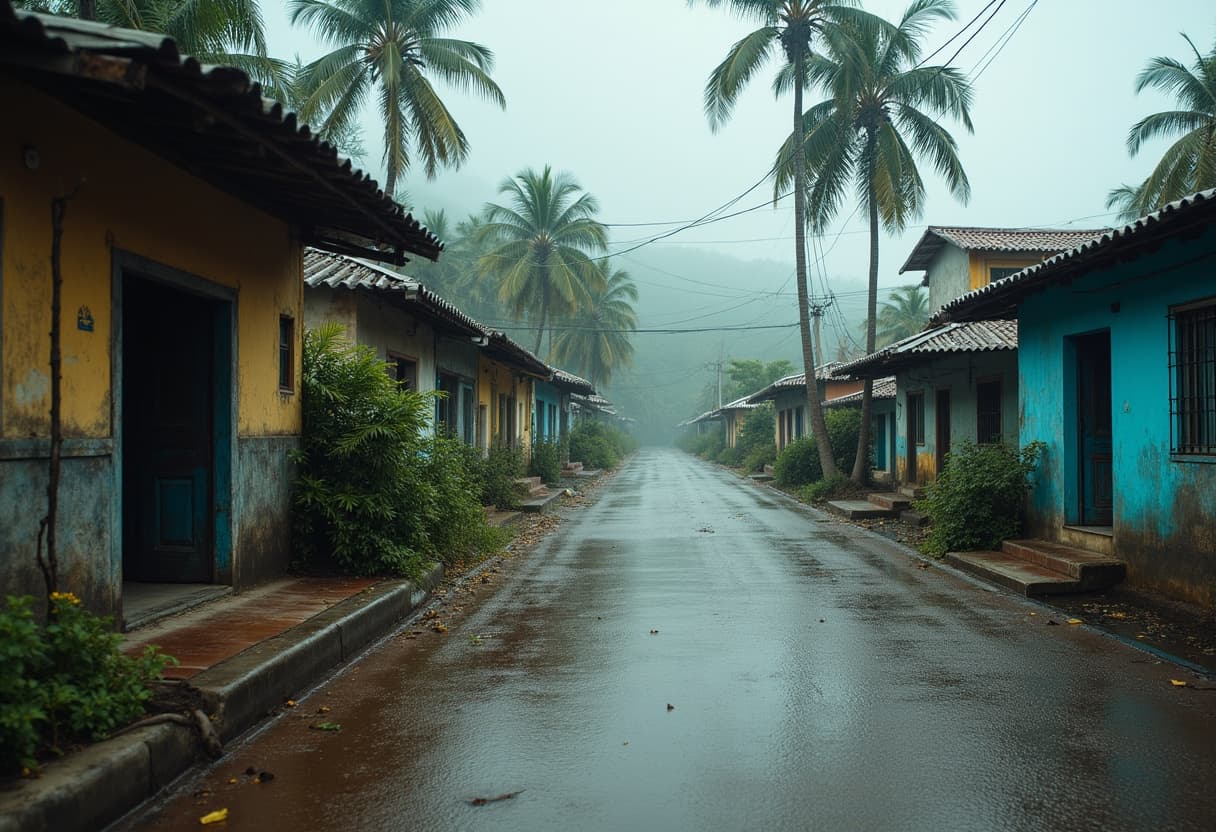
On October 29, 2025, the once charming port town of Black River on Jamaica’s southwestern coast was left virtually unrecognizable following the passage of Hurricane Melissa. Striking the island with ferocious 185 mph winds—the strongest ever recorded in Jamaican history—the Category 5 storm carved a path of destruction through the capital of St. Elizabeth Parish.
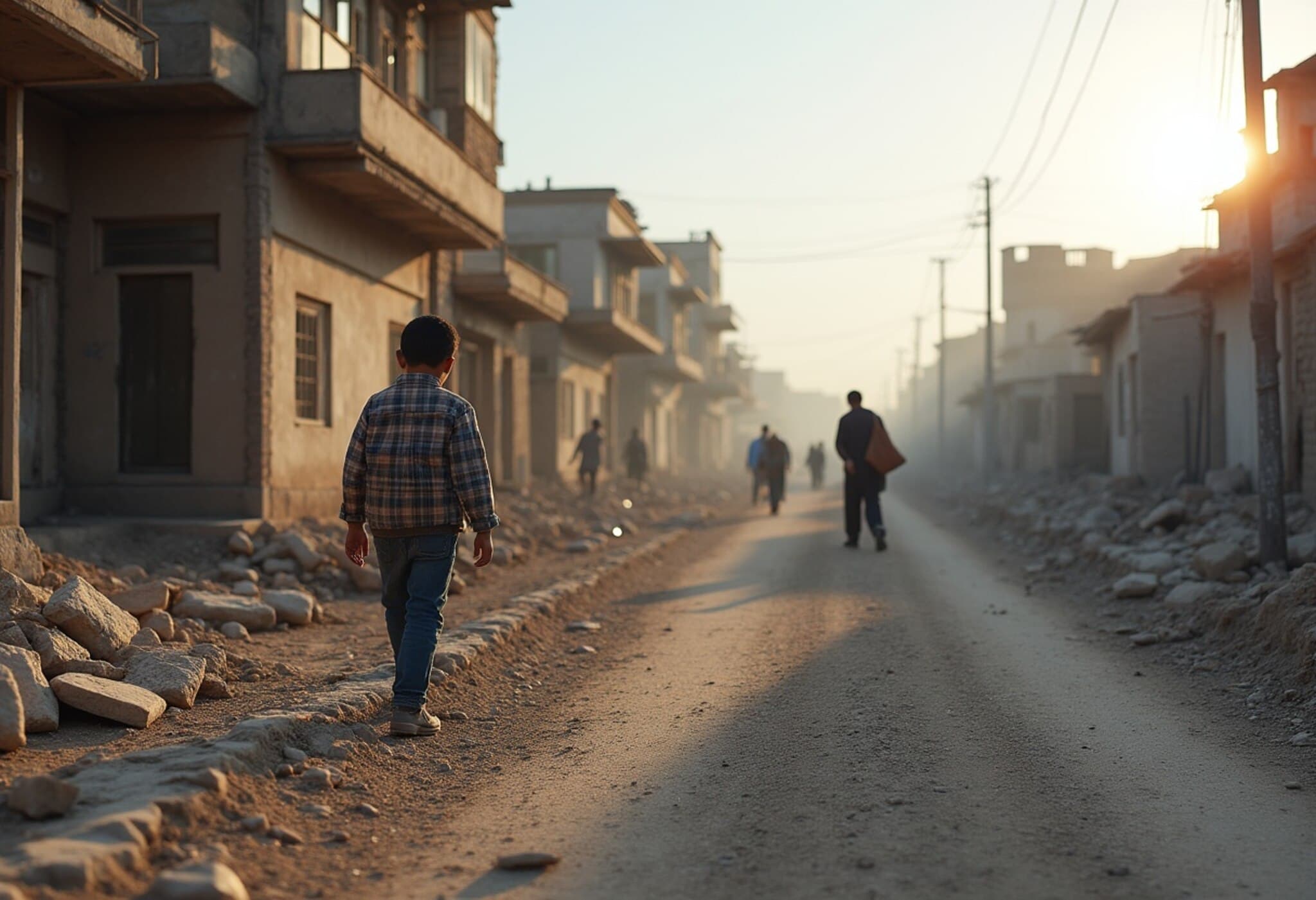
The Aftermath: A Town in Ruins
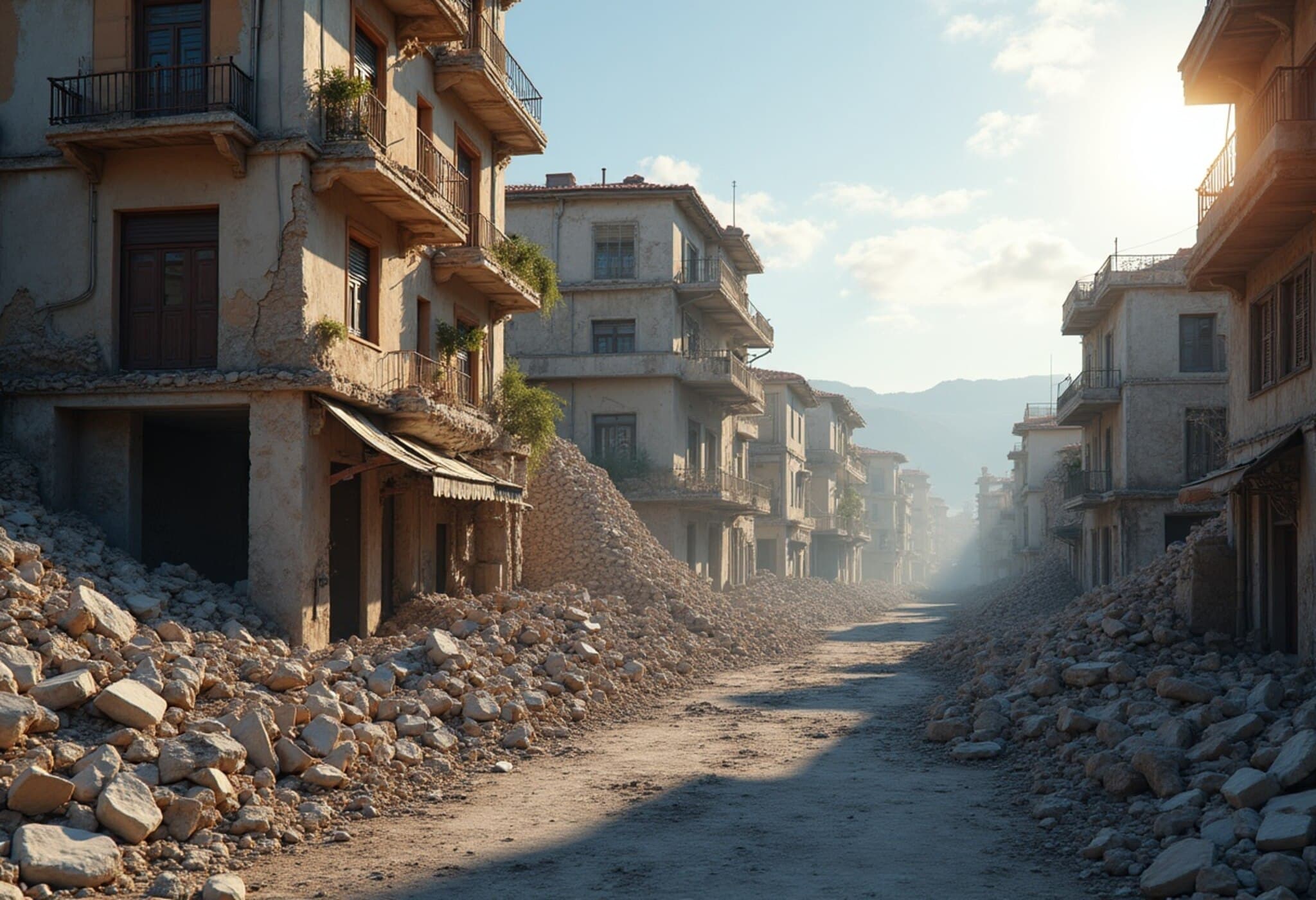
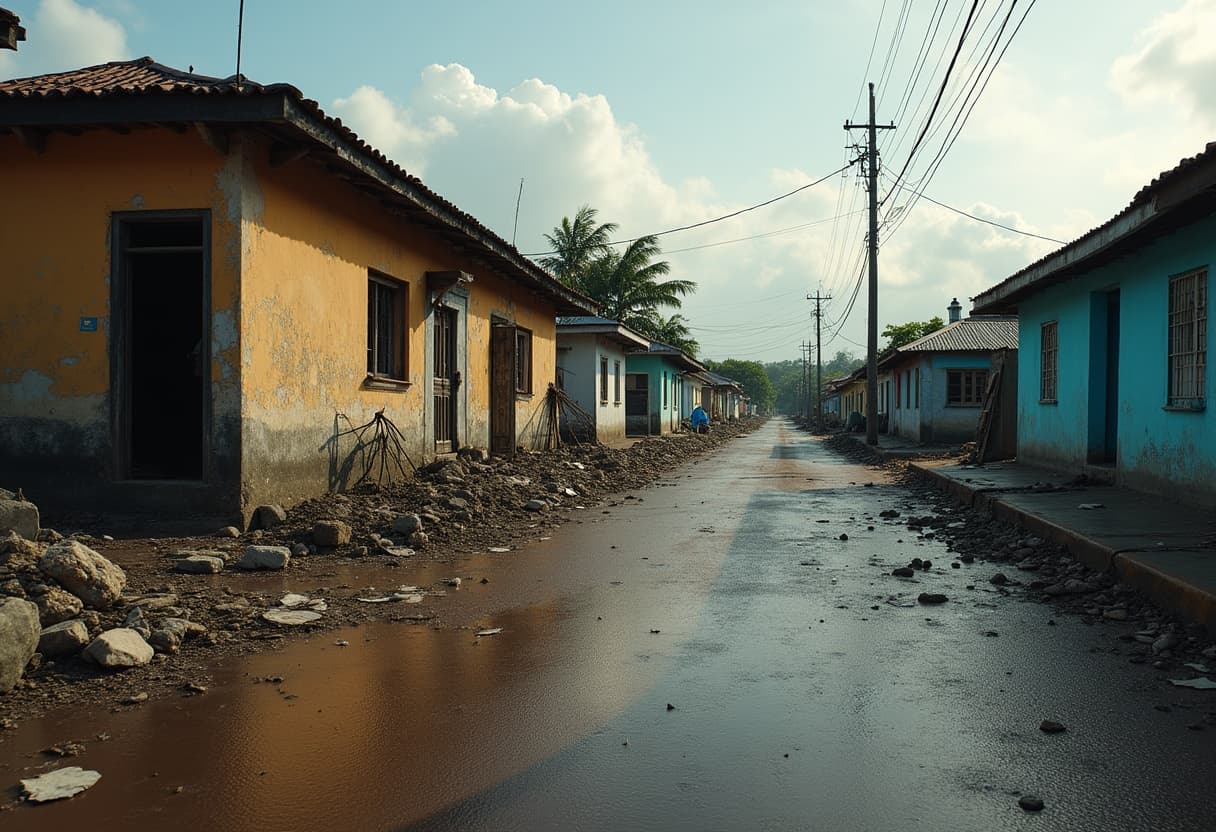
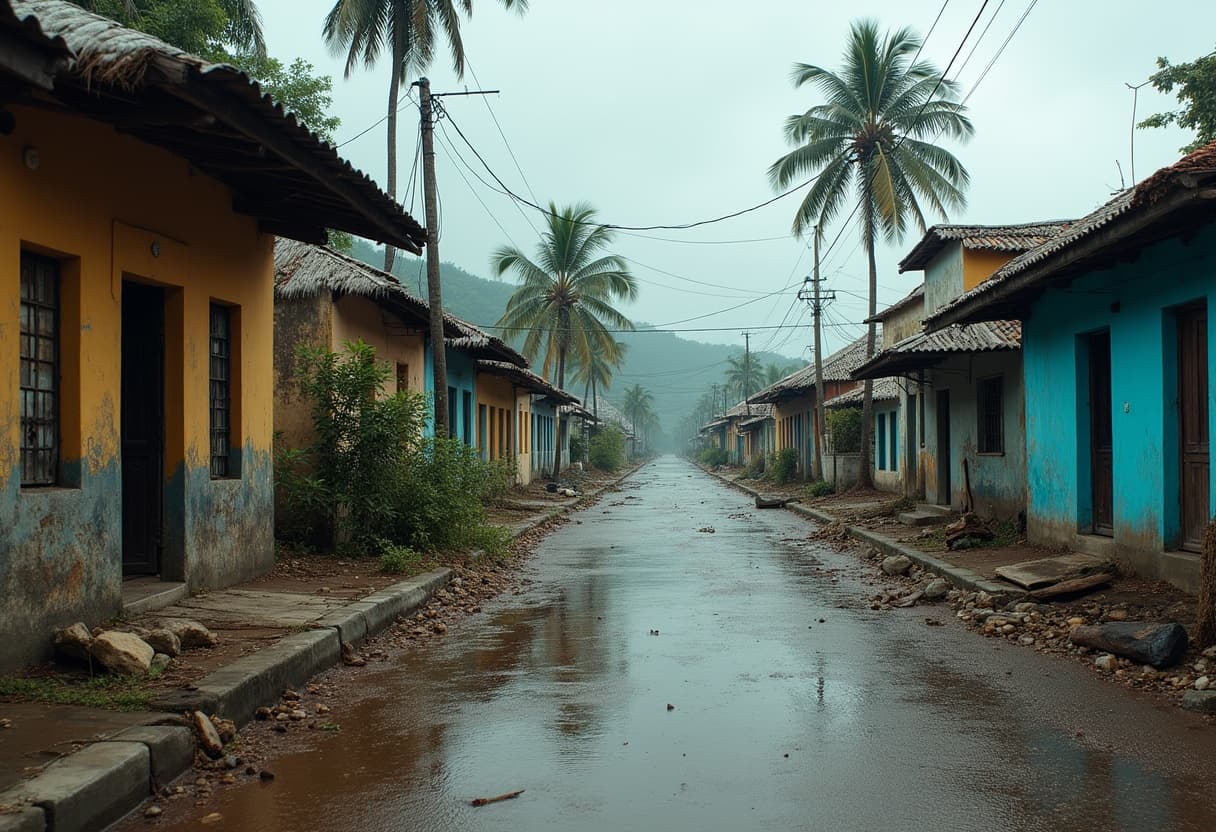
Satellite images starkly captured the devastating transformation of Black River before and after the hurricane. The serene coastline, once dotted with historical landmarks, was now strewn with enormous boulders and debris. Among the destruction, a cellphone tower was found twisted unnaturally into a semicircle, symbolizing the storm’s immense force.
Local visitor Amiri Bradley lamented the extent of the damage, noting, “Only places that have four concrete walls are still standing, and usually their roofs are gone.” This chilling observation underscores how even sturdy buildings couldn’t withstand Melissa’s wrath.
The Historical Significance of Black River
Black River holds a unique place in Jamaica’s history. Once a pivotal port where enslaved workers shipped sugar and rum across the Caribbean and beyond, it evolved into a beloved tourist destination known for crocodile safaris and the iconic Waterloo Guest House—the first private residence in Jamaica to be illuminated by electricity.
Unfortunately, Hurricane Melissa obliterated many landmarks. Prime Minister Andrew Holness, surveying the devastation from above, remarked that Black River has been “literally totally destroyed.” Among the casualties of this historic storm are the courthouse, local library, churches, and the treasured Waterloo Guest House, all reduced to rubble.
Human Toll and Recovery Challenges
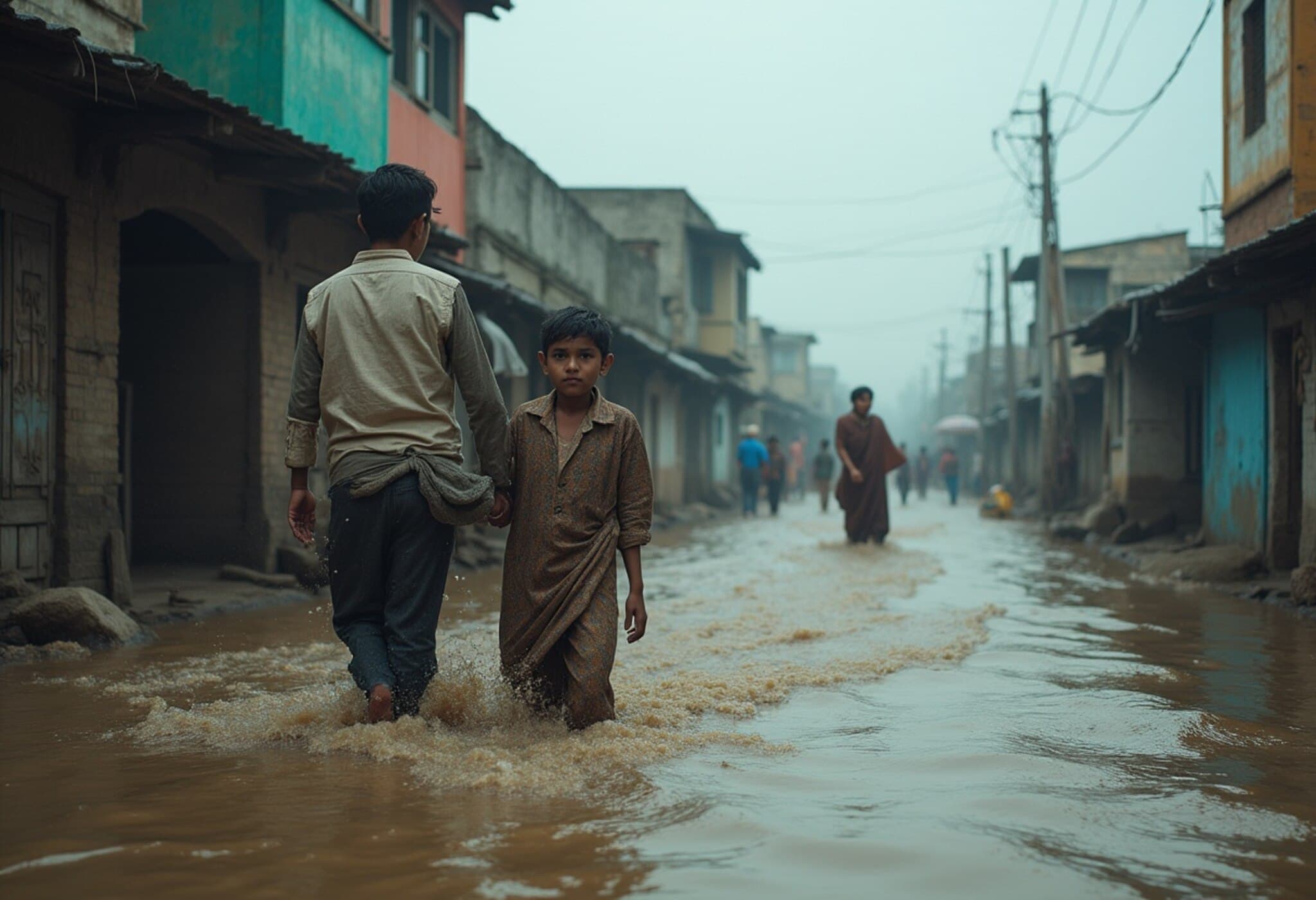
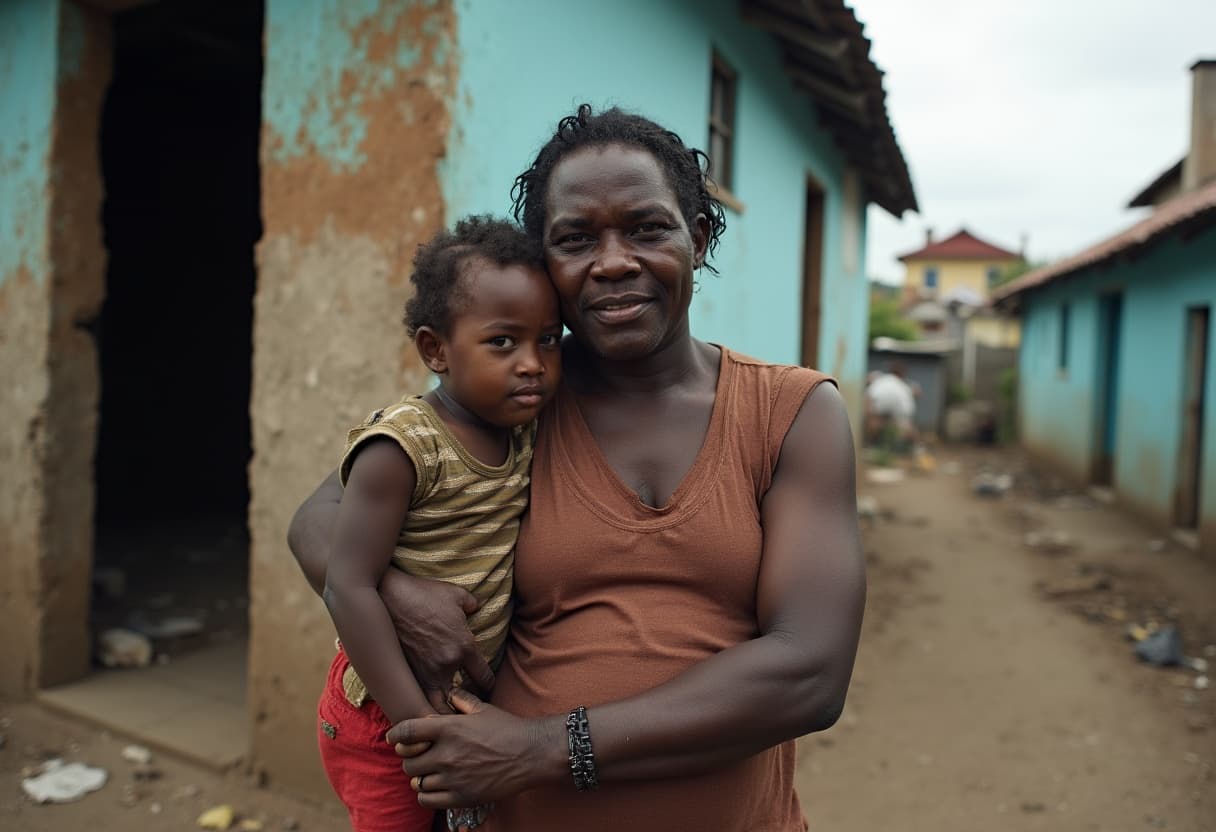
By Wednesday afternoon, at least five bodies were reported in St. Elizabeth Parish—two confirmed in Black River itself—highlighting the deadly human impact of the hurricane. Mayor Richard Solomon expressed profound distress in describing the scope of the disaster.
The hurricane struck a region still vulnerable from last year's Hurricane Beryl, a Category 4 storm that skirted offshore but left lingering damage and economic strain on the island. Now, recovery efforts in the southwestern coast face unprecedented challenges amid widespread infrastructural collapse and community trauma.
Expert Insights: Preparing for Future Storms
Hurricane Melissa’s brute force illustrates the escalating threat that intensified storms pose to Caribbean nations amidst climate change. Experts emphasize the importance of resilient infrastructure and enhanced disaster preparedness, particularly for culturally significant and economically vital communities like Black River.
Moreover, this tragedy raises critical questions about resource allocation for historical preservation in vulnerable regions, balancing heritage conservation with disaster resilience.
What Lies Ahead for Black River?
Rebuilding Black River will require not only substantial financial investment but also sensitive restoration that honors its rich history while safeguarding its future. The storm’s destruction challenges Jamaica’s government and international partners to prioritize disaster risk reduction to protect this and other vulnerable towns.
Editor’s Note
Hurricane Melissa’s devastating impact on Black River is a stark reminder of how climate extremes imperil our cultural heritage and communities. As Jamaica mourns lives lost and calculates the cost of recovery, the world watches a historic town facing an uncertain future. Readers are invited to reflect on the intersection of climate resilience, historical preservation, and human vulnerability—critical conversations as tropical storms grow fiercer.