
Jamaica Braces as Hurricane Melissa Approaches with Devastating Force
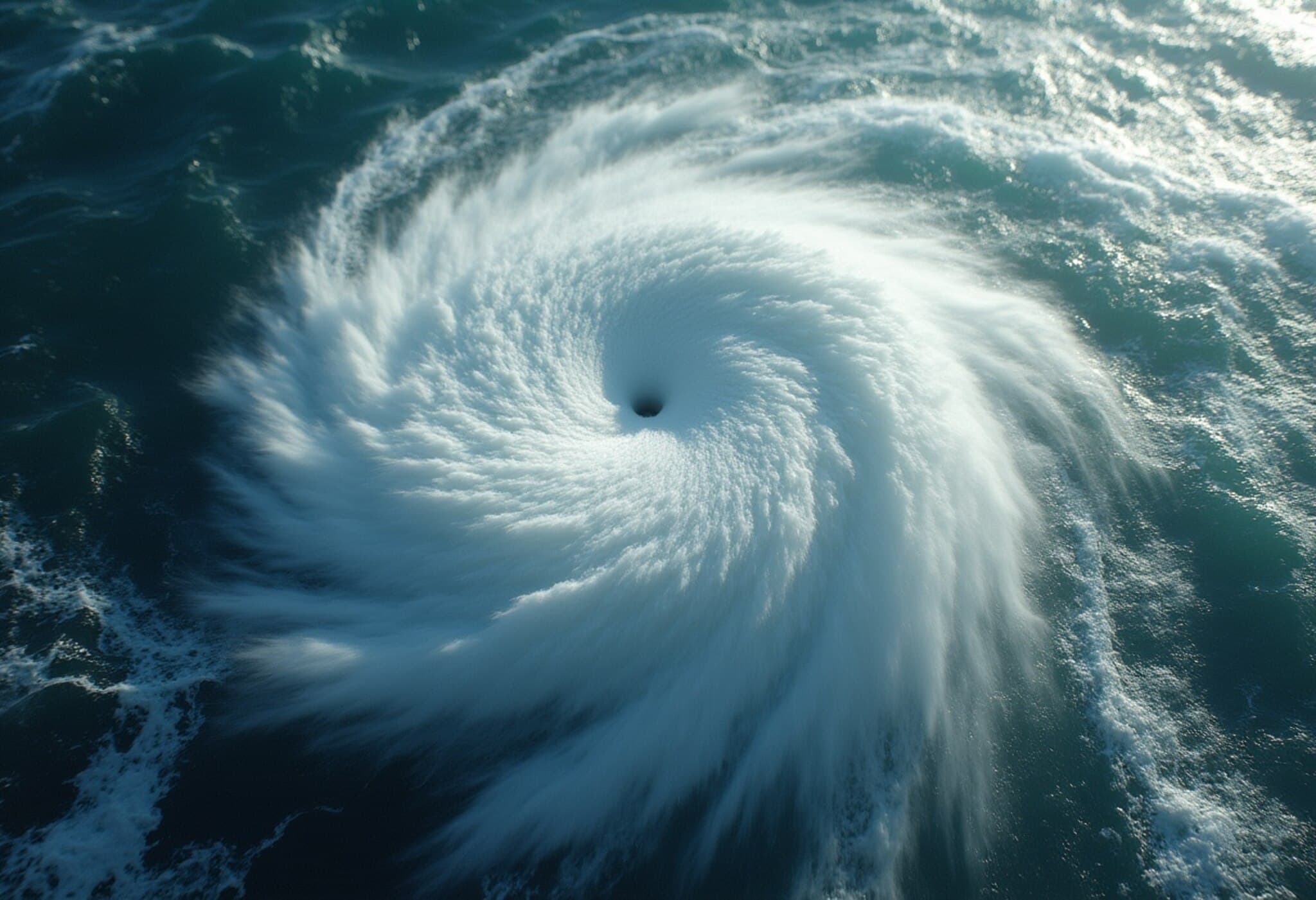
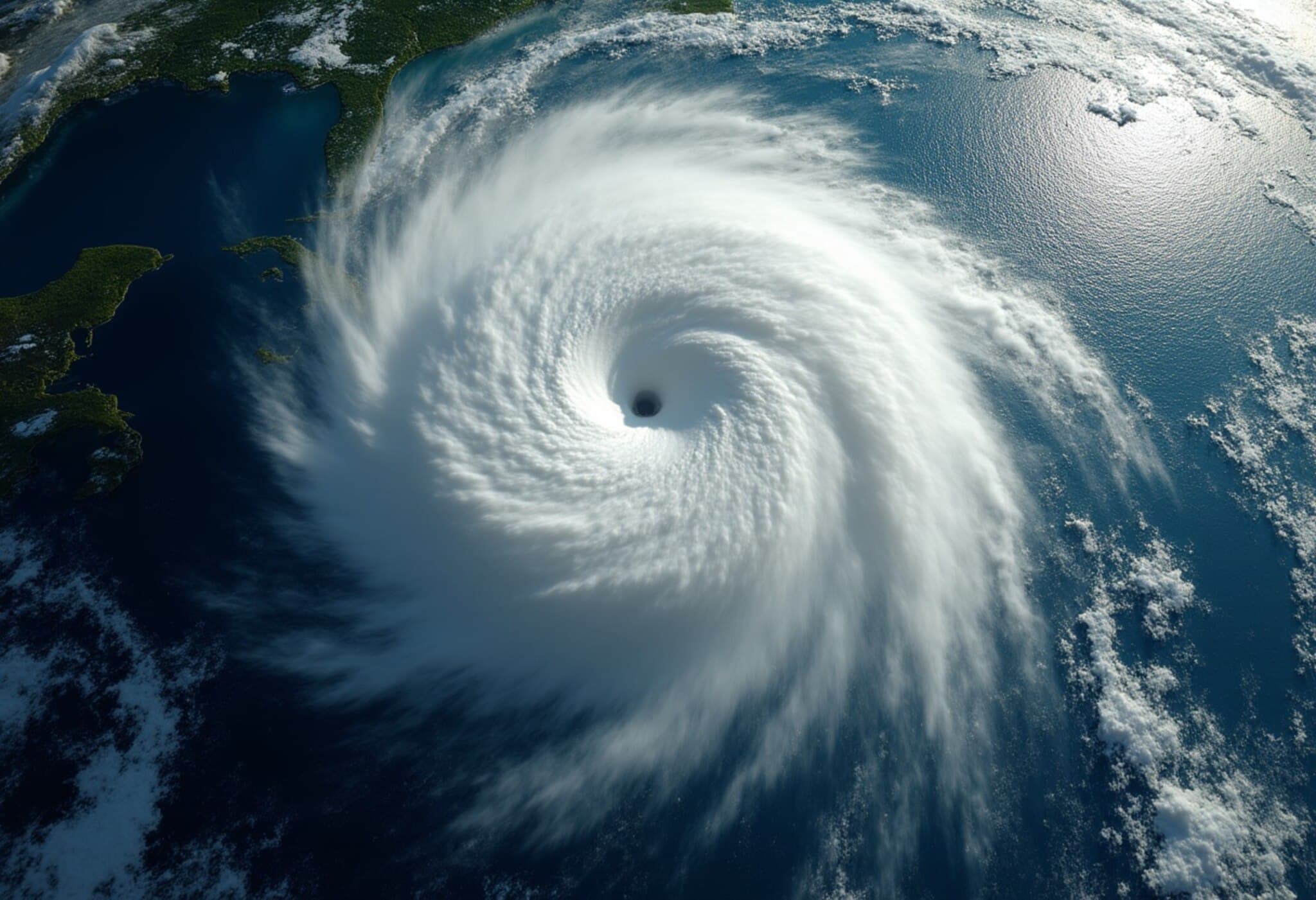
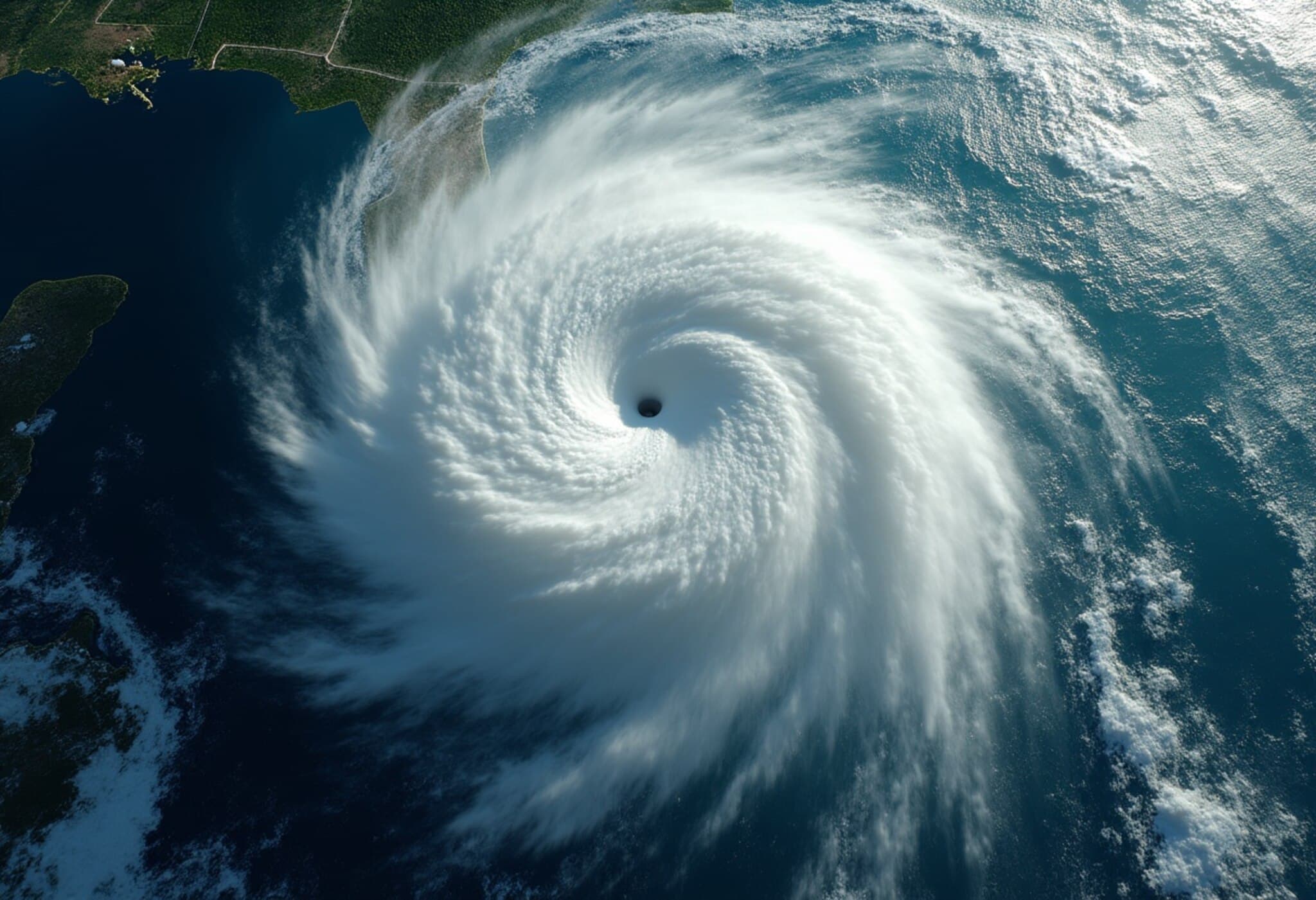
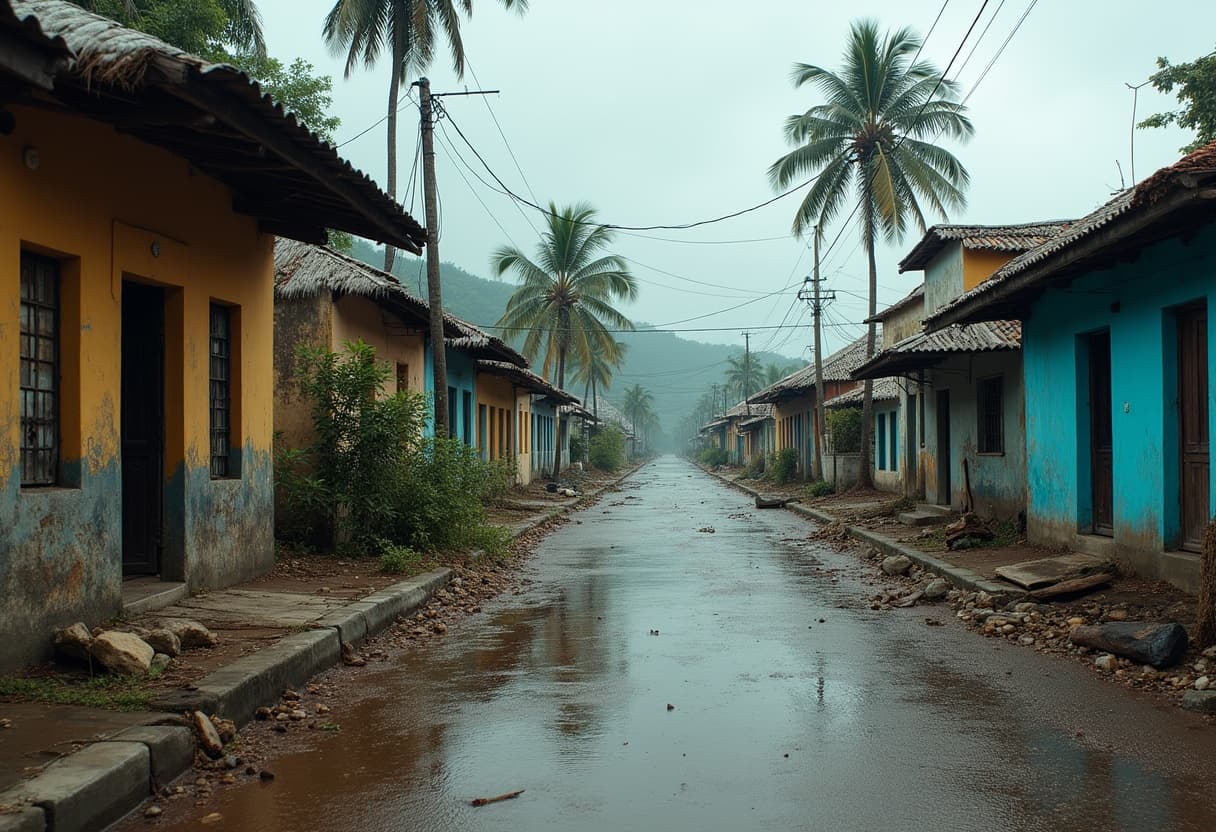
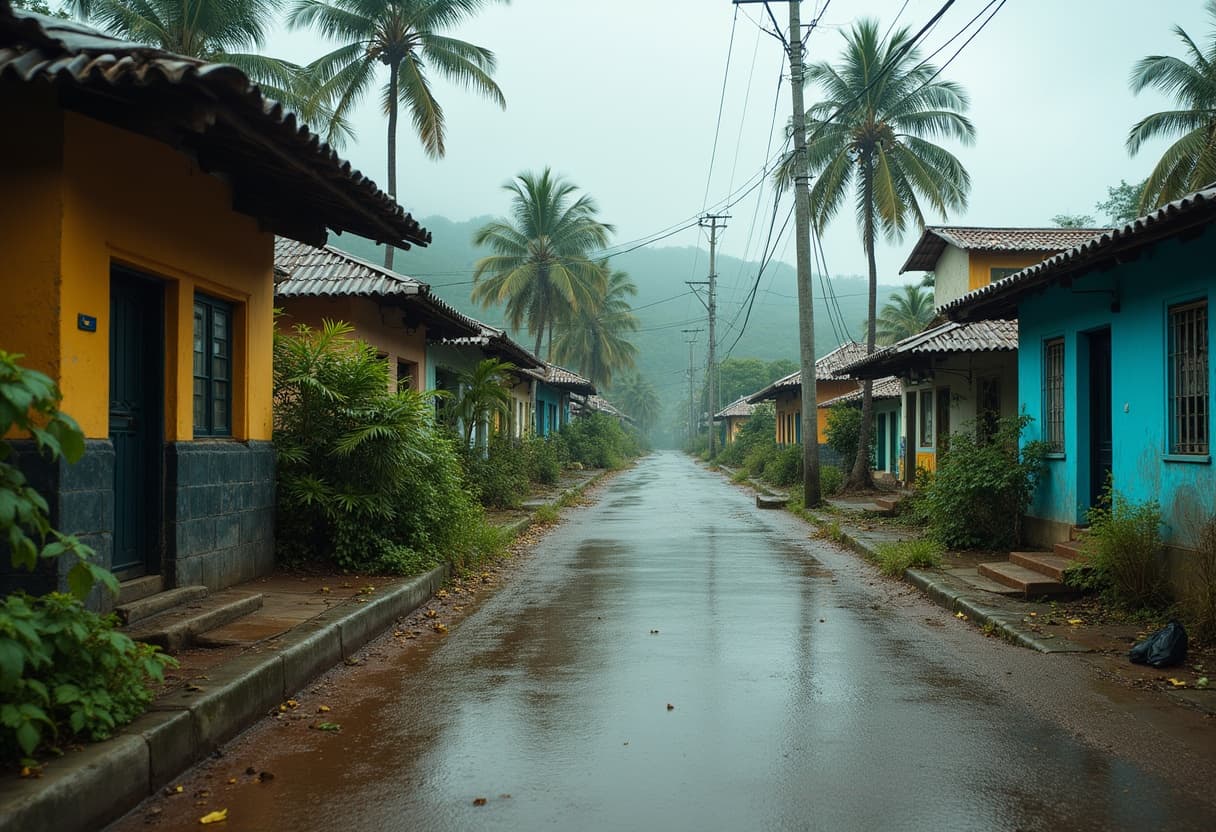
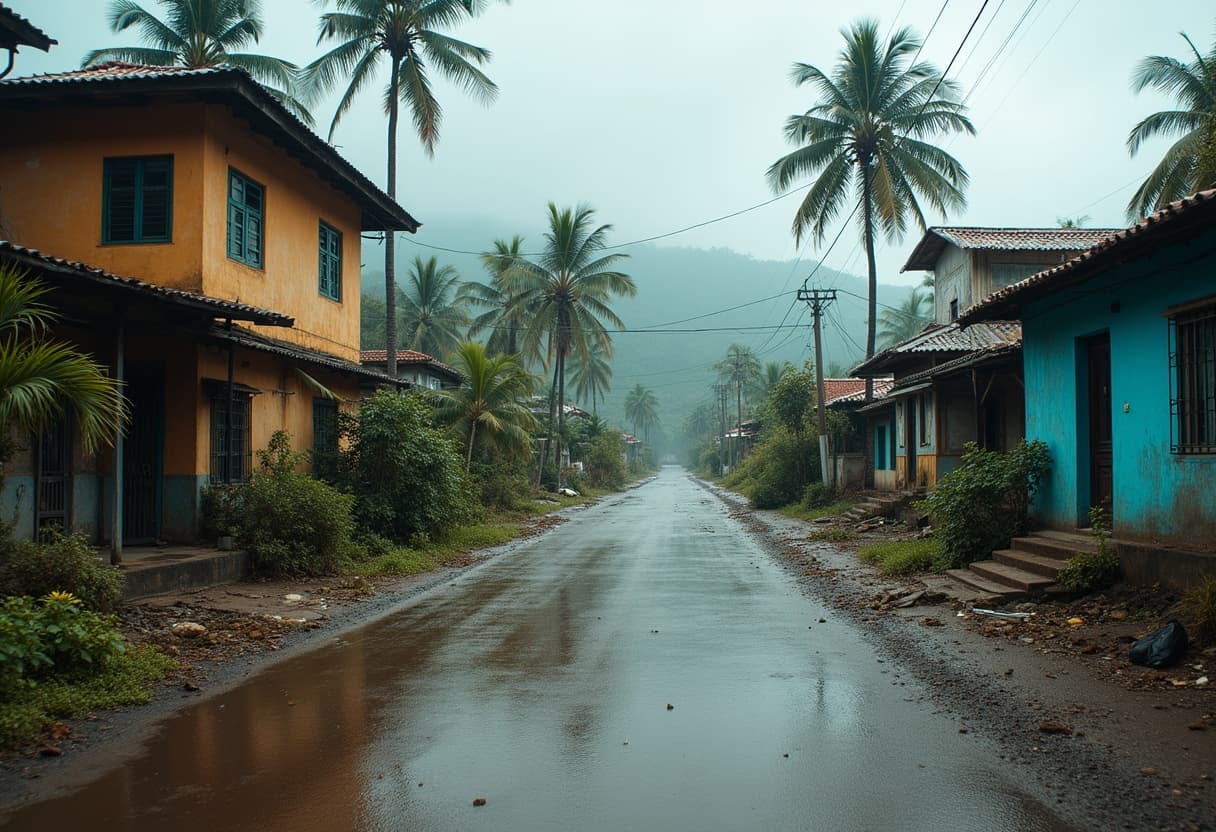
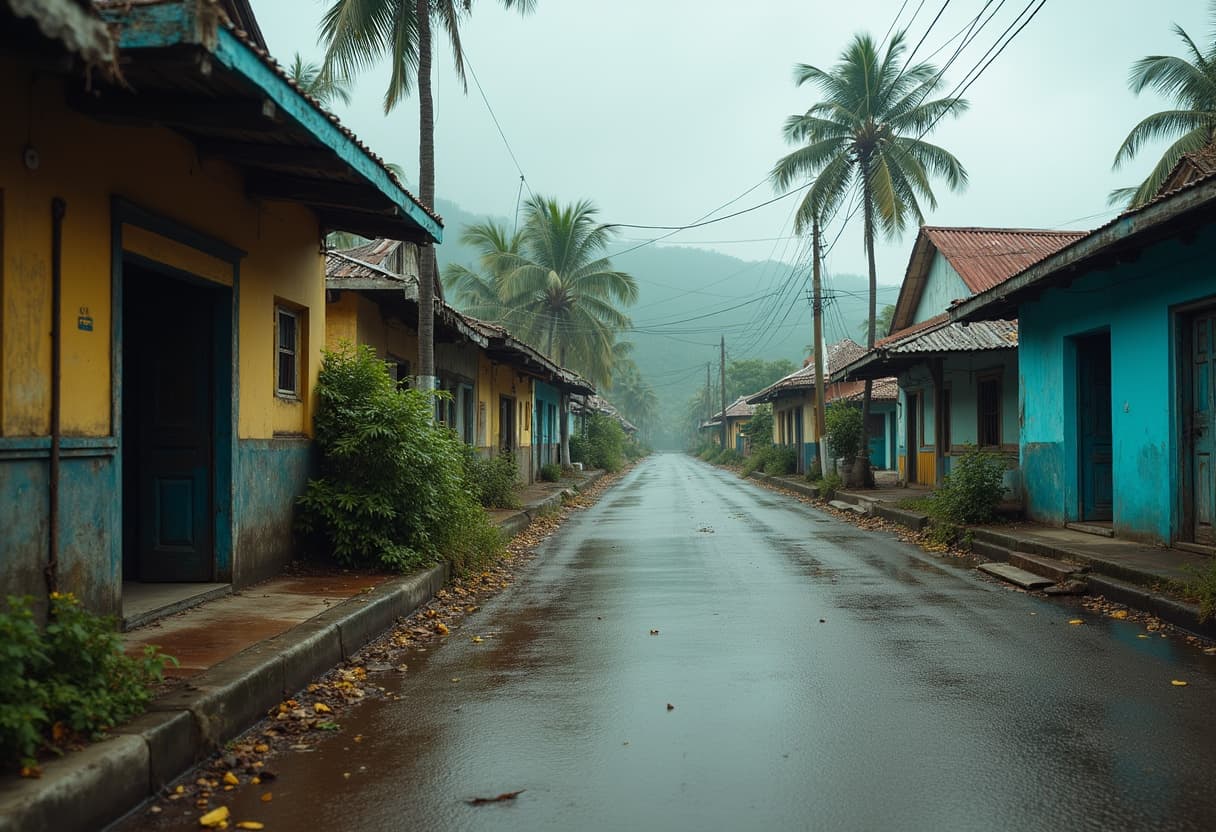
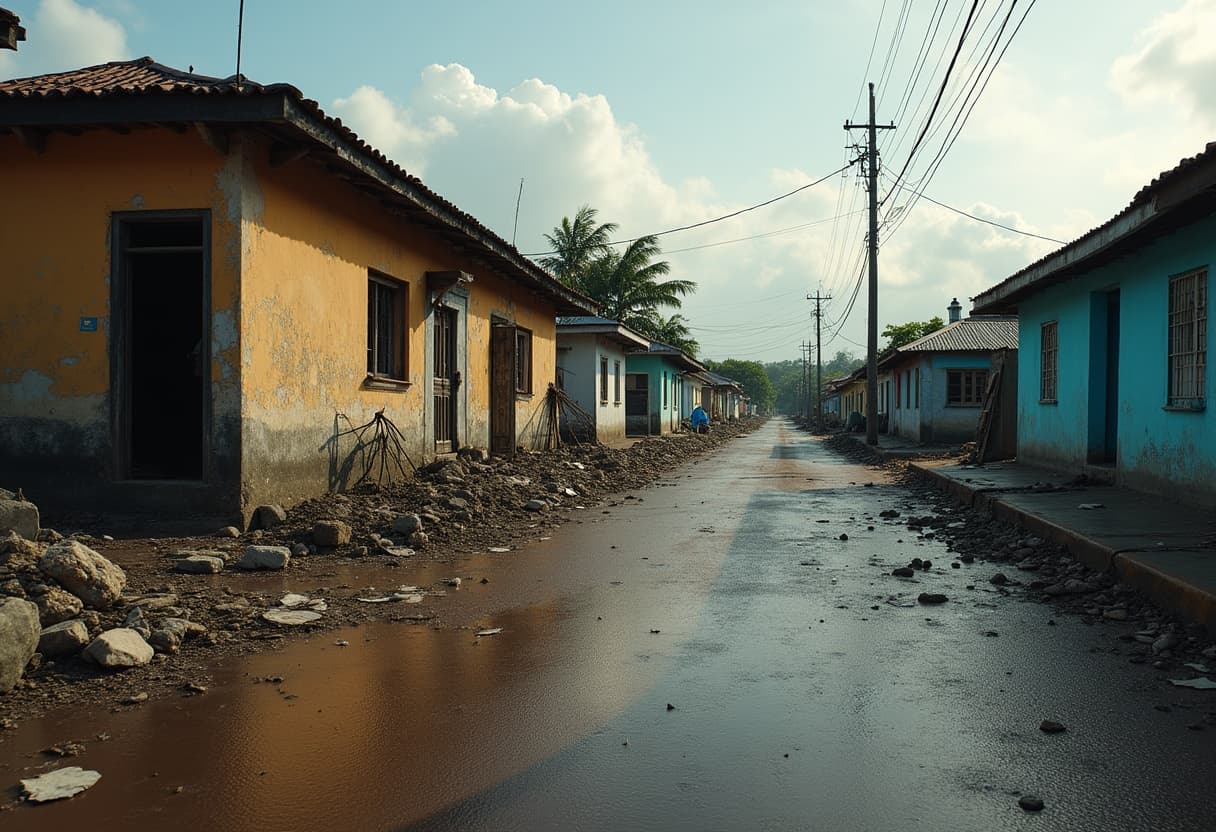
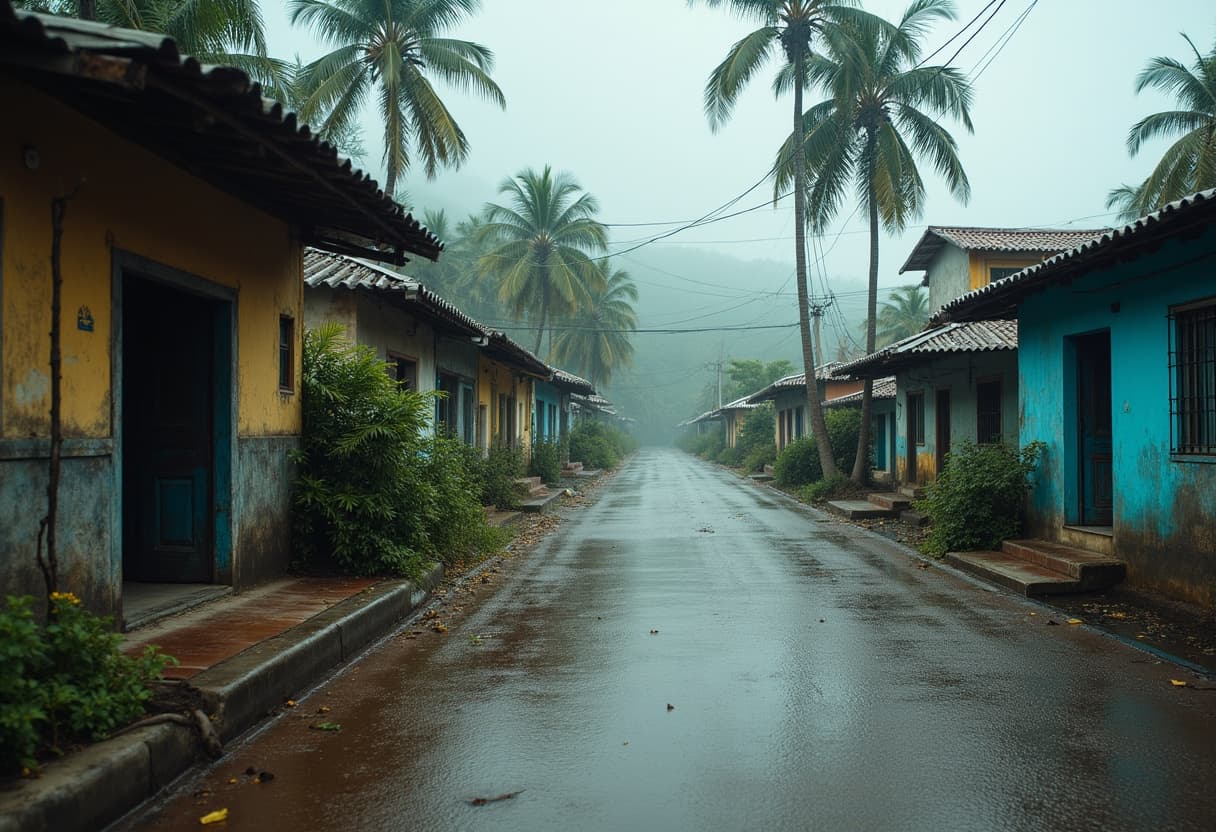
As Hurricane Melissa, the most powerful storm to threaten Jamaica in recent memory, barrels toward the island, both residents and tourists find themselves grappling with uncertainty and urgent safety measures. The storm’s impending arrival has already forced the closure of key airports and left many vacationers stranded, highlighting the island’s vulnerability amid a climate increasingly prone to severe hurricanes.
Tourists Stranded Amid Airport Closures and Limited Shelter
Amarie Davis, who arrived from New Hampshire for a much-anticipated holiday, was confined to her hotel in Trelawny parish as authorities shut down Sangster International Airport in Montego Bay starting Sunday. Meanwhile, Norman Manley International Airport in Kingston has also been closed since Saturday, preventing travel in and out of the country. Tourists like Ms. Davis found themselves improvising; unable to leave, they used their beds to barricade windows against the storm’s powerful gusts, an indication of how ill-prepared many accommodations are for such intense weather.
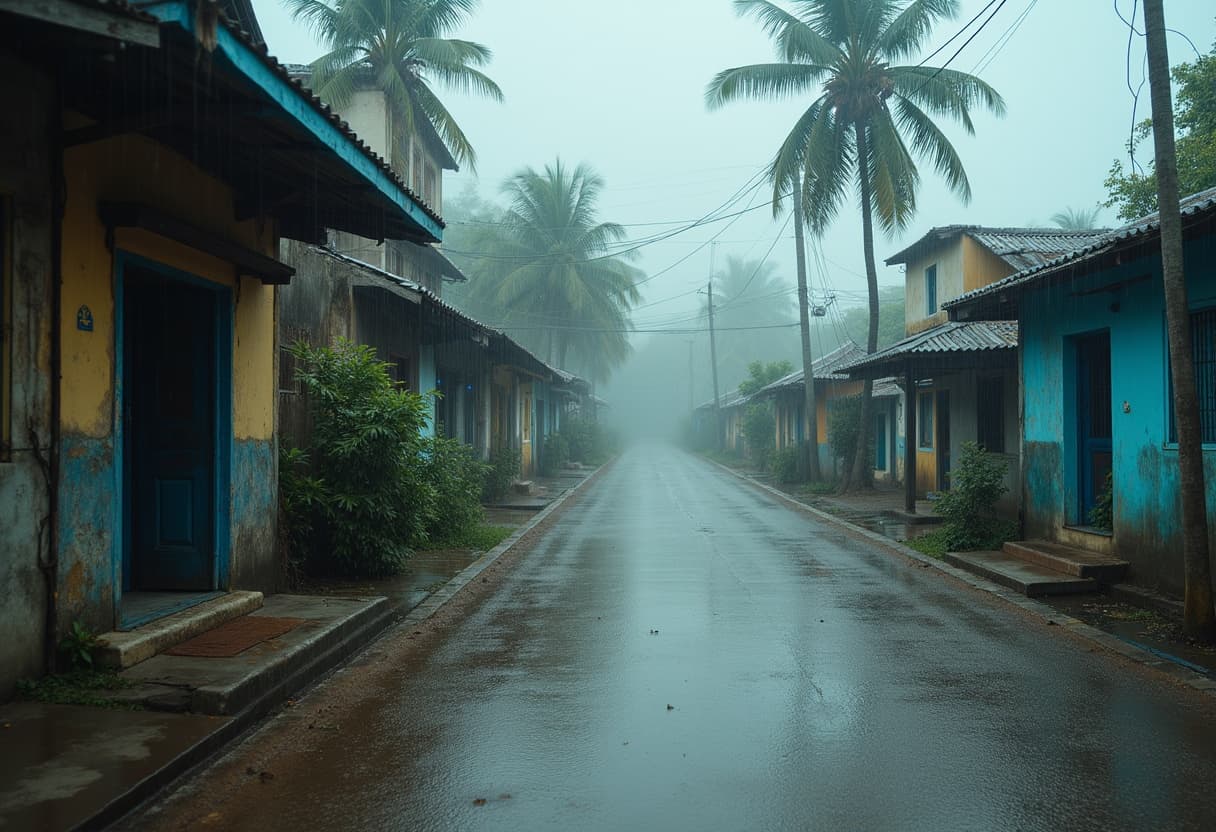
Photos circulating on social media reveal resorts lacking basic storm shutters—a concerning fact given official warnings of dangerous winds and potential rainfall of up to three feet. Jamaica’s reliance on tourism for roughly a third of its GDP underscores the economic stakes tied to Hurricane Melissa’s path. The infrastructural limitations and modest storm readiness reveal the pressing need for increased investment in resilient tourism facilities and disaster mitigation.
Community Evacuations and Safety Measures in Kingston
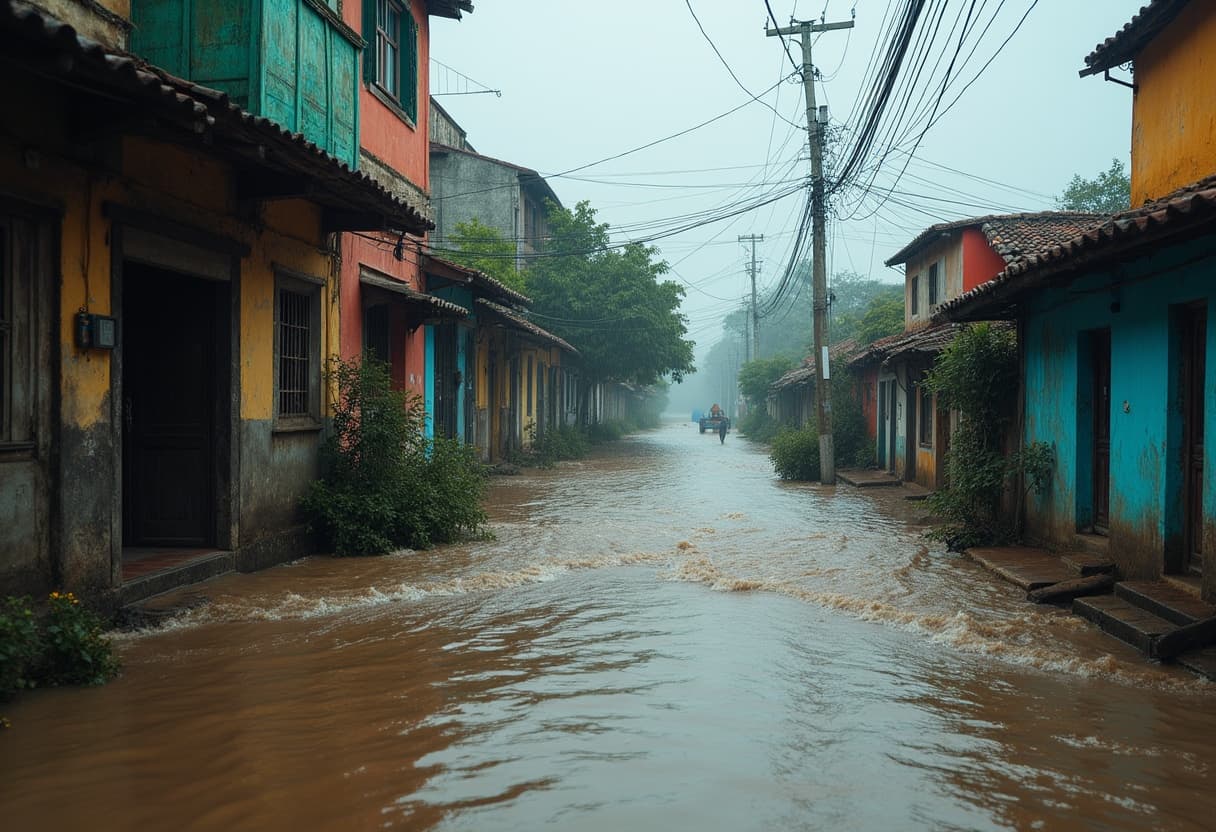
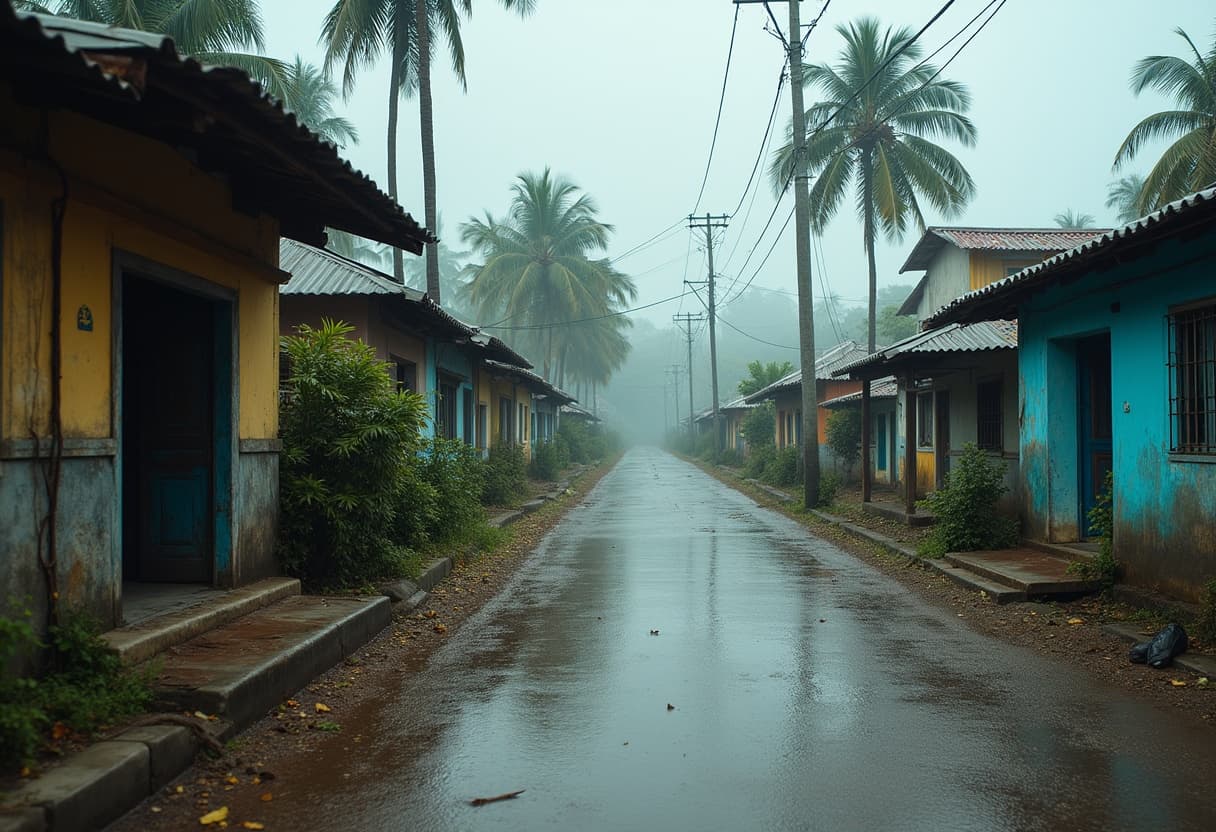
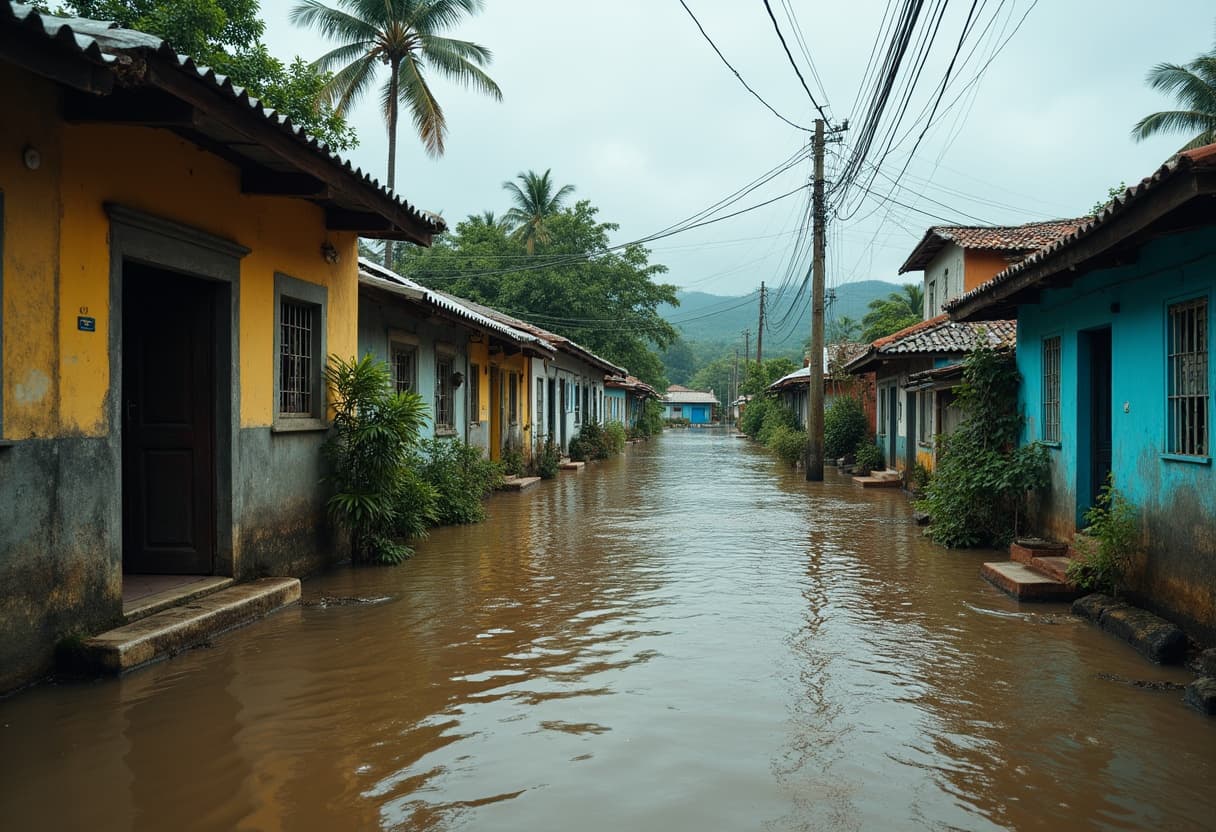
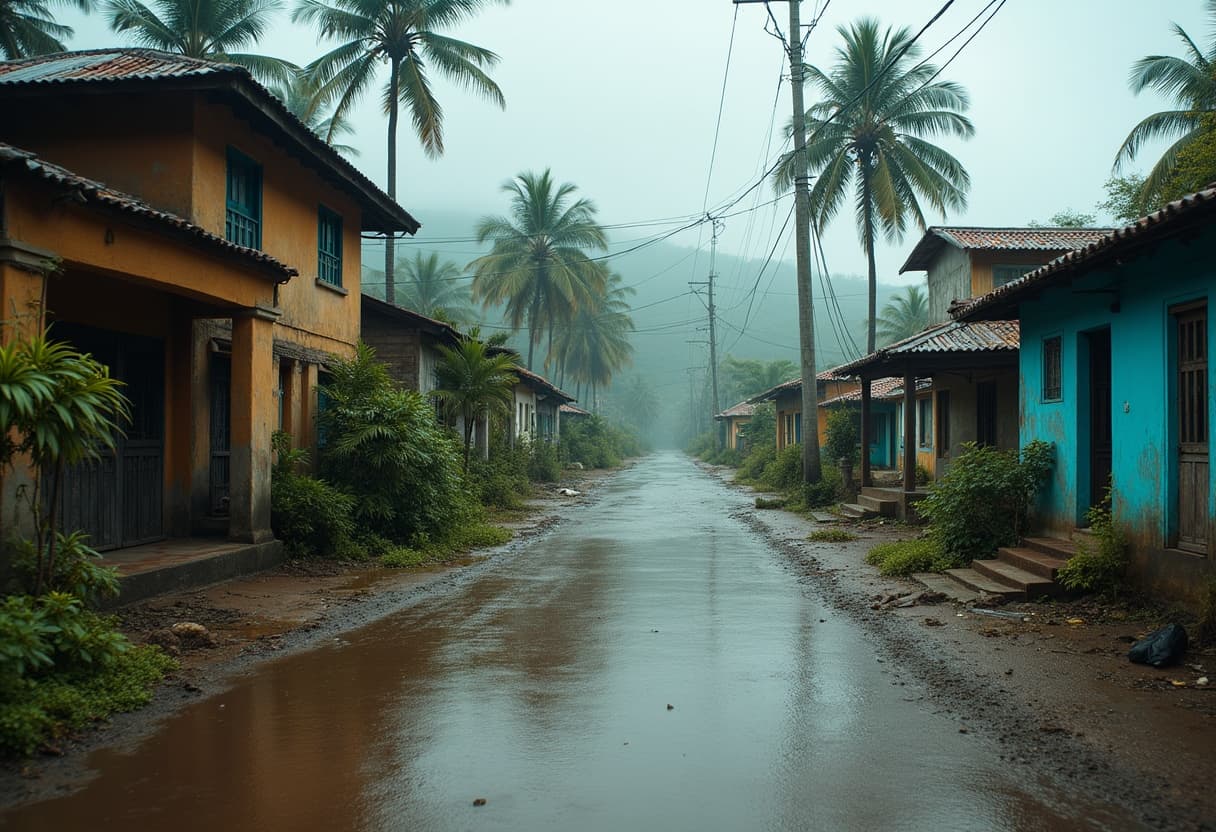
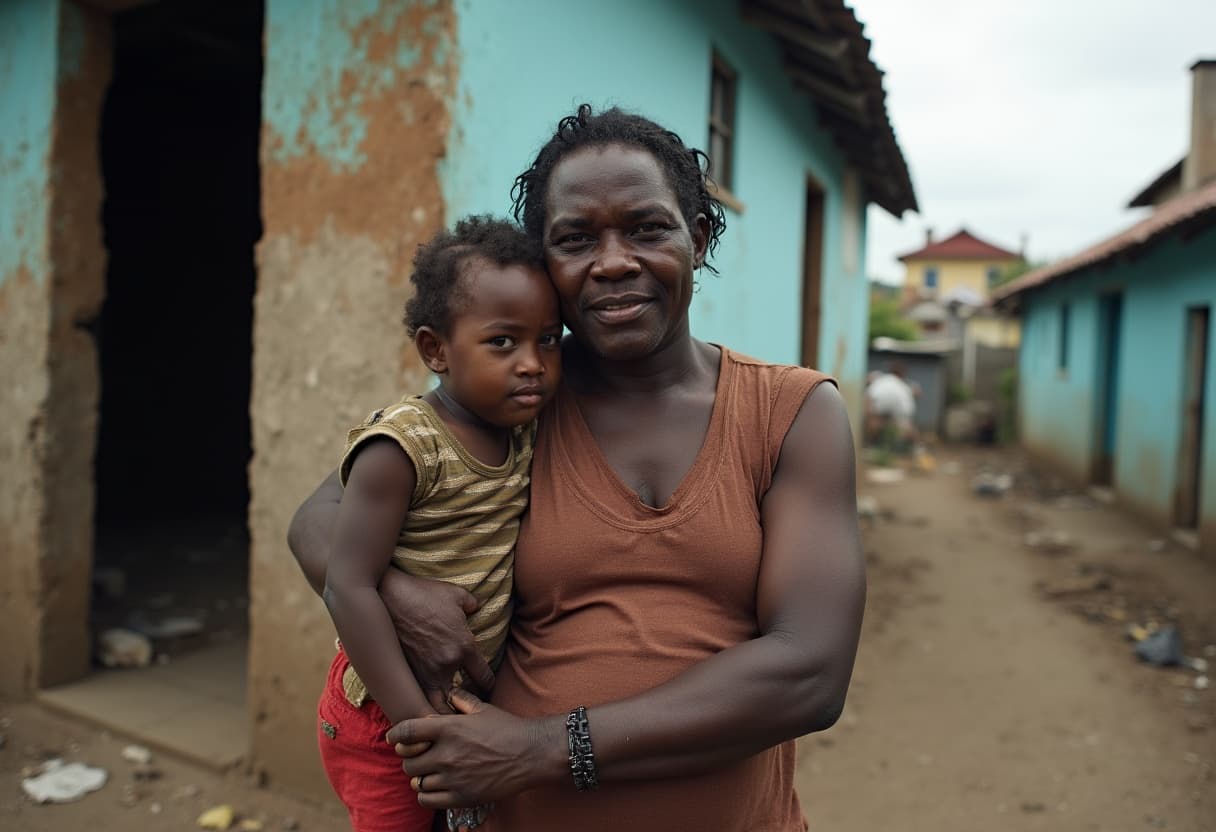
In the capital city, Kingston, Andrew Swaby, the mayor, took proactive steps to protect the city’s most vulnerable, relocating at least a dozen homeless individuals into shelters ahead of the storm. Swaby’s appeals particularly targeted Rae Town, a low-lying fishing community perched precariously near flood-prone gullies. Residents were urged to evacuate as the risk of storm surge and flooding loomed large.
Personal stories paint a poignant picture of the human impact. For example, Cincinnati resident Katrina Newman remains anxious after losing contact with her husband, a Kingston fisherman who had been assisting neighbors in boarding up homes before women and children were evacuated to Port Royal’s historic Naval Hospital on higher ground.
Resorts and Locals Find Community Amid Crisis
Despite the looming threat, there are moments of resilience and solidarity. Vacationers at various resorts were guided to stay indoors, with some staff organizing informal gatherings—playing music and entertaining children—to maintain morale. Social media videos of bustling dinner buffets and dancing staff offer glimpses of a community striving to maintain normalcy.
Expert Perspective: The Socioeconomic Impact of Hurricanes on Small Island Nations
Experts emphasize that Hurricane Melissa shines a spotlight on the broader challenges faced by island nations vulnerable to climate change. Beyond the immediate threat of wind and water, hurricanes disrupt critical sectors such as tourism, agriculture, and fisheries—pillars of Jamaica’s economy.
Dr. Elaine Thompson, a Caribbean climate resilience specialist, notes, "Hurricane Melissa is a stark reminder that small island nations must invest heavily in resilient infrastructure and emergency preparedness. This includes retrofitting resorts and public buildings to withstand future storms, implementing early warning systems, and supporting vulnerable communities with accessible shelters." She highlights that economic losses from such events can reverberate for years, underlining the necessity for comprehensive climate adaptation strategies.
Looking Ahead: What Hurricane Melissa Means for Jamaica’s Future
- Infrastructure Resilience: Upgrading tourist accommodations with storm-resistant features to safeguard visitors and the local economy.
- Community Preparedness: Strengthening evacuation protocols, especially for at-risk coastal and fishing communities.
- Climate Adaptation Policies: Government and private sectors collaborating on sustainable practices to mitigate hurricane impacts.
- Mental Health Support: Addressing the psychological toll on displaced residents and stranded tourists during such crises.
Conclusion
As Hurricane Melissa continues its approach, Jamaica faces not only the immediate hazards of nature’s wrath but also a pivotal test of its preparedness and resilience. This event underscores an urgent call for enhanced disaster readiness and sustainable development in hurricane-prone regions. Both residents and visitors are reminded to stay vigilant, adhere to official guidance, and support each other through this daunting chapter.
Hurricane Melissa’s arrival reveals the intertwined challenges of climate vulnerability and economic dependence on tourism for Jamaica. This storm prompts critical reflection on long-term strategies to protect both human lives and livelihoods. Readers are encouraged to consider how small island nations can balance growth with sustainability in an era of increasingly volatile weather patterns.