Javier Milei's Landmark Victory: A Turning Point for Argentina
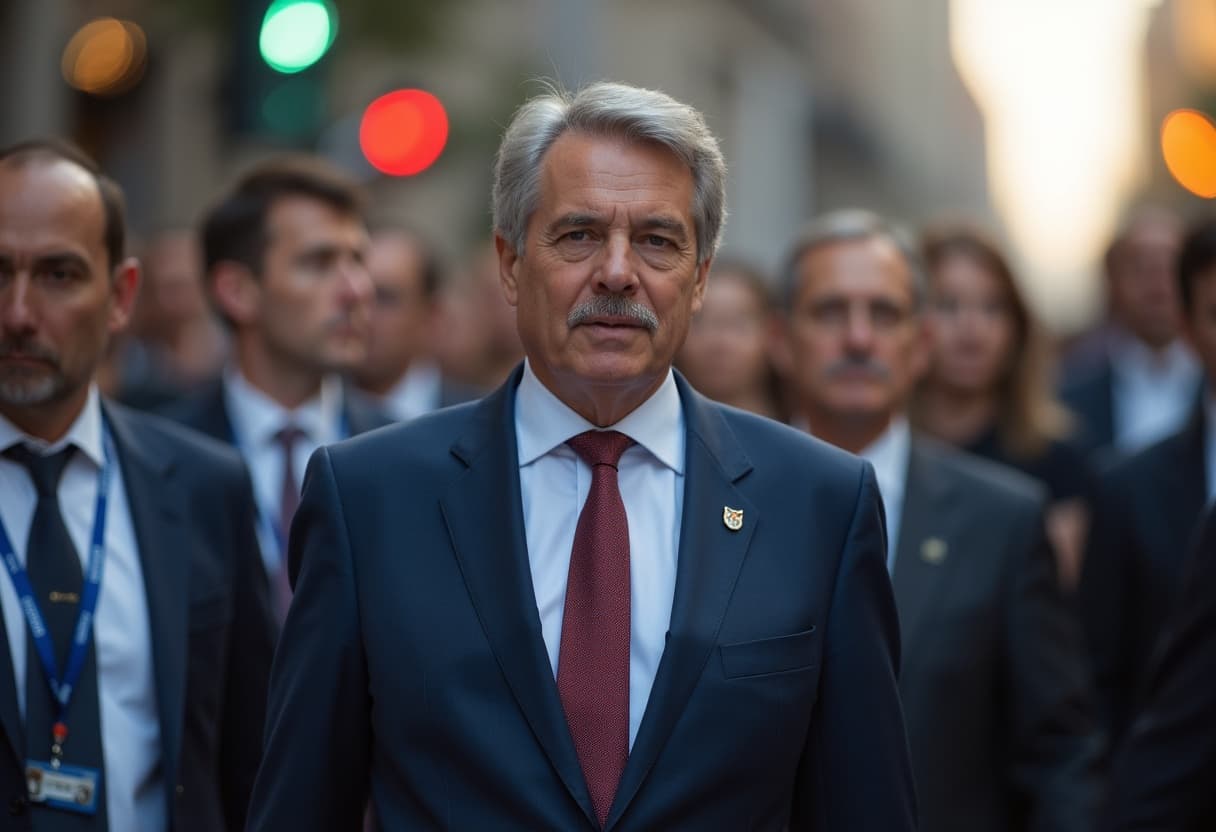
In an election that sent ripples from the southernmost tip of Patagonia to the vast Pampas plains, Argentina’s President Javier Milei secured a decisive legislative win on October 27, 2025. This victory not only fortified his political mandate but also underscored a growing alignment with the United States amid an ambitious overhaul of Argentina’s economy.
The US Reaction: Trump Administration Sees Its Strategy Validated
Half a world away in Washington, the Trump administration greeted Milei's win as a vindication of its foreign economic policies. Treasury Secretary Scott Bessent praised the election results, framing them as a triumph of the administration’s approach to fostering peace through economic strength. Just weeks prior, the US had extended a generous $20 billion financial lifeline to Argentina to stabilize its fragile economy.
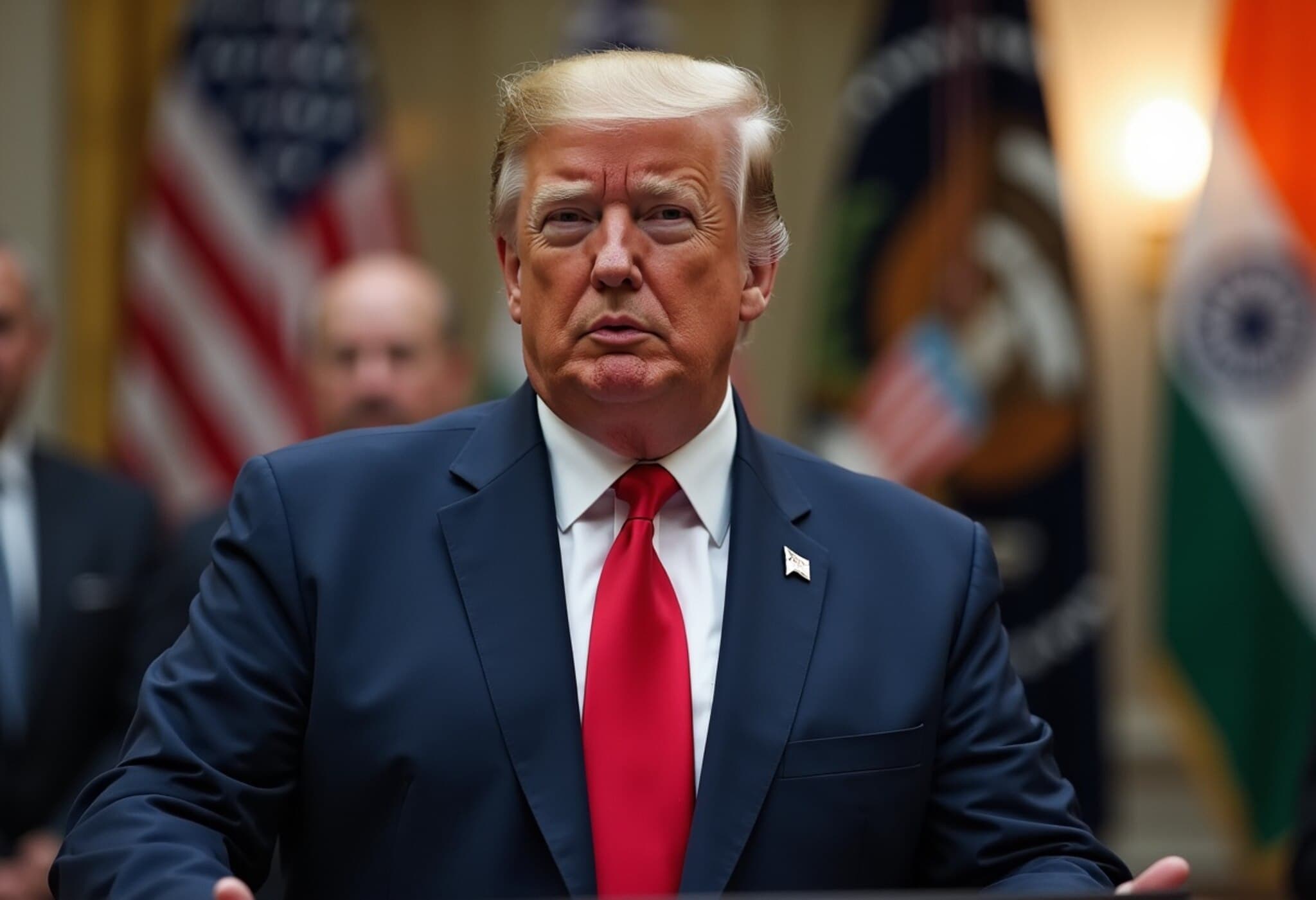
Former President Donald Trump himself credited his administration’s support for the victory, remarking during an Asian diplomatic tour, “Mr. Milei had a lot of help from us. We’re getting a real strong handle on South America.” This statement signals a renewed US interest in deepening ties and influence across Latin America through economic cooperation.
Economic Repercussions: Markets Cheer Milei’s Vision
Financial markets responded enthusiastically to Milei's triumph, with investor sentiment buoyed by expectations of bold reforms. Known for his libertarian economic ideology, Milei’s agenda promises radical deregulation, sweeping austerity, and a commitment to rooting out systemic corruption. Though recent weeks have challenged his administration due to scandals and public unrest against austerity, this robust public endorsement could provide the political capital needed to push transformative policies.
Political Context: Why This Election Matters
- Public disenchantment: Before the vote, Milei’s cabinet faced criticism for austerity-driven hardships and allegations of corruption, creating widespread public skepticism.
- Regional implications: Milei’s victory represents a broader ideological shift in Latin America, as nations grapple with economic instability and look for new models of development.
- US-Latin America relations: The election reinforces the Trump-era belief that economic strength and strategic financial partnerships are essential tools to stabilize and influence the region.
Expert Insight: What Lies Ahead for Argentina and the Americas?
Policy analysts highlight that Milei’s win is both an opportunity and a risk. On one hand, his close alignment with the US could attract vital investment and international support, fostering long-term growth. On the other, the social fabric remains fragile, and abrupt economic reforms might exacerbate inequality or ignite unrest if not carefully managed.
Moreover, this election invites reflection on the role of the United States in Latin America: Is economic assistance effectively promoting sustainable development, or could it inadvertently entrench dependency and political volatility? Milei’s administration will be a critical case study in balancing sovereignty with foreign partnerships.
Looking Forward: An Era of Change?
Argentina stands at a crossroads. With international backing and a fresh mandate, Milei has the opportunity to redefine the nation’s place in the global economic order. Whether this translates to prosperity or polarization will depend largely on how his government navigates the complex challenges ahead—economic reform, social unrest, and geopolitical dynamics.
Editor’s Note
Javier Milei’s sweeping legislative victory marks a pivotal moment for Argentina and US-Latin America relations. While the financial injections and political support from the Trump administration may provide immediate relief and momentum, the sustainability of embracing radical economic reforms in a country fraught with social and political complexities remains uncertain. Readers should watch closely how this partnership evolves amid broader questions of national sovereignty, economic justice, and regional stability.