Trump’s High-Stakes Endorsement of Argentina’s Milei
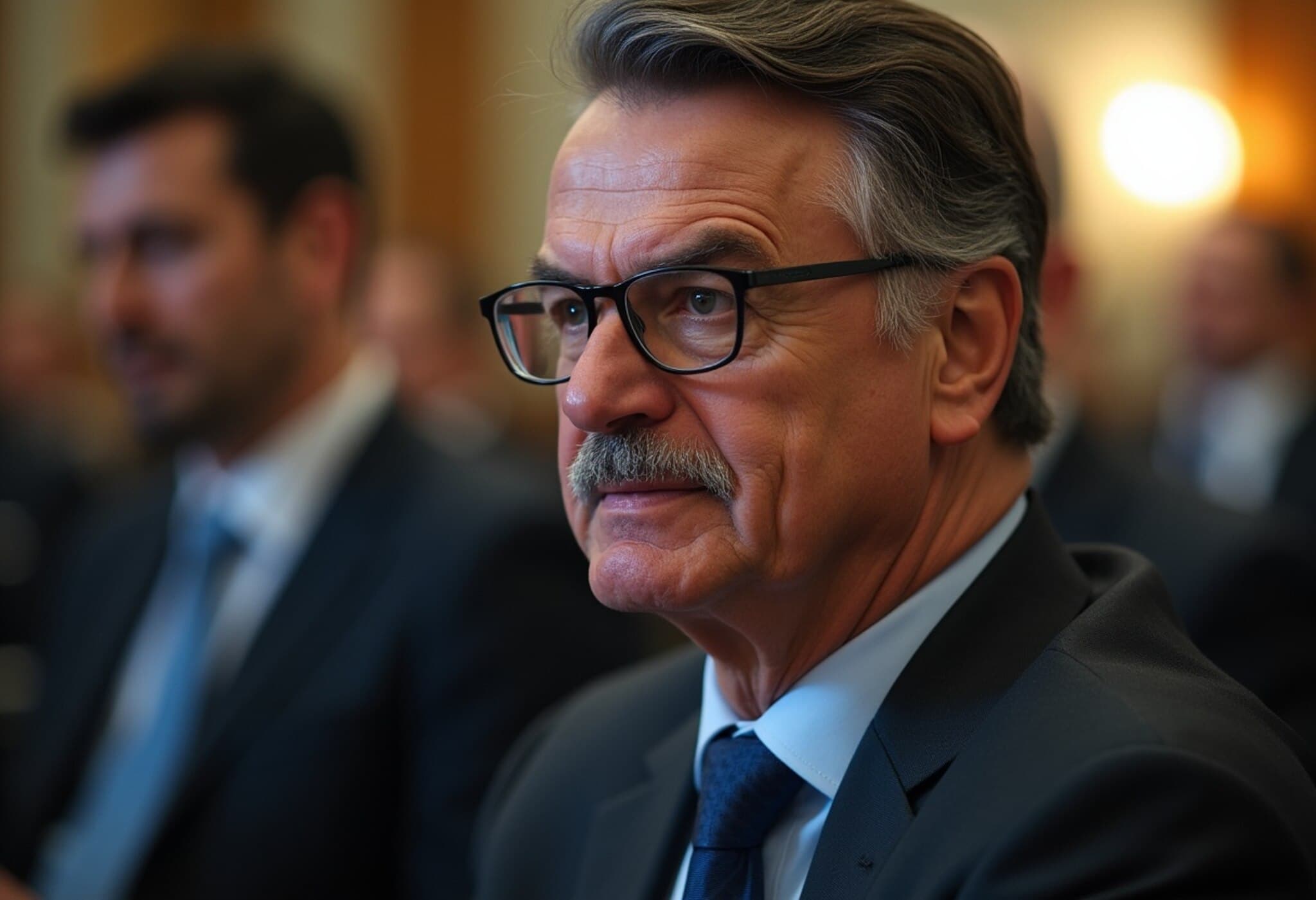
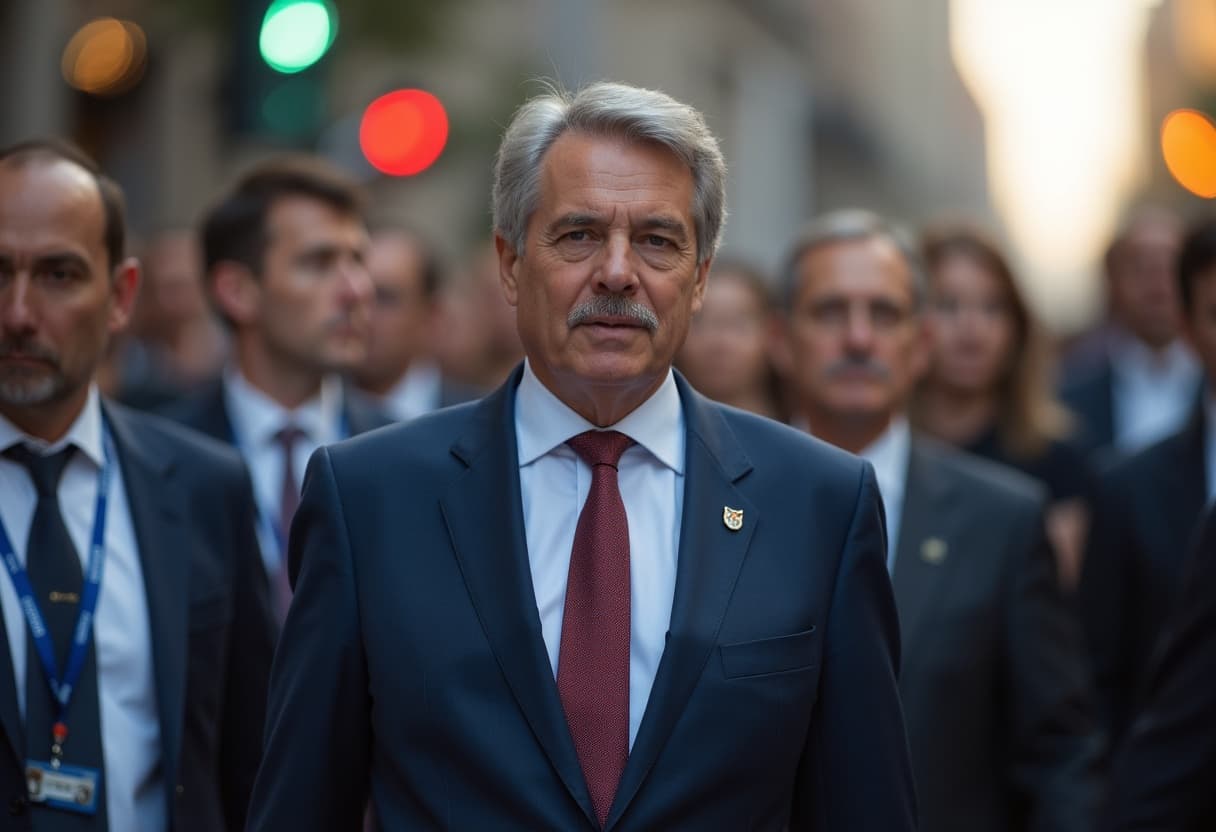
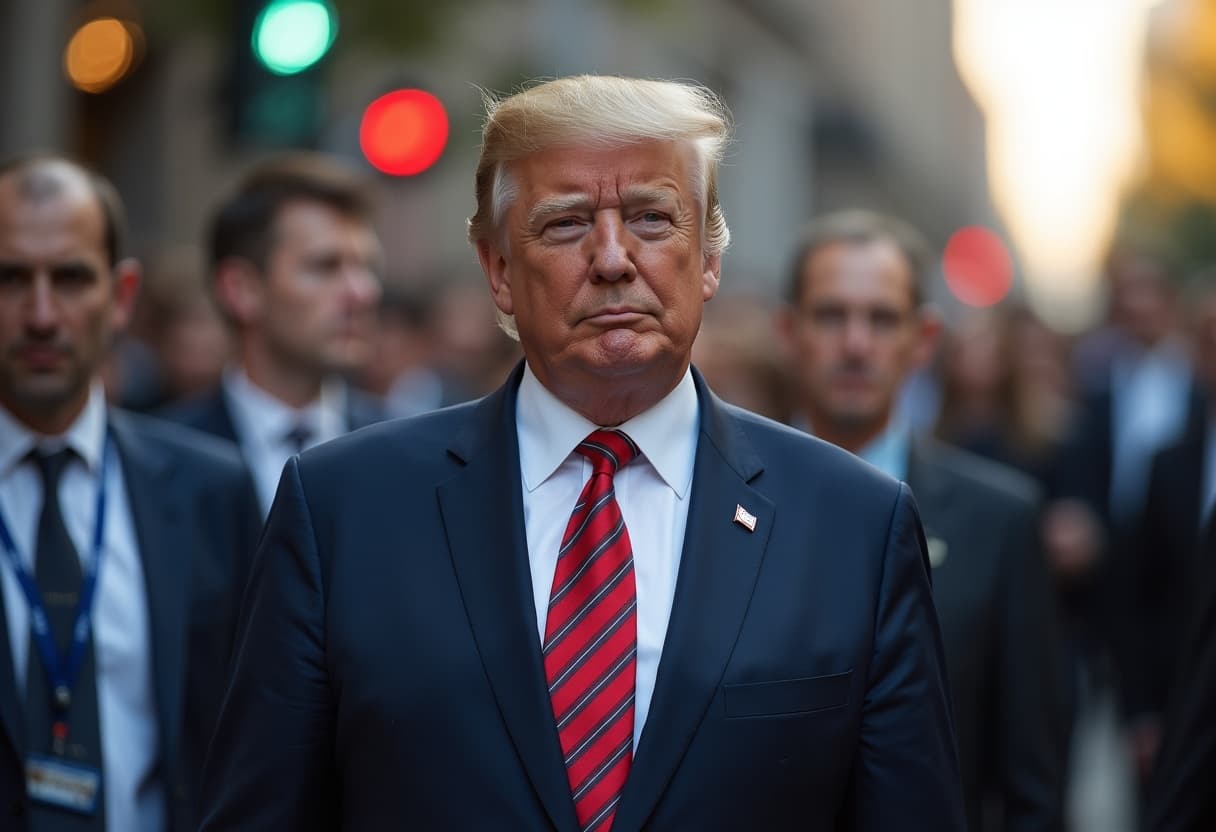
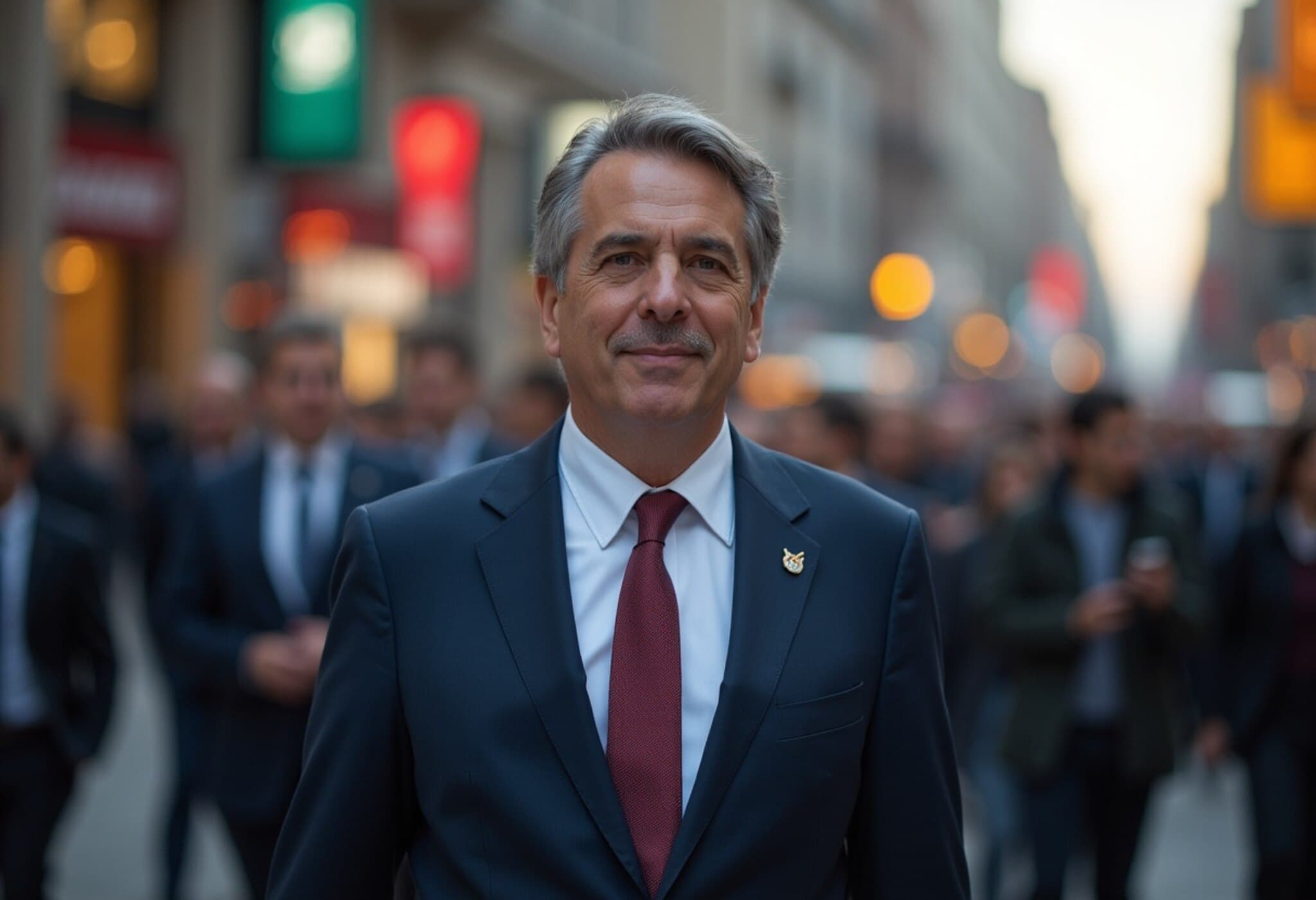
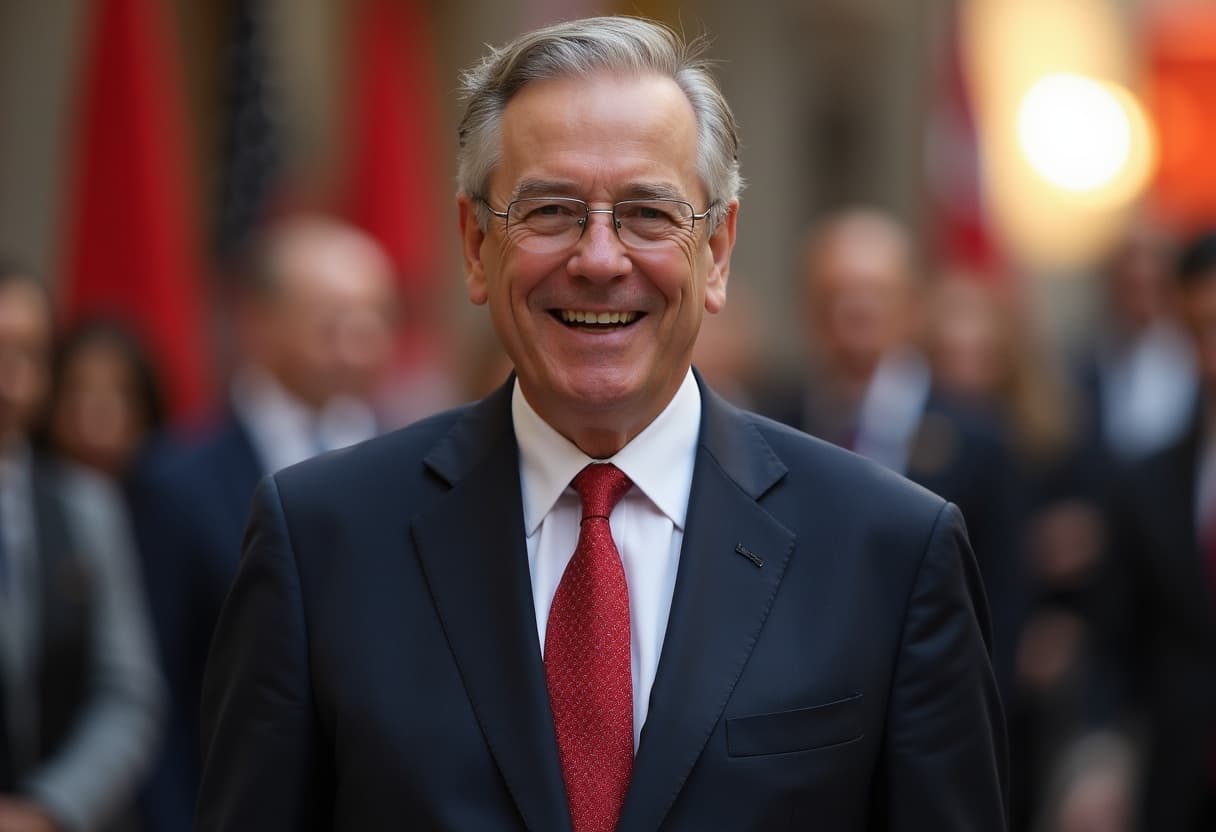
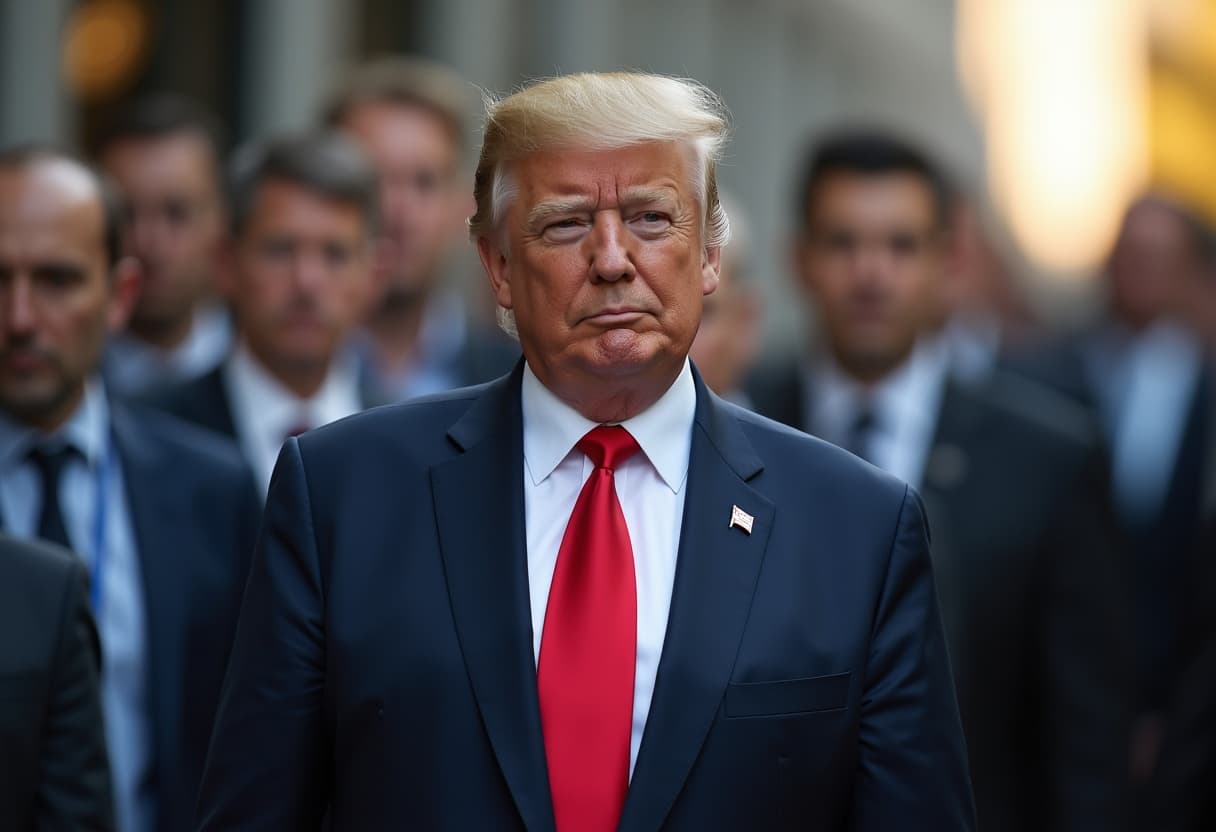
Last week, Argentine President Javier Milei shared more than just a meal with former U.S. President Donald Trump at the White House. In an exchange laced with mutual praise and symbolic gifts, Milei secured a commitment of billion-dollar support from the United States, signaling a strong international backing for his administration’s ambitious agenda. This alliance between the fiery libertarian leader and Trump, a figure closely identified with conservative and populist politics, highlights an intriguing geopolitical alignment that could reshape economic relations in the Americas.
The Domestic Reality: Milei’s Midterm Challenge
However, Milei’s political honeymoon with Washington contrasts sharply with the mood on the streets of Argentina. Returning home, the president faced a pivotal legislative election, a make-or-break moment that tests his popularity amid mounting skepticism. Donning a leather jacket and wielding a megaphone from atop a pickup truck, Milei campaigned in Córdoba, Argentina’s second-largest city, addressing crowds that included fervent soccer fans and farmers grappling with economic uncertainty.
“We’re at a turning point in Argentina’s history,” Milei declared, appealing to a diverse, and sometimes deeply divided, constituency. His supporters, sporting Lionel Messi jerseys and Trump-inspired MAGA caps, illustrate the coalition he is building. Yet, for many Argentines, the president's tenure has been marked by economic hardship and persistent political scandals.
Economic Turmoil and Public Discontent
Argentina has long struggled with economic volatility, characterized by high inflation, currency instability, and rising unemployment. Milei’s free-market, anarcho-capitalist policies — unique in the region — aim to overhaul this status quo dramatically. But the public remains skeptical about whether these radical reforms will translate into tangible improvements in daily life.
Recent job losses, a cost-of-living crisis, and ongoing corruption investigations have fueled voter anger. In many ways, the midterm elections serve as a referendum on whether Argentines believe Milei’s vision can rescue the country or exacerbate its woes.
International Ramifications and Economic Stakes
The midterms have drawn outsized international attention, especially because the promised $20 billion U.S. financial lifeline hinges on electoral outcomes. Experts warn that this funding is contingent not just on Milei’s continued presidency but on a legislative platform that supports his economic overhauls. The global financial market closely watches these developments, knowing Argentina’s economy historically plays a significant role in regional stability.
For U.S. policymakers, supporting Milei is a strategic gamble amid shifting alliances in Latin America. It reflects a broader effort to counterbalance influences from China and Russia, who have strengthened ties with other countries in the region.
Expert Insight: What’s Next for Argentina?
Political analysts caution that while Milei benefits from international endorsements and a mystique of transformative leadership, the ground realities remain complex. The election’s outcome will either grant him the mandate to push through sweeping reforms or force a recalibration of his approach.
Moreover, Milei’s flamboyant style and incendiary rhetoric — reminiscent of his counterpart Trump — have energized a significant but polarized section of society. The critical question is whether this energized base can overcome deep-rooted economic grievances and skepticism from moderate parties.
Underreported Perspectives
- The Role of Youth Voters: Many young Argentines express mixed feelings about Milei, torn between hope for economic revival and fear of social inequality increasing.
- Regional Integration Issues: How Milei’s policies align with South American economic blocs like Mercosur remains underexplored but crucial for future trade.
- Corruption and Institutional Trust: Voter anger partly stems from decades of corruption scandals, making the transparency of Milei’s administration a hot topic.
Conclusion: A Nation at a Crossroads
As Argentina braces for a decisive election, the world watches not just for political drama but for signals about the future of economic governance in a country long synonymous with instability. President Milei stands at a crossroads — backed by powerful international allies but facing a deeply uncertain domestic terrain. The choices Argentine voters make in the coming days will echo far beyond their borders, influencing regional alliances, global markets, and the promising yet precarious path of economic reform.
Editor’s Note
Argentina’s midterm election is more than just a local political event; it’s a litmus test for the viability of radical economic reforms backed by powerful international players amid widespread public skepticism. As Milei navigates the turbulent waters of voter expectations and global commitments, readers should ask: To what extent can foreign support influence domestic legitimacy? And can Argentina’s political institutions sustain transformative change without deepening social divides?