When Tradition Meets Sustainability: A Culinary Clash in the Heart of the Amazon
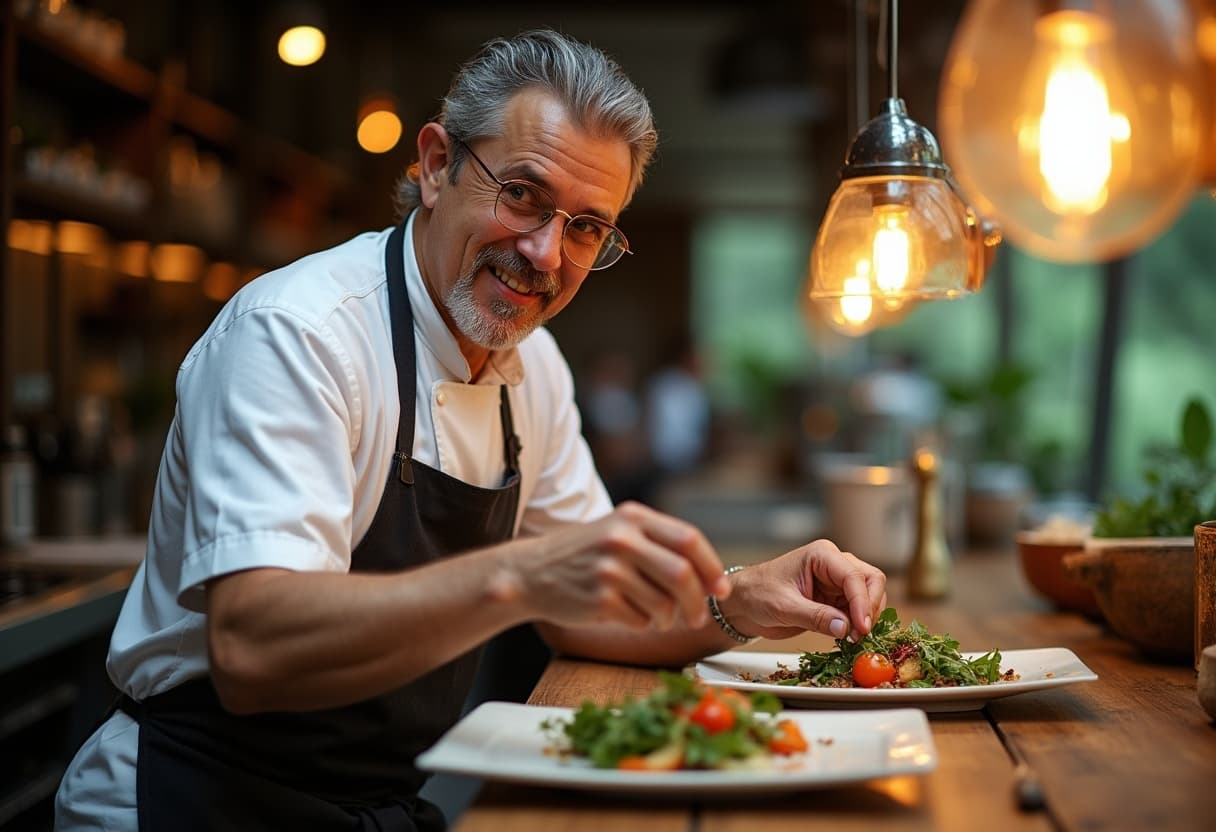
In early November 2025, Rio de Janeiro was set to host a prestigious environmental awards ceremony organized by Prince William, heir to the British throne, with 700 guests expected to attend. At the center of a surprising controversy was Saulo Jennings, a celebrated Brazilian chef known internationally for his dedication to sustainable Amazonian cuisine and his reverence for the region’s rich culinary heritage.
The Vegan Menu Demand Sparks Dispute
Initially honored to be invited, Chef Jennings planned to highlight one of the Amazon’s ecological and gastronomic treasures: the pirarucu, a giant freshwater fish emblematic of the local diet and culture. However, his enthusiasm was dampened when he was informed by the event organizers that the dinner’s menu needed to be 100% vegan — prohibiting not only meat and fish but all animal-derived products like dairy and honey.
“It was like asking Iron Maiden to play jazz,” Jennings lamented in a candid interview, expressing deep frustration over what he perceived as disrespect toward his culinary tradition and the Amazon’s indigenous foodways. He initially proposed including vegan options but was told no animal ingredients would be allowed at all. Ultimately, the negotiation broke down, and Jennings stepped back from the role of caterer.
Cultural Identity and Culinary Integrity
Jennings’ response spotlighted a broader challenge facing sustainability initiatives today: how to balance environmental priorities with respect for regional cultures and traditional practices. As a U.N. gastronomy ambassador, he champions a sustainable approach grounded in indigenous knowledge and the selective use of natural resources, including pirarucu fishing which has seen conservation success through regulated community efforts.
This nuanced approach contrasts with strict veganism, which excludes locally sustainable animal products that have supported Amazonian communities for generations. As Jennings put it, “We eat whatever the forests give us, whatever the rivers give us. Some days, we eat fish. Other days, we eat nuts and açaí. This is also sustainable.”
Beyond the Headlines: What Really Happened?
Despite the public controversy, sources close to the Earthshot Prize event clarified that Prince William was not involved in menu decisions and that the event traditionally opts for vegetarian menus (excluding meat and fish but not dairy or honey) as part of its environmental commitment. The ultimate reason Jennings was not selected appeared to be budget constraints, rather than an absolute veto on fish dishes.
This episode raises important questions about how high-profile climate initiatives define “sustainable food.” The debate centers on whether excluding all animal products aligns with sustainability, especially in regions like the Amazon where traditional harvesting methods promote ecological balance.
Conservation Success: The Pirarucu Story
- Pirarucu: A prehistoric fish that can grow up to 440 pounds, once endangered due to overfishing and illegal hunting.
- Sustainable Management: Indigenous and local communities have successfully implemented regulated fishing practices, safeguarding pirarucu populations.
- Economic Impact: This has fostered sustainable livelihoods and supports chefs like Jennings in creating authentic Amazonian cuisine that honors ecology and culture.
Looking Forward: A Platform for Dialogue and Inclusion
Despite this setback, Jennings will remain a vital voice during the upcoming UN climate conference in the Amazon. He has been commissioned to prepare meals for delegations from Norway and China and, notably, to cater a heads-of-state reception at President Luiz Inácio Lula da Silva’s request — with fish featured on the menu.
His stance invites reflection on the broader implications of how cultural heritage and environmental ethics intersect within global sustainability conversations. It challenges policymakers and event organizers to embrace a more inclusive understanding of “green” food that respects indigenous practices and regional realities.
Expert Insight
From an environmental policy perspective, this incident underscores the complexity of integrating sustainability into global events. It highlights the need for context-sensitive approaches rather than one-size-fits-all mandates. Especially in biodiverse and culturally rich regions like the Amazon, sustainable use of local resources, guided by traditional knowledge, can be more effective than rigid prohibitions.
Moreover, the case reflects ongoing tensions in the global food system debate — between veganism as a growing trend and sustainable utilization of animal products within ecological limits.
Editor’s Note
This unfolding story in Brazil offers more than just a culinary dispute; it opens a window into how cultural identity, environmental stewardship, and sustainability claims can sometimes clash in global initiatives. As the world grapples with climate crises, the key takeaway may be an inclusive dialogue that respects the voices of indigenous communities and honors tradition without compromising ecological goals.
Will future sustainability events embrace more nuanced food policies that celebrate rather than erase local heritage? This question remains open, inviting policymakers, chefs, and environmentalists alike to collaborate toward truly holistic solutions.
By Ana Ionova, Reporting from Rio de Janeiro