The Hidden Cost of Coffee: How Deforestation Imperils a Global Staple
Every day, billions of people around the world savor their morning cup of coffee—over two billion cups, by some estimates. Yet, as demand surges, an environmental paradox unfolds: the very forests cleared to plant coffee are undermining the regions’ rainfall patterns, threatening the crop’s future viability.
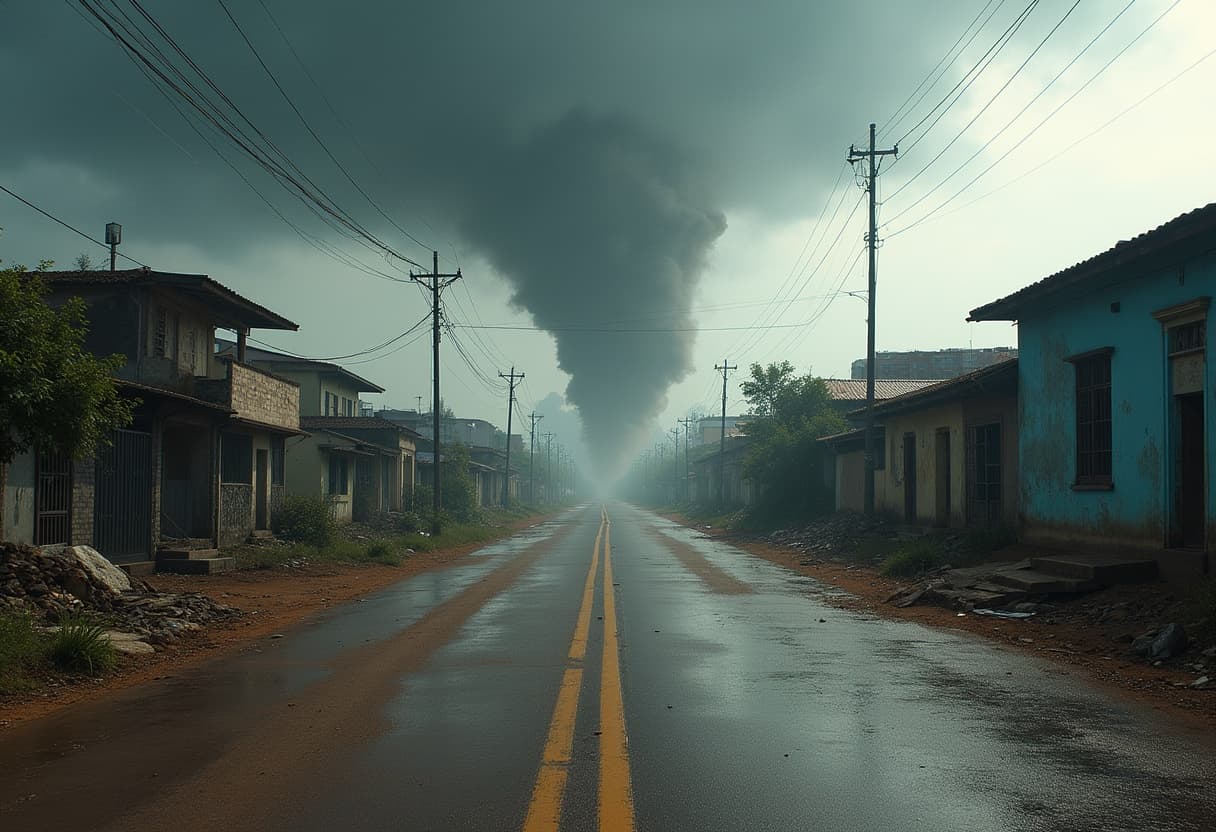
According to a recent report by Coffee Watch, an industry watchdog dedicated to sustainable coffee production, deforestation in Brazil’s southeastern coffee belt is causing significant declines in rainfall. This ecological disruption is triggering crop failures, reducing yields, and in turn driving prices higher for consumers globally.
Deforestation and Declining Rainfall: A Vicious Cycle
Brazil, the world's largest coffee producer, owes much of its agricultural success to dependable, timely rains and rich soils. But as coffee plantations expand into cleared forests, these critical conditions are shifting.
"The ecologically destructive way we grow coffee is going to result in us not having coffee," said Etelle Higonnet, director of Coffee Watch. "Deforestation for coffee cultivation is killing the rains, which is killing the coffee." She warns that continuing down this path will paradoxically reduce farmers’ output even as more forest land is destroyed.
This relationship aligns with a landmark study published in Nature Communications last month that quantified a 75 percent reduction in rainfall linked to Amazon deforestation. Until recently, accurately measuring how forest loss translates to rainfall changes had been challenging. Advances in satellite mapping and data analytics, however, now paint a clearer picture of these critical climate-agriculture feedback loops.
Economic and Environmental Stakes for the Coffee Industry
The story extends beyond Brazil’s borders. Coffee Watch highlights that the 2014 drought in Brazil marked a turning point, initiating a pattern of irregular rainfall that disrupts the delicate timing coffee plants require. As droughts become more frequent, soil moisture diminishes, threatening plant health and ultimately, supply stability.
These climatic pressures contributed to the 2024 coffee shortage and price surges, underscoring the urgency of the issue. If annual rainfall cycles further deteriorate, projections suggest that by 2050, parts of Brazil’s coffee-growing regions could become unproductive, normalizing extreme price volatility globally.
It’s important to note that while coffee cultivation contributes to deforestation, it is not the leading cause. Cattle ranching and soy farming continue to drive the majority of forest clearing in Brazil.
Global Policy Battles Play Out Over Coffee’s Future
This dynamic crisis intersects with international trade and regulatory frameworks. The European Union’s recent deforestation regulation imposes strict requirements for transparency in commodity sourcing—including coffee—to ensure products sold in the EU do not come from recently deforested land.
While many coffee-exporting countries such as Vietnam have embraced these regulations by preparing to supply geolocation data for traceability, Brazil has voiced staunch opposition. The country contends the EU law is "unilateral and punitive," conflicting with sovereignty principles and increasing costs. Instead, Brazil advocates for initiatives that incentivize conservation through financial mechanisms aimed at protecting forests.
As Brazil gears up to host the upcoming United Nations Climate Conference, these tensions reflect broader debates on balancing economic development with environmental stewardship.
Looking Ahead: What Does This Mean for Coffee Lovers and the Planet?
- Consumer impact: Reduced supply and unstable precipitation patterns may lead to higher coffee prices and increased market volatility.
- Environmental urgency: Continued deforestation risks irreversible climate feedback loops that undermine not only coffee production but also broader ecological health.
- Policy crossroads: The coming years will test global cooperation to promote sustainable agricultural practices while respecting national sovereignty.
The coffee industry now faces a defining challenge: to innovate and adopt sustainable growing methods that protect forests and preserve rainfall cycles essential to coffee’s survival.
Editor’s Note
This unfolding story is emblematic of a wider challenge in global agriculture: meeting growing demand without sacrificing ecological balance. As research deepens our understanding of how deforestation reshapes local and regional climates, it becomes clear that the health of coffee crops, forest ecosystems, and human livelihoods are inextricably linked. Readers are invited to consider how individual consumption choices, corporate responsibility, and government policies must align to safeguard this cherished global commodity before it is too late.