Brazil’s Climate Crossroads: Protecting the Amazon Amid Oil Exploration
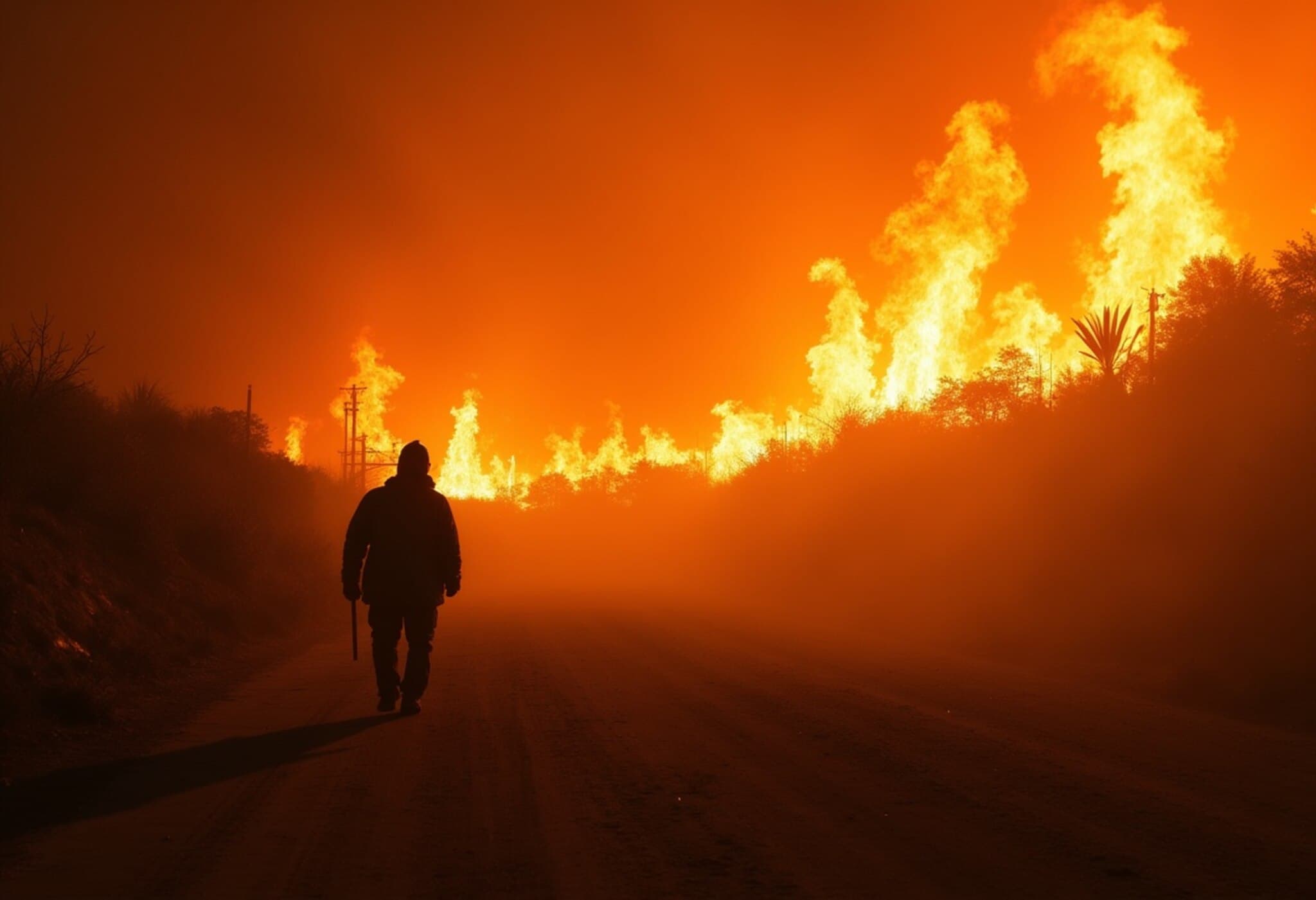
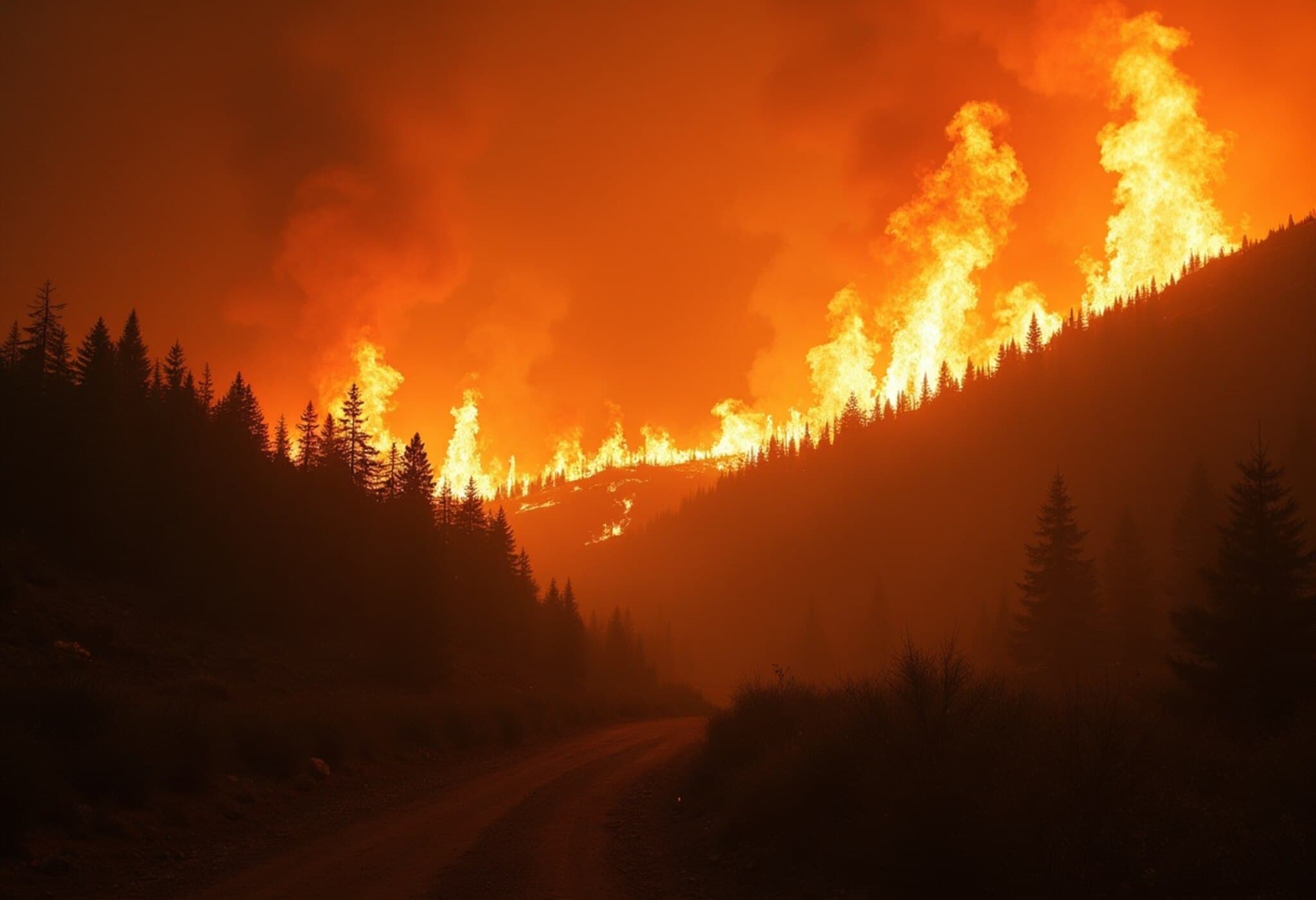
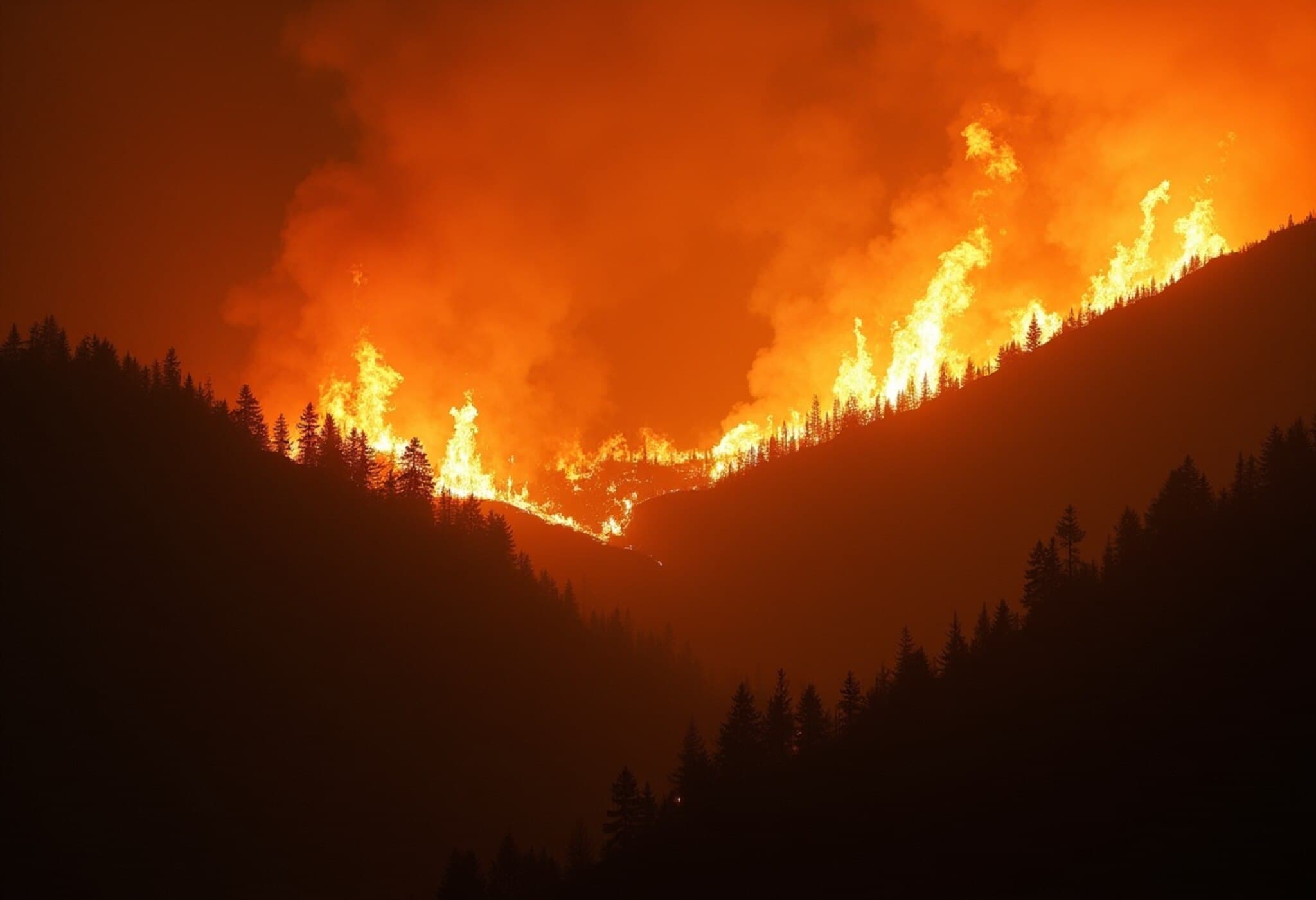
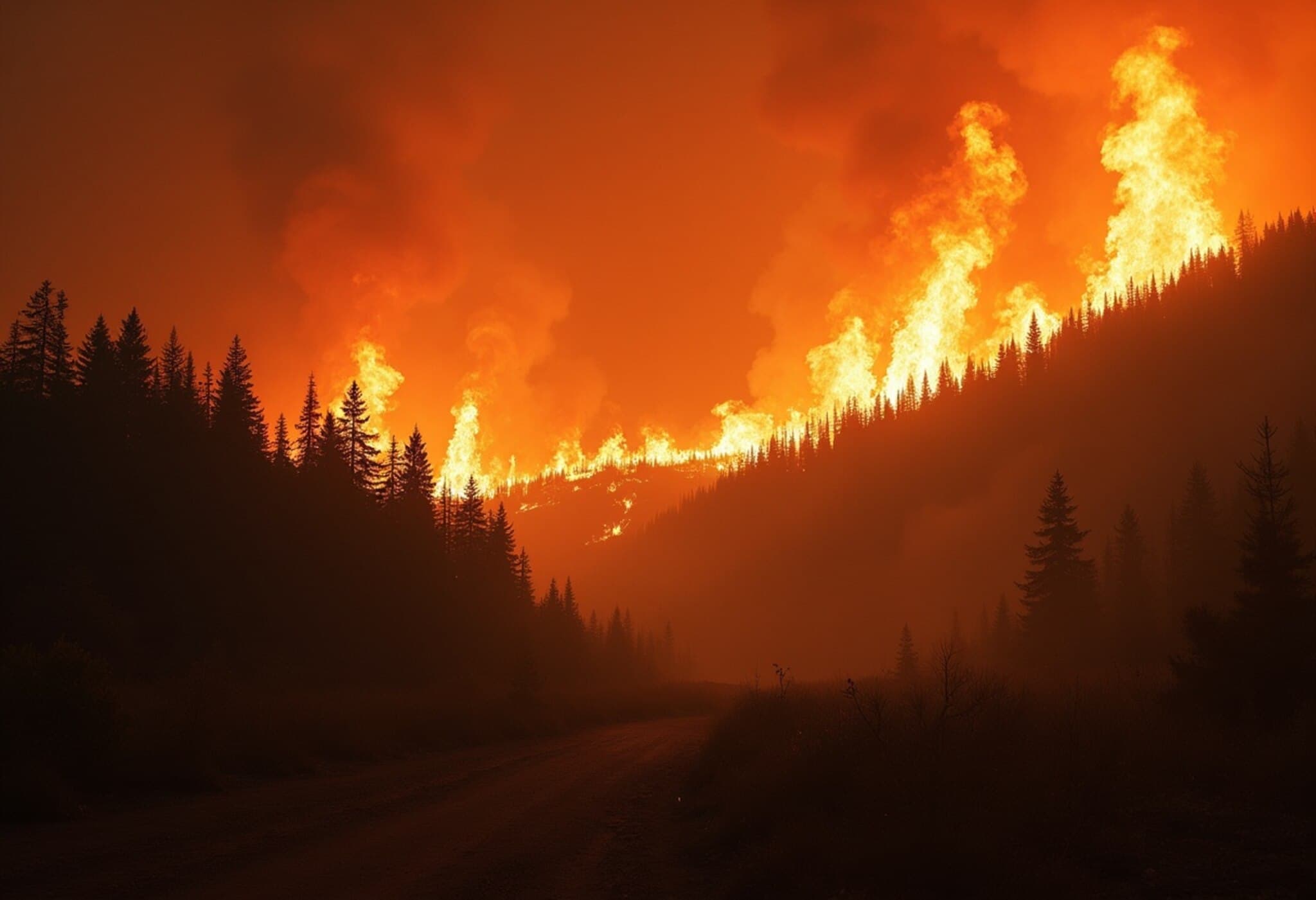
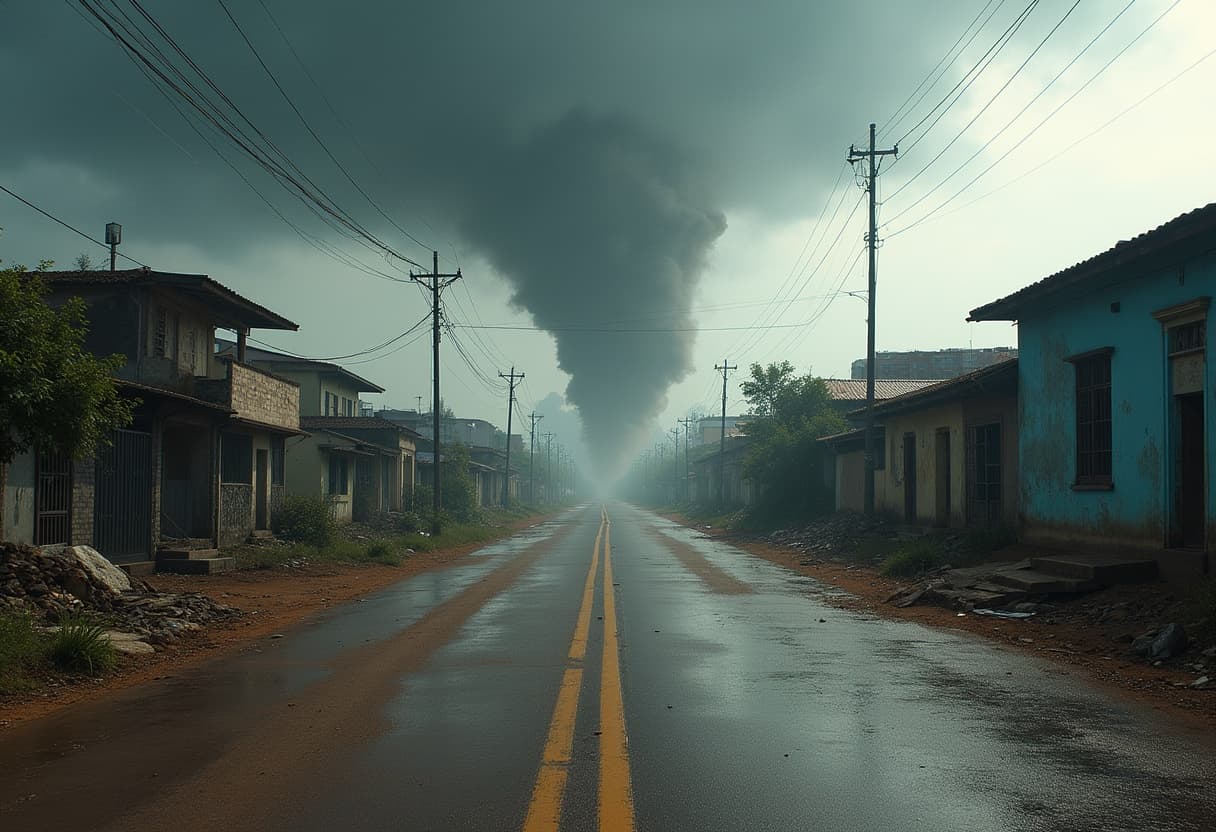
As Brazil takes center stage hosting the 30th U.N. Climate Change Conference (COP30) this November, the world watches closely. President Luiz Inácio Lula da Silva aims to recast Brazil as a global champion of climate action, showcasing efforts to curb emissions and safeguard the Amazon rainforest. Yet, this ambitious positioning is shadowed by a stark contradiction: just weeks before the summit, Brazil approved exploratory oil drilling near the mouth of the Amazon River — a move that has sparked international debate and domestic controversy.
A Complex Balancing Act: Environmental Goals Versus Economic Realities
President Lula’s environmental agenda revives echoes from his previous terms (2003-2010), which saw significant successes in reducing deforestation through law enforcement and incentivizing forest conservation. Since his 2023 return to the presidency, deforestation rates have dropped by about 50% from 2022 to 2025, reaching an 11-year low, according to Brazil’s National Space Research Institute (INPE). Greenhouse gas emissions have also fallen by 12% in 2024 compared to the prior year.
However, this progress exists alongside simultaneous moves favoring oil exploration — an economic lifeline for Brazil’s impoverished northern regions. Lula has defended drilling in the Amazon’s offshore zones, arguing it's a pragmatic step to finance the country’s gradual energy transition and to alleviate poverty through job creation. This pragmatic stance reflects a global dilemma: how can nations genuinely balance urgent climate commitments with pressing socio-economic demands?
Environmentalists Sound the Alarm
The government’s recent authorization allowing the state-controlled oil company Petrobras to explore oil deposits nearly 10,000 feet below the ocean floor where the Amazon meets the Atlantic has drawn sharp criticism. Environmental groups warn that exploitation risks irreparable damage, including devastating oil spills to one of Earth’s most biodiverse and carbon-rich ecosystems.
Marcio Astrini, executive secretary of Climate Observatory, a prominent coalition of Brazilian environmental organizations, underscores the global implications: “It sends a really bad signal to the world, especially right before COP30. This contradiction undermines Brazil’s credibility in climate negotiations at a critical moment.”
The Amazon’s Global Significance
Encompassing nearly two-thirds of the Amazon basin, Brazil’s forest plays a vital role in absorbing vast quantities of carbon dioxide — a function crucial to keeping global temperature rise below the threshold of 2°C. Scientists warn the Amazon is approaching a tipping point where deforestation and degradation could transform it from a carbon sink into a significant emitter, accelerating climate change.
The situation worsened dramatically during Jair Bolsonaro’s presidency, with deforestation surging to a 15-year high and some forested areas releasing more carbon than they absorb. Lula has striven to reverse this trend by restoring environmental agencies, beefing up patrols, and expanding protected areas, actions seen as vital steps toward preserving the Amazon’s integrity.
Political Friction and Uncertain Futures
Despite Lula’s efforts, Brazil’s political landscape remains complex. Congress has rolled back protections for Indigenous territories and eased environmental review procedures for development projects — moves that risk undermining conservation gains. The president’s vetoes on some of these measures face strong opposition and may be overridden by right-leaning lawmakers allied with Bolsonaro’s faction.
The government has already auctioned over two dozen offshore blocks near the Amazon for oil exploration and considers opening more than 100 additional areas. Such expansive plans could accelerate fossil fuel extraction, contradicting commitments to phase out these energy sources globally and setting a challenging precedent.
Expert Insight: Navigating the Energy Transition Dilemma
Marina Silva, Brazil’s environmental minister and a prominent advocate for sustainable development, concedes the inherent contradiction. She stresses that exploring for oil is “perfectly compatible” with Brazil’s long-term transition away from fossil fuels — a process expected to span decades.
Yet, experts caution that bridging economic growth with sound environmental stewardship requires transparent policies, robust safeguards, and meaningful engagement with Indigenous peoples and environmental stakeholders. The broader question remains: can Brazil truly reconcile its climate leadership ambitions with the immediate economic pressures that drive fossil fuel reliance?
Conclusion: Brazil at a Climate Crossroads
Brazil’s dual strategy epitomizes the complex realities many developing nations face — striving to lead in global climate diplomacy while grappling with socioeconomic challenges that push for resource extraction. The symbolic weight of hosting COP30 in the Amazon magnifies these tensions, placing Brazil’s contradictory path under the international spotlight.
Whether Lula’s government can successfully navigate this tightrope will have profound implications not only for the future of the Amazon but also for global climate efforts. The world watches as Brazil attempts the delicate dance of protecting the planet’s lungs while still tapping into its natural wealth.
Editor’s Note
Brazil’s predicament highlights the urgent need for nuanced climate policies that integrate environmental justice, economic development, and global responsibility. As COP30 convenes, stakeholders must question whether oil exploration near the Amazon is a necessary compromise or a dangerous detour from sustainable futures. Will Brazil’s choices strengthen or weaken its newfound role as a climate leader? The answers will resonate far beyond its borders.