Devastating Tornado Strikes Paraná, Leaving Five Dead and Widespread Destruction
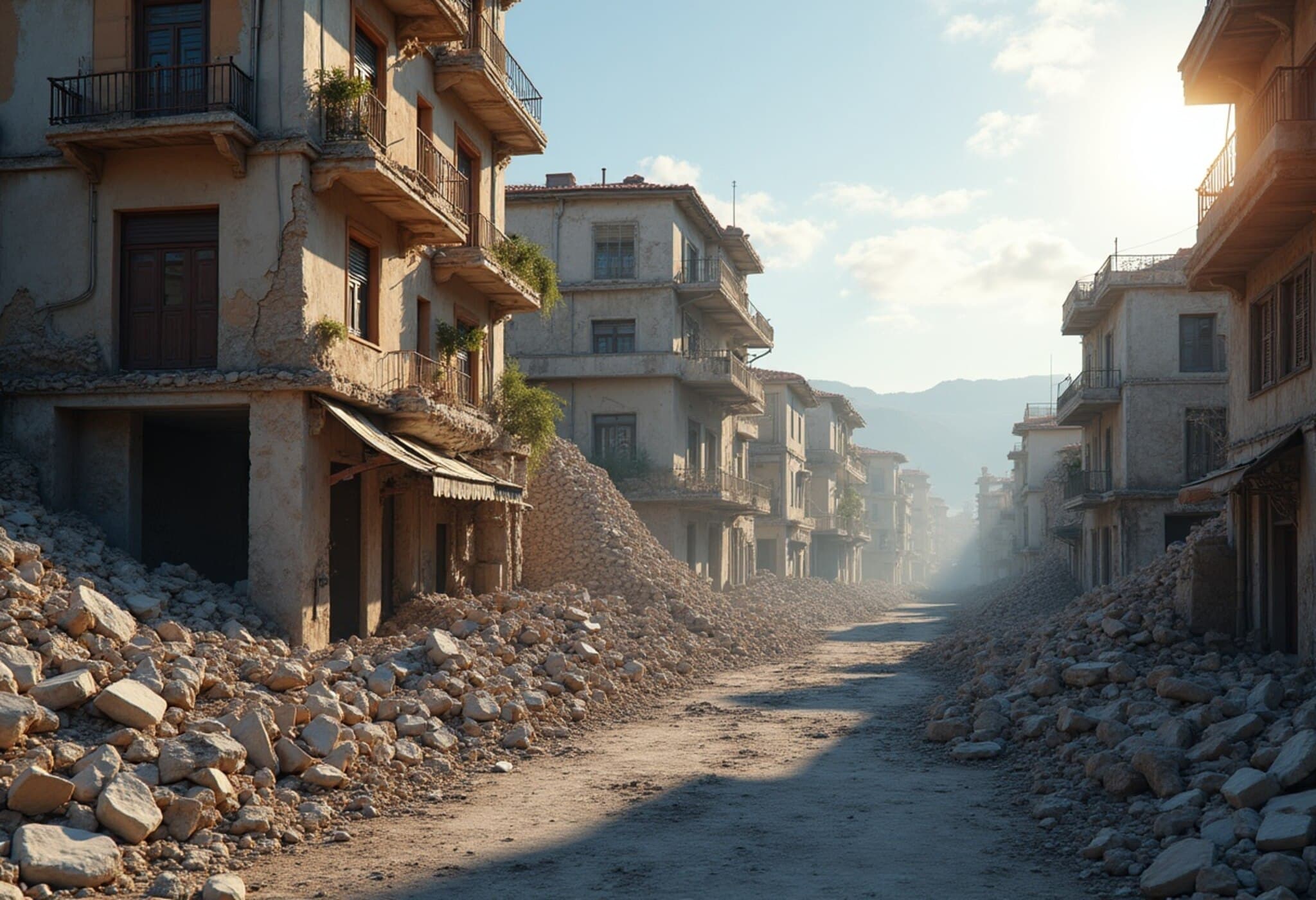
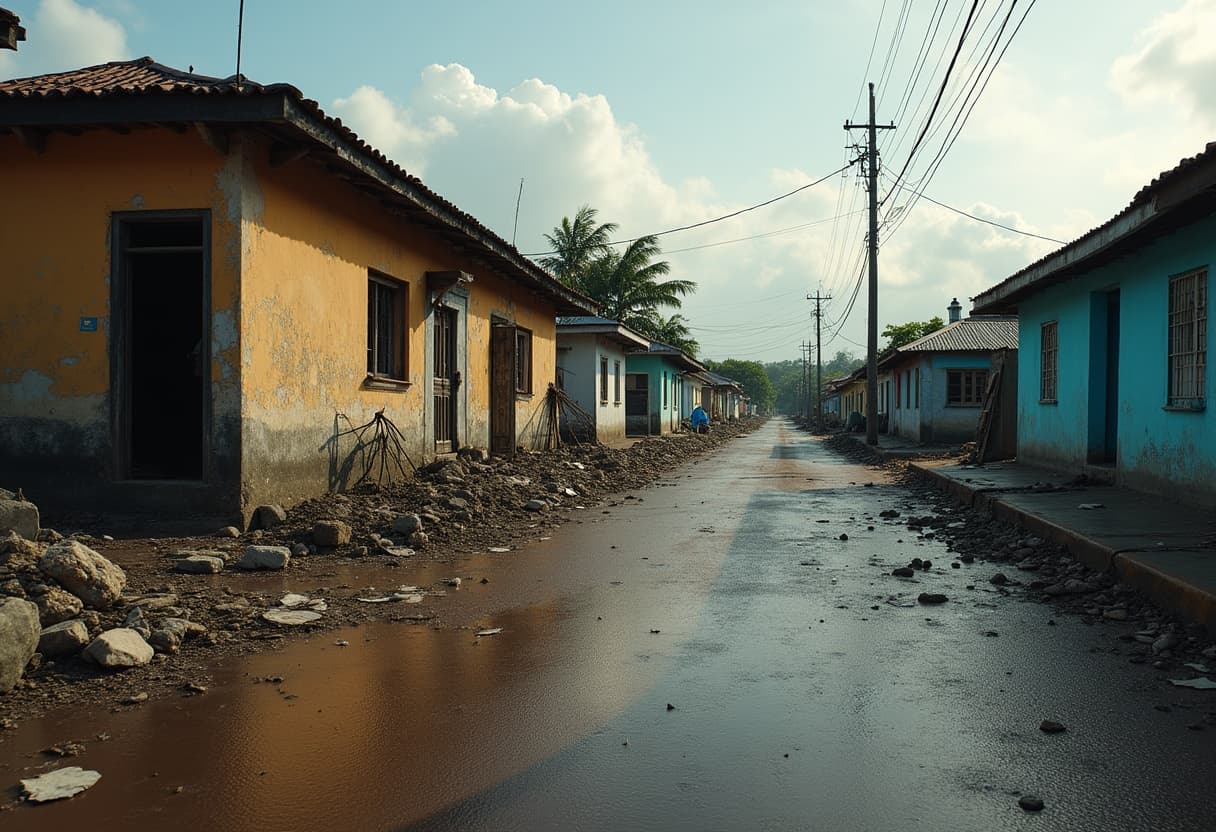
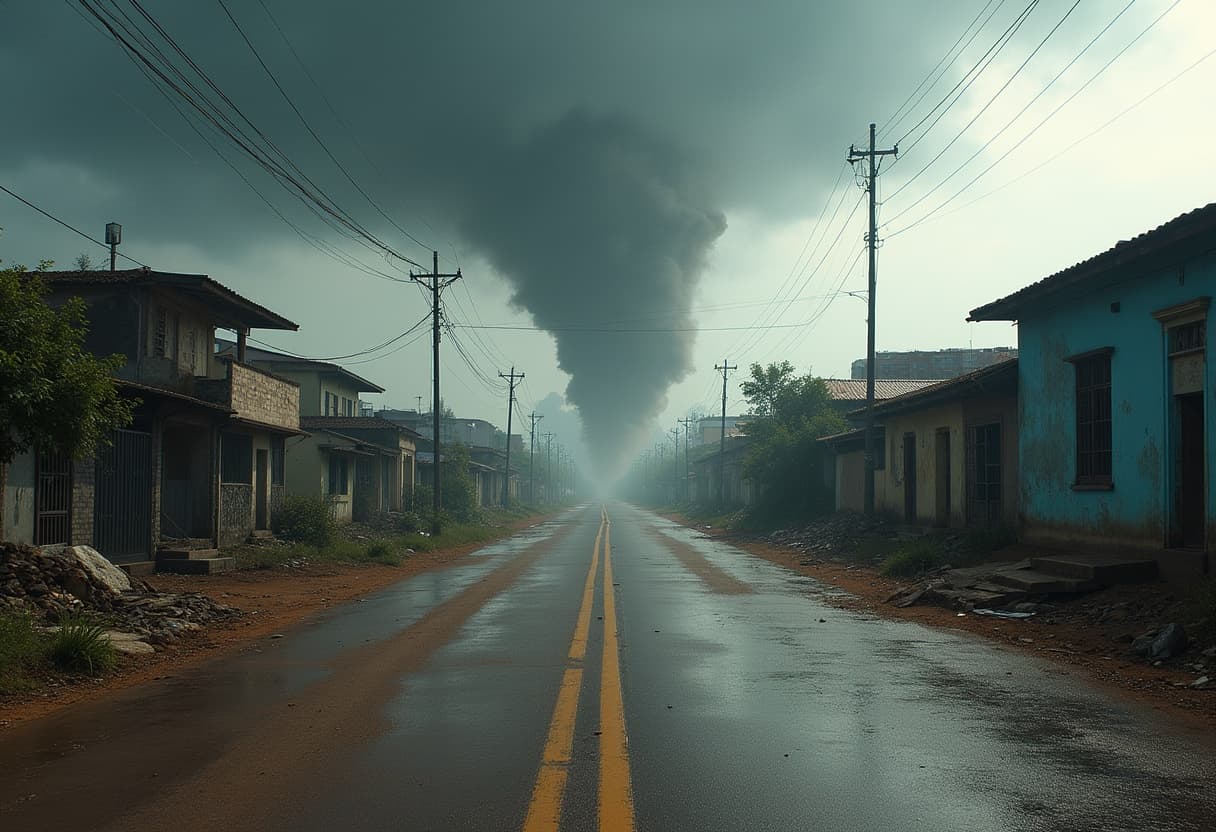
Late Friday evening, a fierce tornado tore through the state of Paraná in southern Brazil, claiming at least five lives and injuring dozens more. Authorities reported winds surpassing 150 miles per hour, powerful enough to rip roofs off buildings, topple lamp posts, and overturn vehicles across multiple towns.
Scope of the Disaster
The tornado hit after several days of turbulent weather that brought heavy rain and hail to the region, compounding the challenges faced by residents and emergency teams. In the municipality of Rio Bonito do Iguaçu, one of the hardest-hit towns with a population of approximately 14,000, the destruction was nearly total. Local officials estimate that about 80% of the town was severely affected.
Residents shared harrowing videos on social media, revealing flattened rooftops and widespread debris. These firsthand accounts highlighted the sheer force of nature and the vulnerability of communities unaccustomed to such extreme tornadic activity.
Emergency Response and Government Action
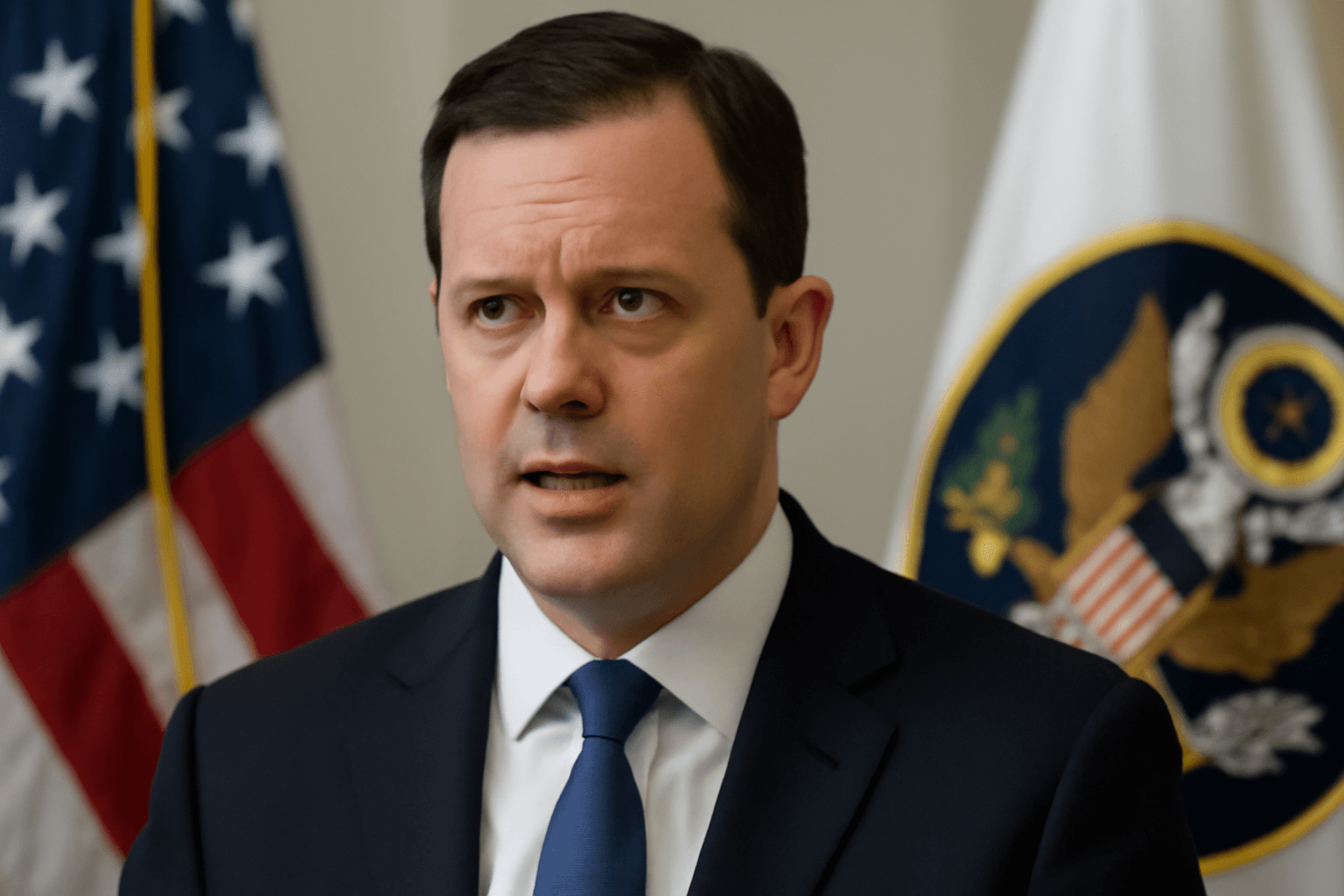
Paraná Governor Ratinho Júnior quickly convened an emergency meeting at the Central Fire Department headquarters in Curitiba to coordinate response efforts. In a social media statement, the governor acknowledged the unprecedented scale of devastation, stating, "We already knew that we would face a difficult moment, but we never imagined a tornado could cause all this devastation." Emergency crews worked relentlessly into the night, searching for survivors and assessing the damage.
Contextual Insights: Tornadoes in Brazil and Global Trends
Tornadoes, while commonplace in parts of the United States, are relatively rare and historically less intense in South America. However, increasing reports of more frequent and severe tornado events in Brazil have begun raising alarms among meteorologists and climate experts. The Paraná tornado serves as a stark reminder of changing weather dynamics potentially amplified by climate change, prompting urgent discussion about disaster preparedness and urban resilience in the region.
Experts emphasize that Brazil’s infrastructure and emergency systems need to adapt to these emerging climate challenges. The tornado’s destructive power is a wake-up call for policymakers to invest in enhanced early warning systems and community education to mitigate future risks.
Human Toll and Community Resilience
Beyond the statistics lies the profound human impact — families displaced, homes lost, and communities grappling to rebuild amid shock and grief. As emergency responders continue their search and recovery operations, local and international humanitarian organizations have started mobilizing aid efforts to support affected populations.
Looking Ahead: What’s Next for Paraná?
- Recovery Efforts: Immediate focus remains on rescue operations, medical aid, and restoring essential services.
- Infrastructure Assessment: Authorities will survey damaged public and private buildings to plan reconstruction.
- Policy Review: This disaster underscores the necessity of revisiting Brazil’s disaster management policies to build resilience against increasingly unpredictable natural catastrophes.
- Climate Adaptation: Experts advocate integrating climate risk assessments into urban planning, especially in vulnerable areas.
As Paraná and its residents confront the aftermath, their experience adds to a growing body of evidence urging nations worldwide to prepare comprehensively for evolving climate-related hazards.