Canada Orders Mass Ostrich Culling Following Avian Influenza Outbreak
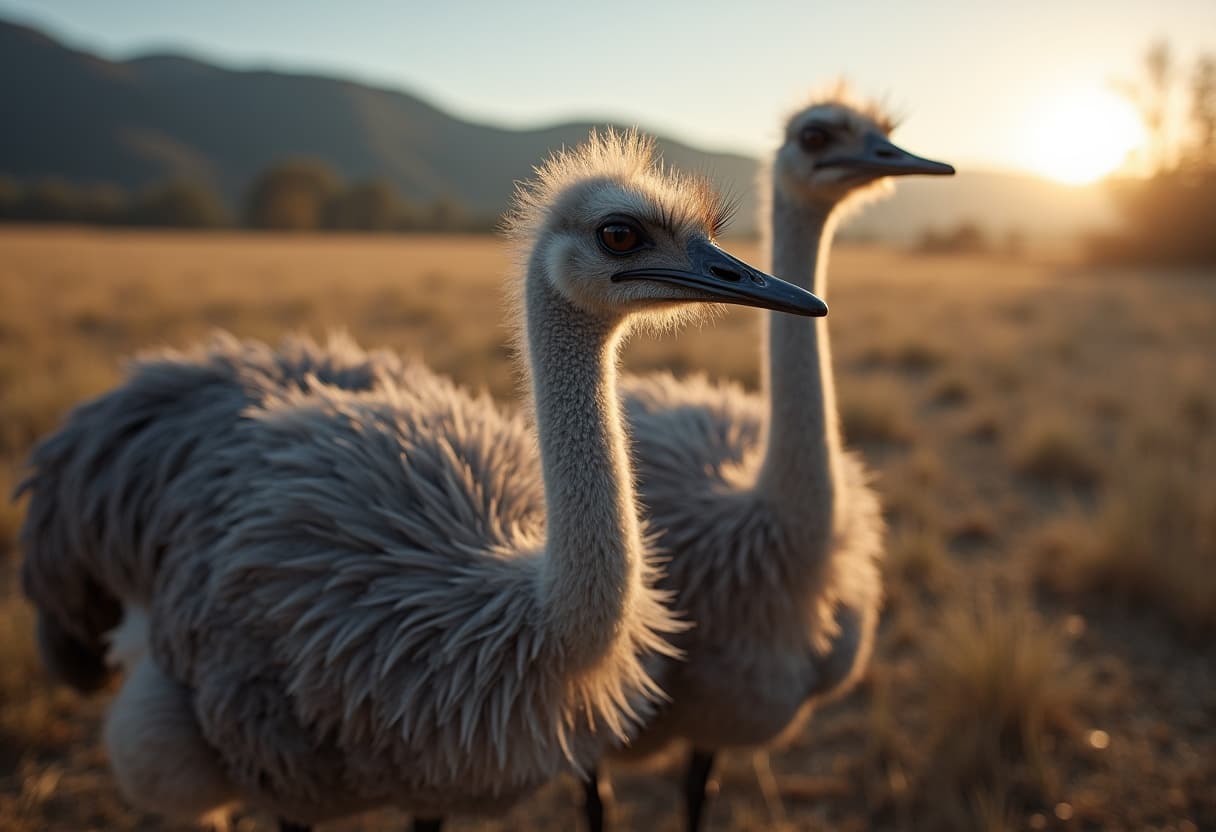
In a decisive move that underscores the challenges of managing zoonotic disease outbreaks, Canadian authorities have culled nearly 400 ostriches at Universal Ostrich Farms in British Columbia. The farm’s owners, after a prolonged legal battle and high-profile interventions, saw their appeals rejected as the Supreme Court of Canada declined to hear their case. This marked a somber end to a fight to save the flock exposed to the H5N1 avian flu virus.
The Grim Reality of a Pandemic-Age Agriculture Crisis
The decision to cull the ostriches, which began on the night of November 6 and concluded swiftly by the next day, highlights the stringent measures governments employ to contain highly contagious animal diseases. Unlike typical poultry culls using controlled CO₂ gas in enclosed environments, these large birds were euthanized in open-air conditions by professional marksmen, behind hay bales on the farm. This method, while distressing to the owners and supporters, was deemed the most humane and effective approach under the circumstances by the Canadian Food Inspection Agency (CFIA).
Dave Bilinski and Karen Espersen, co-owners for over three decades, watched the farm that once thrived through ostrich meat and oil products — later pivoting during the pandemic to ostrich antibody research due to industry disruptions — face collapse. Their efforts to protect their animals were not only legal but emotive, drawing wide social media support and attracting notable figures such as U.S. Health Secretary Robert F. Kennedy Jr. and Medicare and Medicaid head Dr. Mehmet Oz.
Legal and Political Dimensions: A Microcosm of Broader Public Discourse
The refusal by Canada's Supreme Court to intervene reflects judicial deference to public health and agricultural disease control protocols, even as debates over government overreach simmer on both sides of the border. This case unfolded amid lingering tensions post-pandemic, particularly fueled by anti-regulatory sentiments exemplified by Canada’s convoy trucker protests. Activists like Tamara Lich voiced solidarity with the ostrich farm, framing the cull as an overstep affecting livelihoods and animal welfare.
- Avian flu H5N1's spread: Since early 2024, millions of poultry have succumbed globally, with spillover infections in cattle and sporadic human cases, including a hospitalized teenager in Canada who fully recovered.
- Economic toll: The farm owners are eligible for compensation of approximately 3,000 Canadian dollars per bird, though payout dynamics remain uncertain due to procedural stipulations.
- Government policy: The aggressive “stamping out” approach remains a central containment strategy internationally, balancing disease control with agricultural continuity.
Experts Weigh In: Balancing Biosafety and Human Impact
Public health experts acknowledge that while mass culls are deeply distressing, they are critical in halting the spread of zoonotic diseases that threaten food security and may impact human health. Yet, the approach raises questions about alternative strategies, compensation fairness, and long-term surveillance.
Dr. Maria Chen, a veterinary epidemiologist at the University of British Columbia, notes, “The H5N1 virus poses a significant risk to agricultural and human populations alike. Although culling is a blunt instrument, it's currently the most immediate method to contain outbreaks. Going forward, integrating vaccination strategies and enhanced biosecurity measures could provide more humane and sustainable solutions.”
What Lies Ahead for Canada’s Ostrich Farming Community?
With the eradication order executed, Universal Ostrich Farms faces permanent closure, marking an end to its 30-year legacy. Family spokesperson Katie Pasitney expressed grief and frustration, emphasizing that the government’s action felt like a “war brought to a peaceful farm.”
Looking forward, the family intends to push for a full investigation into CFIA's culling policies, questioning both their necessity in this case and the broader protocols impacting farmers across the nation.
As disease outbreaks at the intersection of animals and humans become more frequent in an era of climate change and global trade, this episode vividly illustrates the complex interplay between science, law, policy, and community resilience.
Editor's Note
The Universal Ostrich Farms case raises vital questions about the future of outbreak management in agricultural sectors. While the priority remains protecting public and animal health, greater transparency, scientific innovation, and stakeholder collaboration are needed to ensure that disease control measures also respect livelihoods and animal welfare. It invites policymakers and the public to engage in deeper discussion about balancing regulatory rigor with compassion and economic sustainability.
By Vjosa Isai, Toronto-based correspondent specializing in Canadian policy and agricultural affairs.