
Prince Harry Issues Lighthearted Apology for Wearing Dodgers Cap at World Series
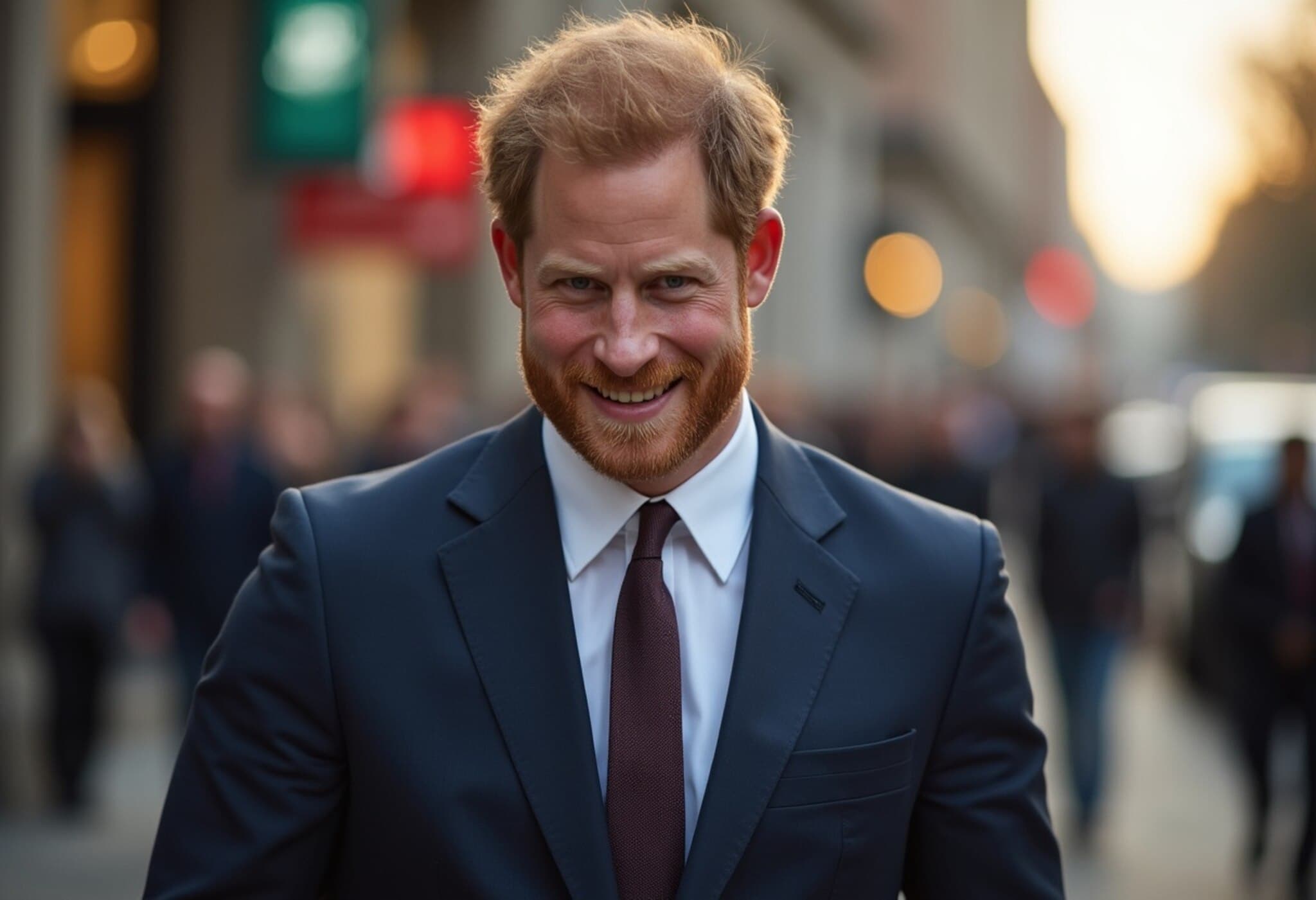
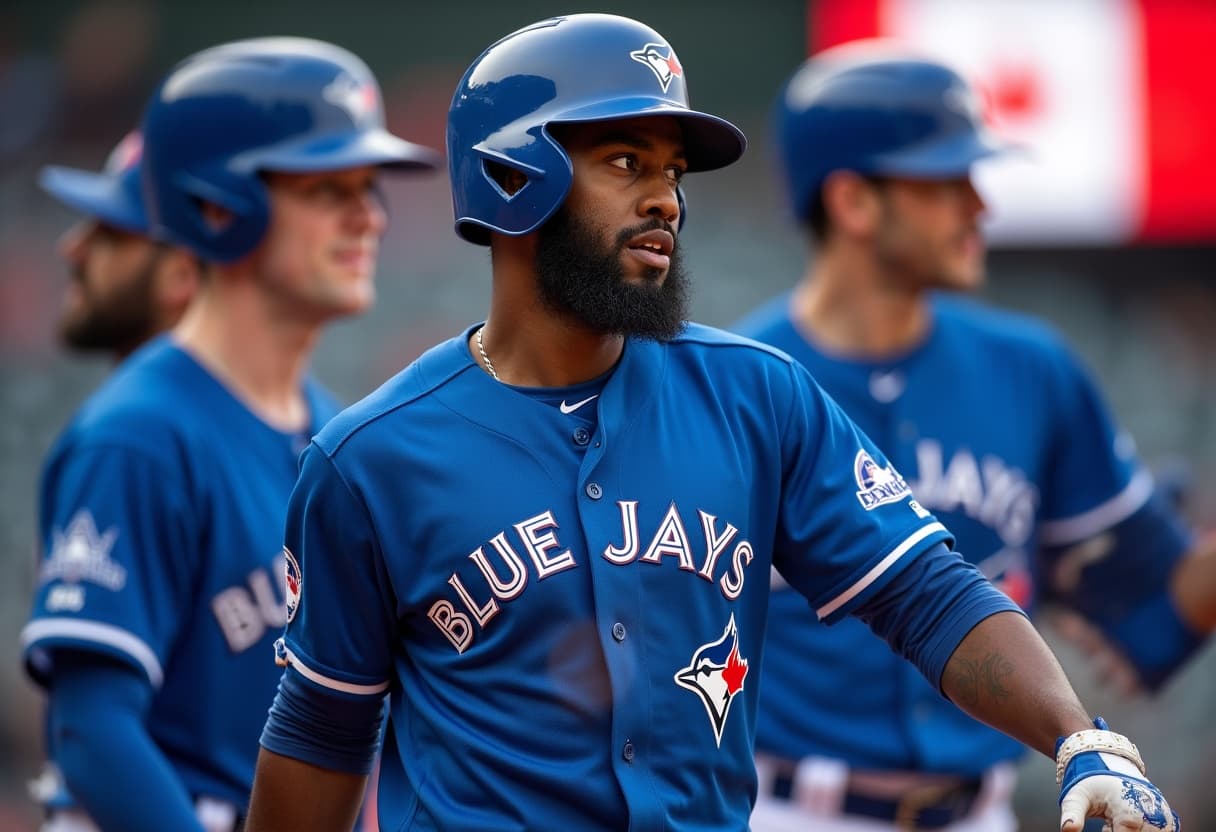
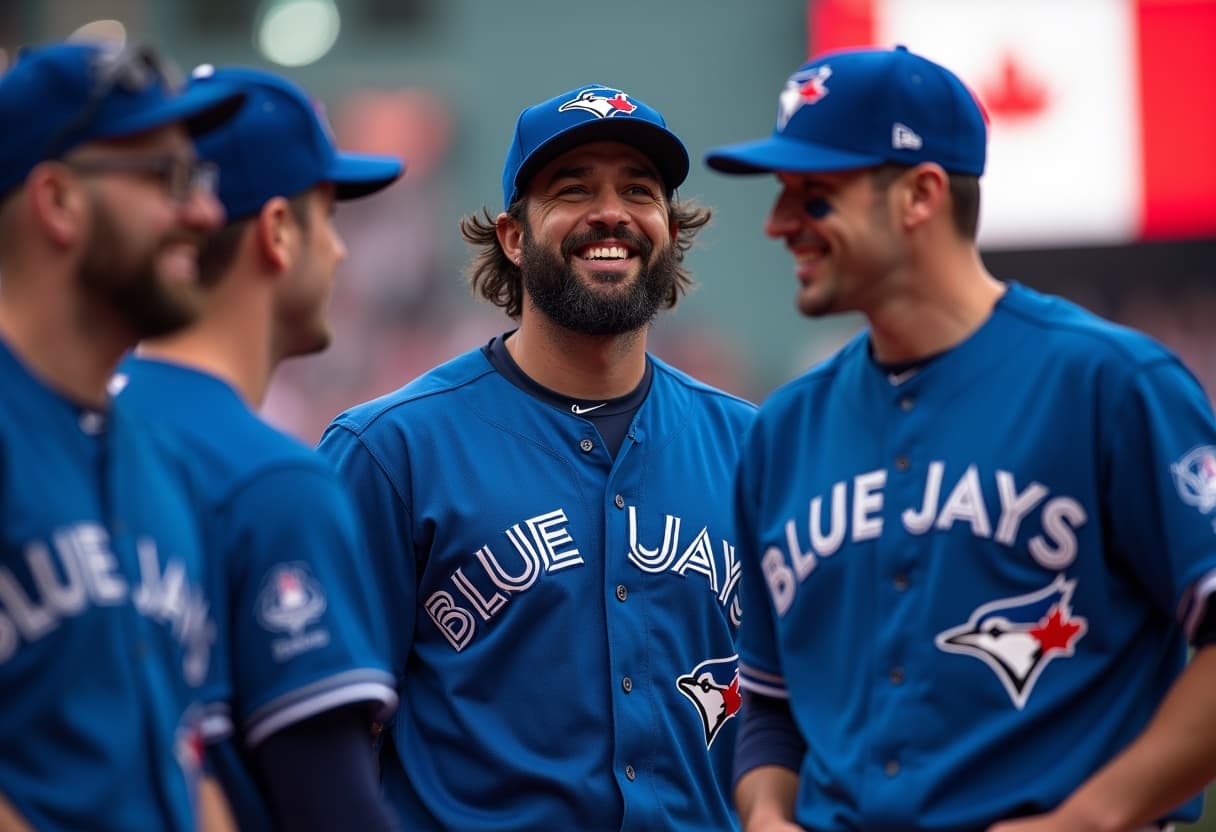
In a moment that captured the attention of Canadians and baseball fans alike, Prince Harry, Duke of Sussex, recently offered a playful apology to Canadians for donning a Los Angeles Dodgers baseball cap instead of one representing Canada’s very own Toronto Blue Jays during the recent World Series. The incident—affectionately dubbed "Hat Gate" by Harry himself—unfolded at Game 4 of the Series at Dodger Stadium on October 28.
Understanding the Emotional Weight Behind a Baseball Cap
Baseball caps are more than just fashion statements or sun shields; they’re emblematic showings of loyalty and team pride, especially during high-stakes games like the World Series. For most, the choice of cap is innocuous. But for Harry, whose public actions are scrutinized globally, this seemingly minor detail sparked considerable chatter in Canada.
A Humble Apology and Human Explanation
Speaking with Canada’s CTV network during a visit to Sunnybrook Veterans Center in Toronto, Prince Harry addressed the growing buzz around his choice of headwear. “I would like to apologize to Canada for wearing it,” he said, referring to the Dodgers cap. Offering a candid glimpse behind the scene, he added, "I was under duress," explaining that with thinning hair and bright stadium floodlights, he simply took whichever hat was available. This candidness softened the moment, turning it from potential offense into an amusing footnote.
Reaffirming Canadian Ties Amid Complex Royal History
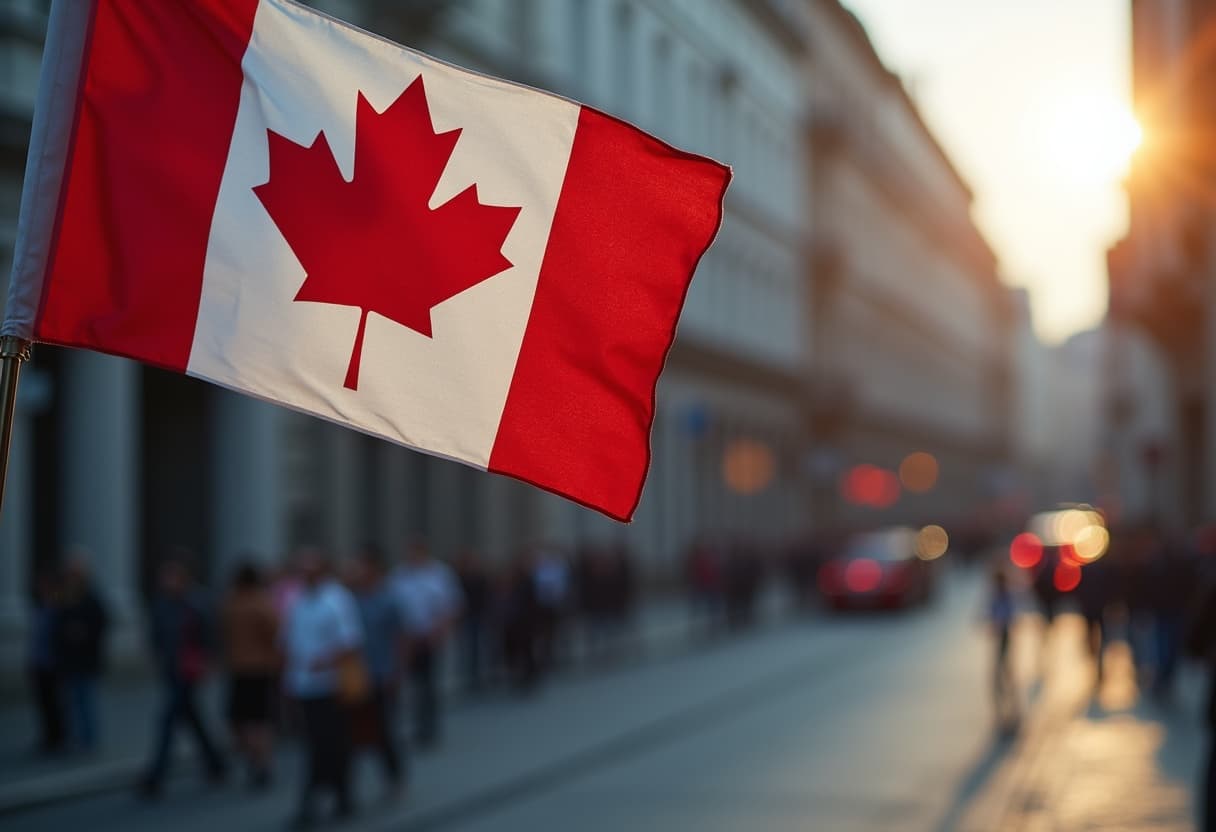
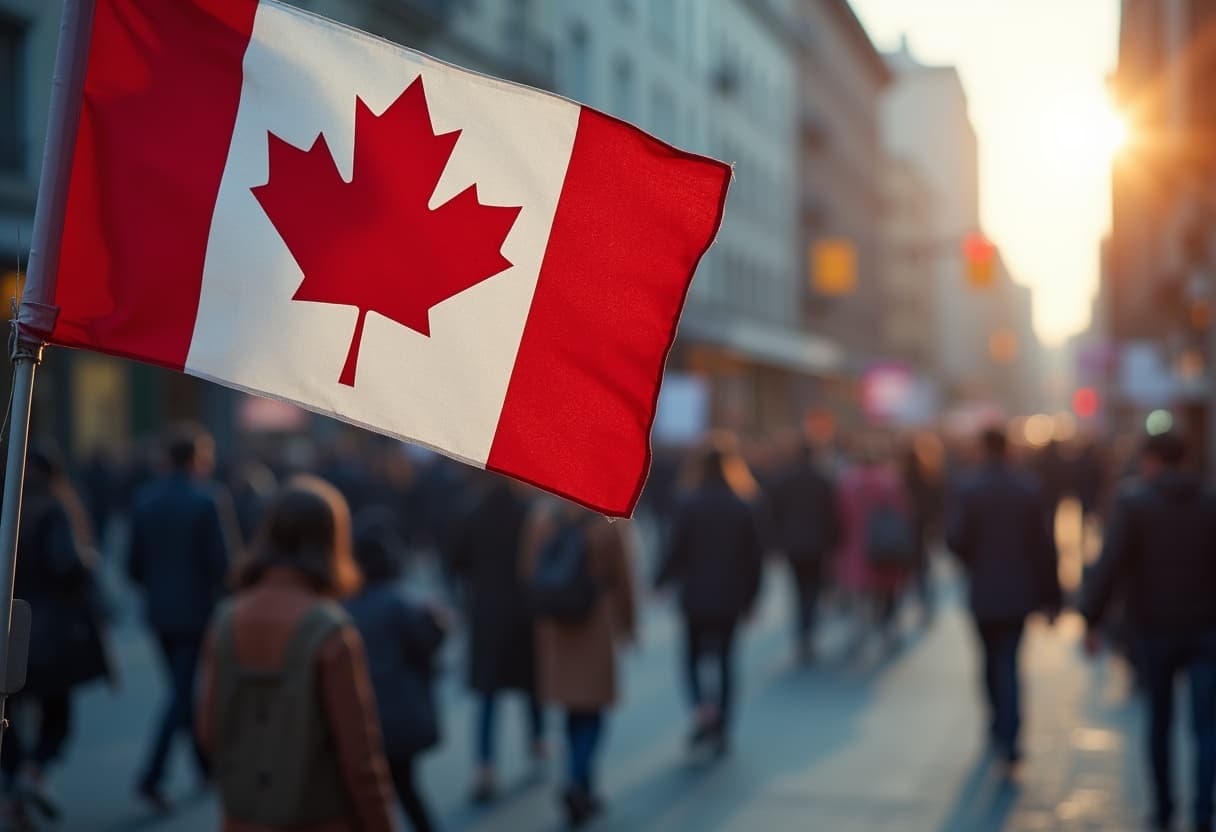
Though Canada gained full autonomy from the British monarchy in 1982, it remains a constitutional monarchy with King Charles III as the official head of state. The royal connection still tangibly surfaces in Canadian institutions, from currency to passports. Harry’s apology evoked this layered relationship, reminding many Canadians of their complex cultural and historical link to the British Crown—one underscored by Harry and Meghan currently living in California but engaging with Canadian affairs.
Blue Jays vs Dodgers: A Historic World Series Showdown
The World Series itself was a landmark event—the first time since 1993 that the Toronto Blue Jays made it to the championship. Their clash against the Los Angeles Dodgers culminated in a dramatic Game 7 extra-innings victory for the Dodgers on November 1, leaving many Canadian fans heartbroken yet proud.
Political Undercurrents Amid Sporting Rivalry
The Series coincided with heightened tensions in U.S.-Canada trade relations, marked notably by Canadian Prime Minister Mark Carney’s televised rebuttal to the Trump administration’s anti-tariff messaging. The sporting rivalry thus threaded into a broader narrative of national identity, economic diplomacy, and cultural pride, giving Harry’s cap incident an unexpectedly rich contextual backdrop.
Harry’s Personal Take: From Dodgers Guest to Blue Jays Supporter
Harry revealed that he attended Game 4 as a guest of the Dodgers' owners, which influenced his choice of headgear. However, he affirmed his support for the Blue Jays for the remainder of the Series, expressing genuine disappointment at their loss. “Game 5, Game 6, Game 7, I was Blue Jays throughout,” he admitted thoughtfully. Humorously, he acknowledged the challenge of returning to Los Angeles after the episode, showing a very human side rarely glimpsed in royal headlines.
A Moment of Levity in a Complex Public Life
This episode underscores the heightened expectations royal figures face—even over something as simple as a hat. It also reveals Harry’s ability to approach such moments with humility, humor, and grace, bridging divides with a sincere apology and a dose of self-deprecation.
Editor’s Note
The "Hat Gate" episode with Prince Harry highlights how symbols of national identity—like sports caps—can trigger unexpected public reactions, especially when intersecting with royal visibility and geopolitical undercurrents. Beyond the lighthearted apology, this story invites reflection on how globalized public figures navigate national loyalties and cultural sensitivities amid evolving political landscapes. It also calls attention to how seemingly trivial incidents become springboards for conversations about identity, diplomacy, and media scrutiny in the 21st century.