
Introduction: Brampton’s Auto Industry Caught in the Crossfire
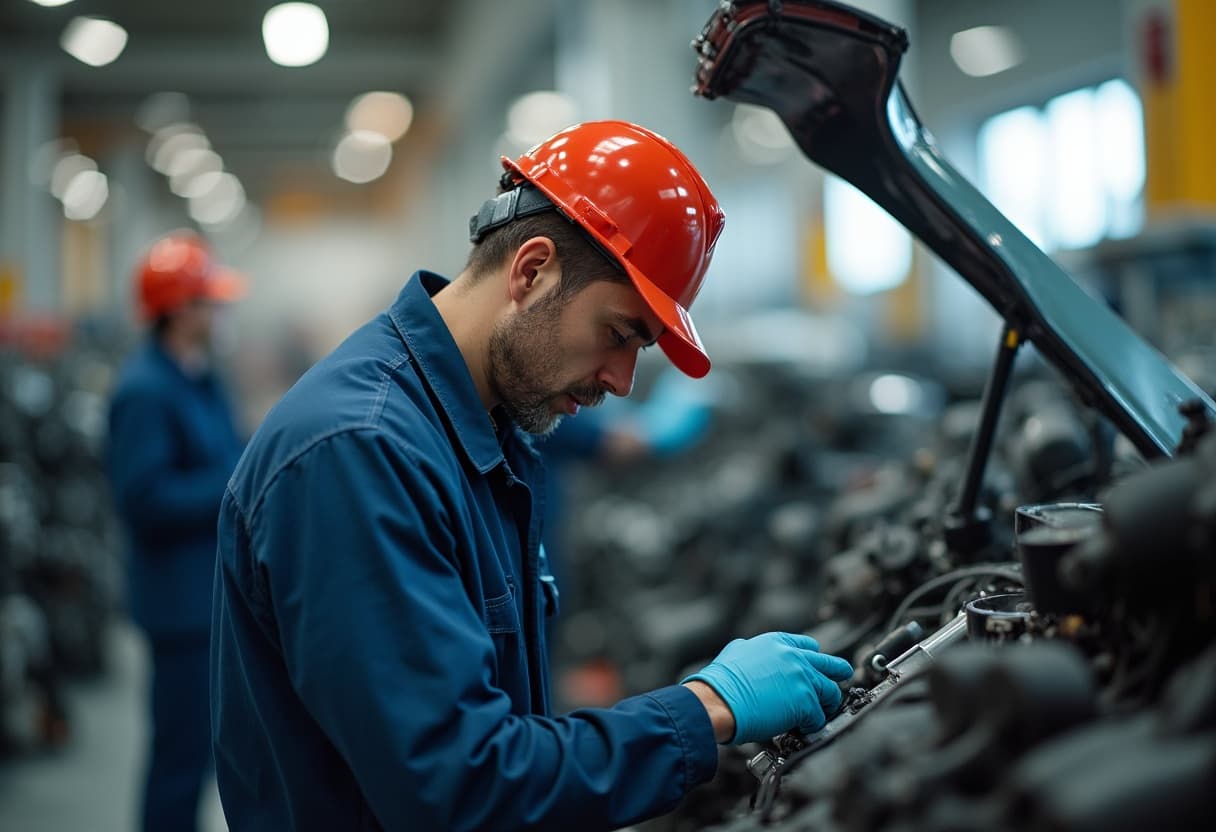
In Brampton, Ontario, a city long defined by its bustling automotive manufacturing sector, the echoes of factory machines have quieted to an unsettling stillness. Stellantis, the global automotive giant, has decided to transfer production from its sole Brampton assembly plant to the United States, sparking deep frustration and economic uncertainty for more than 3,000 workers.
This decision has left the Canadian factory town grappling not only with lost jobs but also a profound sense of betrayal. The root of this upheaval? Tariffs imposed during the Trump administration’s trade policies, which have fundamentally reshaped North American auto manufacturing and trade relations.
Trump’s Tariffs: A ‘Punch to the Gut’ for Brampton Workers
Former U.S. President Donald Trump aggressively pushed for reshoring American auto jobs, imposing a 25% tariff on Canadian-made vehicles. This move was intended to “buy American,” but the ripple effects reached far beyond U.S. borders.
Lawrence Ruddy, a body shop worker at the Brampton plant, voiced the sentiment shared by many: “It hurts us. Watching these jobs leave is like a punch to the gut — it’s not just about a factory closing; it’s about a community losing its lifeblood.”
Stellantis planned a $13 billion expansion in U.S. production, partially in response to these tariffs and policy pressures. The company halted production at the Brampton plant in December 2023, laying off its workforce after initially preparing to manufacture the popular Jeep Compass SUV.
The Human Toll Behind the Numbers
Veteran autoworkers, many with decades of service, now confront a precarious future. Electrician Ashley Jackman, with 20 years at the plant, shared her concerns candidly: “Layoffs in this industry aren’t new, but this time it feels more final. The benefits helping us through expire soon, and bills, mortgages, college fees—they don’t wait.”
Financial uncertainty weighs heavily on families. For workers like Donna-May Fendelet, who once considered their stable factory job akin to winning the lottery, the loss is deeply personal. “I raised my kids alone on that income,” she remarked. “Jobs like these, for people without college degrees, used to be the backbone of communities.”
Political Fallout and Economic Consequences
Canadian politicians have not taken this lightly. Stellantis had benefited from billions in federal and provincial funding to modernize the Brampton facility, accompanied by promises to keep it operational and competitive.
But with production shifting south of the border, the Canadian government has retaliated by limiting duty-free vehicle imports from Stellantis made outside Canada — a move that underscores the tension between protecting domestic jobs and navigating global trade realities.
Patrick Brown, Brampton’s mayor, expressed his dismay after discussions with Stellantis executives: “Hearing them say there’s no business case for auto jobs here as long as tariffs exist is terrifying. Our city sees this as a punch to the gut — these jobs don’t just disappear; communities suffer.”
Union Warnings and Industry Trends
The union representing the workers, Unifor, fears that allowing the Brampton plant to shutter sets a dangerous precedent, potentially sparking a domino effect in Canadian manufacturing.
“If Brampton falls, it sends a message: Canada is a place automakers can abandon without consequence,” said Vito Beato, Unifor’s Brampton chapter president. Already, General Motors has worsened the situation by cutting 3,200 jobs across two plants in Ontario, further signaling the fragility of the Canadian auto sector.
The Bigger Picture: Manufacturing and Economic Identity at Risk
The Brampton plant, operational since 1986 under various ownerships, has long been a gateway to the middle class for many families, especially those without university degrees. Manufacturing jobs offered competitive wages — with senior production workers earning about $32 US per hour and tradespeople close to $40 US — well above many other local opportunities.
Federal data underscores the importance of these export-dependent jobs, revealing workers who lose them may suffer pay cuts up to 50%, deepening economic divides.
Bill Tsagrinos, having spent over four decades at the Brampton factory, reflected on the sweeping changes: “We used to build things here. Now, most products are foreign-made and just brought in. The Golden Horseshoe’s manufacturing strength has faded.”
The Human Face of Change
Young families, like Samantha Lafave and Joshua Taylor, both employees and parents of two young children, find their hopes upended. “This move dampers our dreams—not just professionally but for our children’s futures. It’s a frightening, uncertain time for families like ours.”
Looking Ahead: Uncertain Futures, But a Call to Action
The future of the Brampton assembly plant remains shrouded in ambiguity. Despite vague assurances of new production lines or shifts at other Ontario plants, many workers are hesitant to uproot their lives or pin their hopes on uncertain promises.
Policy analysts emphasize that protecting such facilities requires more than tariffs or subsidies; it demands strategic cooperation between governments and industry to foster innovation, workforce skills development, and competitive positioning in a rapidly evolving global market.
Critical Questions for Policymakers
- How can Canadian federal and provincial governments effectively support manufacturing without triggering retaliatory trade responses?
- What role should labor unions and community stakeholders play in shaping future industrial strategies?
- How can Canada balance protecting traditional industries with transitioning to new technologies, such as electric vehicles?
Editor’s Note:
The Brampton auto plant’s fate highlights the intricate interplay between international trade policies and local livelihoods. Beyond the surface tariffs lie profound questions about economic sovereignty, the sustainability of middle-class employment, and the resilience of communities in a globalized world. As the North American auto industry evolves, Canada faces the critical challenge of safeguarding its manufacturing heritage while innovating for tomorrow. For readers, this story invites reflection: How should nations balance protectionism with open trade, and what is the true cost when the factory floor falls silent?