A High-Stakes Clash: The Assassination of Carlos Manzo and What It Means for Mexico’s Security
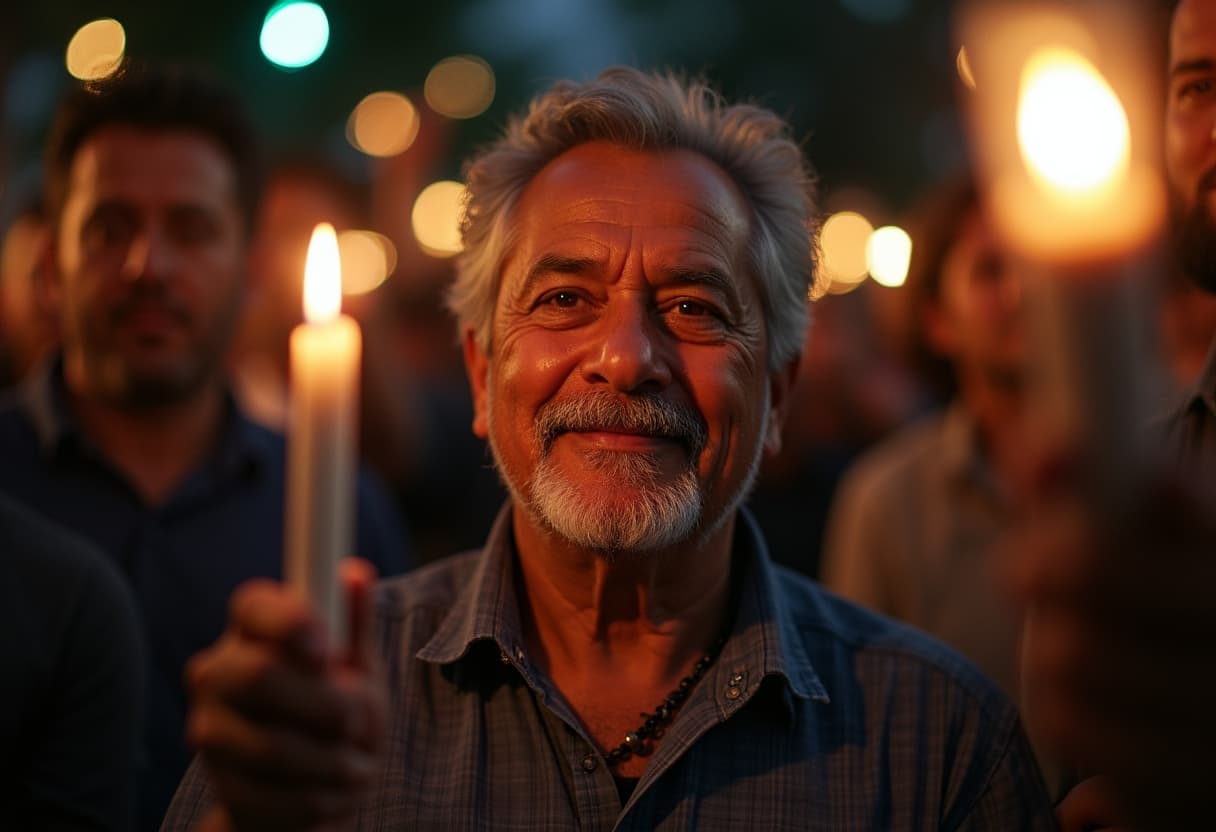
On a somber night in Uruapan—a city of 350,000 nestled in Mexico’s turbulent western state of Michoacán—the brutal killing of Mayor Carlos Manzo sent shockwaves across the nation. Manzo, a 40-year-old leader known for his uncompromising, hardline stance against drug cartels, was gunned down moments after addressing a Day of the Dead celebration, clutching his toddler son moments before his death. This violent episode starkly symbolizes the grim realities Mexican cities face in the ongoing cartel conflict, despite President Claudia Sheinbaum’s ambitious and measured crackdown on organized crime.
Manzo’s Defiant Leadership: Courage Amid Chaos
Carlos Manzo rose to national prominence this year after boldly demanding that Mexican authorities execute cartel gunmen on sight. His candid rhetoric, often delivered with a trademark cowboy hat and bulletproof vest, galvanized local support in his hometown and resonated broadly throughout a country fatigued by crime and corruption. In June, despite chilling threats against his family, including an ominous call targeting his young son, Manzo remained unbowed. "I told them, ‘I’ll be waiting for you,’" he recounted, a chilling testament to his resolve.
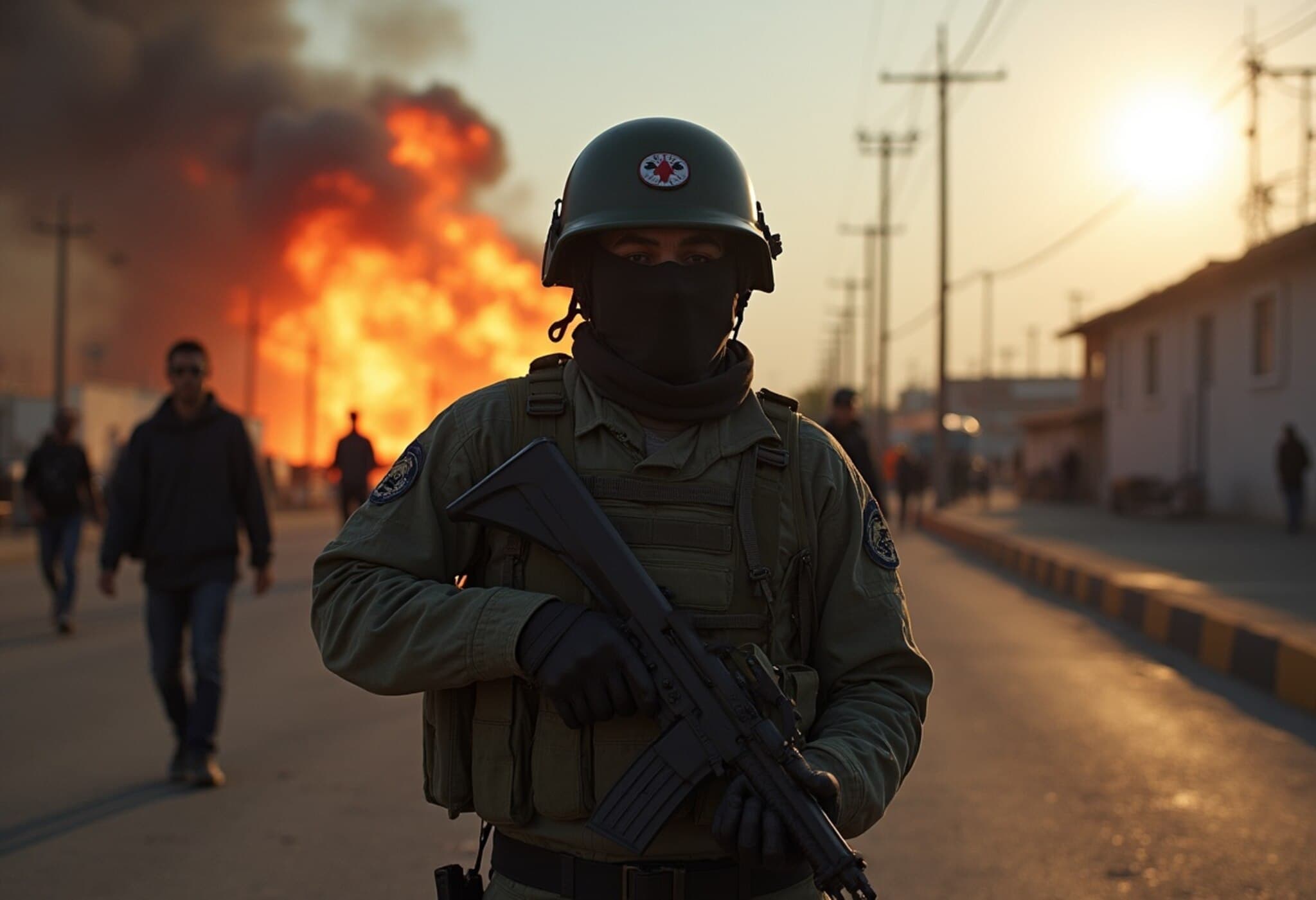
His determination, however, made him a prime target for a brazen assassination that was as much an act of intimidation as a ruthless execution. Such high-profile killings are far from isolated; they punctuate a broader narrative of violence that Mexico grapples with daily.
President Sheinbaum’s Balancing Act: Tactical Crackdowns vs. All-Out War
Since assuming office a year ago, President Sheinbaum has orchestrated what experts describe as Mexico's most aggressive anti-cartel campaign in nearly a decade—executed with surgical precision rather than wholesale militarization. Her administration boasts nearly 35,000 arrests for high-impact offenses and the destruction of around 1,600 drug labs within twelve months—an exponential increase compared to former governments. These efforts have contributed to a nearly 30% drop in homicides, pushing violent crime to its lowest point in ten years.
Internationally, Sheinbaum’s approach has been applauded, including by the White House, for its strategic targeting of cartel leadership and infrastructure. Yet, domestically, the battle remains far from won. Critics point out that while capturing kingpins and dismantling operations may signal progress, it scarcely dismantles cartels' entrenched control at the local level, where communities bear the brunt of violence and extortion.
Local Territory: The Frontline of Cartel Control
Analysts like Giovana Ríos of the Jesuit University in Guadalajara emphasize, "The true battleground lies in town halls, local police forces, and everyday neighborhoods where cartels assert dominance through corruption, extortion, and violent intimidation." Michoacán exemplifies this challenge, where lucrative drug routes and agricultural extortion (particularly targeting lime and avocado farmers) have become intertwined with cartel operations, fueling cycles of violence and retribution.
The recent spate of killings of industry leaders and politicians, including Manzo himself, underscores how criminal organizations manipulate local governance to cement their power—often with devastating human costs.
Amid Violence, A Divided Public on Mexico’s Security Strategy
Despite official crime reductions, a significant portion of the Mexican public remains skeptical of Sheinbaum's security policies, perceiving worsening violence in their communities. This disconnect fuels debates over security approaches: Should Mexico resort to the militarized, all-out drug war strategies of the past—strategies widely criticized for mass casualties and human rights abuses? Or should cautious, intelligence-based efforts continue despite setbacks?
Manzo’s outspoken, “no-hugs-for-criminals” rhetoric reflected frustration from citizens desperate for immediate and visible action. His adversarial stance—earning comparisons to El Salvador’s Nayib Bukele, known for his harsh gang crackdown—clashed openly with Sheinbaum’s measured tactics, reflecting a fundamental policy dilemma facing Mexico’s leadership.
The Heavy Toll on Public Servants and Civilians
- Over 300 police officers killed in just ten months, a 24% increase over the previous year.
- 112 political assassinations recorded in the first half of 2025 alone.
- High-profile murders span from politicians and law enforcement to journalists and cultural figures, signaling the cartels’ reach and ruthlessness.
These statistics reflect a brutal reality: various actors within Mexico’s social fabric are vulnerable, and cartel violence permeates multiple aspects of civic life.
Looking Forward: Will Mexico’s Strategy Hold?
President Sheinbaum remains steadfast, vowing to intensify federal efforts in Michoacán and beyond, including establishing specialized prosecutors and reinforcing forces on the ground. The authorities have already apprehended suspects linked to Manzo's killing, with the primary gunman neutralized at the scene.
Yet questions linger. Can a strategy focused on judicious arrests and dismantling networks outpace a deeply entrenched, violent system that operates with local complicity? Or will Mexico need to innovate new approaches that combine effective law enforcement, community resilience, and socio-economic interventions to break the cycle?
Expert Insight
Security analyst Nancy Canjura highlights the sobering truth: "This assassination punctuates that criminal groups—not the state—control significant territories. Until the social and political fabric of these communities is repaired, violence will remain a persistent scourge." Meanwhile, Giovana Ríos warns about the allure of militarized solutions: "The U.S. and Mexican governments must recognize that stamping out cartels requires more than battlefield victories—it necessitates addressing corruption, poverty, and governance deficiencies that cartels exploit."
Editor's Note
The murder of Mayor Carlos Manzo vividly illustrates the complex and tragic stakes in Mexico’s ongoing cartel conflict. While strategic, intelligence-driven policies have yielded notable decreases in some crime statistics, the persistence of bold, public assassinations questions how deep cartel influence remains within local institutions. For policymakers, the challenge is clear: How can Mexico balance assertive enforcement with sustainable, community-based efforts that restore trust and security at ground zero?
As this violent chapter unfolds, residents and leaders alike grapple with profound dilemmas about security, justice, and the path toward lasting peace.
By Jack Nicas, Mexico City Bureau Chief, and Emiliano Rodríguez Mega, Mexico Correspondent