Tragic Assassination of Michoacán Mayor Highlights Mexico’s Intensifying Drug War
In a chilling reminder of the persistent violence gripping Mexico, Carlos Manzo, the mayor of a city in Michoacán state, was fatally shot outside a church during a candlelight vigil on the evening of November 1, 2025. Manzo, known for his outspoken stance against organized crime and his urgent calls for enhanced federal support, died from his injuries at a local hospital, marking another grim chapter in Mexico's ongoing struggle with drug cartels.
Who Was Carlos Manzo?
Manzo emerged as a significant local figure not only because of his role as mayor but due to his vocal demands for an aggressive, well-resourced approach to tackling criminal syndicates in Michoacán—a region long battered by turf wars among powerful drug trafficking organizations. He had publicly criticized President Claudia Sheinbaum’s government, repeatedly urging for increased attention and resources to protect citizens from cartel violence.
Despite being formerly affiliated with Morena, President Sheinbaum’s party, Manzo chose to run as an independent in the 2024 elections, signaling potential rifts within local political dynamics about crime and security strategies.
A Brutal Attack in Broad Daylight
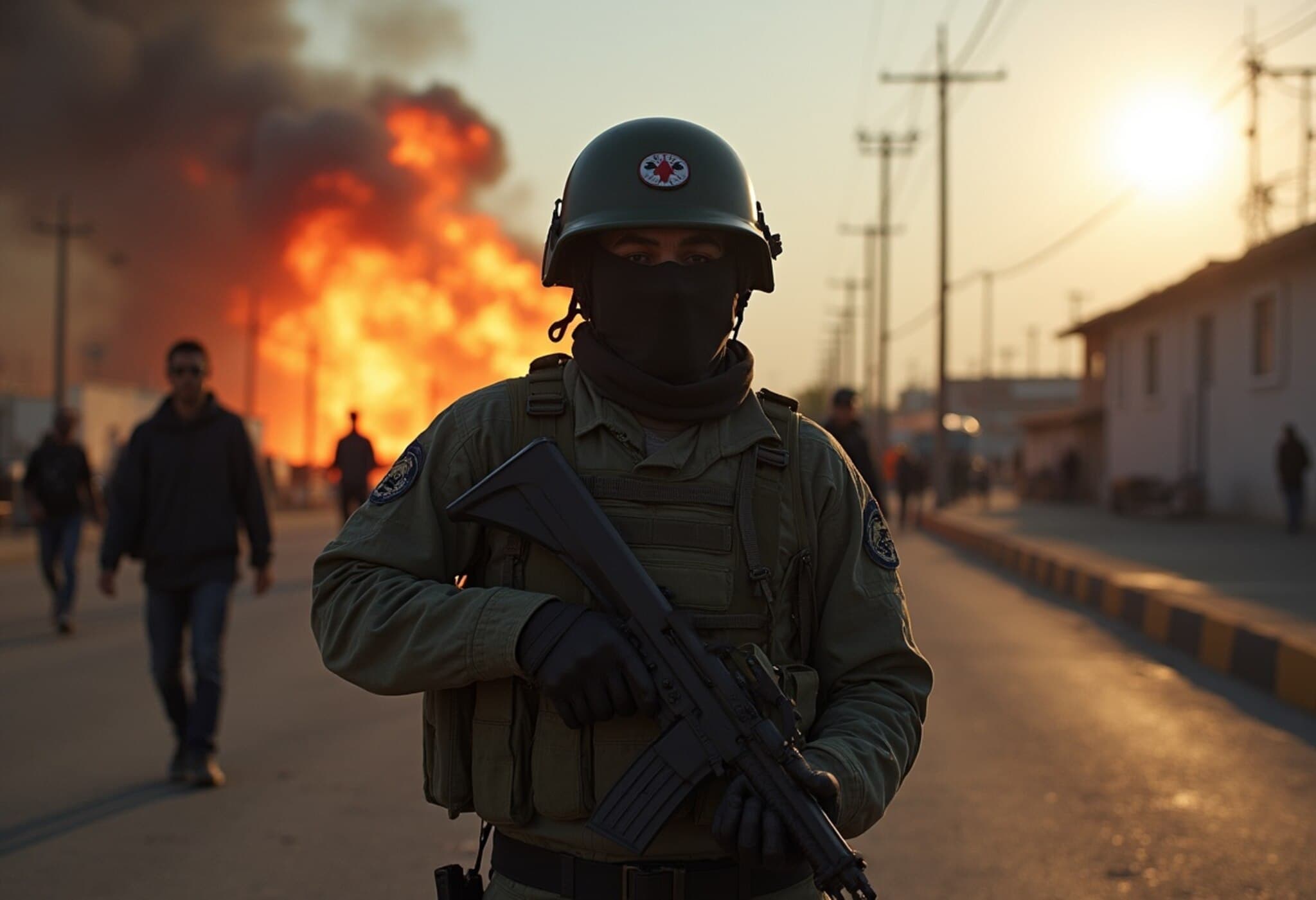
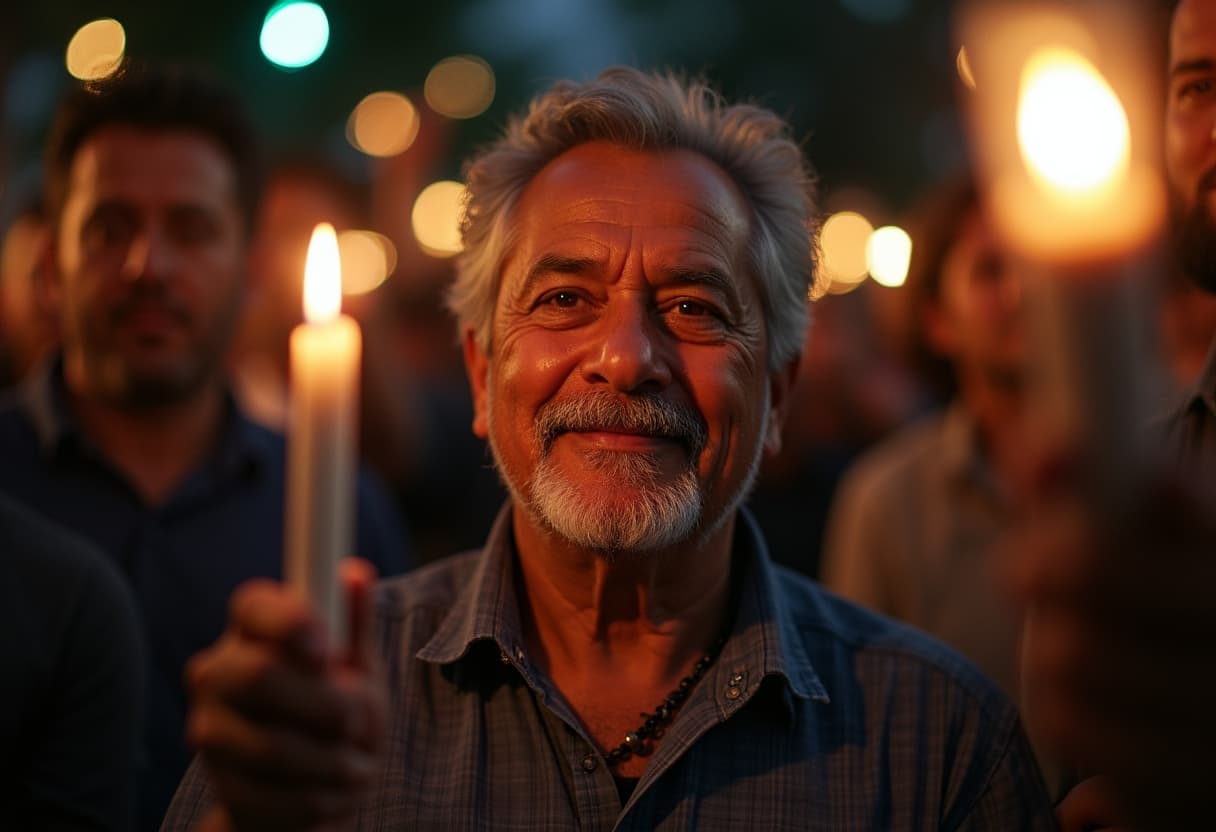
The shooting occurred shortly after 8 p.m. during a candlelight event in Uruapan, a city regarded as a flashpoint for cartel-related violence. Videos circulating on social media showed the terrifying moments when gunfire erupted, sending attendees fleeing in panic. Among the chaos, Manzo was targeted and critically wounded.
Authorities, including Michoacán’s Attorney General Carlos Torres Piña, confirmed Manzo’s death and reported that the suspected assailant was neutralized shortly after the attack, with two additional suspects detained. A 9-millimeter firearm was recovered from the scene.
Context: Michoacán’s Persistent Cartel Violence
Michoacán has long been a volatile hotspot in Mexico’s fierce drug war, with various criminal factions vying for control over lucrative trafficking routes. Local public officials in the region frequently face threats, kidnappings, and violence when taking a stand, making public security a perilous issue for politicians and civilians alike.
Significantly, Manzo was not the first local figure tragically silenced by these conflicts; notably, a journalist who had recently interviewed him was also murdered last year in Uruapan. This pattern underscores the dangerous intersection between organized crime, governance, and media freedom in regions burdened by narcotrafficking.
Political Ramifications and Calls for Reform
President Sheinbaum previously criticized Manzo when he advocated for more hardline tactics, including urging local police to shoot criminals attacking civilians, highlighting the complex debate in Mexico about the use of force and civilian protection amid rampant cartel aggression.
Manzo’s assassination raises urgent questions about the state and federal government’s ability to safeguard elected officials and local communities on the frontlines of Mexico’s drug war. It also spotlights the need for sustainable policing reforms, intelligence-sharing, and community-based strategies that bolster trust and security without escalating violence unchecked.
Expert Insight: What This Means for U.S.-Mexico Security Cooperation
From a broader regional perspective, Michoacán’s instability impacts the entire North American security landscape, as drug cartels continue to influence cross-border trafficking networks profoundly affecting American cities. The U.S. government’s ongoing partnership with Mexico on law enforcement and anti-narcotics operations requires adapting to the brutal realities officials like Manzo face daily.
Experts suggest that increased investment in judicial reforms, witness protection, and anti-corruption measures is essential to break the cycle of impunity driving such attacks. Additionally, expanding community engagement and economic development programs could undercut cartel recruitment by providing alternatives for vulnerable populations.
What Lies Ahead?
The shooting of Carlos Manzo is both a tragedy and a stark alert: the battle against Mexico’s drug cartels remains a deadly endeavor fraught with political complexities and human costs. As investigations proceed, there is hope that this incident will galvanize broader, more effective policies addressing the root causes of violence and reinforcing protections for those bravely confronting organized crime.
Summary
- Carlos Manzo, mayor in Michoacán, was assassinated after demanding stronger anti-cartel measures.
- The attack occurred amid a candlelight vigil in the volatile city of Uruapan.
- Michoacán is a critical battleground for Mexico’s violent drug cartels.
- Political friction exists between Manzo and President Claudia Sheinbaum’s administration over security strategies.
- The incident exposes ongoing risks for local officials and highlights the urgent need for security reforms.
Editor's Note
Carlos Manzo’s assassination serves as a somber reminder of the perilous environment confronting Mexico’s local leaders who dare to challenge entrenched criminal networks. While the headlines often focus on cartel violence, less attention is given to the political and structural challenges that undermine security efforts. This tragedy compels journalists, policymakers, and citizens alike to examine the fragility of Mexico’s democratic institutions under siege and consider how international collaboration and domestic reforms can create safer communities. Readers are encouraged to reflect on how violence influences governance and the broader implications for U.S.-Mexico relations in combating the global drug trade.