On the Front Lines: Funeral Workers Navigating the Human Toll of Cartel Violence in Sinaloa
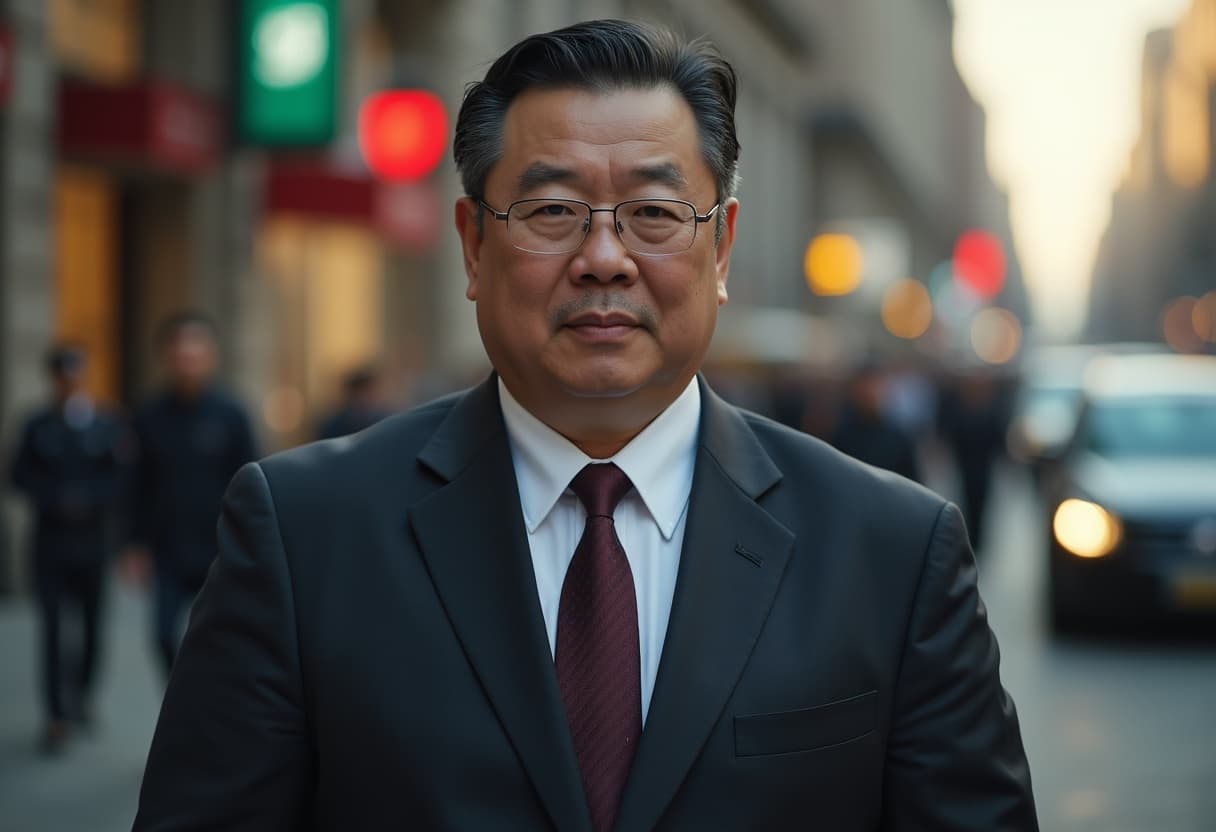
In Culiacán, the capital of Mexico’s turbulent Sinaloa State, death is not an isolated tragedy—it is a relentless tide. Every day, funeral workers like Ramón Javier Soto Alvarez and Josué Nahum García confront the devastating aftermath of a cartel war that has turned their streets into battlegrounds and their lives into runs of grim emergencies.
When Violence Leaves Families Broken
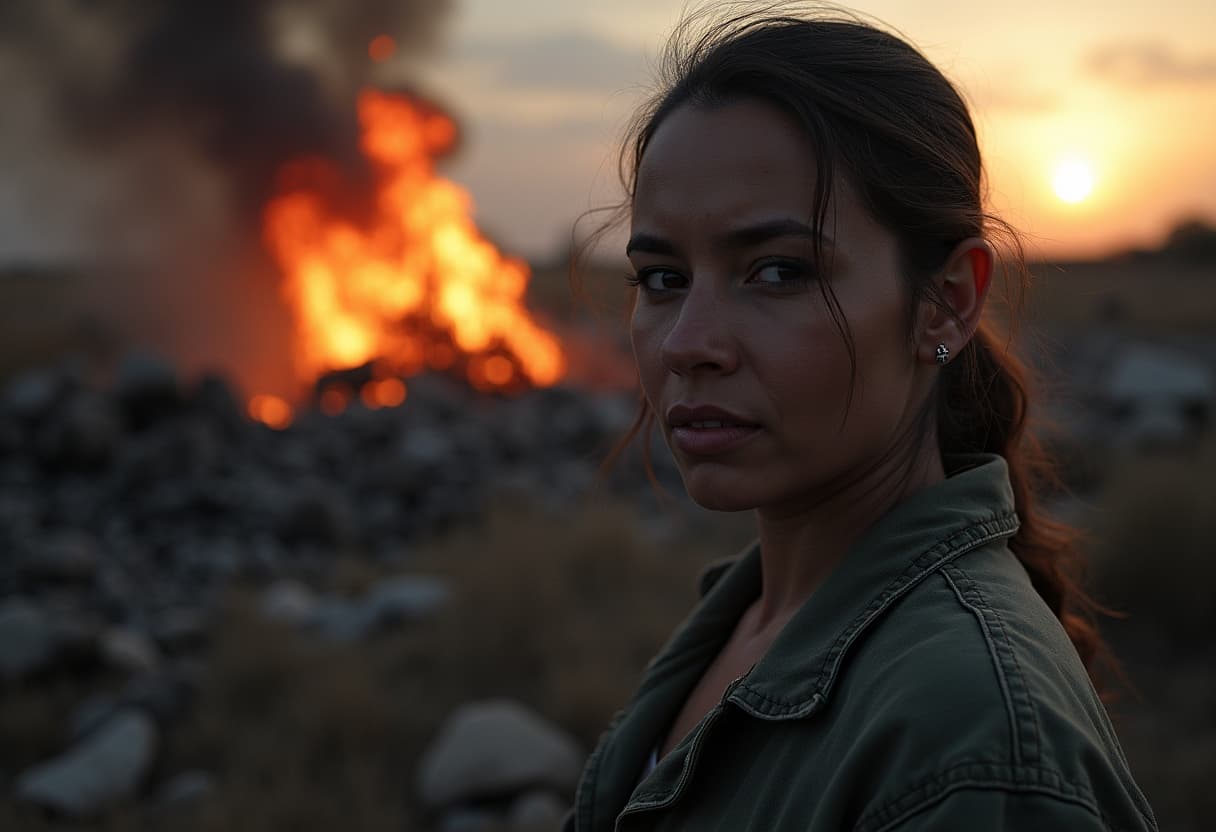
Ramón Soto arrived at a recent crime scene to find a man barely clinging to life. Amid the chaos, a woman’s anguished wails echoed, her knees buckling in grief, while a chilling cartel warning lay nearby: "You know who is next." This moment captures the brutal reality for these funeral workers—emotionally guarded, yet painfully aware of the heavy human cost unfolding all around them.
Once seen as dignified caretakers guiding families through loss, funeral workers in Culiacán are now involuntarily enmeshed in one of the deadliest conflicts fueled by the powerful Sinaloa Cartel. The cartel’s internal strife and the government’s intensified crackdown have left the state drowning in violence, with over 1,900 confirmed deaths and 2,000 missing persons reported in just the past year.
Lives on Perpetual Standby
For nearly 30 funeral workers in Culiacán, each day blurs into the next in a painful cycle of recovery and mourning. They respond swiftly to crime scenes, hospitals, and morgues—often overwhelmed by the sheer number of bodies the police cannot immediately recover.
- Transporting the deceased from morgues to funeral homes
- Navigating bureaucratic red tape alongside grieving families
- Preparing and embalming bodies with dignity
- Coordinating funerals, memorials, and burials
Josué Nahum García, who has spent 14 years in the profession, recounted recovering 262 bodies in one recent month, half victims of violent killings. Yet the emotional weight is hardest when innocence is lost—such as the day he recovered the bodies of a father and his two sons, ages 14 and 8, caught in a fatal moment of panic during cartel crossfire. The heartbreak remains raw, leading him to lock himself away and weep silently at home.
Beyond the Job: Humanity Amid Horror
Despite their exposure to relentless violence, many funeral workers find meaning in restoring dignity to the dead and offering solace to shattered families. Embalmer Gérman Sarabia carefully crafts the appearance of peace on each body, aiming to provide a moment of calm for mourners amidst the chaos.
"The greatest comfort comes when a family tells me, ‘He looks peaceful, as if just sleeping,’" Sarabia explained. Their work often extends into counseling families through complex legal processes, acting as a crucial bridge during harrowing times.
The Emotional Cost Behind the Paycheck
While heightened violence has increased their monthly earnings by roughly one-third—now around $1,000 USD—the psychological toll is immense. Javier Aragón, with 16 years at Emaús Funerary Home, candidly shared, "I would trade that money to feel free and unafraid."
The victims range from ordinary citizens caught in the crossfire to teachers and children on their way to school, often discovered in fields, canals, or riddled inside vehicles—many showing signs of torture or arbitrary execution. The common thread is indiscriminate loss that wages its own war on humanity.
Survival and Solidarity in the Shadows of Death
To survive the relentless exposure to trauma, funeral workers develop coping mechanisms—emotional detachment, counseling, or sometimes an unsettling numbness. Yet the deeply personal impact cannot be escaped, as in the haunting story of Guillermo Torres Rangel, who once returned to retrieve a body found in a submerged car, only to discover it was his own sister, missing for months. The tragedy led him into depression and departure, only to reluctantly return out of necessity.
These workers find solidarity in each other, forming a close-knit fraternity that operates through long shifts, grief, and the omnipresent threat of violence. Though many silently wish for peace, they recognize their role as an essential, if tragic, part of a fractured society.
Expert Commentary: The Unseen Front Line of Mexico’s Security Crisis
Funeral workers in Sinaloa exemplify how cartel violence permeates beyond immediate victims to fracture entire communities and institutions. From a policy standpoint, their experiences highlight the urgent need for comprehensive strategies addressing not just armed conflict but the cascading psychosocial trauma — including increased mental health services and social support for those dealing with the fallout.
Economically, these workers’ increased income reflects grim market dynamics—where violence creates demand for death-related services. This paradox raises critical questions about how economic hardship and the normalization of violence shape social behavior and occupational risks.
For U.S. policymakers monitoring the border and cartels, understanding the human toll on sectors like funeral services reveals the complexity of Sinaloa's crisis and underscores that any approach must incorporate humanitarian and social resilience components alongside law enforcement.
Editor’s Note
As Sinaloa’s cartel war rages on, the stories of funeral workers piercing beneath statistics remind us death is far more than numbers—it is grief, trauma, and resilience. Beyond tactical responses to violence, addressing the silent emotional battles faced by communities on the front lines reveals paths toward holistic healing. How can local institutions, governments, and international partners better support those who bear the weight of loss every day? This remains a pressing question as the cycle of violence continues.