
Ecuador Votes Against Hosting U.S. Military Base: Public Rejects Foreign Military Expansion
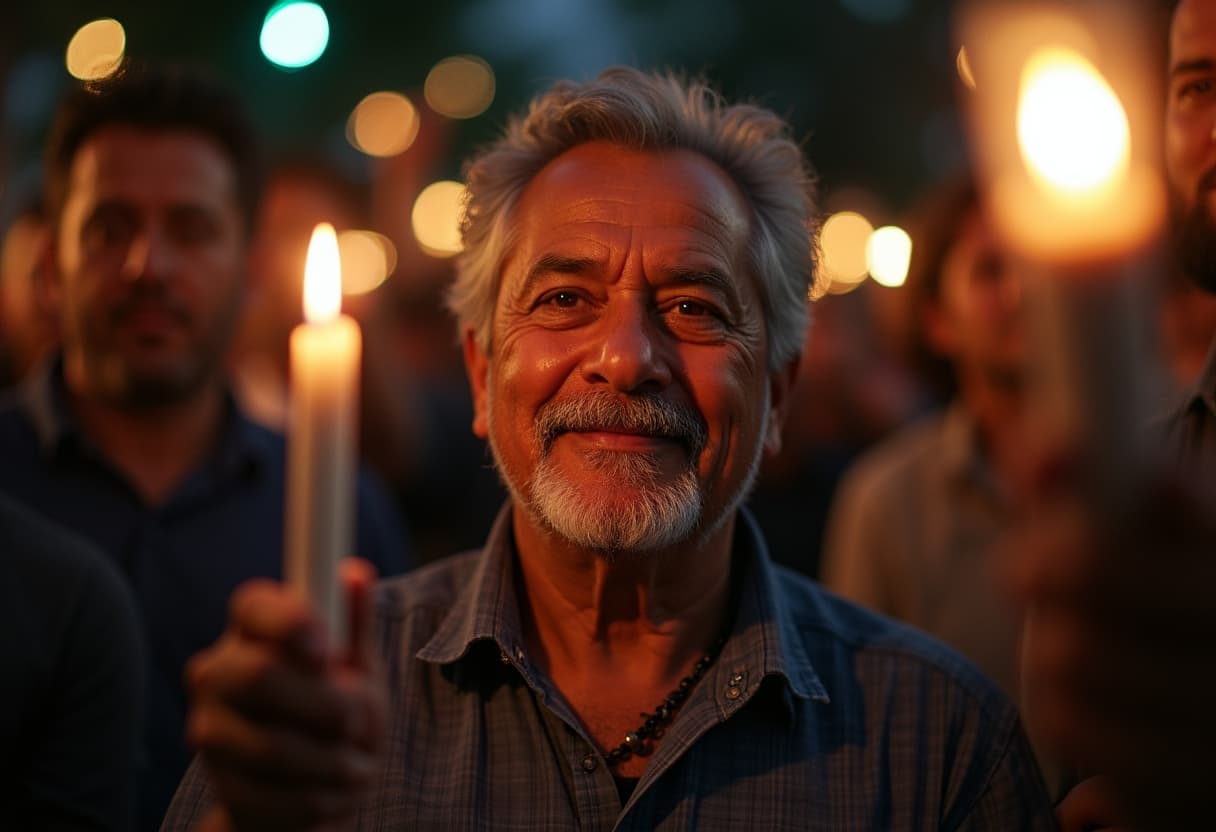
In a decisive referendum held on November 17, 2025, Ecuadorian voters emphatically rejected a proposal that would have authorized an American military presence on Ecuadorian soil. With over 61% voting no and nearly all ballots counted, the result marks a significant setback for President Daniel Noboa, who had vigorously pursued closer military cooperation with the United States.
Background: Noboa’s Push for U.S. Security Alliance
Since taking office in 2023, President Noboa has been actively courting Washington, seeking to strengthen bilateral ties amid a surge of drug-related violence in Ecuador. His overtures included meetings with then-President Donald Trump at Mar-a-Lago and enlisting the support of Erik Prince, founder of the controversial private military company Blackwater.
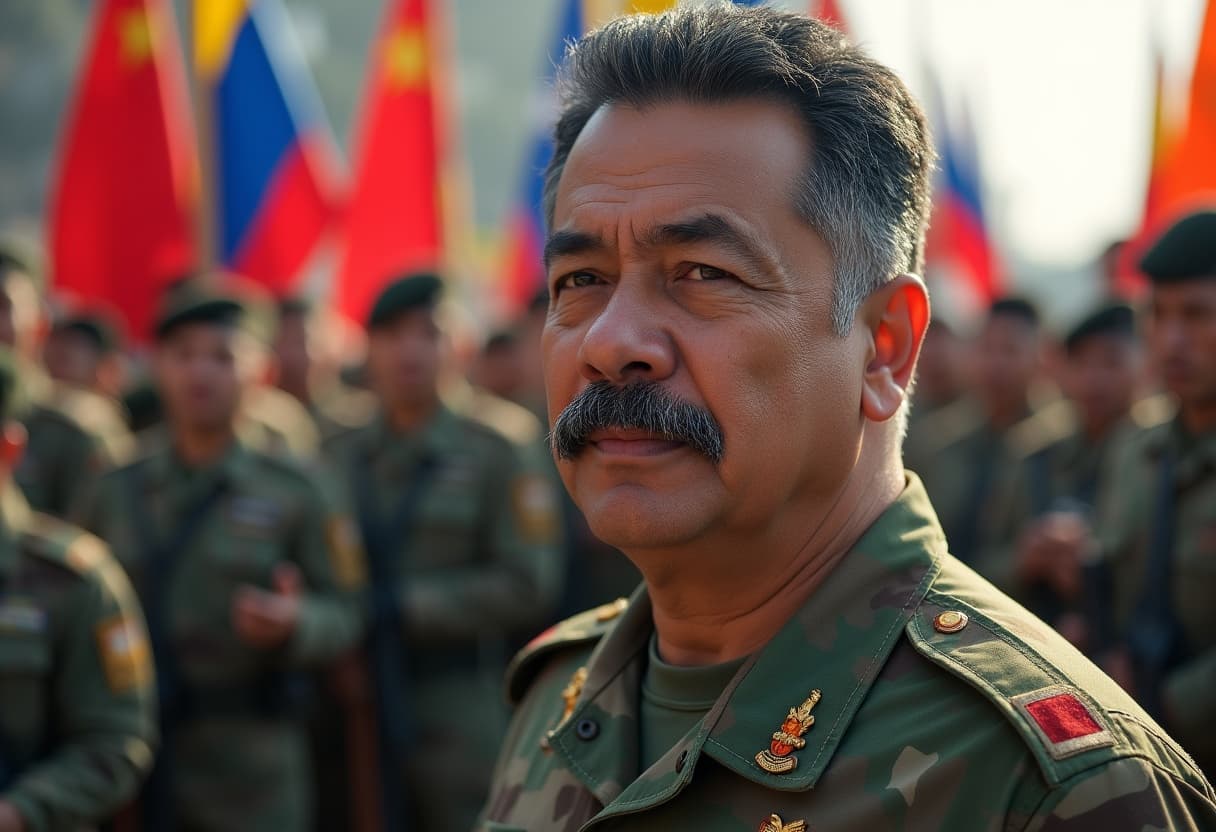
Central to Noboa’s agenda was the controversial plan to permit U.S. military bases in Ecuador — a move that would break from longstanding constitutional provisions that explicitly prohibit foreign military installations. The president argued that such a presence would be pivotal in combating the swelling influence of drug cartels and armed gangs that have plagued the nation’s borders and urban centers.
Why the Referendum Failed: Voters Say "No" to Foreign Military, But More to Discontent
Despite Noboa’s framing of the referendum as a critical step towards enhanced security, the vote revealed layers of public skepticism, largely grounded in domestic frustrations. Analysts suggest the resounding “no” was less a straightforward rejection of the U.S. military campaign and more a reflection of widespread dissatisfaction with Noboa’s governance and unfulfilled promises.
Crime rates are climbing, with murders increasing and prisons increasingly controlled by criminal gangs. The government has also been rocked by crises including deadly protests over fuel subsidy cuts, alarming urban explosions, multiple prison massacres, and shortages in essential medicines—all contributing to a sense of administrative failure.
As Pamela León, a political analyst based in Guayaquil, puts it, “He didn’t lose because of Trump — he lost for promising transformation without administrative credibility.”
Historical Context: Ecuador’s Complex U.S. Relations and Security Challenges
Relations between Ecuador and the United States have historically been fraught. During Rafael Correa’s presidency (2007–2017), Ecuador expelled U.S. military forces, citing sovereignty concerns—this move, some experts argue, inadvertently weakened regional border security and allowed drug trafficking networks to flourish unchecked.
The current campaign against alleged drug-smuggling vessels by the U.S. military in nearby waters has further complicated the regional security landscape. Yet, U.S. officials have not presented convincing evidence that these boats were involved in narcotics trafficking, drawing legal criticism over potential breaches of international law.
Public Sentiment and Environmental Concerns
While Ecuadorians generally favor good diplomatic relations with the United States, many voters were uneasy with the vague plans surrounding the proposed bases. The suggestion of positioning a U.S. base near the ecologically sensitive Galápagos Islands sparked considerable backlash, given the islands’ status as a globally cherished biodiversity hotspot and a source of national pride.
Moreover, Noboa’s recent moves, such as approving tax amnesty legislation favoring his family’s extensive banana-exporting enterprise, have stirred skepticism over his motivations and credibility.
Economic and Political Implications
Just days before the referendum, Noboa struck a deal with the U.S. to lower tariffs on American imports, while securing removal of certain levies on Ecuadorian exports — a move aimed at revitalizing trade ties. However, this did little to sway the electorate, indicating deep-rooted economic and social grievances.
Looking Ahead: What the Vote Means for Ecuador and U.S.-Latin America Relations
At 37, Noboa burst onto the political scene promising dynamic change, leveraging social media savvy and a law-and-order platform. His narrow re-election in April had seemed to reaffirm popular trust. Yet the referendum’s result underscores a shifting public mood: patience has waned, and citizens demand tangible improvements, not just promises.
As Glaeldys González Calanche of the International Crisis Group observes, “The honeymoon period has ended; the public is no longer giving him that space or trust. Now people want to see change and results.”
Expert Insight: The Bigger Picture for Regional Security
Ecuador’s decision not to host a U.S. military base sheds light on the broader dilemma facing Latin America: balancing sovereignty and security. While U.S. efforts to stem drug trafficking are well-intentioned, imposing military solutions across sensitive national territories can backfire, fueling distrust and nationalist backlash.
For U.S. policymakers, this vote sends a clear message that any future security cooperation must be grounded in transparent dialogue, respect for sovereignty, and robust domestic reforms—in Ecuador and across the region.
Editor’s Note
The Ecuadorian referendum represents more than a simple “yes” or “no” on U.S. military presence; it is a vivid barometer of public opinion on governance, security, and national identity amid rising violence and social unrest. President Noboa’s ambitious security plans faltered against the realities of domestic dissatisfaction and environmental concerns, offering a cautionary tale for leaders balancing international partnerships with internal demands. As Ecuador navigates these turbulent waters, questions remain: How can the country confront drug violence without compromising its sovereignty? What role should the U.S. play in Latin America’s complex security landscape going forward? These issues warrant close attention as Ecuador seeks stability and the region aims for equitable, effective solutions.