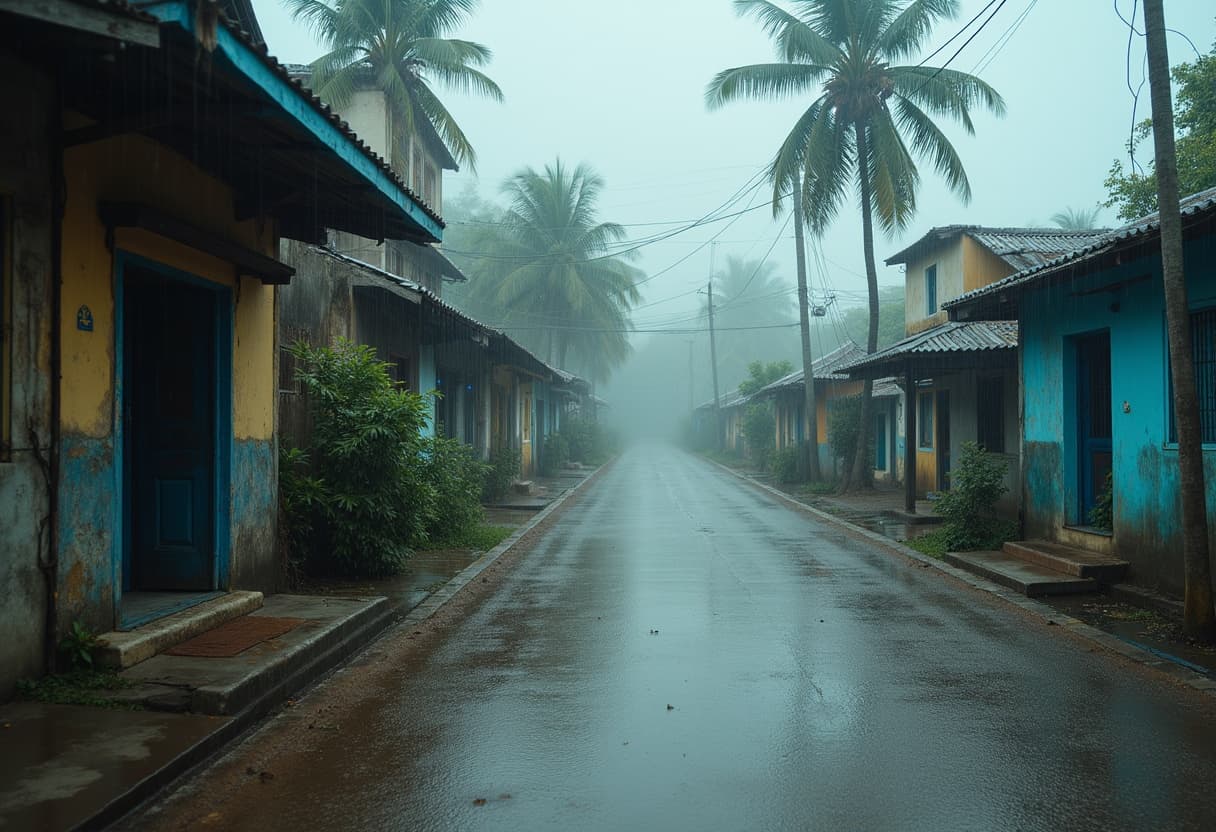

Jamaica’s Urgent Plea: Tourism Revival After Hurricane Melissa
Nearly a week and a half after Hurricane Melissa, the most powerful storm to ever hit Jamaica, left the island battered and powerless in places, a palpable determination is emerging across this Caribbean nation: the call for tourists to return. Tourism forms the bedrock of Jamaica’s economy—accounting for almost one-third of its GDP—and with the storm devastating much of the western coast, the government and business owners alike are racing against time to salvage the vital winter travel season.
Darkness and Determination in Negril
In Negril, a picturesque beach town renowned for its turquoise waters and white sands, locals like Kellanie Kerr are working and living through the crisis. Standing by flashlight in her small souvenir shop—swarms of flies unbothered by the oppressive heat and absence of electricity—she knows the stakes are high. Asked how much Negril depends on tourism, she replied without hesitation, "Ten out of ten, or even one hundred, because that’s what we use here to survive."
Kerr’s sentiment echoes across the island where more than half a million Jamaicans are tethered to the fortunes of the tourism sector, either directly as frontline hospitality workers or indirectly through ancillary services.
Devastation From the Storm and Challenges Ahead
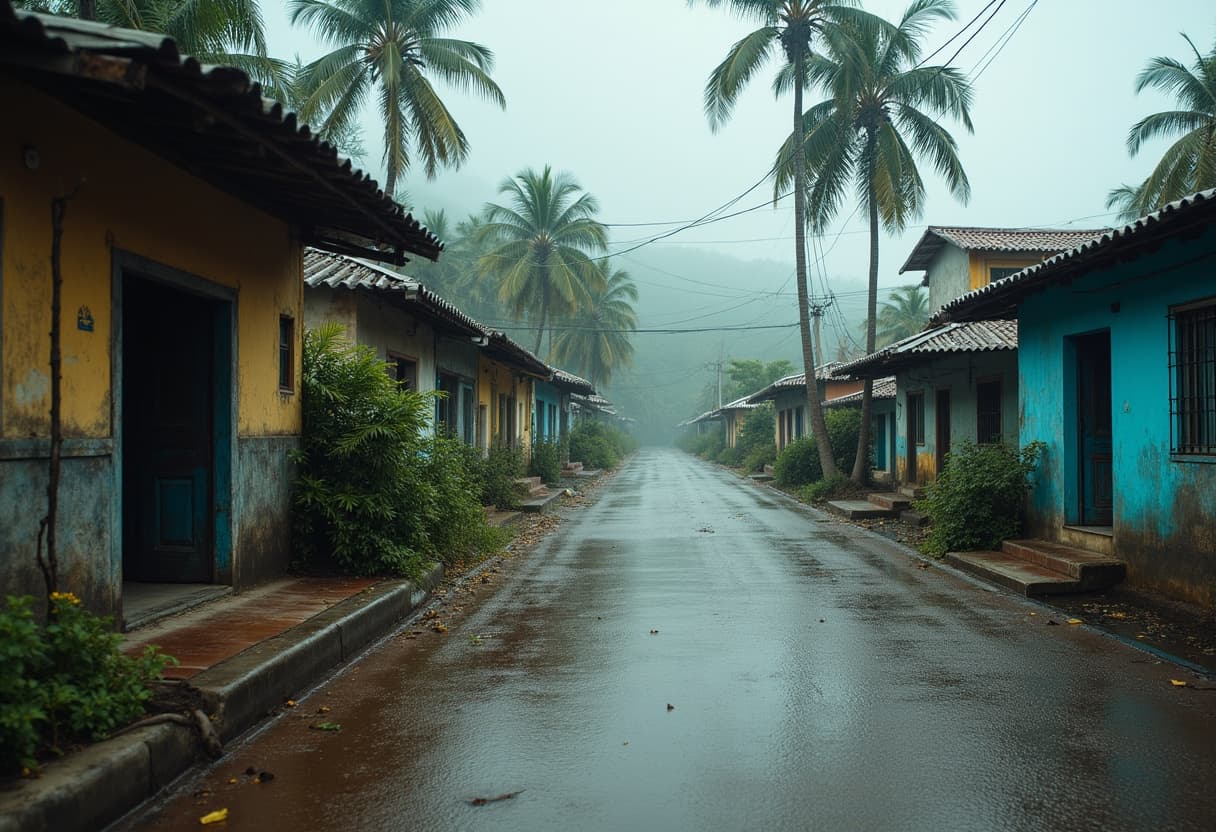
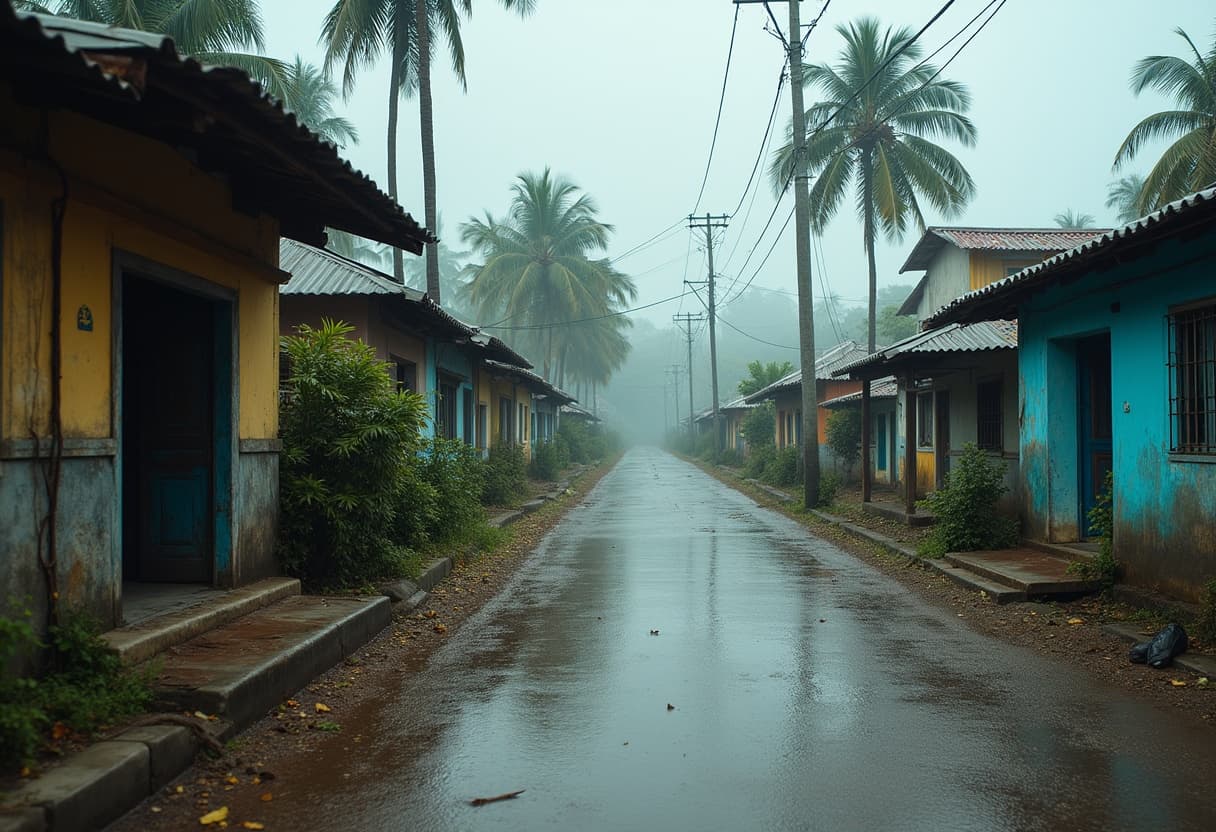
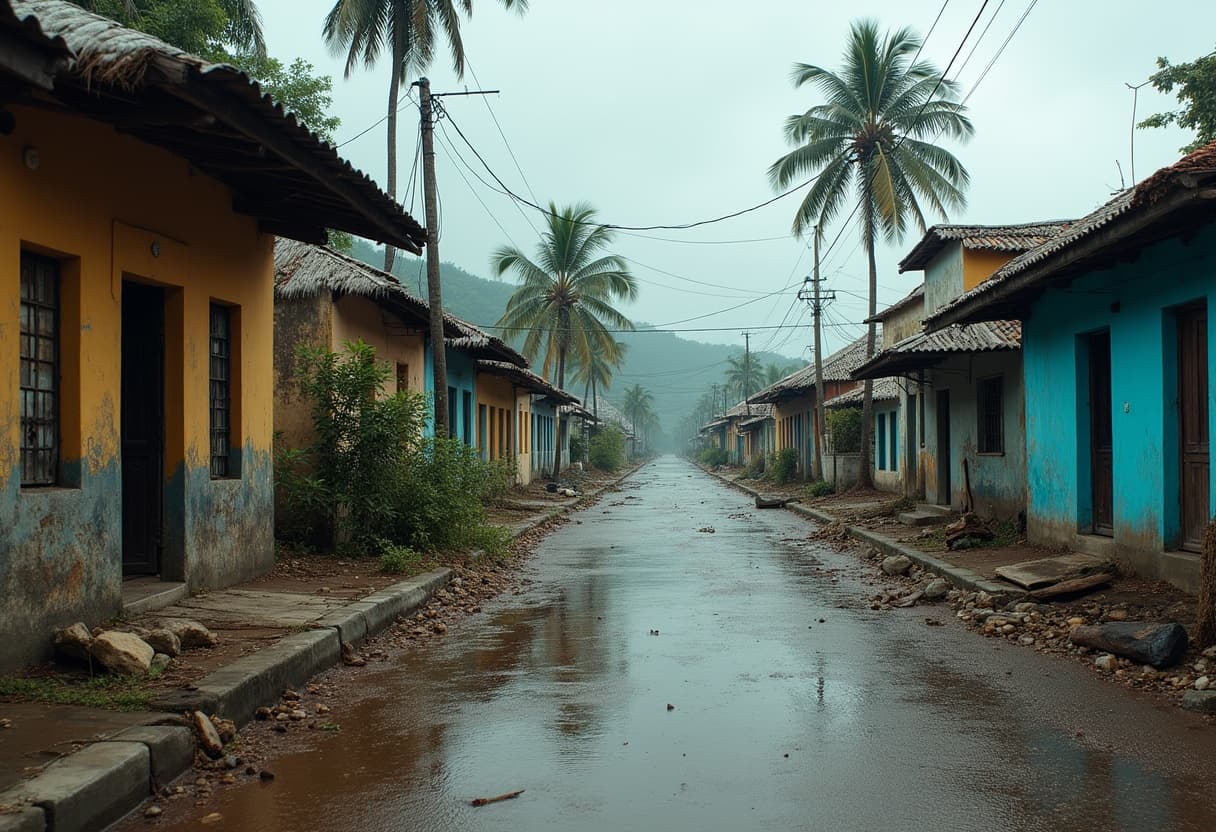
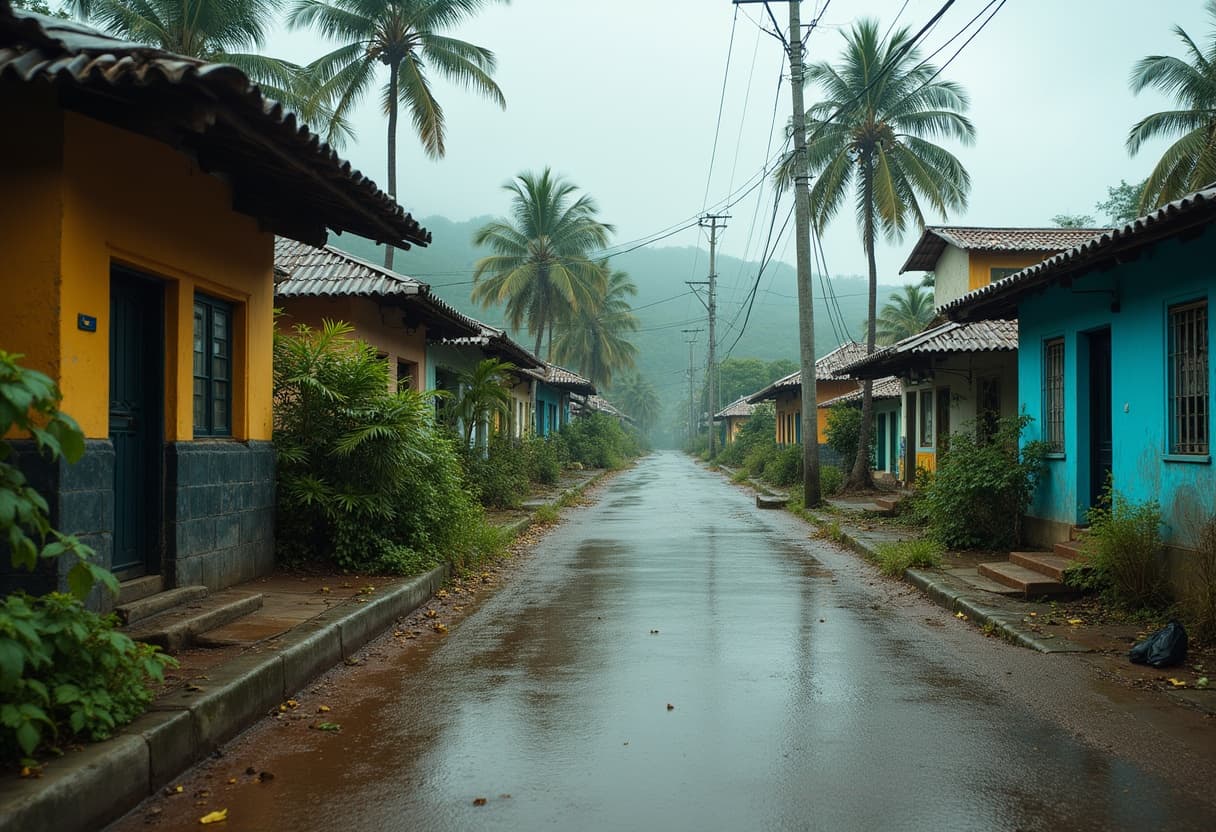
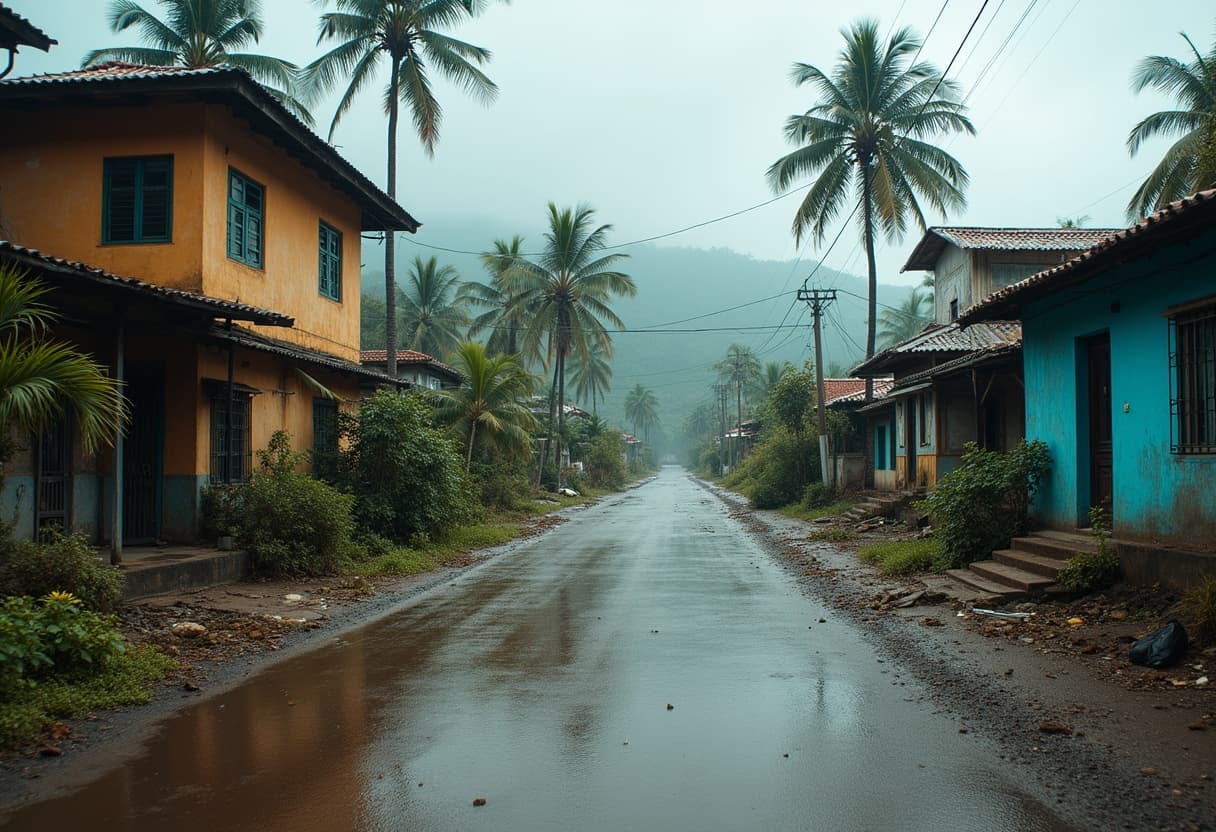
Hurricane Melissa, which struck Jamaica in October as a Category 5 storm, left a death toll of at least 45 and damaged approximately 150,000 homes and buildings. Beyond the heartbreaking human toll, the storm’s fierce winds and relentless flooding ravaged many hotels and resorts — the beating heart of Jamaica’s economic engine.
With the crucial winter travel season looming, officials have set an ambitious target: to have hotels operational and ready to welcome tourists by December 15, often considered the official start of the season. However, many hotel operators remain skeptical about meeting this deadline, given the scale of destruction and the challenges of restoring power and basic infrastructure.
Government and Industry Mobilize Recovery Efforts
The Jamaican government, in partnership with private entities and international aid, has launched recovery initiatives focusing on rapid repair and infrastructure renewal. Investments in reviving the electricity grid, clearing roads, and ensuring water purity are underway, but the process remains painstakingly slow.
Experts warn that rebuilding Jamaica’s tourism sector post-Melissa goes beyond infrastructure: it's about restoring traveler confidence. In an increasingly competitive Caribbean market, tourists weigh destination safety, service quality, and overall experience. Thus, Jamaica’s narrative is pivoting to one of resilience and warm welcome.
Why Jamaica's Reopening Matters Beyond Tourism
- Economic Stability: Tourism sustains jobs for millions and drives foreign exchange inflows crucial to Jamaica's balance of payments.
- Social Rebuilding: Reviving tourism helps communities regain income and social normalcy after the traumatic disaster.
- International Perception: Jamaica’s ability to reopen swiftly will impact its brand equity as a premier Caribbean destination.
Underreported Challenges and Critical Questions
While the push to revive tourism is urgent and necessary, there are deeper questions at play. How will Jamaica balance this economic imperative against environmental sustainability, especially as the climate crisis intensifies hurricane threats? Are there systemic supports for the workers and small businesses vulnerable to such shocks? And, importantly, what lessons can be drawn to fortify Jamaica’s disaster preparedness and resilience moving forward?
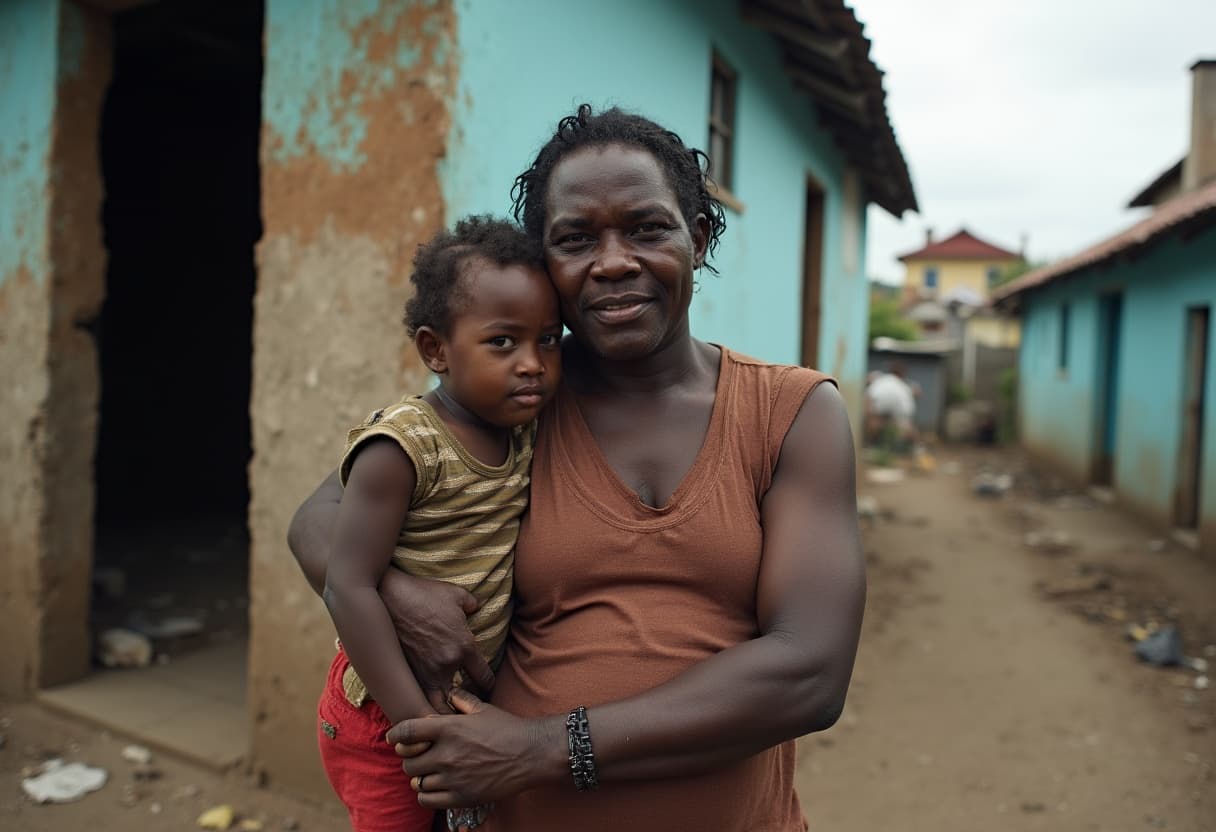
The human stories—like Kellanie Kerr’s unwavering optimism amid adversity—highlight both the fragility and the indomitable spirit of this island nation. Their message is clear: Jamaica is ready to welcome the world back with open arms, but the journey to full recovery remains precarious and complex.
Editor’s Note
Jamaica’s rapid response to Hurricane Melissa encapsulates a broader challenge for hurricane-prone economies—how to swiftly rebuild without compromising long-term resilience. As climate change continues to upend traditional weather patterns, destinations like Jamaica become case studies in balancing economic recovery with strategic adaptation. For travelers, understanding this context adds depth to the simple act of booking a vacation—turning it also into a contribution toward supporting a nation striving to heal and thrive.