Caribbean Nations Brace for Historic Impact from Hurricane Melissa
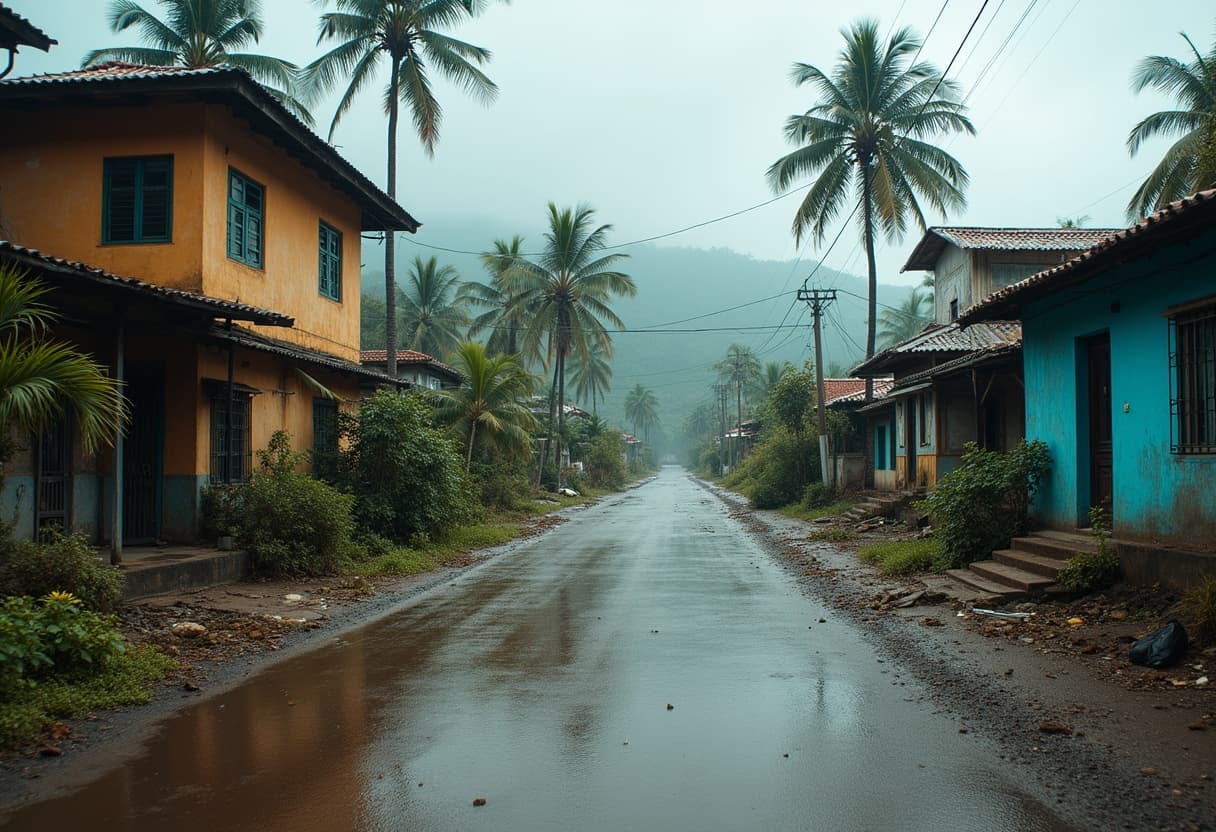
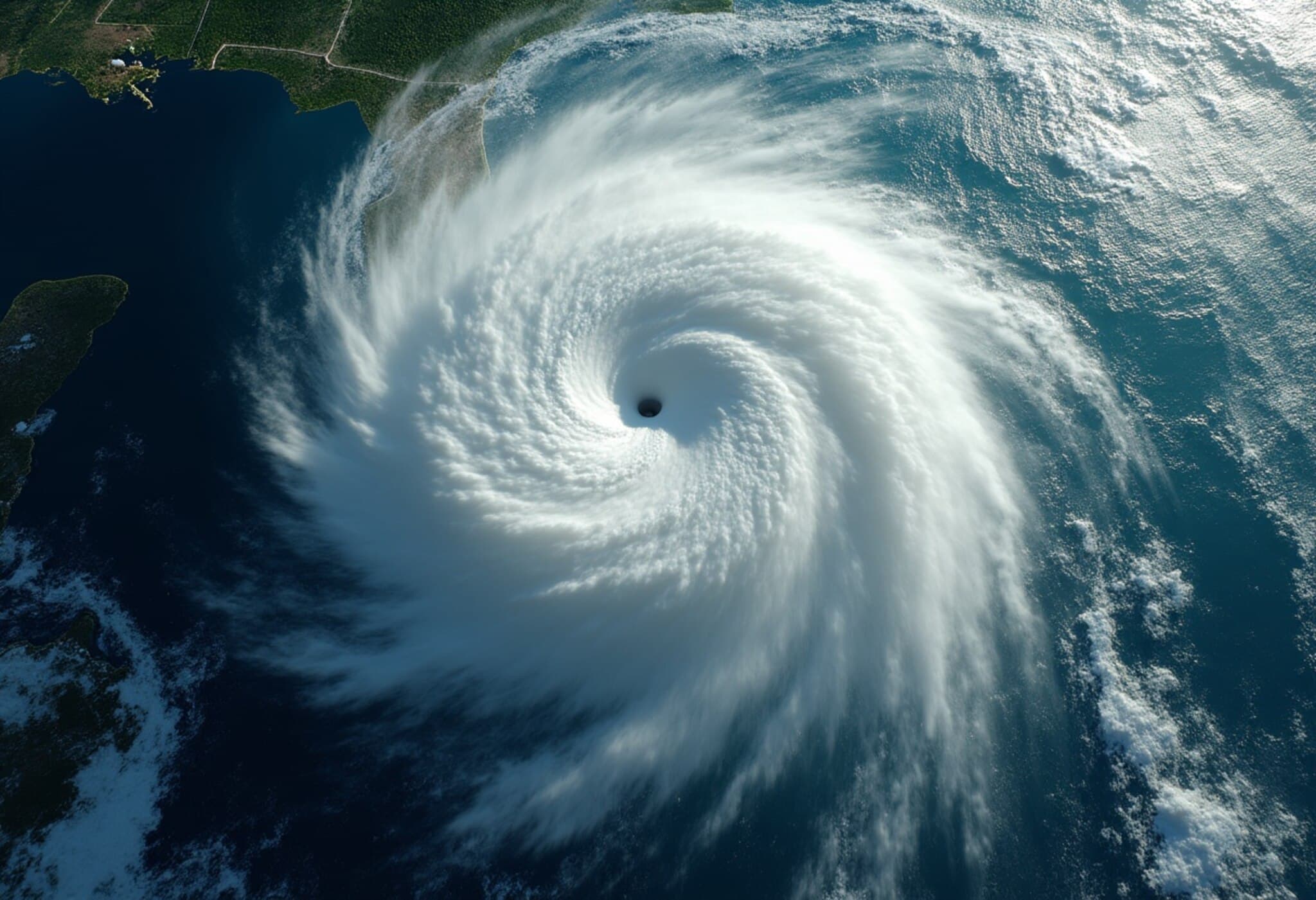
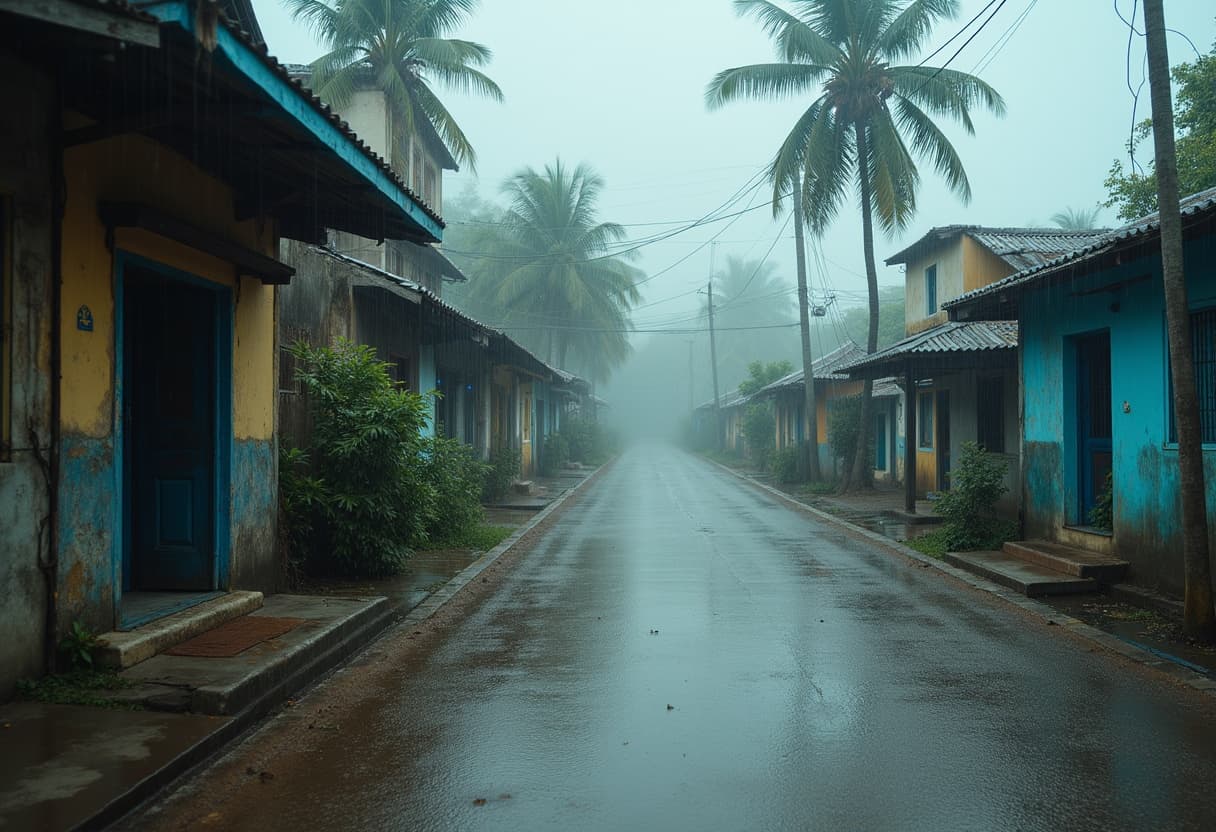
As Hurricane Melissa churns its way slowly across the Caribbean, governments and communities from Haiti to the Bahamas are scrambling to prepare for what experts are calling potentially the most devastating storm in recent memory. Meteorologists warn that this Category 4 hurricane could unleash unprecedented rainfall and catastrophic flooding in the region, with life-threatening consequences.
Record-Breaking Rainfall and Storm Surge Threaten Lives and Infrastructure
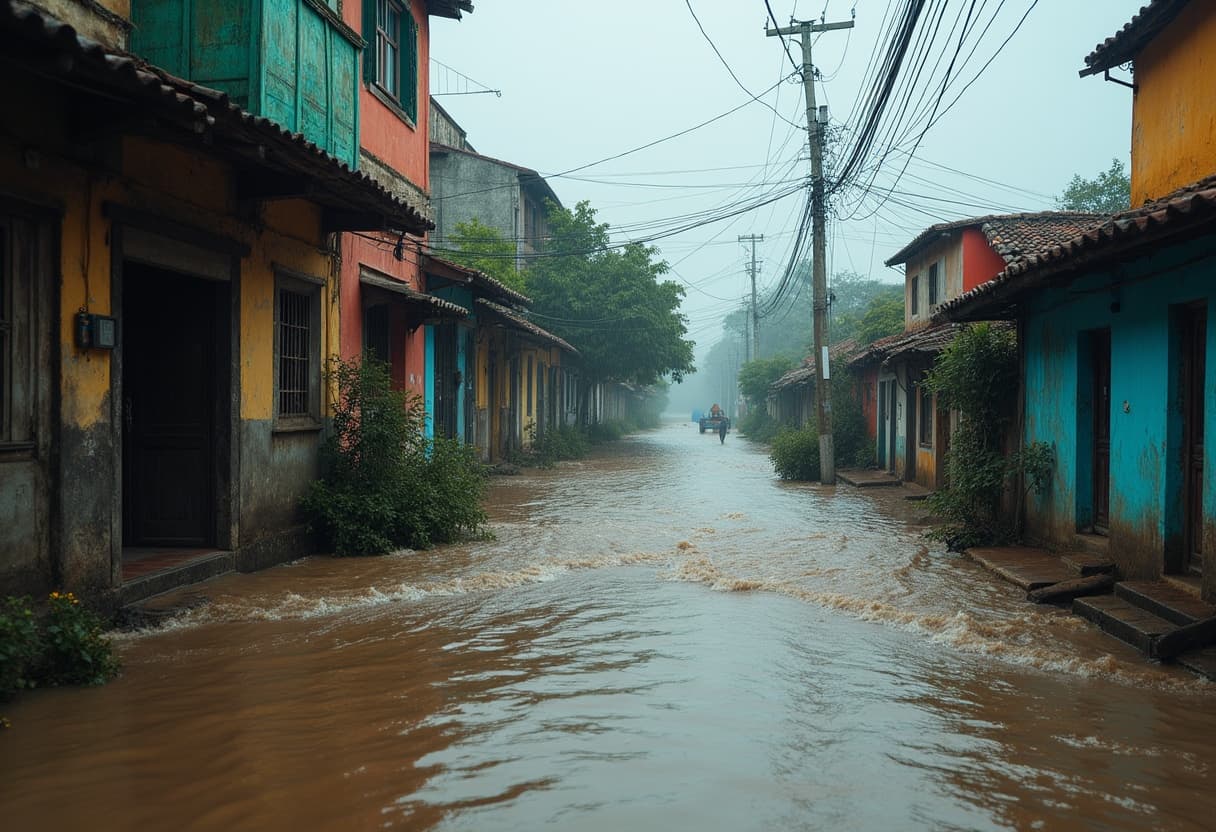
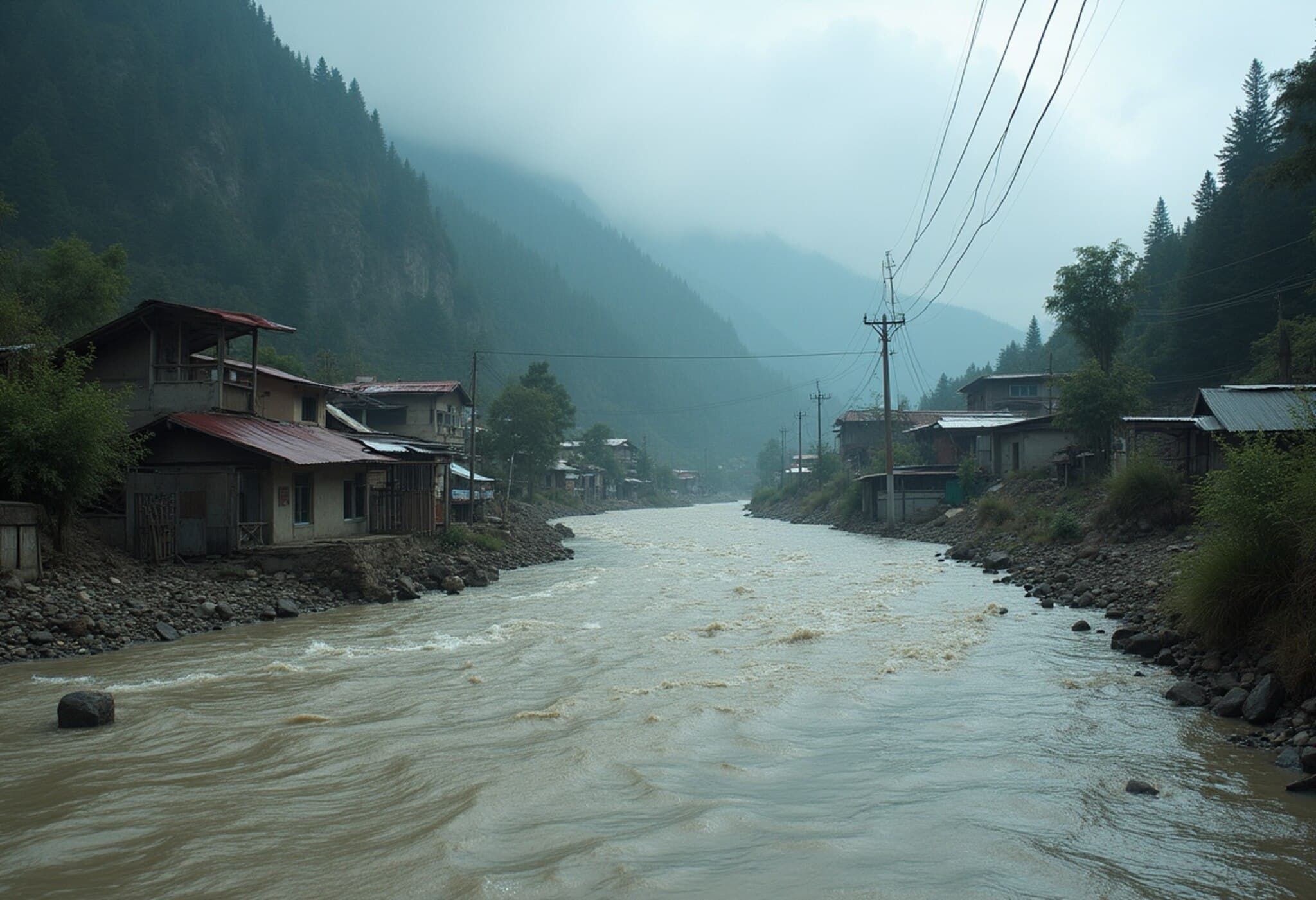
Forecasters are projecting up to 35 inches of rain in some areas as Hurricane Melissa cuts a westward path through the Caribbean. The Caribbean Disaster Emergency Management Agency has issued grave warnings of storm surges reaching eight feet or higher along Jamaica’s coast and widespread flash flooding and landslides across southern Haiti and the island of Jamaica.
Evan Thompson, head of Jamaica’s Meteorological Service, remarked, "We are witnessing a dangerous shift in the hurricane's track, now expected to make landfall near Manchester Parish instead of Clarendon." This shift could expose densely populated areas to the storm's full fury, bringing fierce winds and relentless rain that would severely test the island’s infrastructure.
Emergency Responses Intensify Across the Region
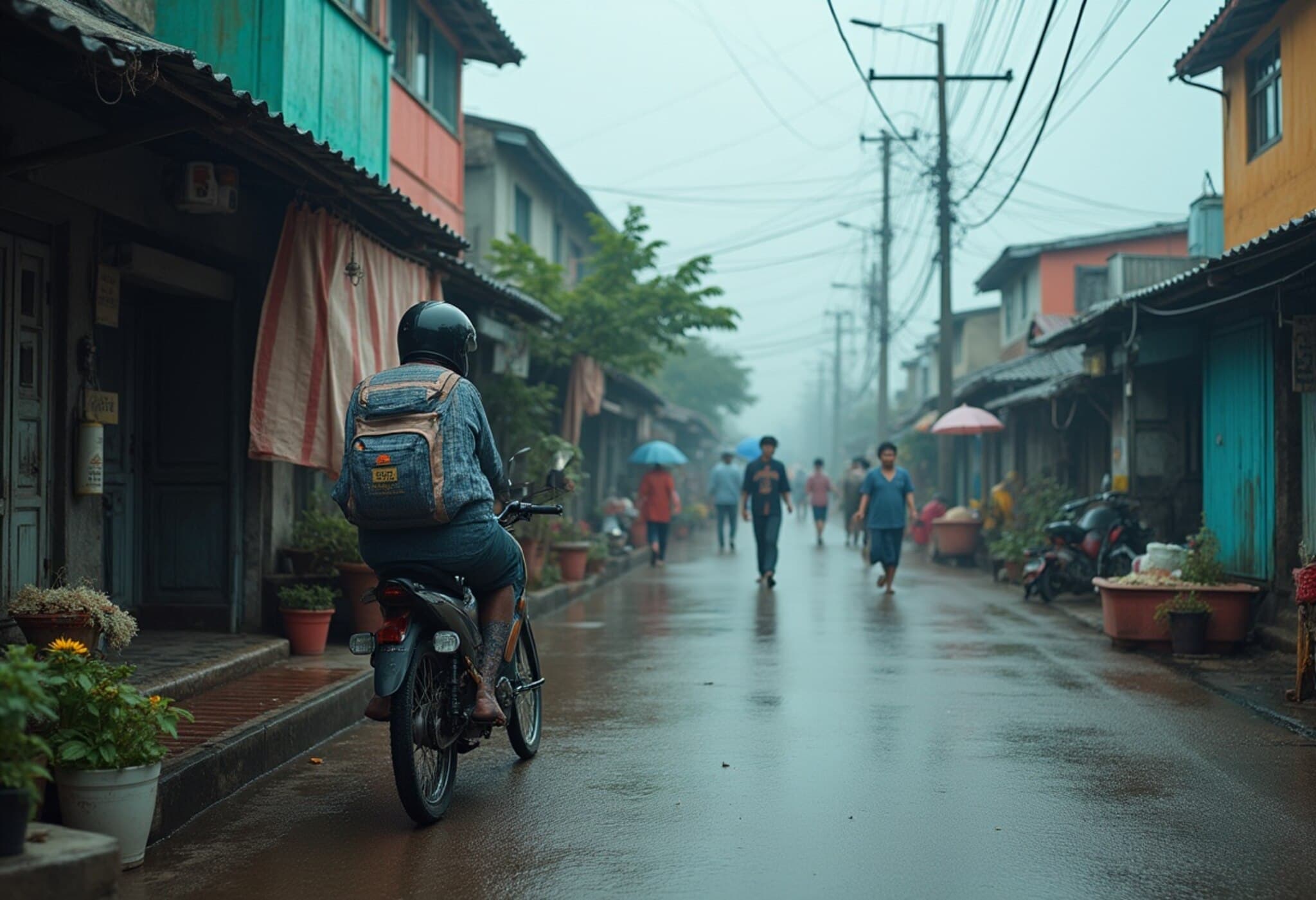
- Jamaica: Authorities have activated disaster management committees. Supermarkets and gas stations show signs of panic buying, highlighting growing public concern.
- Haiti: With at least three deaths already reported, emergency shelters house about 2,000 displaced people. Communities under gang control hinder full emergency reach. The United Nations World Food Program is disbursing emergency cash aid to approximately 45,000 individuals totaling $900,000.
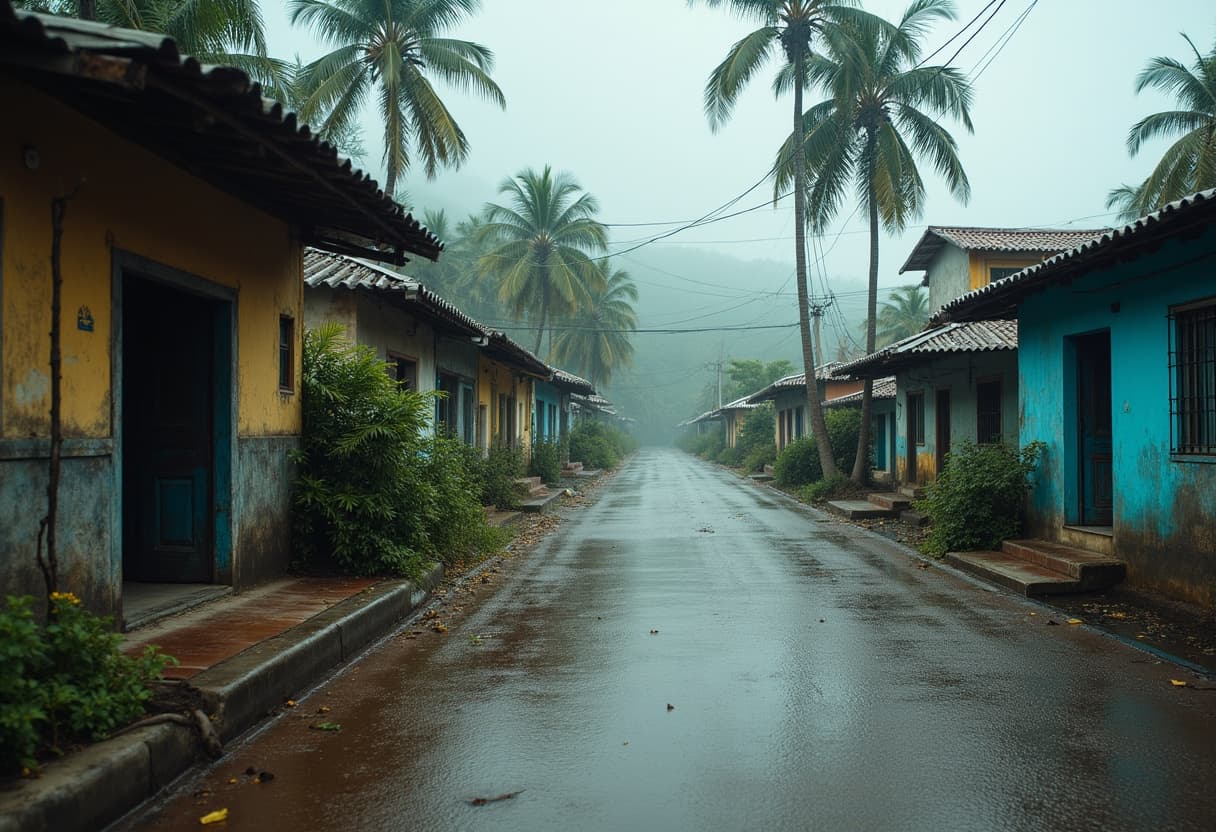
- The Dominican Republic: Nearly 4,000 people have been evacuated, and four southern provinces remain on red alert. Officials stress the flood risk from heavy rains may trigger landslides, warning citizens to stay indoors and heed evacuation orders.
- Cuba: Six provinces under hurricane watch, with preemptive measures such as drain cleaning and tree trimming underway to minimize damage.
- The Bahamas: Coastal evacuations and preparedness are ongoing amid growing storm concerns.
Human Toll and Societal Challenges Highlighted
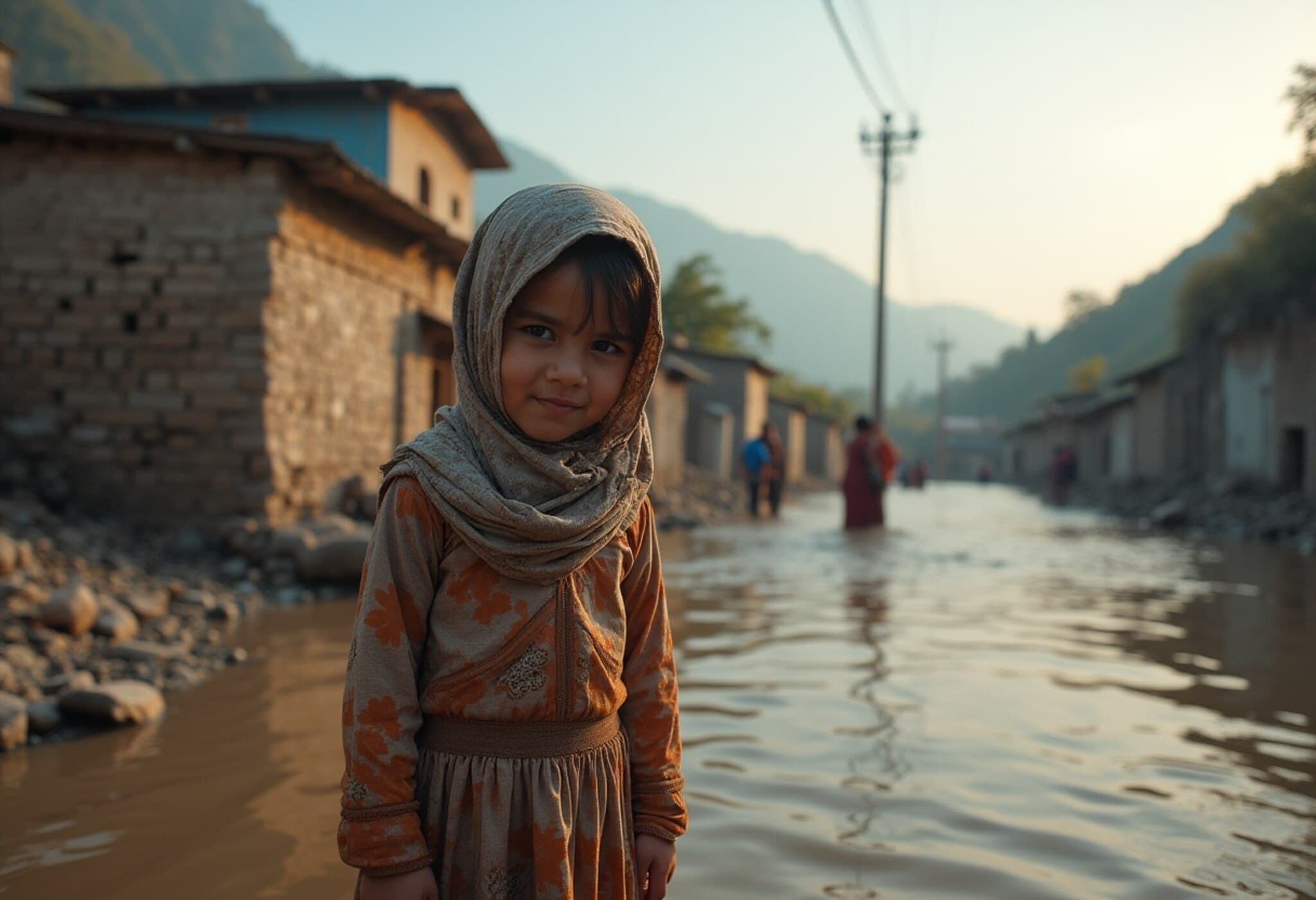
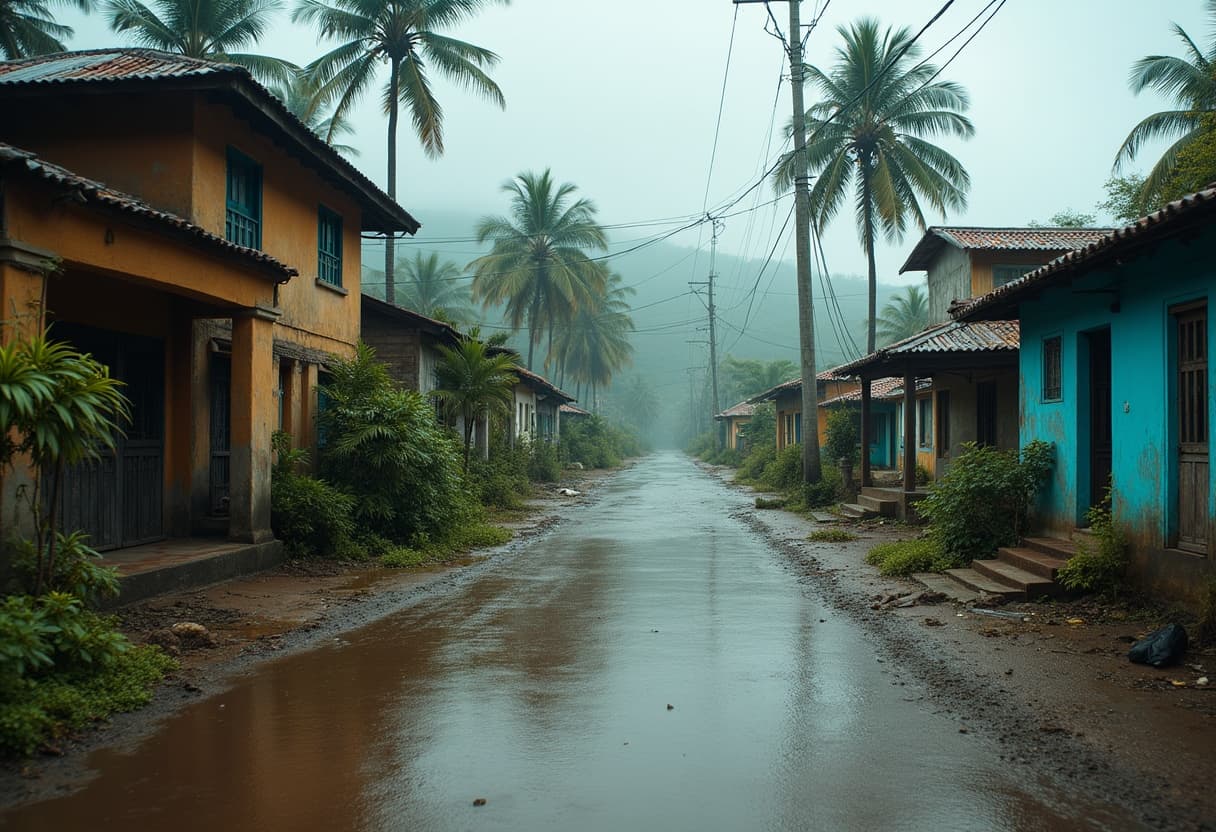
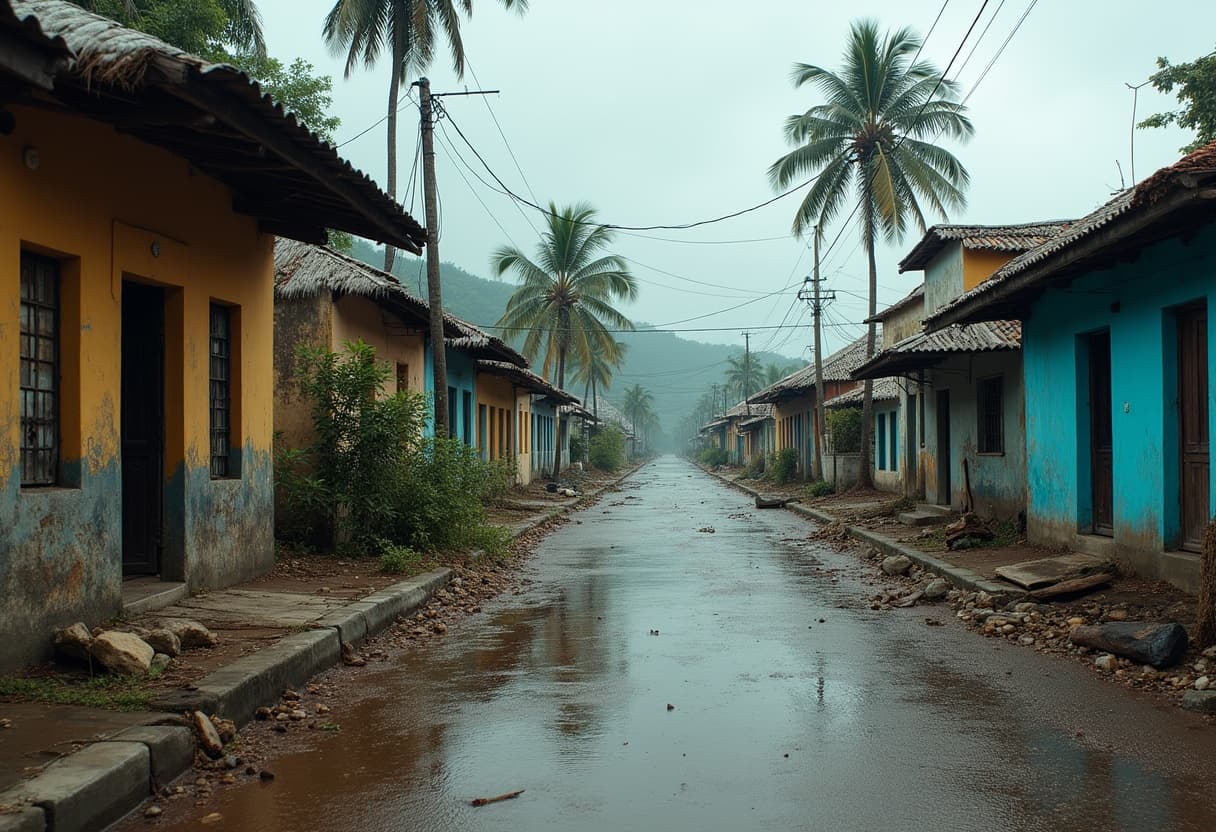
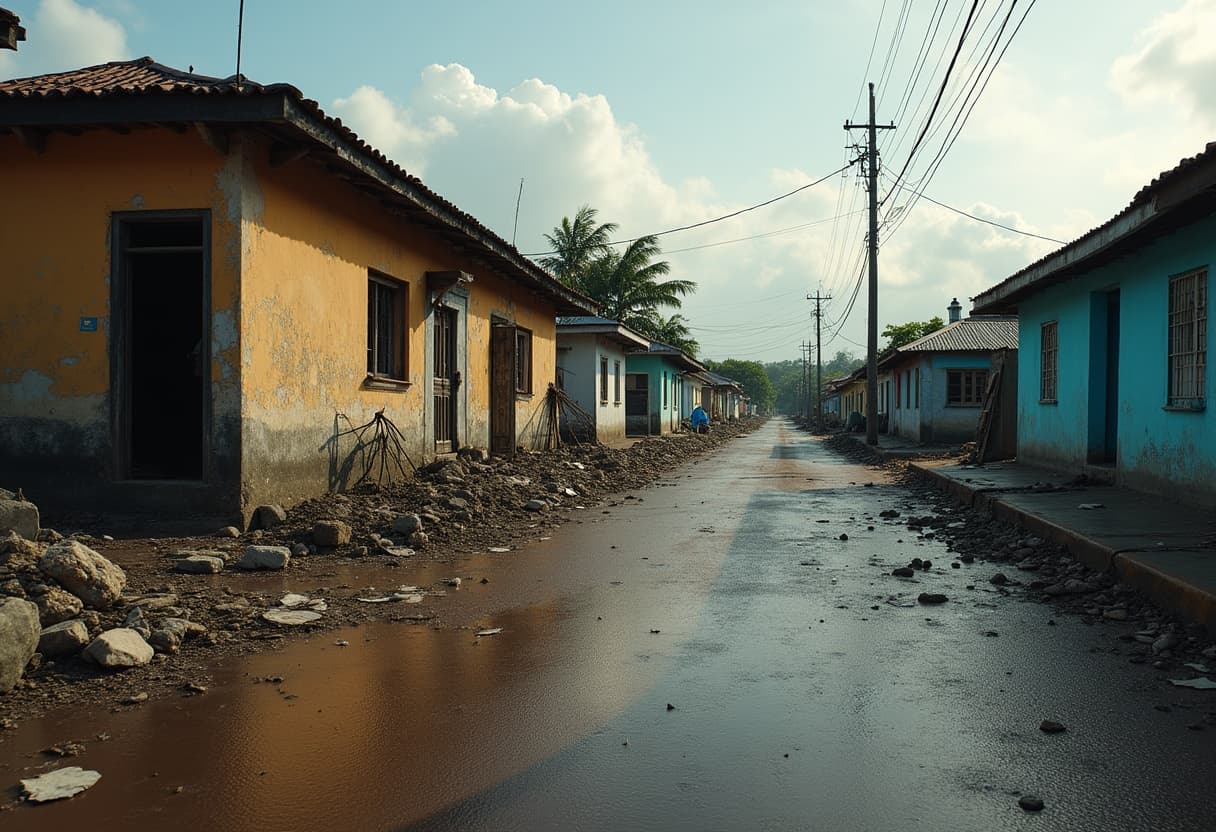
Current death tolls related to Melissa stand at least four, including tragic incidents like a mudslide in Haiti’s Fontamara and a fisherman swept away in the Dominican Republic. In addition to the immediate physical risks, the storm exposes deeper societal vulnerabilities, especially in Haiti, where access is limited in areas under gang influence, complicating rescue and aid delivery.
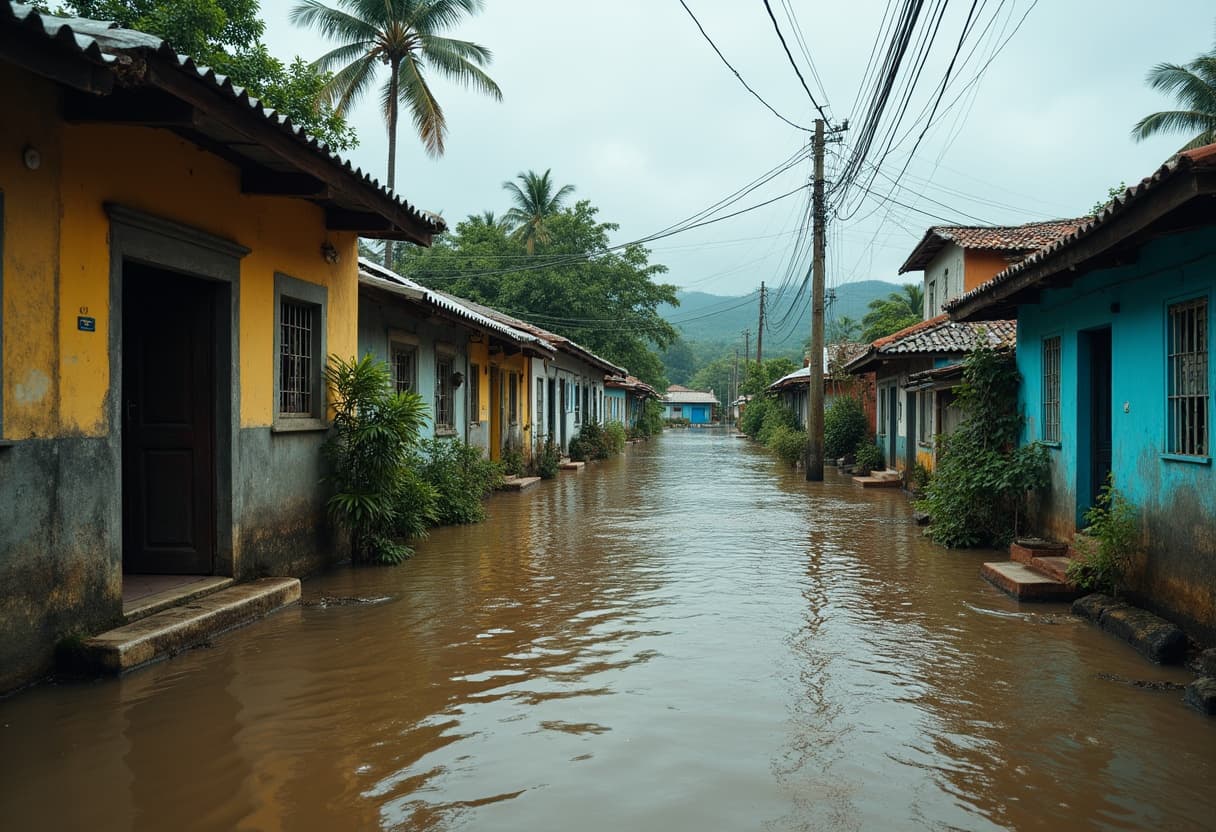
Personal stories underscore the human cost. Jenel Loubeau, a soccer coach from Les Cayes, Haiti, described his home submerged by floodwaters: "I took all my important documents with me, fearing the house might collapse. Everything inside is soaked." Such accounts amplify the urgent need for resilient infrastructure and effective early warning systems.
Regional and Global Aid Coordination Efforts
The United Nations World Food Program and other humanitarian agencies are proactively pre-positioning food and cash assistance across the Caribbean, including positioning food stocks in eastern Cuba sufficient to feed 275,000 people for two months. Barbados is serving as a logistical hub, ready to forward additional relief supplies to Jamaica as needed.
Gen. Juan Manuel Méndez of the Dominican Republic’s Emergency Operations Center emphasized the challenges ahead: "We can’t station soldiers everywhere to enforce stay-at-home orders. Public cooperation is essential to minimize casualties." His direct outreach, even sharing his personal cellphone for evacuation requests, highlights the gravity of the situation.
Implications for Climate Resilience and Policy
Experts and policymakers must view Hurricane Melissa not just as an isolated crisis but as a warning signal about accelerating climate risks in the Caribbean. With sea-level rise and warming ocean temperatures fueling storms of greater intensity, the region’s vulnerability is intensifying.
How Caribbean nations bolster infrastructure resilience, improve emergency communication, and address socio-political complexities like gang-controlled zones will be critical in mitigating future disasters.
Editor’s Note
Hurricane Melissa’s unfolding impact challenges us to consider deeper questions about regional preparedness and global climate responsibility. Beyond immediate emergency response, how can international support frameworks evolve to meet complex vulnerabilities? What lessons can be learned to enhance early warning systems, community education, and infrastructural resilience? As the Caribbean navigates this crisis, these questions demand urgent attention from policymakers, aid organizations, and citizens alike.