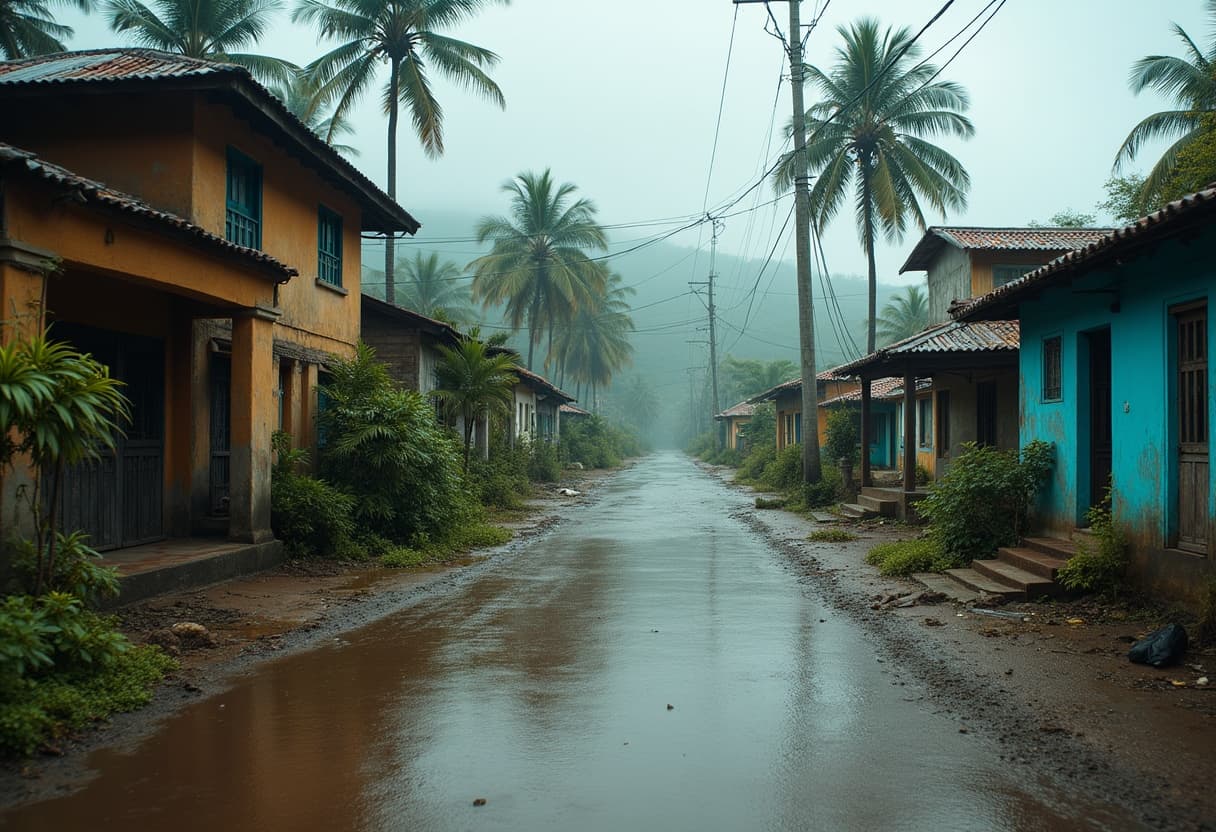
Aftermath of Hurricane Melissa: Rising Death Toll and Isolated Communities in Jamaica
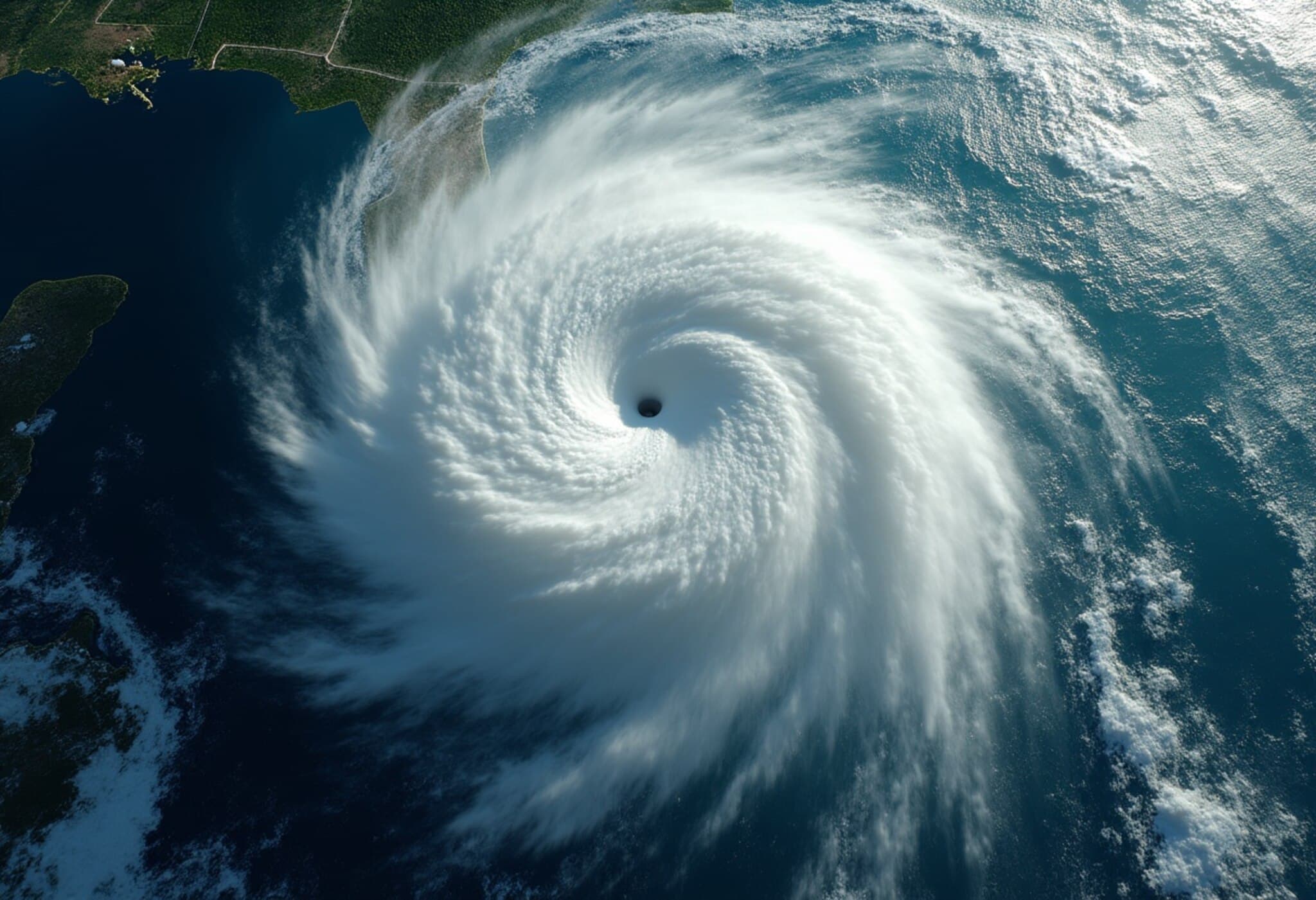
Jamaica continues to grapple with the aftermath of Hurricane Melissa, which made landfall on Tuesday as a catastrophic Category 5 storm—the most severe in the nation's recent history. As of Saturday, the official death toll has risen to 28 confirmed fatalities, though many fear this number might significantly underestimate the true human cost.
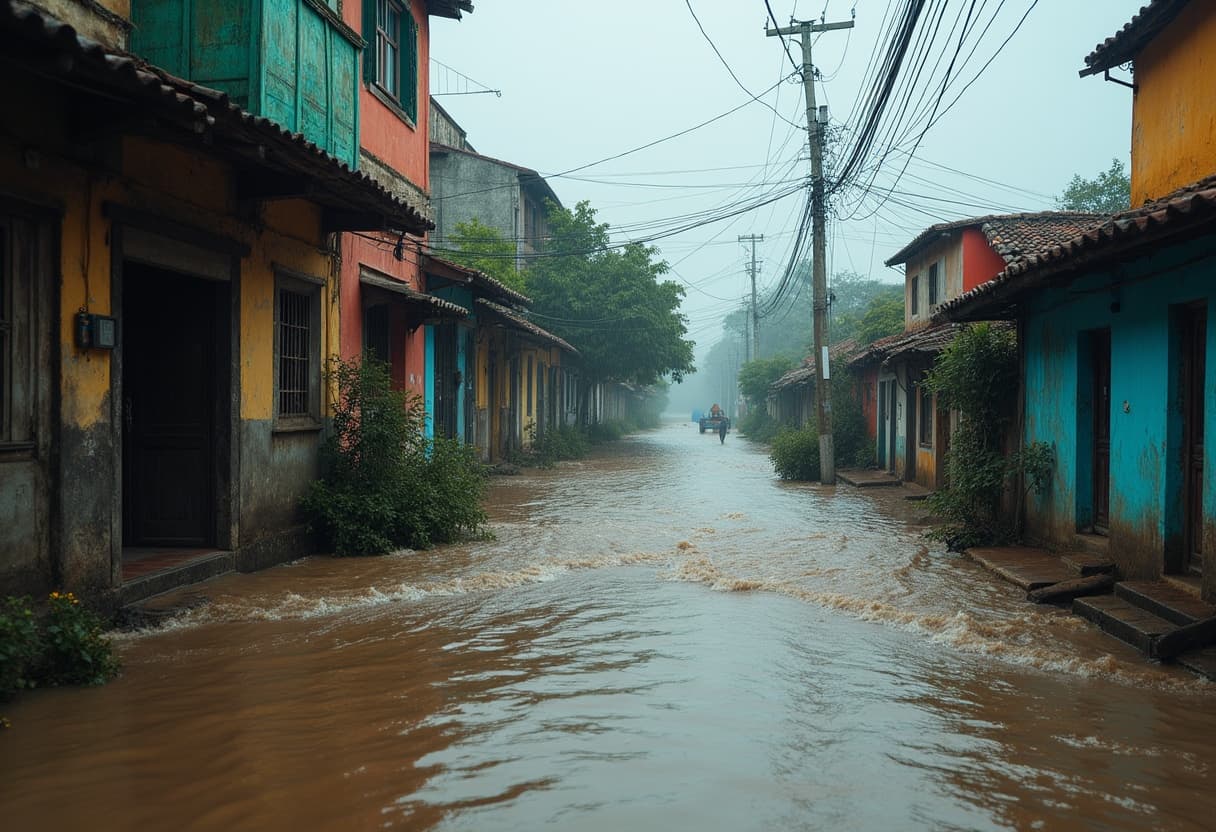
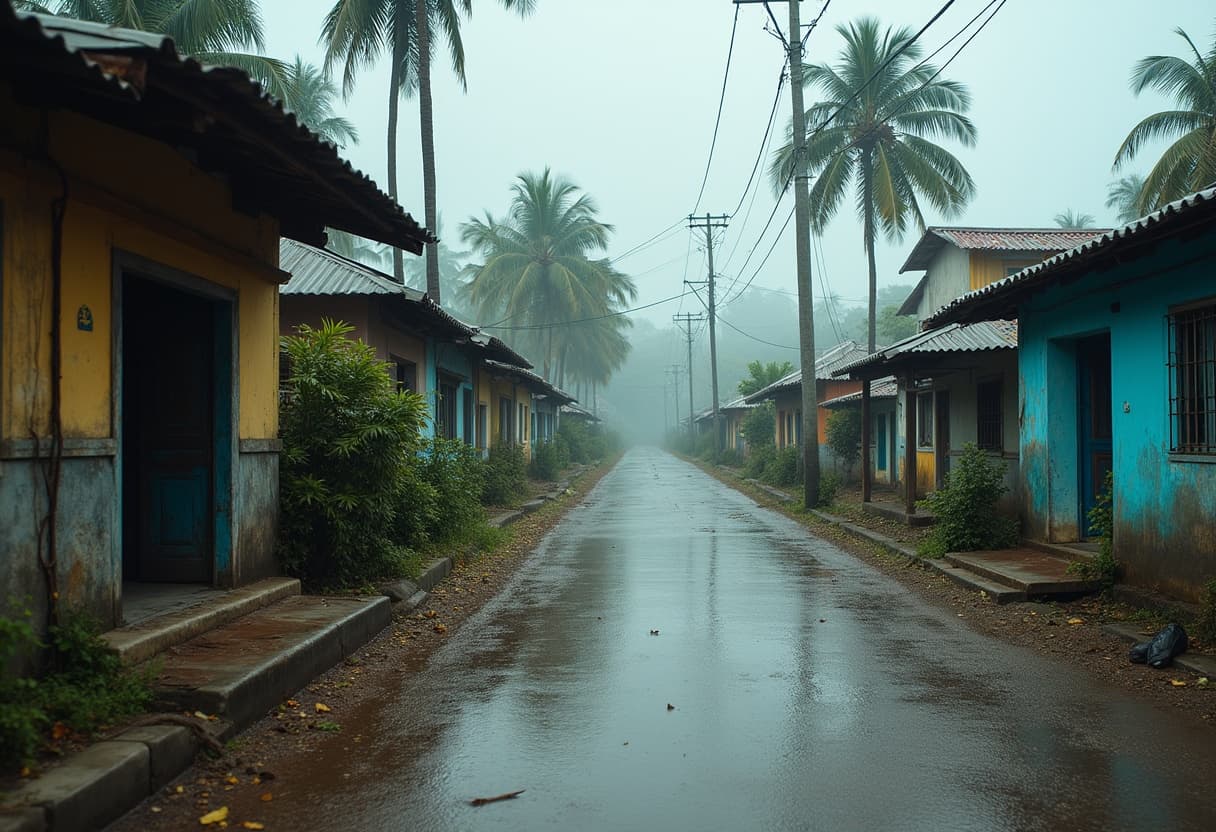
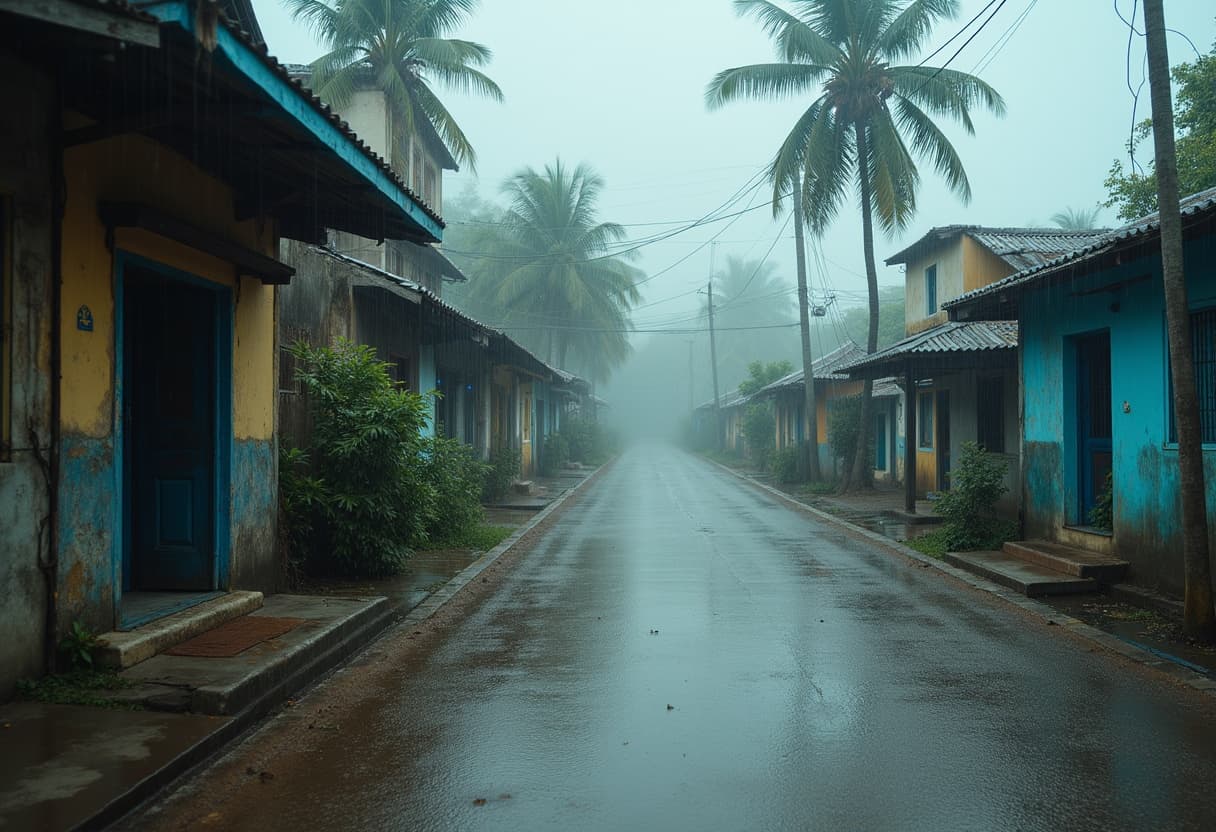
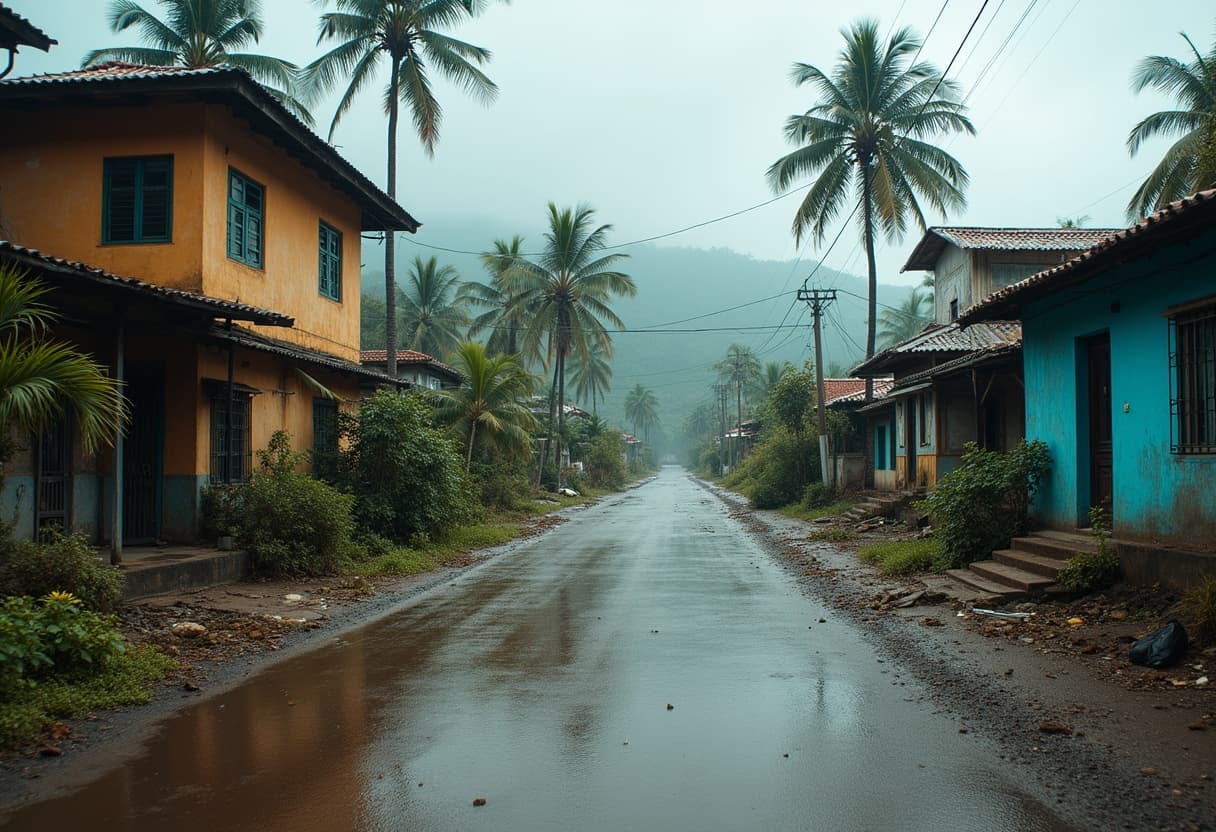
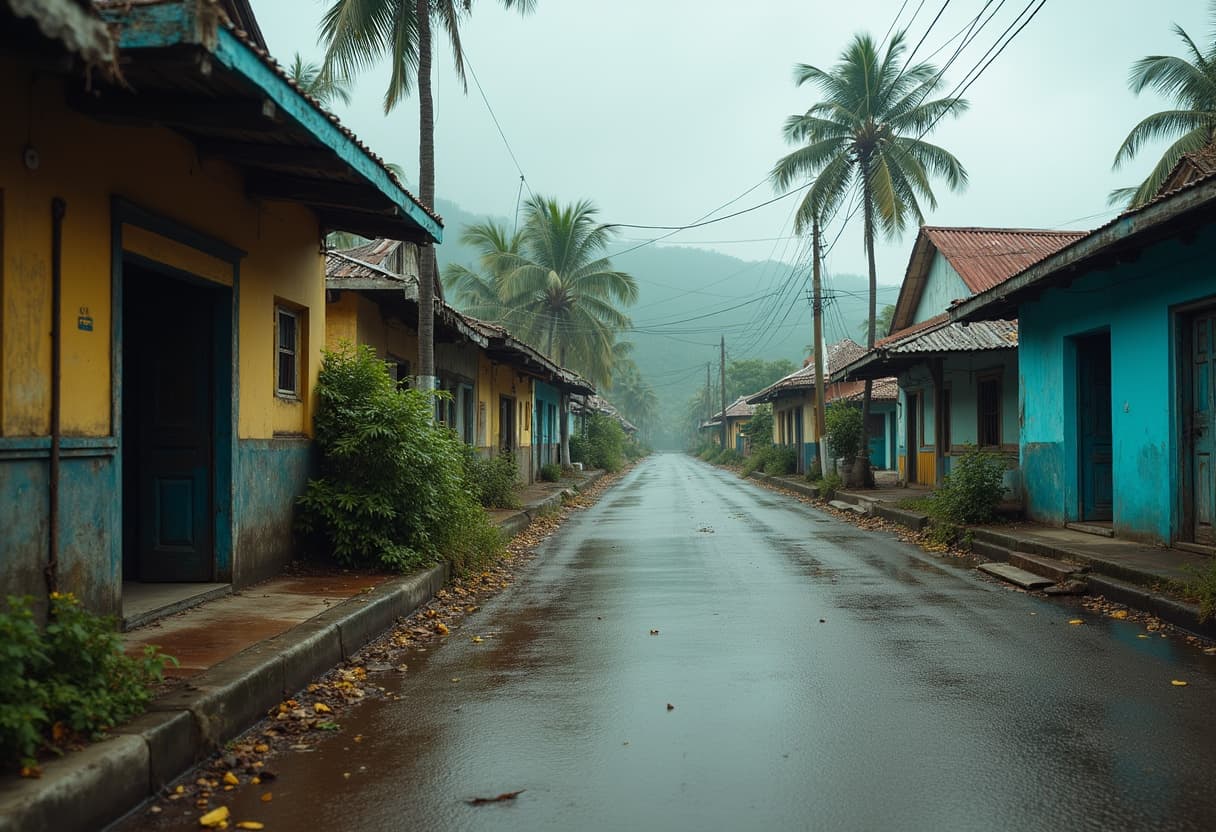
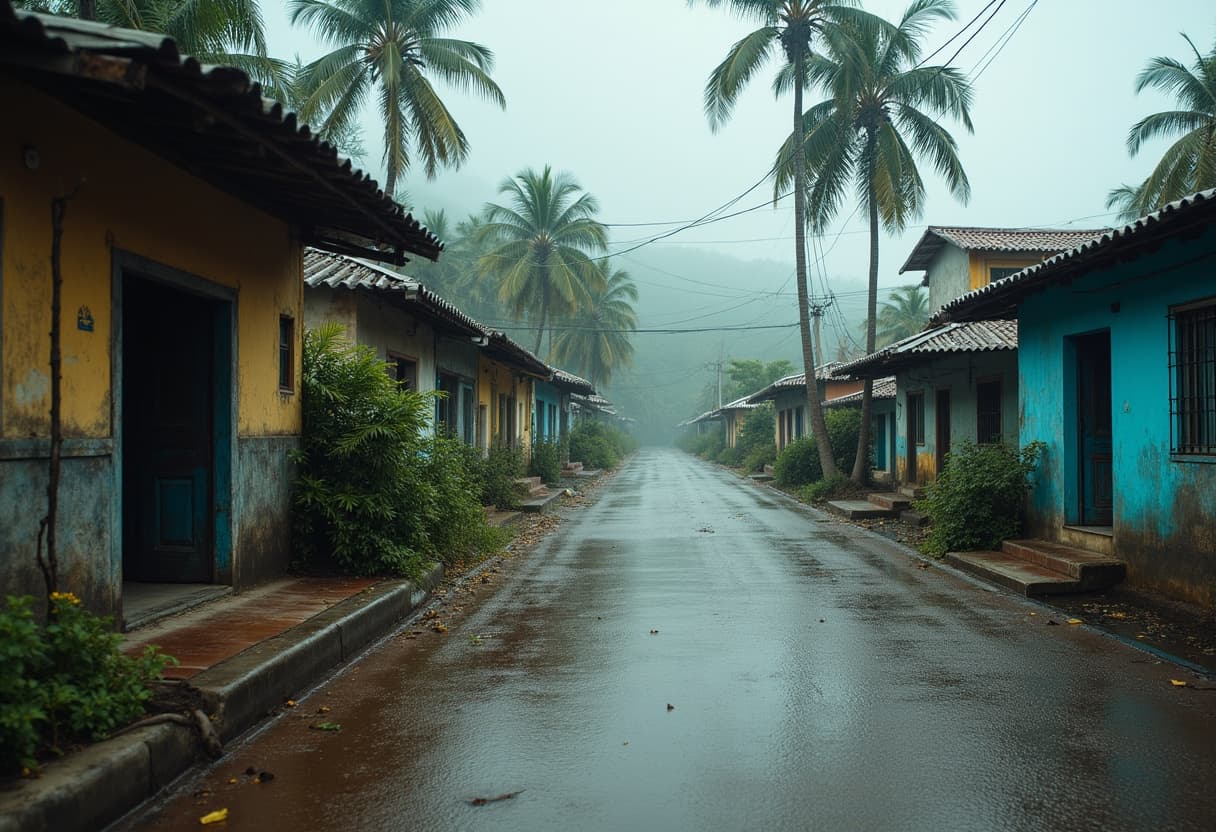
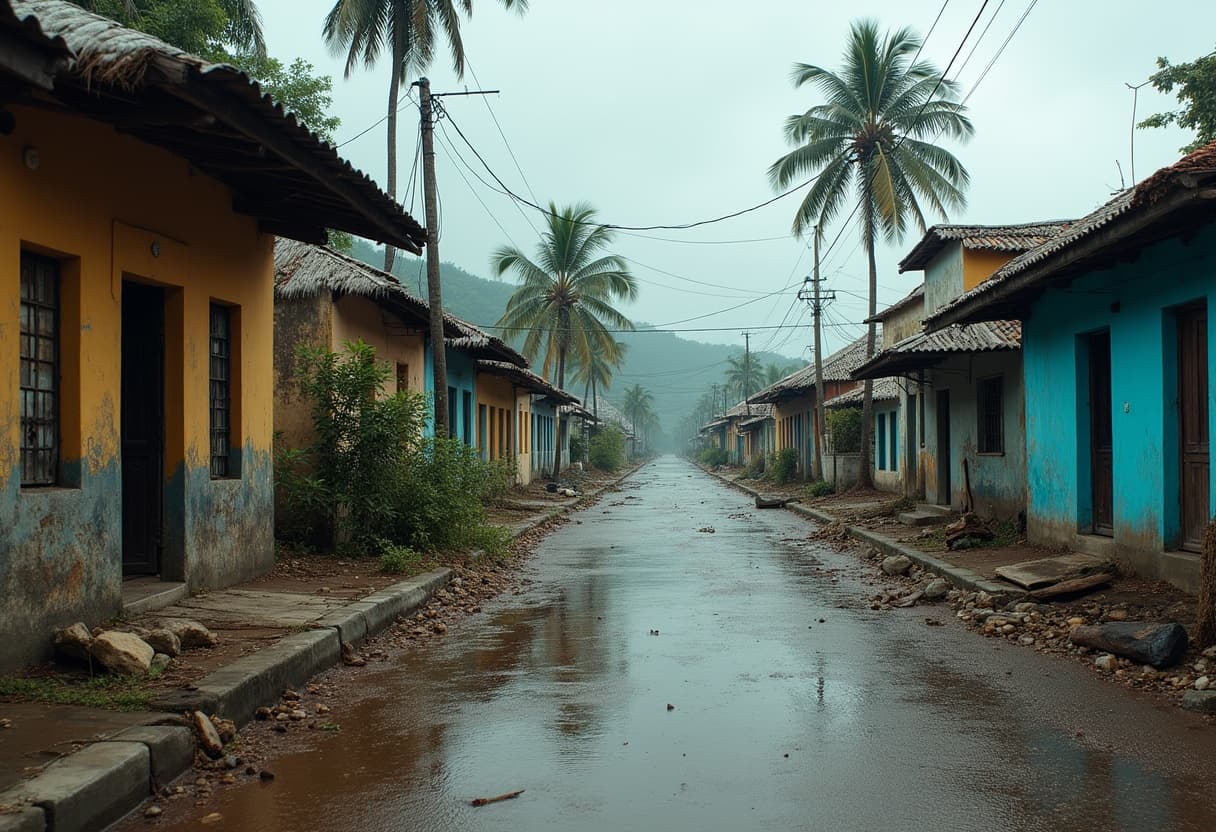
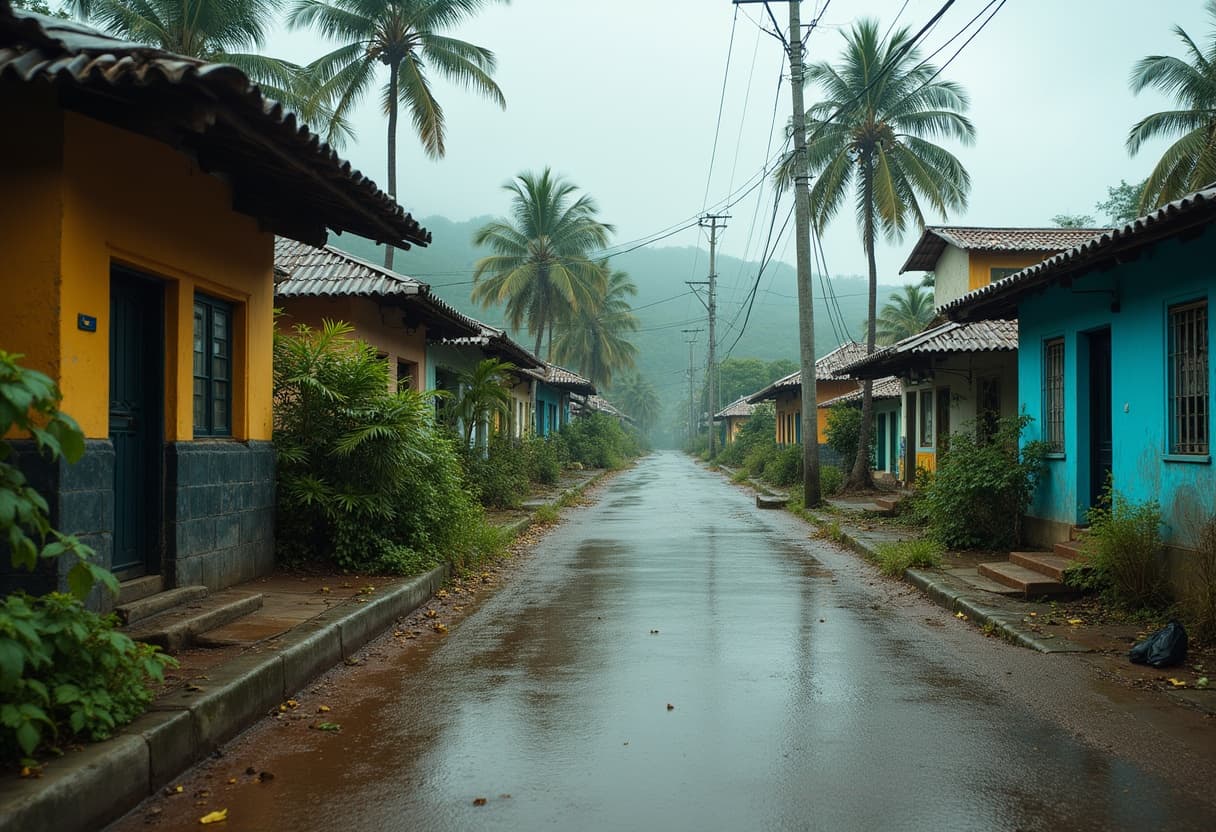
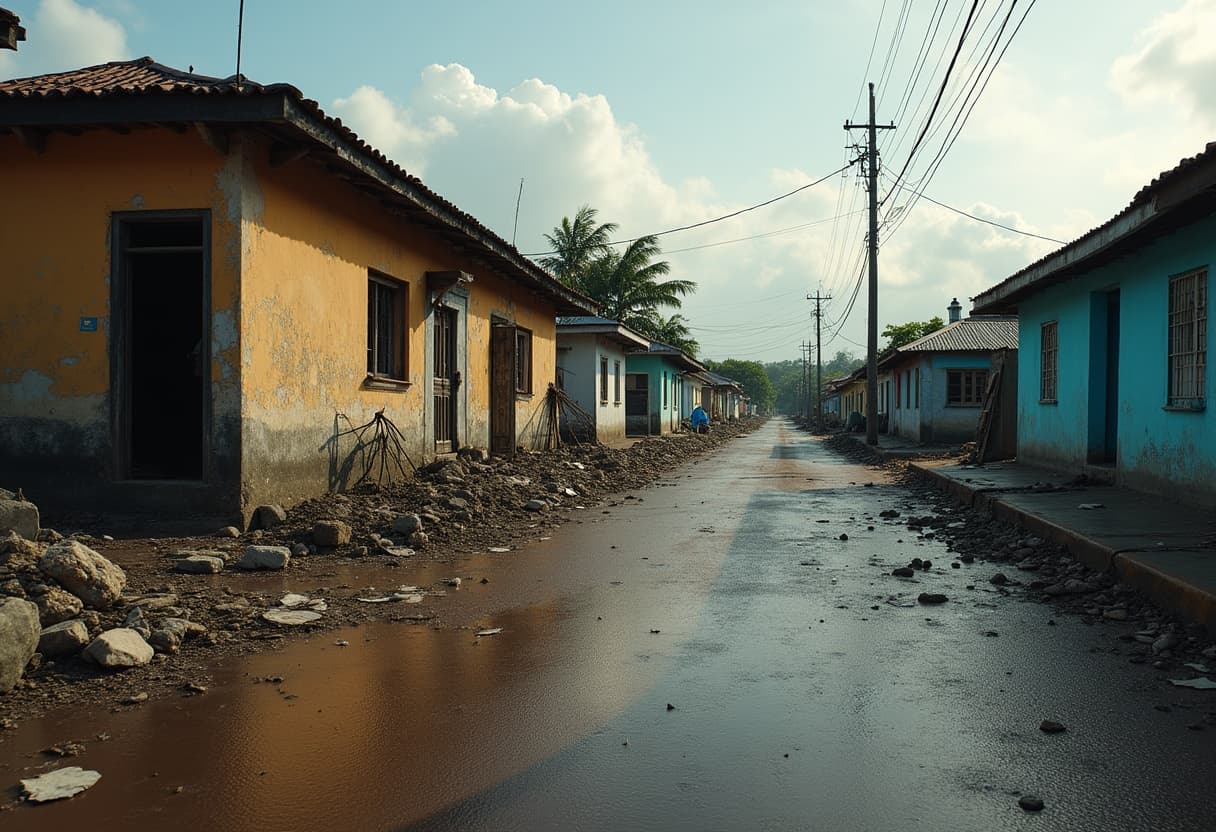
The situation remains dire as rescue teams and government officials struggle to reach dozens of communities—particularly in western Jamaica—that remain cut off due to blocked roads, downed trees, and damaged infrastructure.
Obstacles to Rescue and Recovery Efforts
In regions like St. Elizabeth Parish, a hard-hit southwestern area with about three dozen communities, authorities report that nearly half remain unreachable.
- Fire Superintendent Kimar Brooks confirmed that roughly 15 communities have yet to be accessed by rescue teams.
- Police Superintendent Coleridge Minto reported that at least seven deaths have been recorded officially in the parish, but believes the number could rise.
- The Jamaica Red Cross highlighted isolated pockets of destruction in five other parishes, emphasizing the challenge of mapping the full extent of the damage.
Communications remain nearly nonexistent for many areas, with widespread power and telephone outages preventing locals from reporting their status or requesting aid.
The Human Toll: Fear, Loss, and Uncertainty
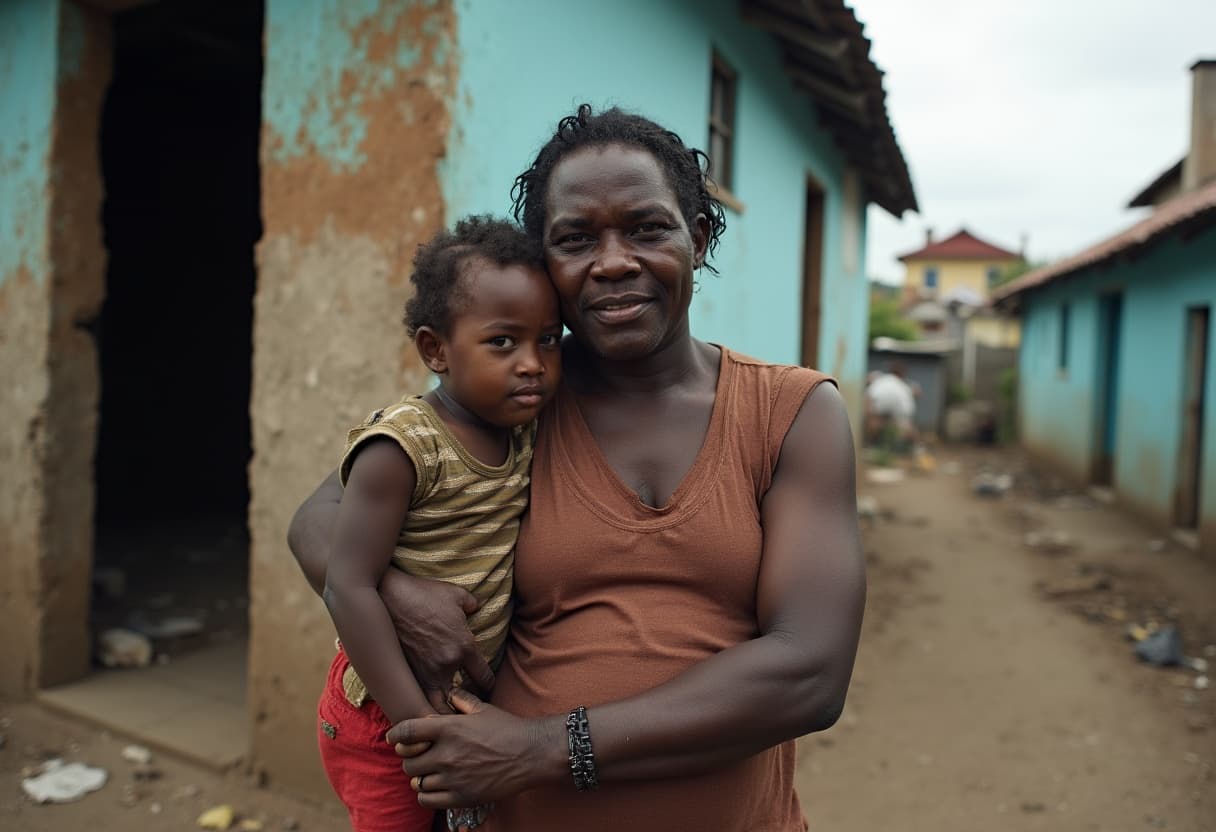
Local stories paint a grim picture. Women reporting missing loved ones to the police, residents trapped in their homes surrounded by devastation, and accounts of bodies still inside collapsed houses underscore an ongoing humanitarian crisis.
John Lyon, executive director of Haiti Air Ambulance, which has been on the ground providing air rescues and satellite internet, described the current death figure as an “early estimate.” He emphasized the scale of the disaster: “This is one of the worst disasters I have ever seen.”
His team reported evacuating a critically injured individual who later passed away, illustrating the thin margin between survival and loss faced by many.
Efforts to Restore Access and Provide Relief
Jamaica's government and humanitarian partners are mobilizing swiftly to restore essential services and reach stranded populations.
- More than 500 roads have been cleared, according to Local Government Minister Desmond McKenzie.
- Energy and Transportation Minister Daryl Vaz assured communities awaiting help that relief efforts are intensifying, with increased helicopter support from the U.S. military and non-governmental organizations.
- Specialized coalitions, including Operation One Love, are coordinating airlifts and medical aid deliveries to the hardest-hit and most inaccessible locales.
Minister Vaz emphasized the government's commitment to every affected individual: “You are not forgotten, and you will never be forgotten.”
Regional Impact and Broader Implications
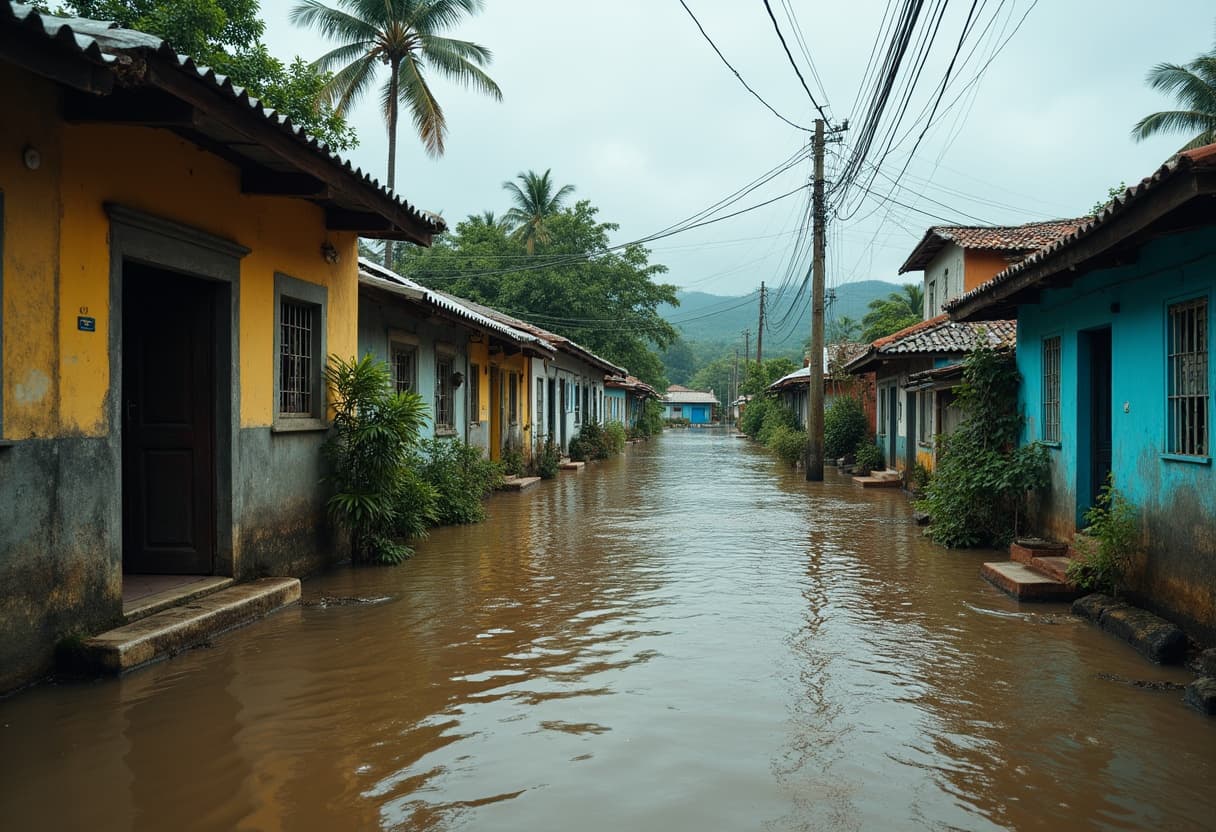
While Jamaica bears the brunt of Melissa's fury, neighboring Haiti—though not directly in the storm’s path—also suffered severe flooding leading to at least 30 deaths. This highlights the wide-reaching consequences of high-intensity storms in the Caribbean basin, underscoring the vulnerability of these island nations to climate-induced disasters.
Melissa’s devastation raises urgent questions about:
- How to accelerate disaster response amid geographical and infrastructural challenges.
- The long-term resilience of critical infrastructure in hurricane-prone areas.
- The need for improved communications technology to reach isolated populations faster.
Expert Insight: What This Means for Caribbean Disaster Management
Experts in disaster preparedness stress that Melissa exposes systemic vulnerabilities in how Caribbean nations respond to extreme weather events. Dr. Elaine Thompson, a climate resilience specialist, notes, "These hurricanes will only increase in intensity due to climate change, and our infrastructure and emergency systems must be prepared for faster, more flexible deployments."
She advocates for a regional approach leveraging tech innovations like drone reconnaissance, enhanced satellite communications, and community-based early warning systems to mitigate future risks.
Looking Ahead: The Road to Recovery
As Jamaica prioritizes restoring connectivity and clearing blocked routes, the full extent of Hurricane Melissa’s human and economic toll will become clearer in the coming days.
Meanwhile, the resilience and solidarity of its people remain a beacon of hope amid tragedy, reinforcing the critical need for sustained international support and targeted investments in disaster risk reduction.
Editor's Note
The unfolding crisis in Jamaica after Hurricane Melissa exposes a pressing dilemma faced by disaster-prone regions worldwide: how to ensure rapid, inclusive emergency responses when terrain and damaged infrastructure obstruct access to vulnerable communities.
As we witness the rising death toll, it’s essential to reflect on lessons for building resilient systems that leave no one behind, especially as climate change fuels stronger and more frequent storms.