Hurricane Melissa Leaves Jamaica Grappling with Widespread Damage
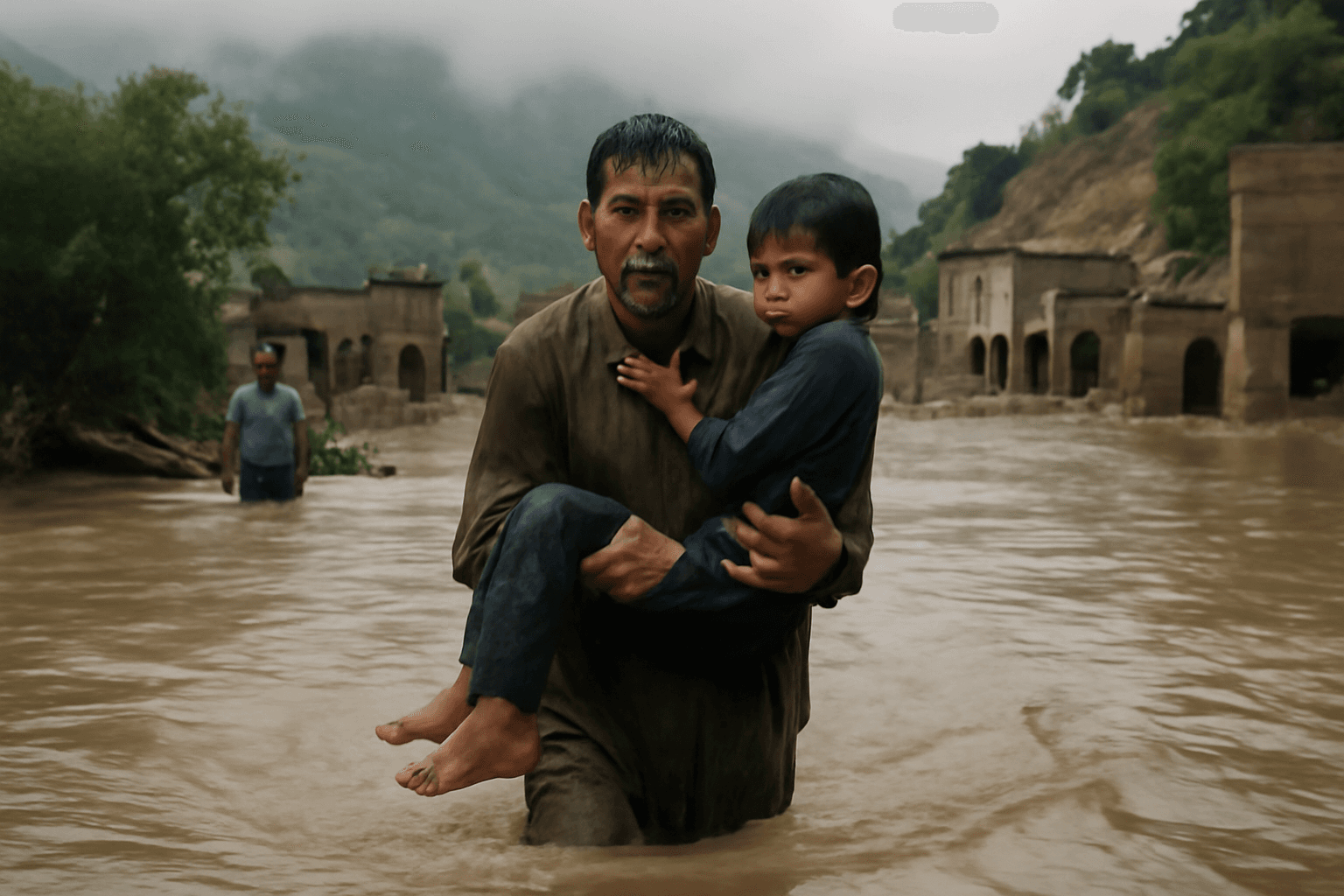
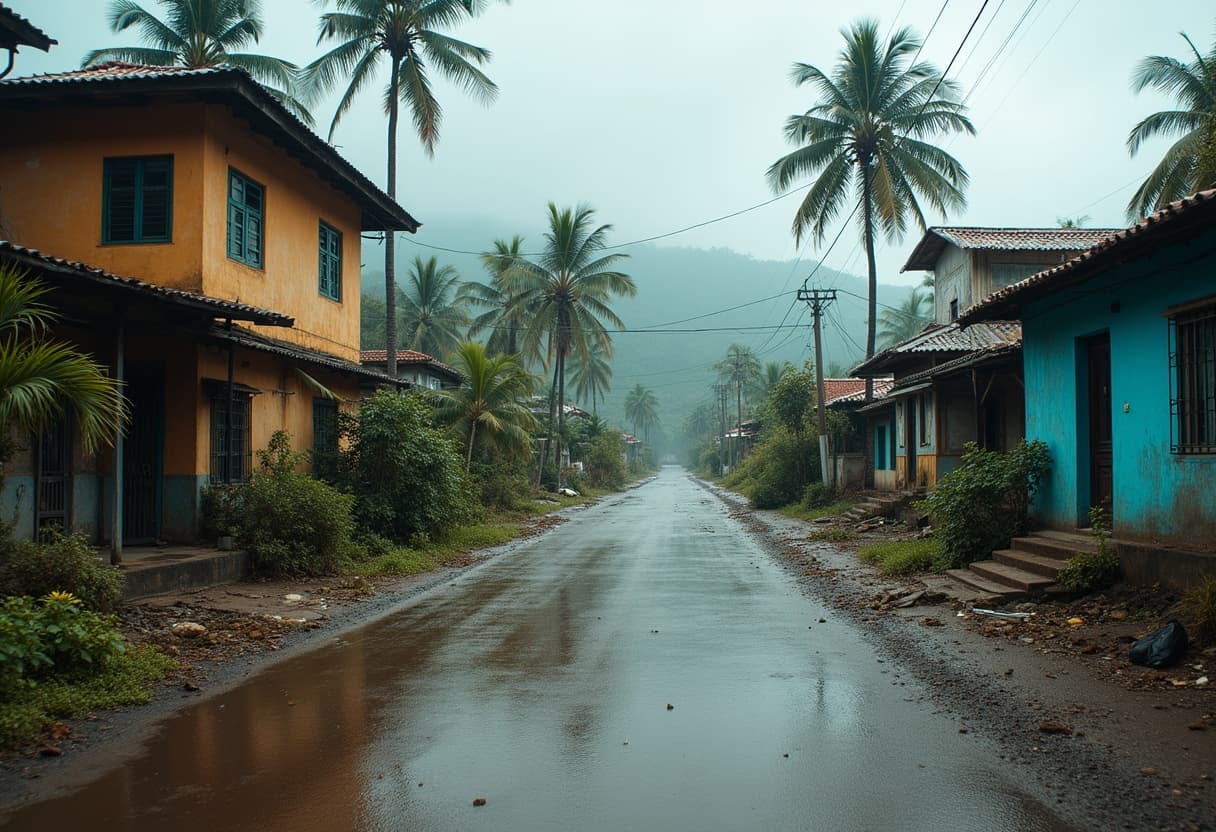
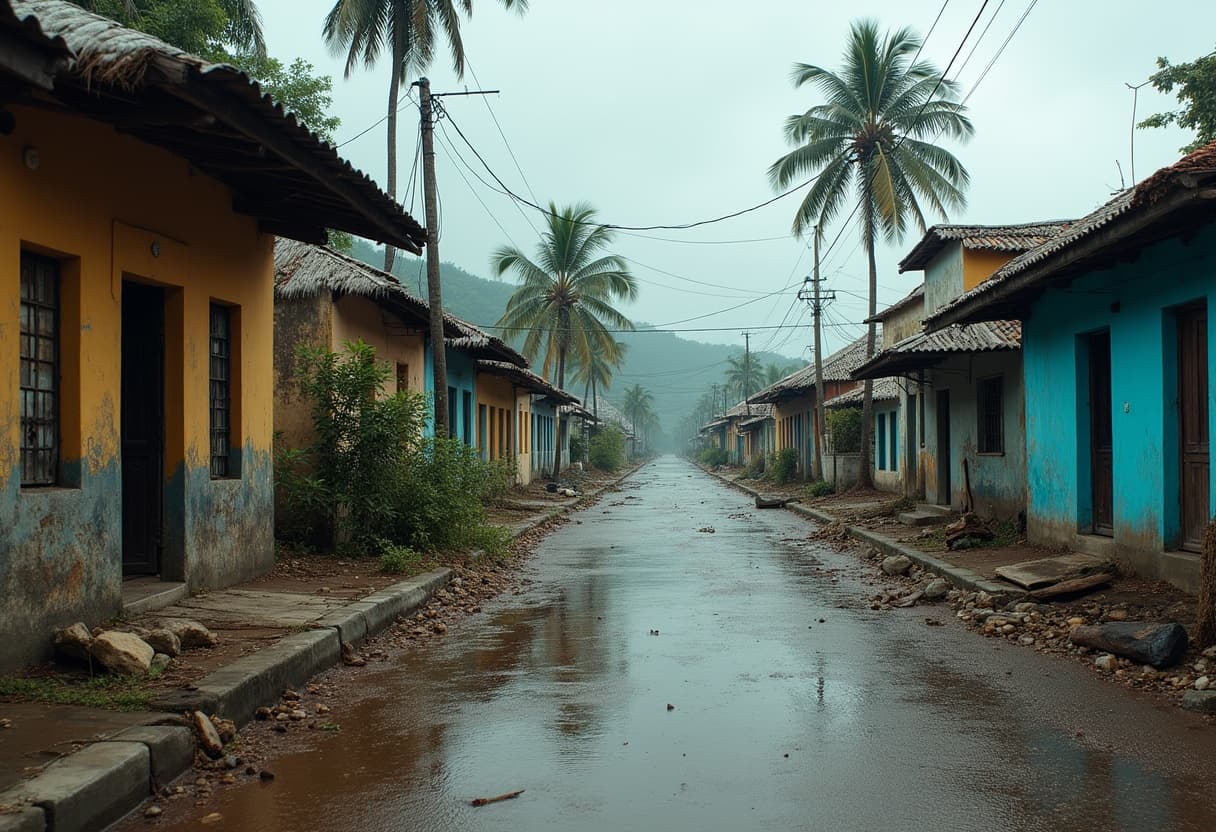
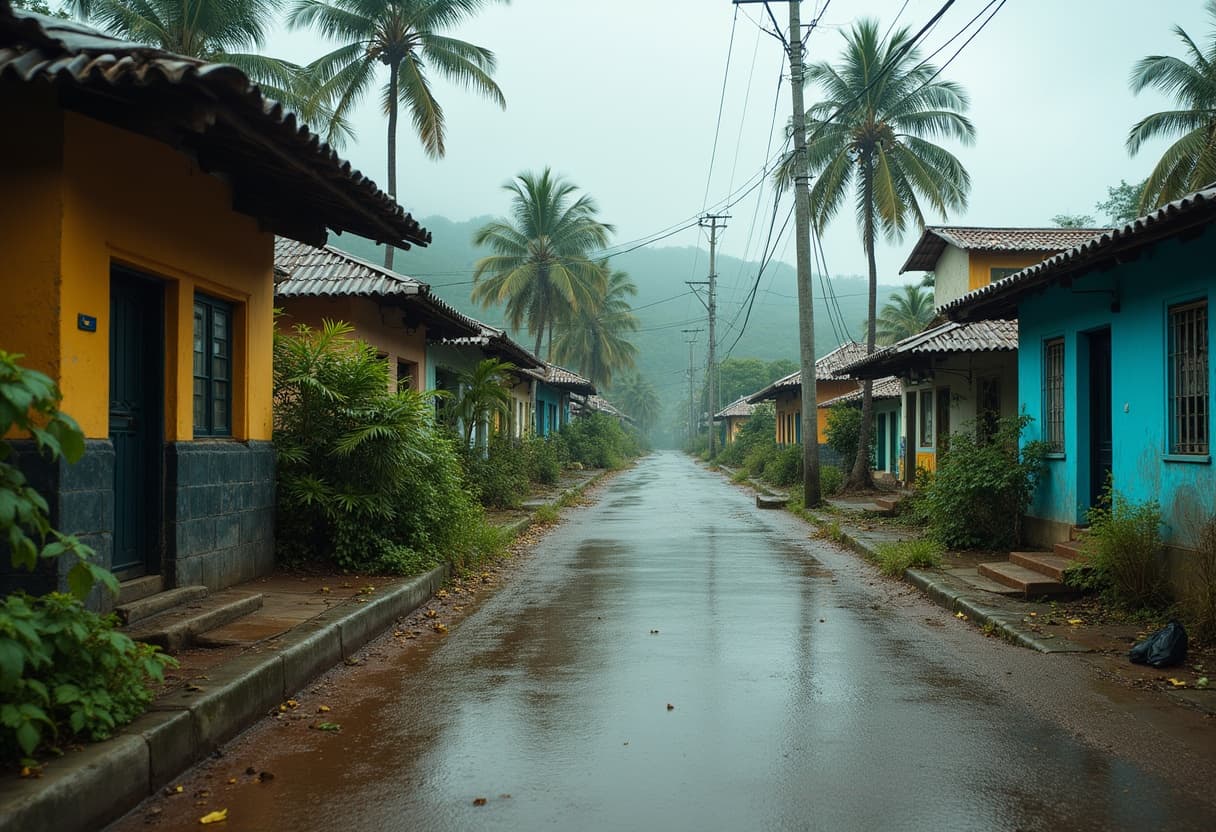
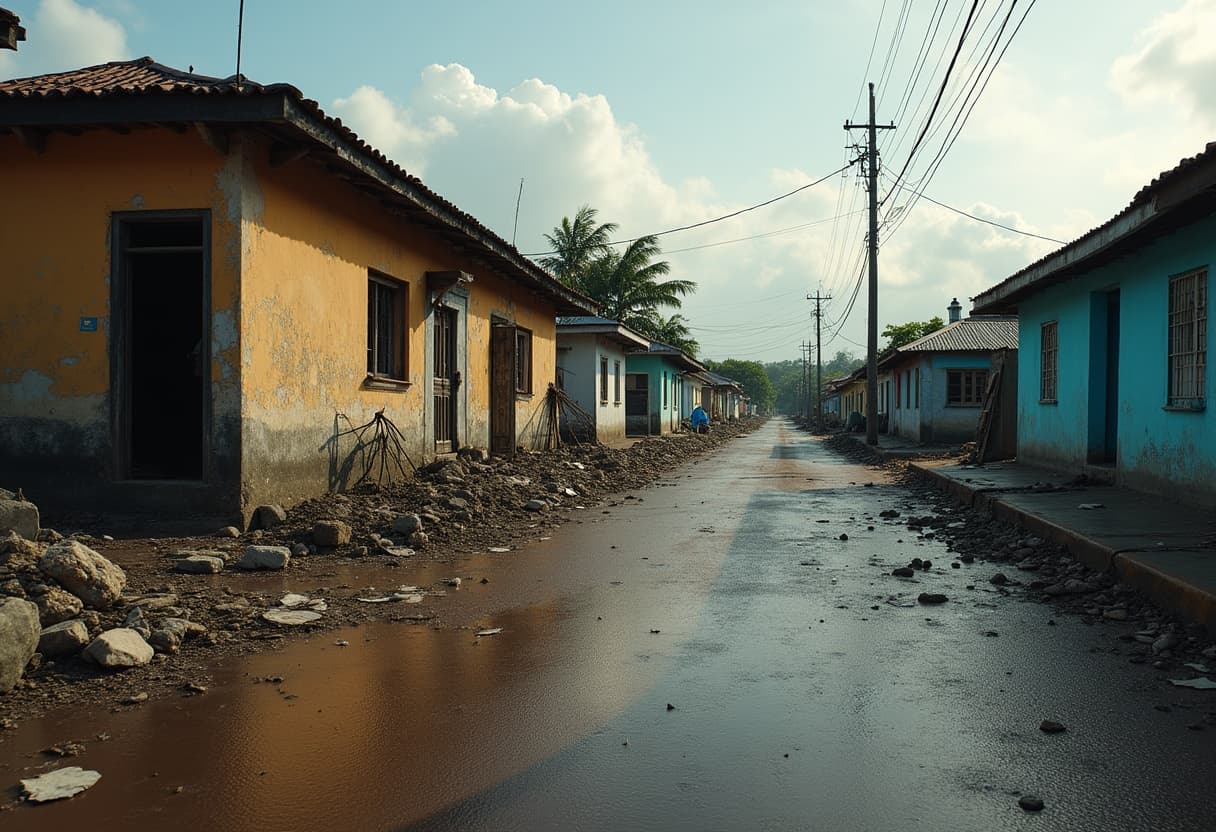
On October 29, 2025, Hurricane Melissa, a ferocious Category 5 storm packing sustained winds of 185 mph, unleashed severe destruction across Jamaica, leaving much of the island's infrastructure in tatters. While the capital city, Kingston, escaped the worst of the storm, vast portions of the island endured catastrophic consequences, plunging communities into darkness and disconnecting them from essential services.
Communications and Power Grid Severely Impacted
Energy and Transport Minister Daryl Vaz revealed the gravity of the situation during a broadcast with Sky News, describing the damage reports as "catastrophic." The storm’s intense winds tore down power lines and telecommunications networks, crippling Jamaica’s connectivity. Internet access plummeted to just 30% of normal capacity, according to global network trackers.
More than 51,000 residents currently face power outages, primarily in western and central regions — a stark reminder of the vulnerability of critical infrastructure in the face of extreme climate events. The storm’s force eclipsed even that of Hurricane Katrina, which struck the U.S. Gulf Coast two decades prior.
Airport Closures Threaten Tourism-Dependent Economy
Jamaica’s economy, reliant heavily on tourism for about one-third of its GDP, has been significantly disrupted. Both Norman Manley International Airport in Kingston and Sangster International Airport in Montego Bay were closed before the storm’s arrival.
While Norman Manley Airport may reopen by Thursday to receive emergency aid flights, Sangster Airport has suffered "potential disabling impact," complicating relief efforts. Authorities are exploring alternative options, including the use of the smaller Ian Fleming International Airport east of Montego Bay, to facilitate the delivery of essential supplies.
Infrastructure Challenges Extend Beyond Power and Communication
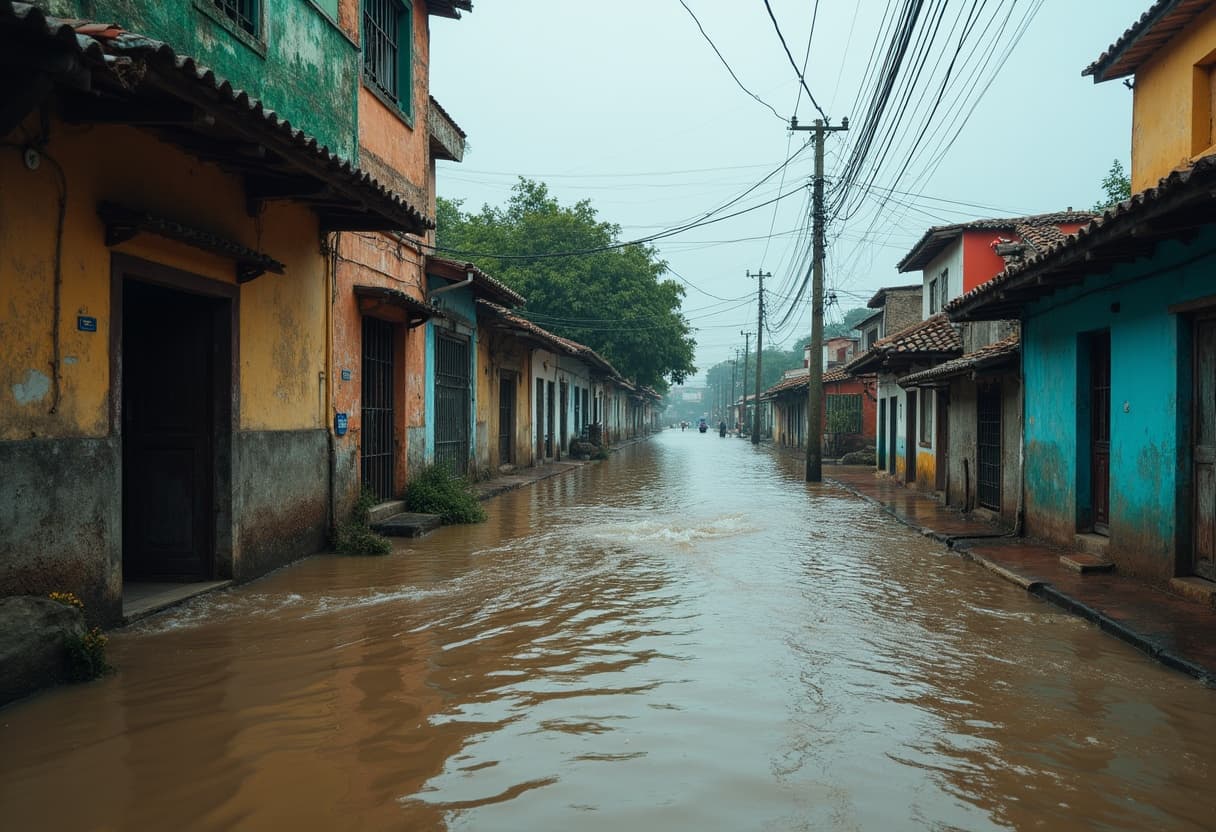
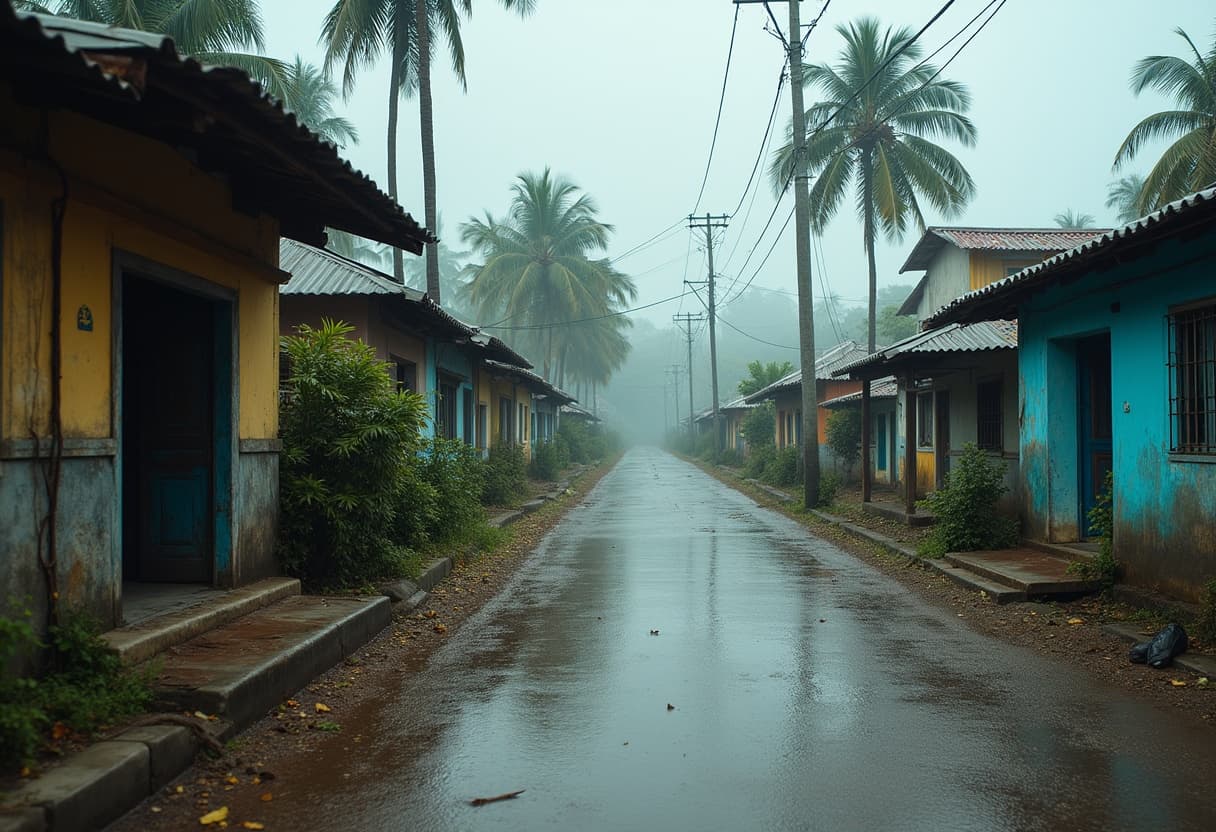
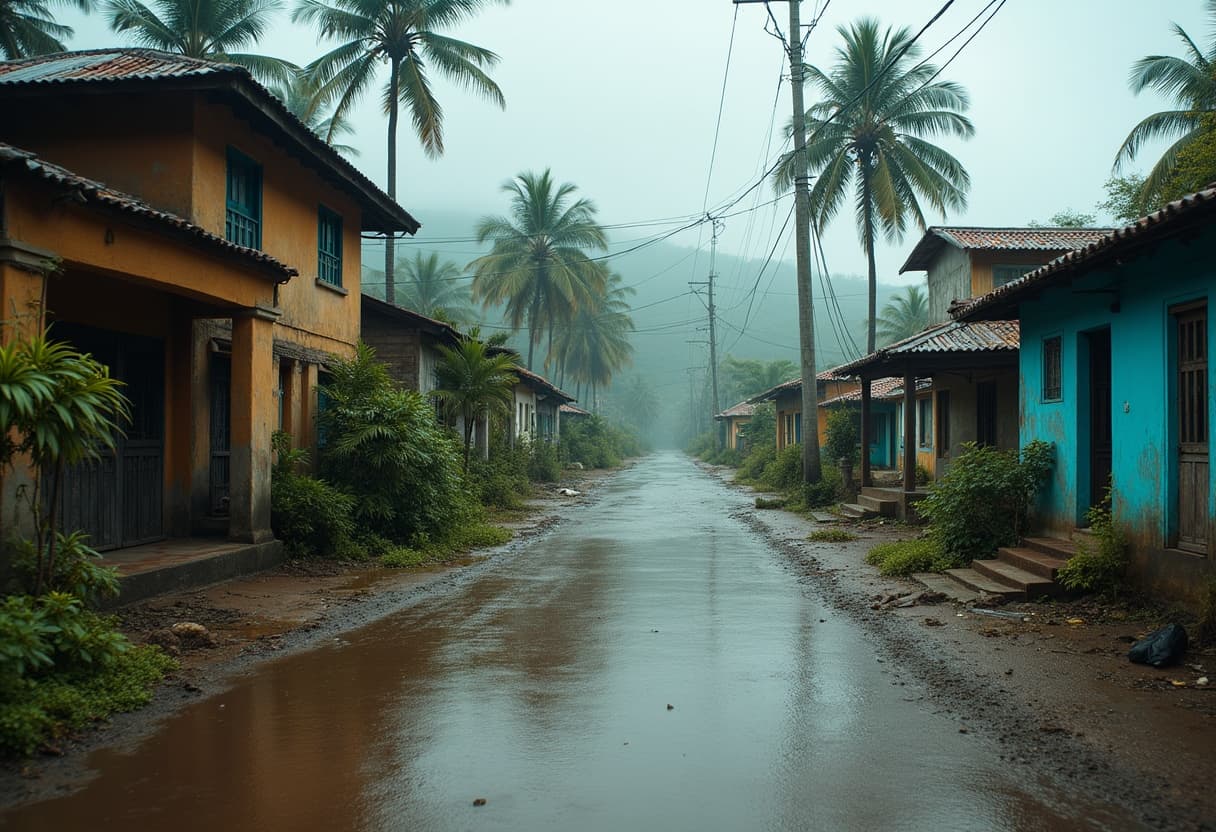
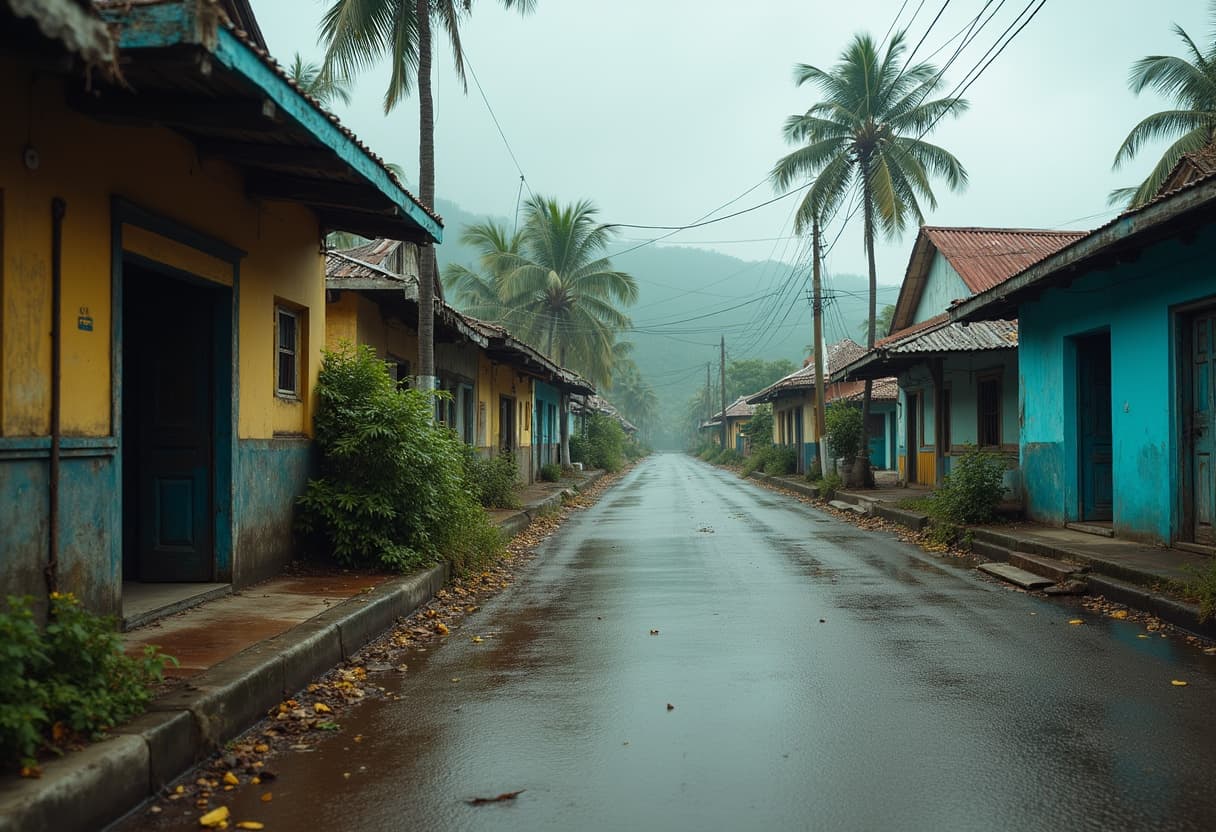
Beyond connectivity woes, the storm also damaged major transportation routes. The National Works Agency reported that three bridges are flooded and several key roads are impassable, hampering rescue and recovery operations.
Government and Technology Partnerships Step Up
Amid these challenges, collaborative responses are taking shape. The Prime Minister, Andrew Holness, visited the island on Tuesday to coordinate relief operations and assess the damage firsthand. At least three fatalities occurred during the storm’s preparation phase, but no further casualties have been confirmed thus far.
In a noteworthy move to restore digital connectivity, Starlink, Elon Musk’s satellite internet service, announced it will provide free internet access to affected regions in Jamaica through November. This initiative underscores how emerging technology partnerships can play a vital role in disaster response, especially in areas where traditional infrastructure has faltered.
Expert Insight: The Broader Implications of Hurricane Melissa
Melissa’s impact on Jamaica is a poignant example of how climate change intensifies hurricane severity, particularly in vulnerable island nations. Experts warn that as the frequency and power of such storms increase, the resilience of infrastructure — from airports to power grids — must be dramatically enhanced.
For Jamaica, which depends so heavily on its tourism industry and international connectivity, rebuilding efforts must consider sustainable, climate-resilient infrastructure investments. This includes bolstering early warning systems, diversifying energy sources, and modernizing transport hubs to withstand future storms.
Underserved Narratives: The Human Toll and Recovery
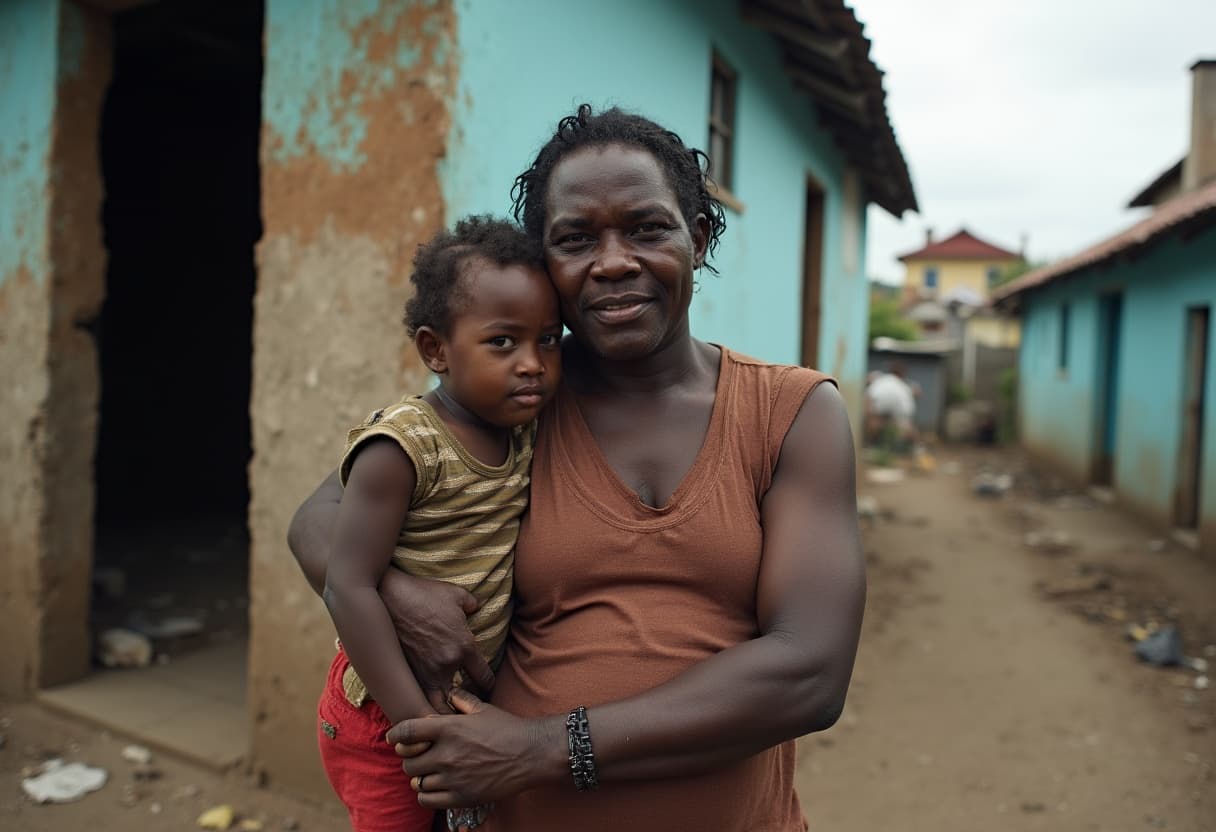
- Local communities in rural and western Jamaica, many dependent on subsistence living, face increased isolation with roads impassable.
- The mental health impact of such disasters often remains underreported but is critical for long-term recovery.
- Economic ripple effects could extend beyond tourism, affecting local businesses and exports.
Looking Ahead: What Jamaica and the World Must Consider
Melissa’s devastation beckons a global conversation on climate finance and international aid tailored to island nations facing existential threats. The storm starkly illustrates the urgent need for coordinated disaster preparedness, swift humanitarian response, and innovative technology deployment to bridge gaps when conventional systems fail.
In Jamaica’s case, the weeks ahead will be crucial for restoring infrastructure and supporting affected communities. The resilience and solidarity of the Jamaican people, combined with effective government action and international assistance, will define the nation’s path forward.
Editor’s Note:
Hurricane Melissa’s impact on Jamaica is a sobering testament to the rising menace of climate-driven natural disasters. It raises pressing questions about infrastructure resilience, equitable disaster recovery, and the role of innovative technologies like satellite internet in bridging emergency gaps. For policymakers, the challenge is clear: how to ensure sustainable, inclusive, and rapid responses that keep island communities connected and protected in an increasingly volatile climate landscape.