Fatal Floods Ravage Veracruz as President Faces Growing Pressure
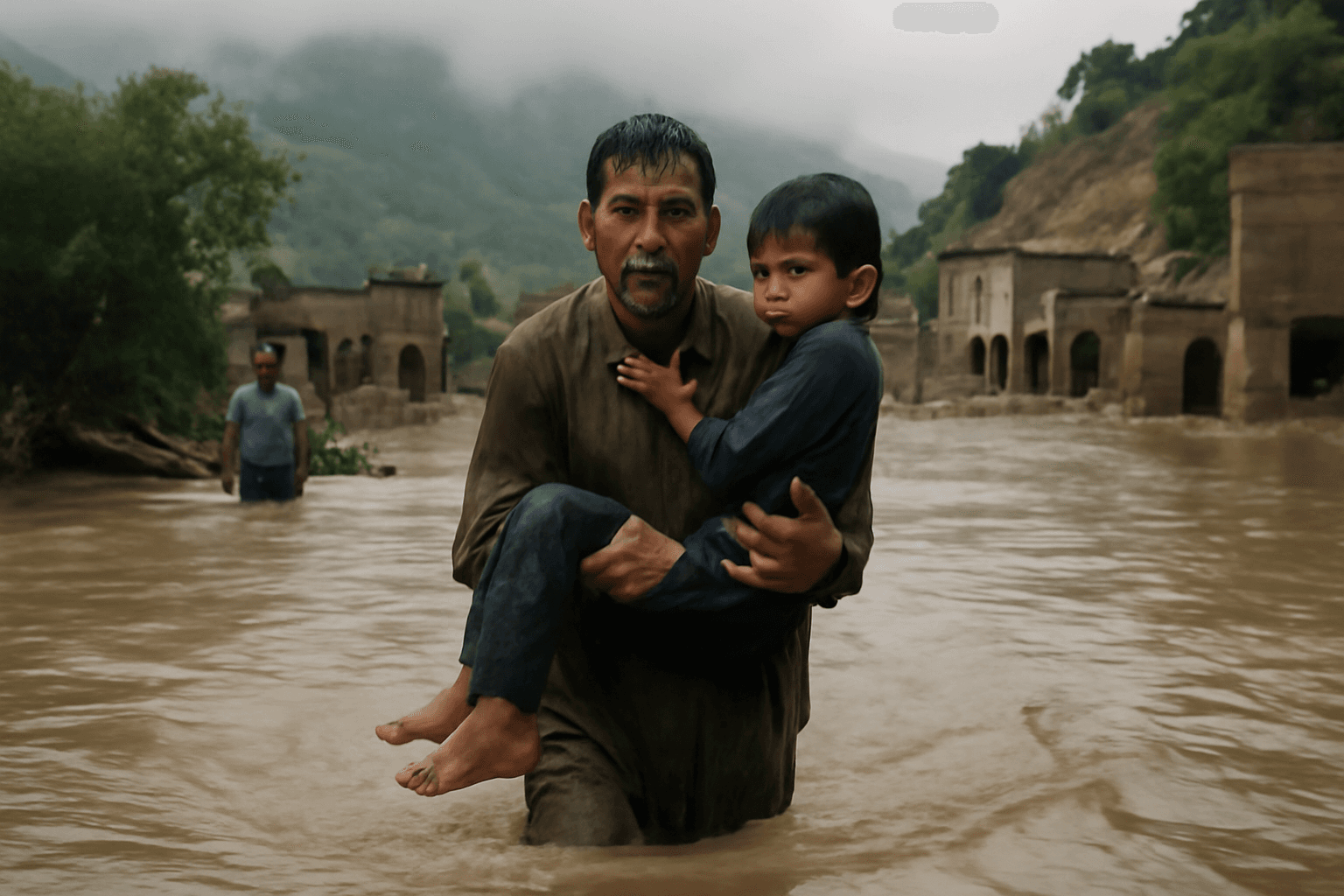
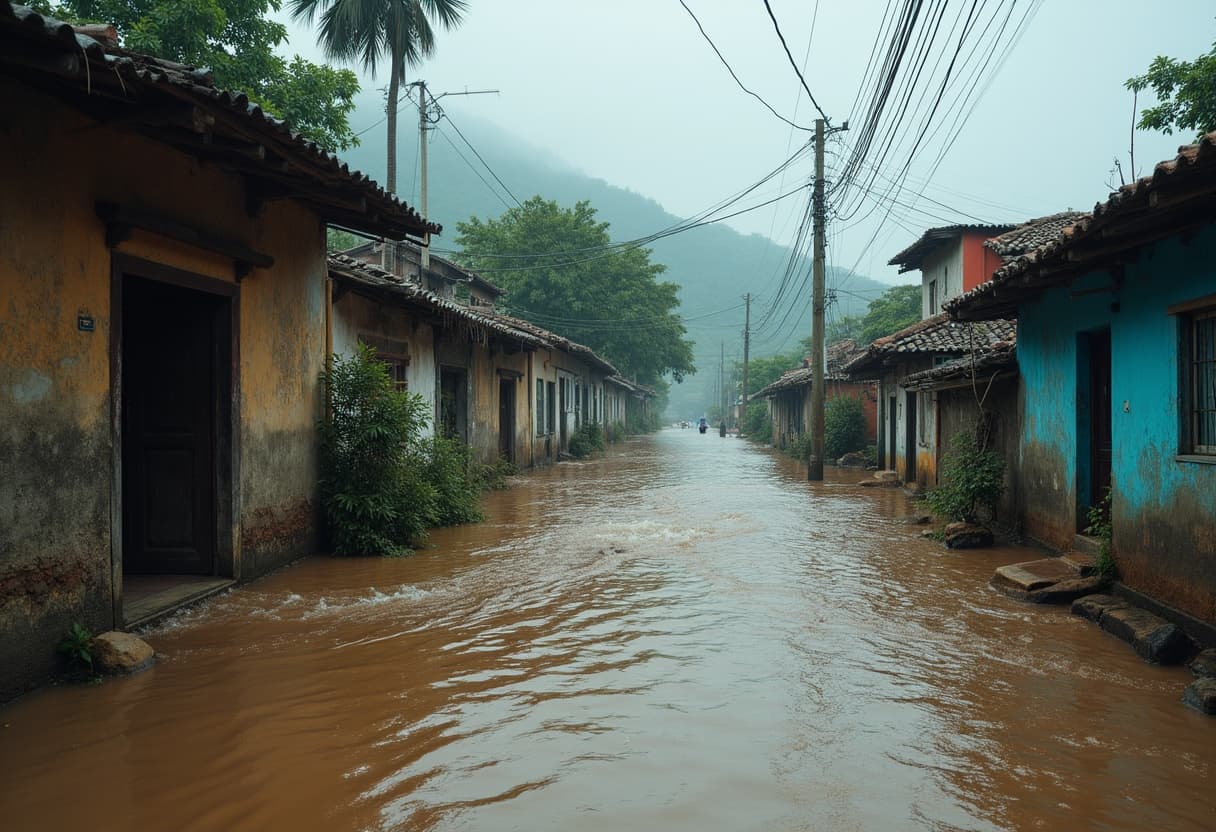
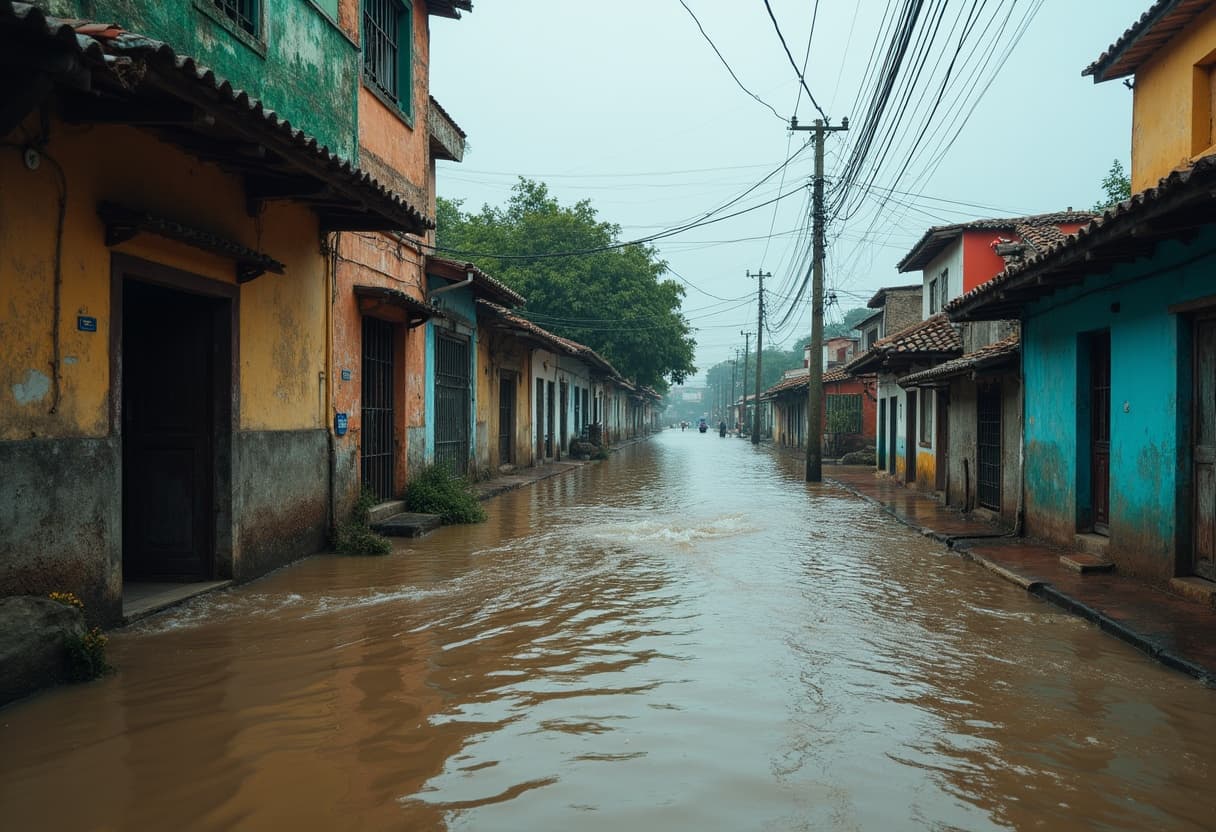
Last week, relentless torrential rains unleashed widespread devastation across parts of Mexico, with the state of Veracruz among the hardest hit. The swollen Cazones River surged rapidly, flooding entire neighborhoods and leaving little time for residents to escape the rising waters. According to official counts, at least 70 people have tragically lost their lives, with over 70 still reported missing, marking one of the deadliest flooding disasters in Mexico in recent memory.
Urgency and Anger Amidst the Water’s Rise
In the city of Poza Rica, a working-class community nestled within Veracruz, the disaster’s human toll is deeply felt. Adán González Ortega, a 78-year-old resident, recounted the harrowing experience: “The alert arrived when the wave was already on top of you.” He managed to reach his sister’s home just as floodwaters reached waist height, but many others weren’t so fortunate. The rapidity of the river’s rise—something authorities struggle to forecast with adequate lead time—left residents vulnerable and exposed.
President Sheinbaum’s Response Under Scrutiny
President Claudia Sheinbaum, a leader who has enjoyed widespread popularity and strong public support, made swift visits to the flooded areas in an effort to assess the damage and reassure the affected communities. However, her presence was met with a mix of gratitude and frustration, as angry residents voiced concerns over perceived delays and insufficient disaster preparedness. These tensions underscore the complex challenges leaders face in balancing immediate crisis response with longer-term infrastructure resilience, especially amid increasingly unpredictable weather patterns exacerbated by climate change.
Broader Implications: Climate Change and Disaster Preparedness
The Veracruz floods raise critical questions about Mexico’s readiness to confront the growing threat of climate-induced natural disasters. Experts warn that torrential rains and flash floods are becoming more frequent and severe, urging governments at all levels to enhance early warning systems and invest in sustainable urban planning. The inability to provide timely alerts during such sudden floods not only endangers lives but also compounds public distrust in governmental institutions.
Economic and Social Aftershocks
Beyond the immediate loss of life and destruction, the floods have interrupted vital economic activities in a region heavily dependent on small industries and commerce. Recovery efforts will require substantial funding and coordinated action between federal, state, and local authorities. Socially, displaced families face uncertain futures, as the reconstruction of homes and critical infrastructure could take months, if not years.
Looking Ahead: Building Resilience in the Face of Unpredictability
Mexico's struggle with these devastating floods highlights a pivotal moment for public policy: the imperative to integrate climate resilience into urban development and emergency management. As President Sheinbaum's administration navigates the immediate aftermath, the broader challenge remains ensuring that vulnerable communities receive not only prompt aid but also the tools to withstand future catastrophes.
Key Takeaways
- Rapid onset of flooding left many residents with little to no warning.
- The disaster exposed gaps in early warning systems and emergency response infrastructures.
- President Sheinbaum’s leadership is being tested amid public scrutiny.
- Escalating climate risks make resilient urban planning and investment more critical than ever.
- Recovery will demand coordinated efforts across government and community lines.