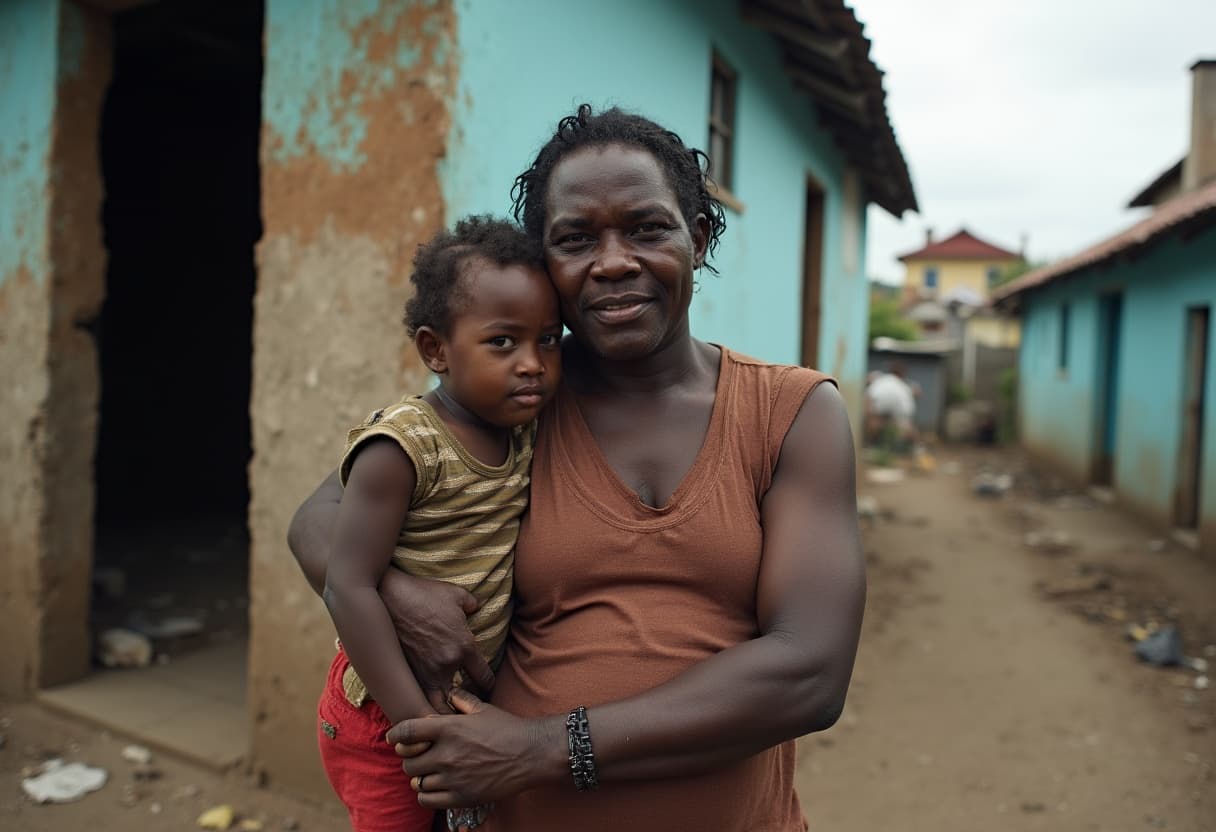
Hurricane Melissa Devastates Western Jamaica, Leaving Thousands Without Homes
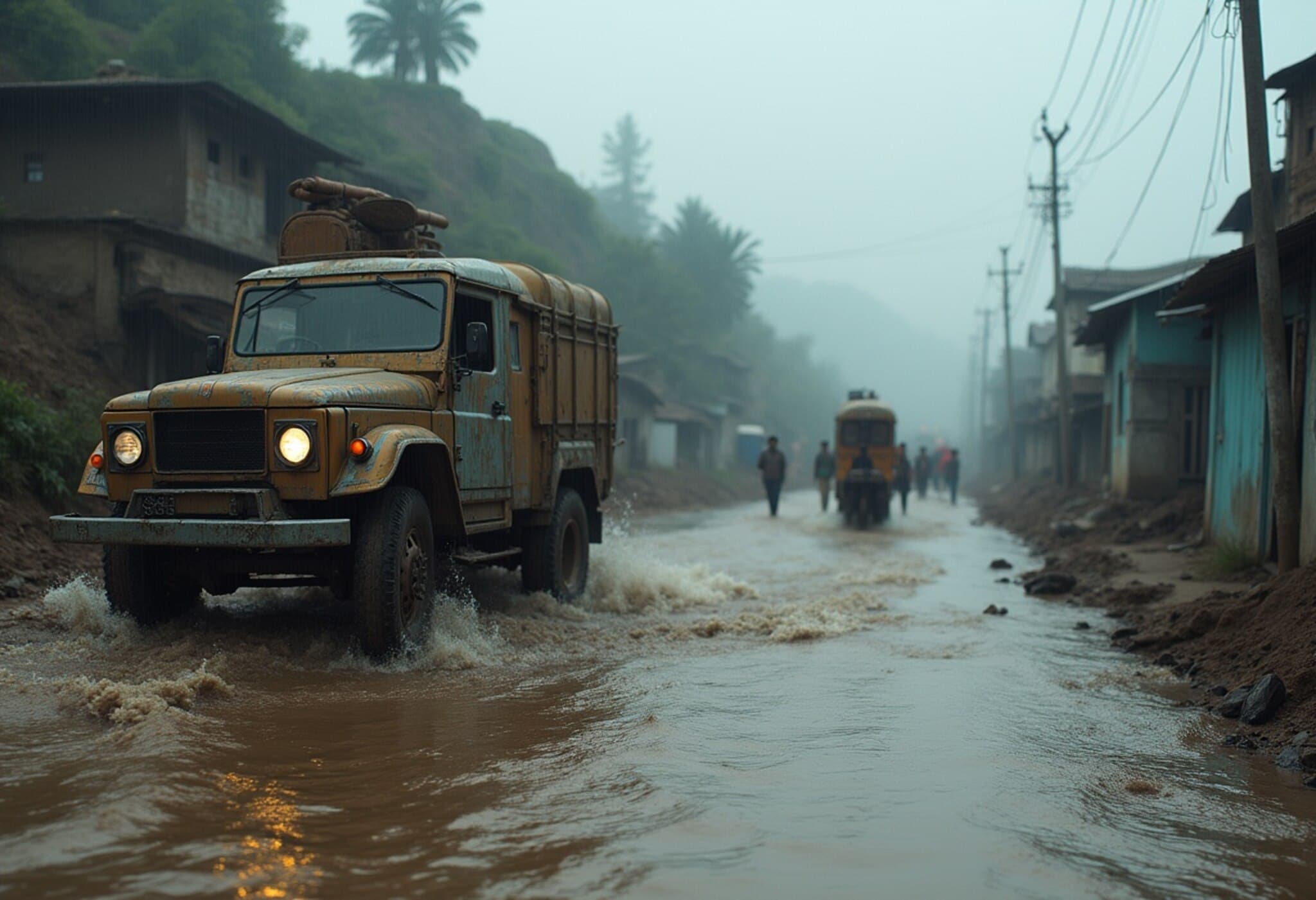
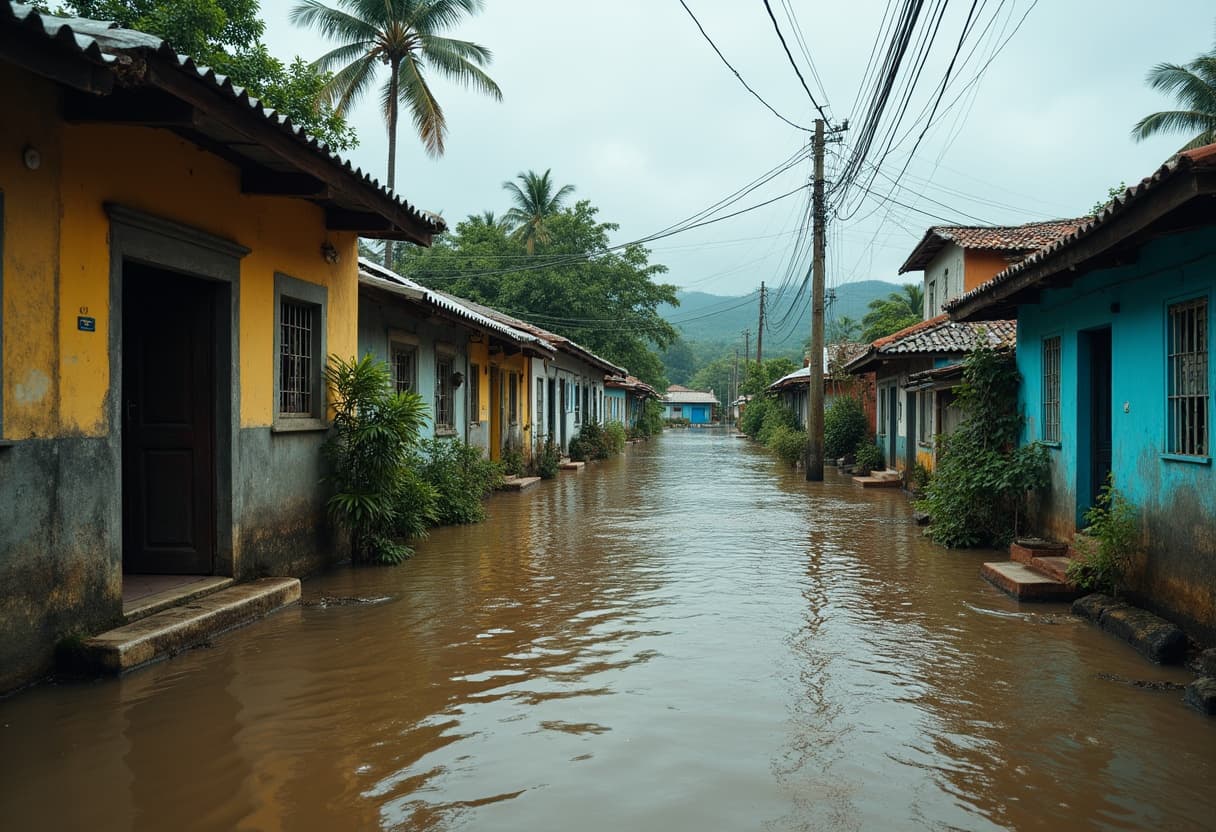
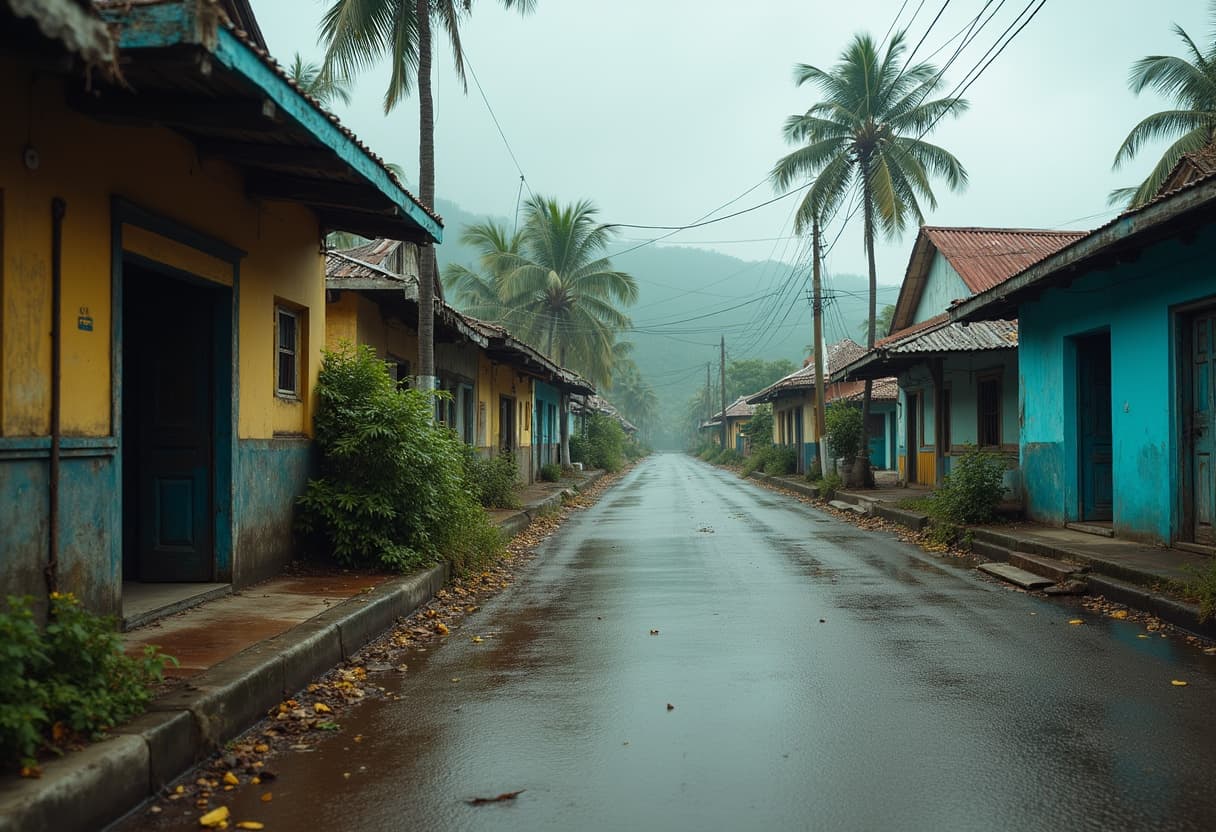
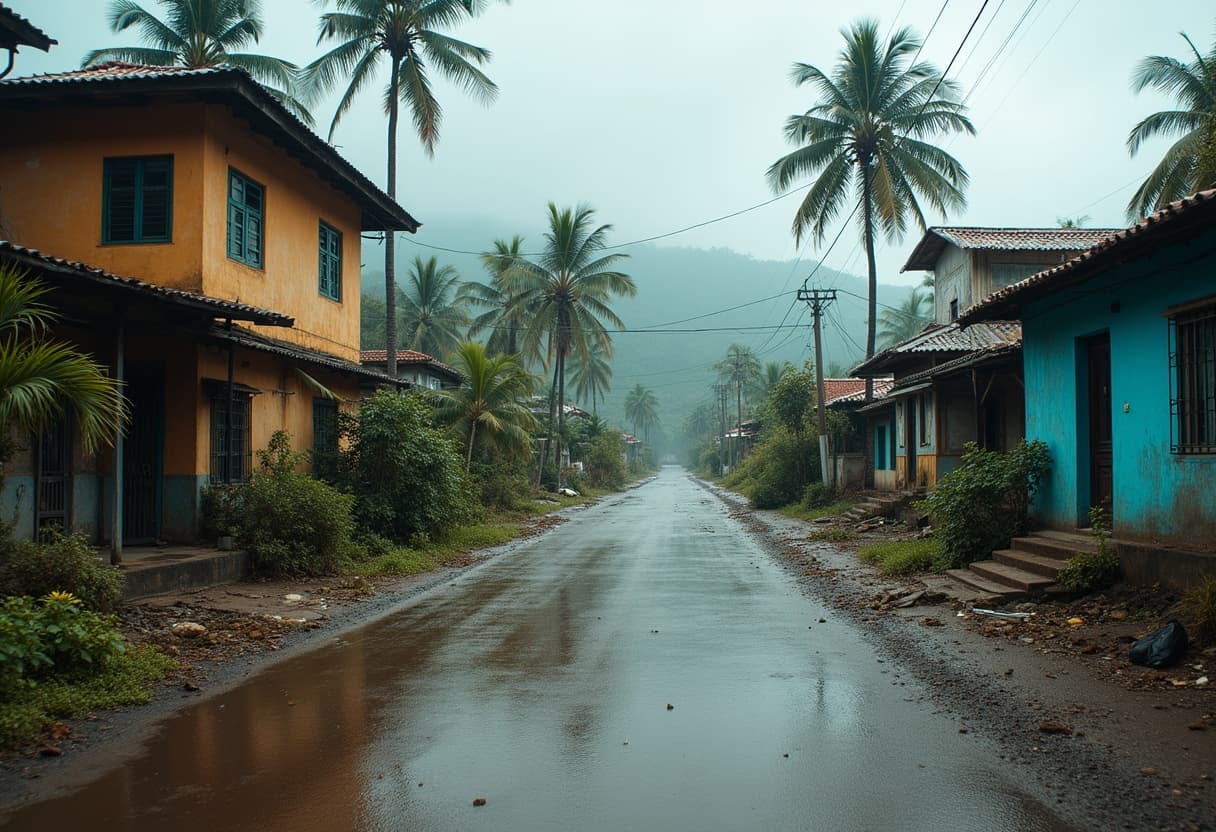
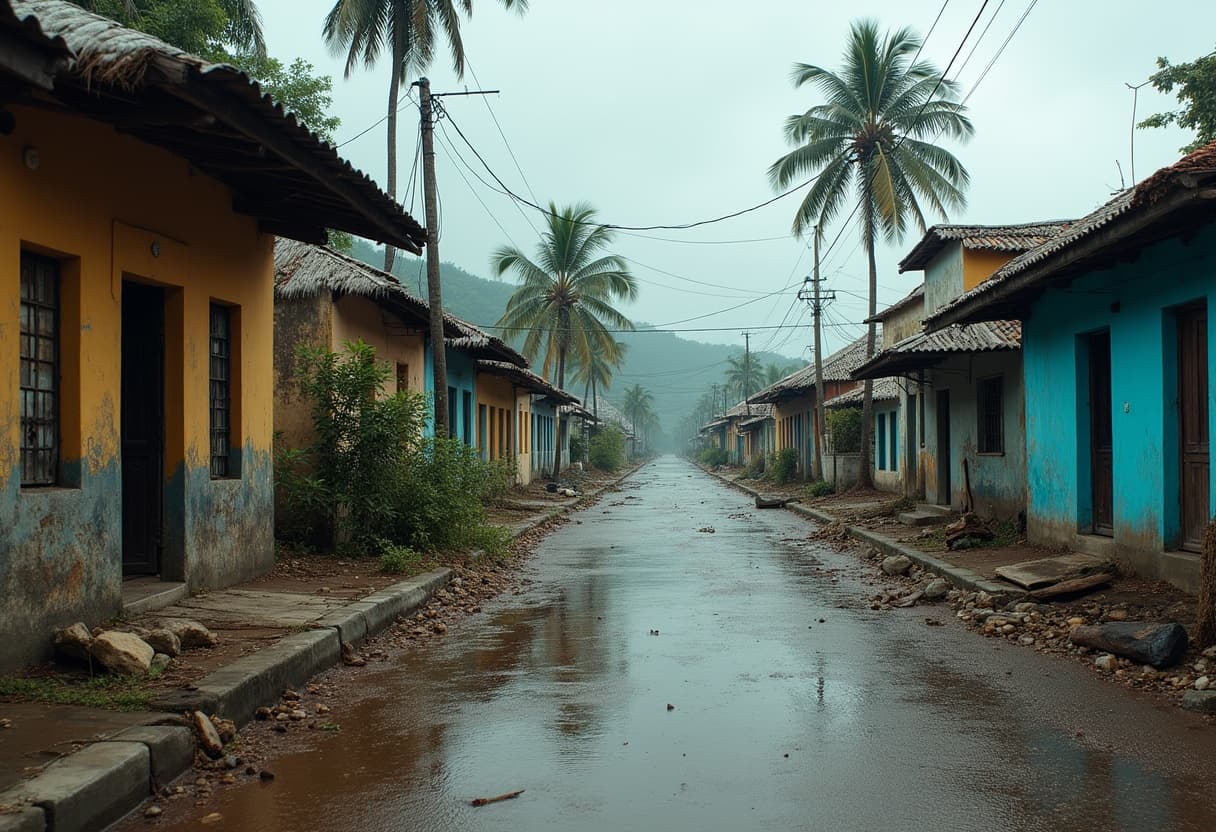
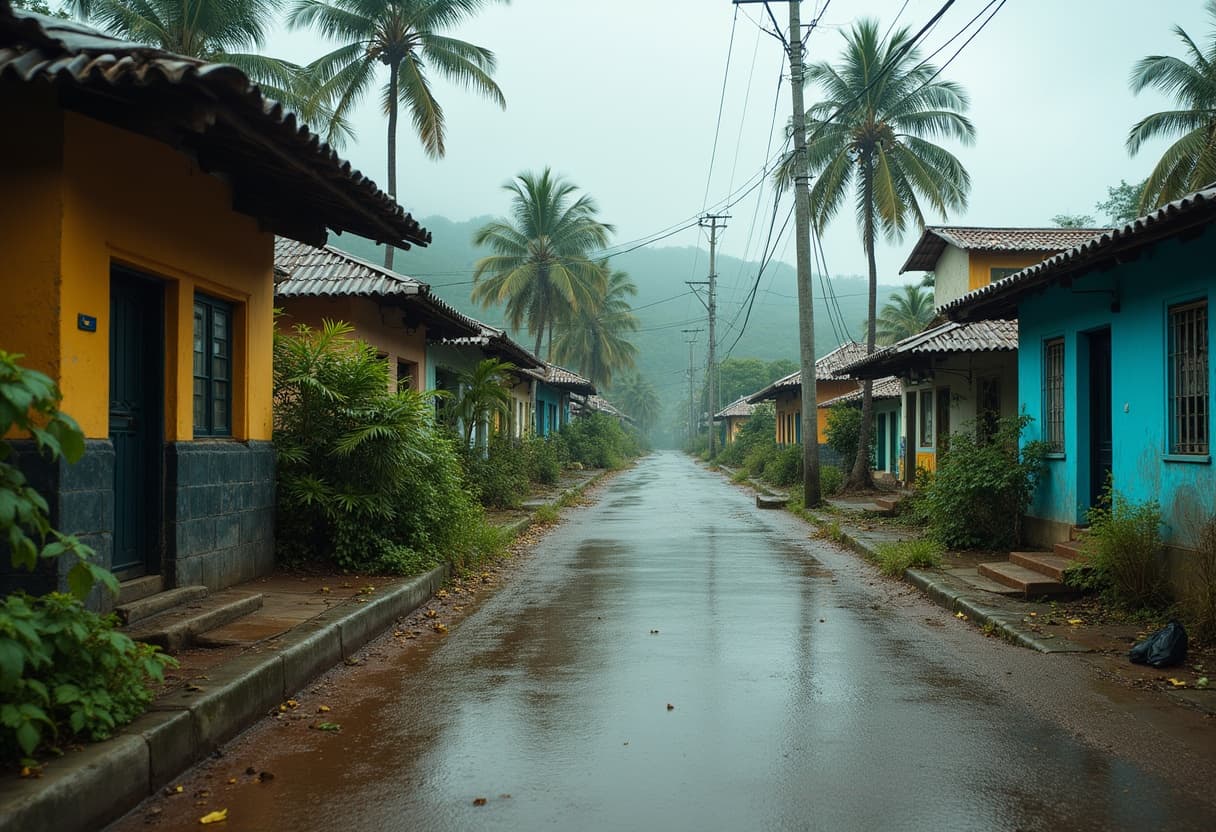
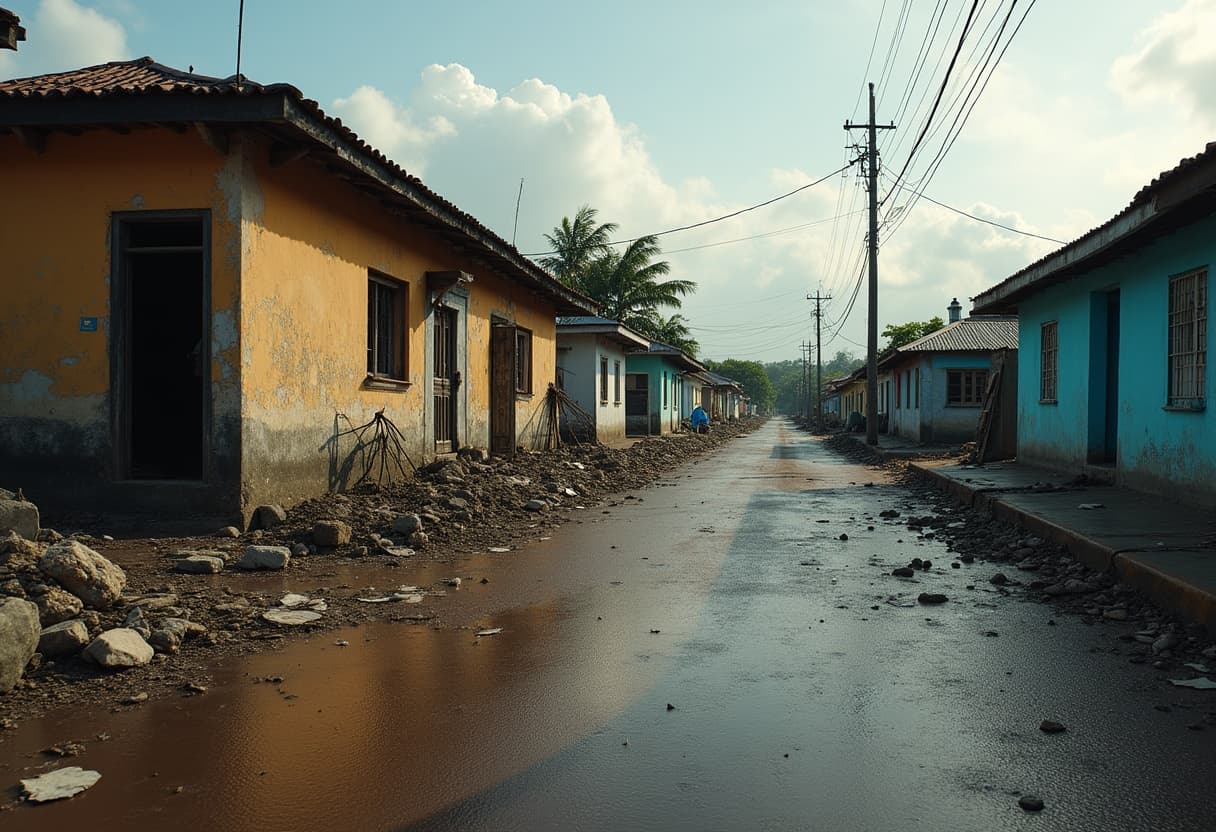
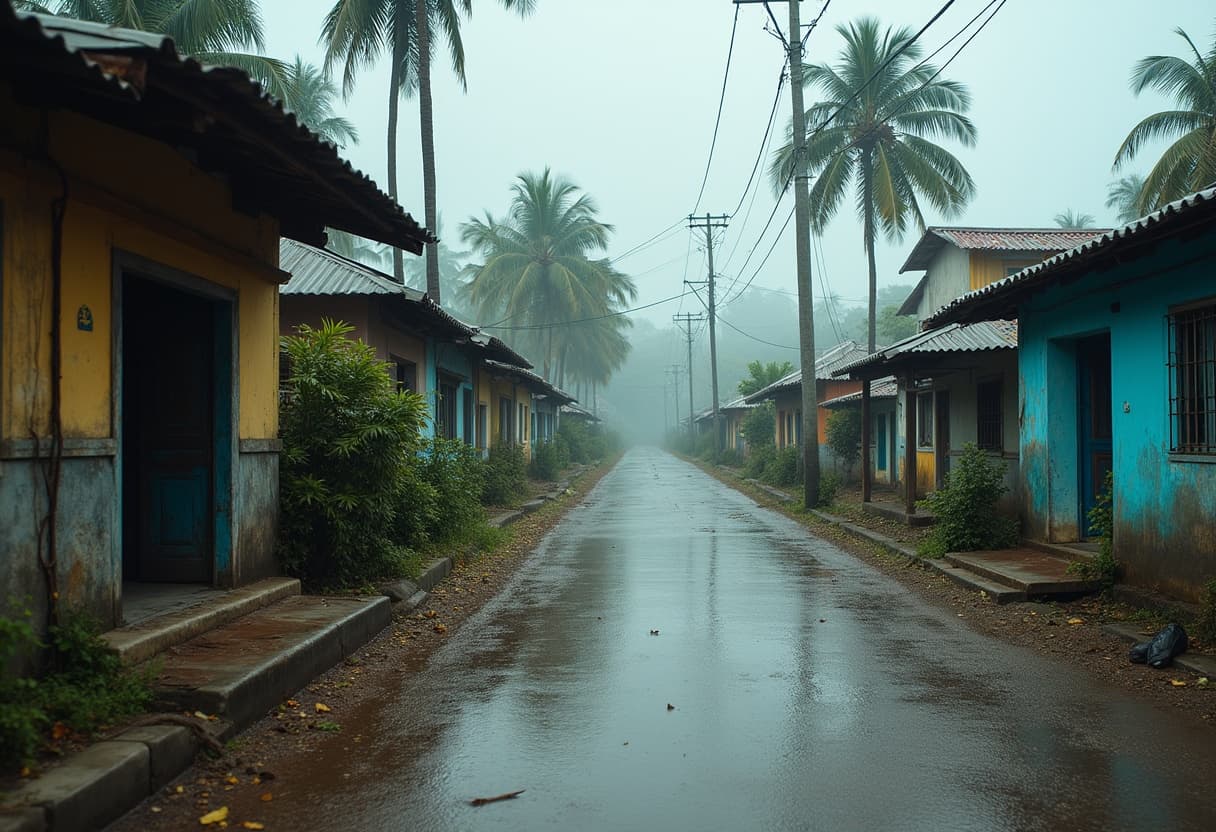
More than two weeks after Hurricane Melissa barreled through western Jamaica as a powerful Category 5 storm, the scale of the disaster’s human toll is coming into sharp focus. The relentless winds and torrential rains have left at least 45 dead and thousands more displaced, with families grappling to find shelter amid the widespread destruction.
Lives upended in Brompton and Beyond
In the small community of Brompton, near the southwestern coast where the hurricane’s impact was fiercest, 22-year-old Sashoya Wynter’s family is living in what can barely be called a shelter. Their home, along with the elementary school where they initially sought refuge during the storm, was completely destroyed.
Now, the family of six children and adults survives in the remnants of All Souls Anglican Church—a roofless, doorless cement structure that once served as a storeroom. By daylight, younger siblings watch along busy roads, holding cardboard signs in hopes of receiving food and water from passersby. At night, fear takes hold as Sashoya and her mother keep watch against the threat of violence from strangers.
“We are sleeping in fear,” Sashoya shares, highlighting the vulnerability and anxiety faced by displaced families even after the storm has passed.
The Broader Crisis: An Overwhelmed Recovery Effort
Authorities in Jamaica are now confronting the complex challenge of housing and supporting thousands of families like the Wynters. The hurricane’s destruction has exposed deep vulnerabilities in disaster preparedness and social safety nets, particularly in rural and coastal communities.
- Infrastructure Damage: Roads, schools, and healthcare facilities have been severely damaged, complicating relief and rebuilding efforts.
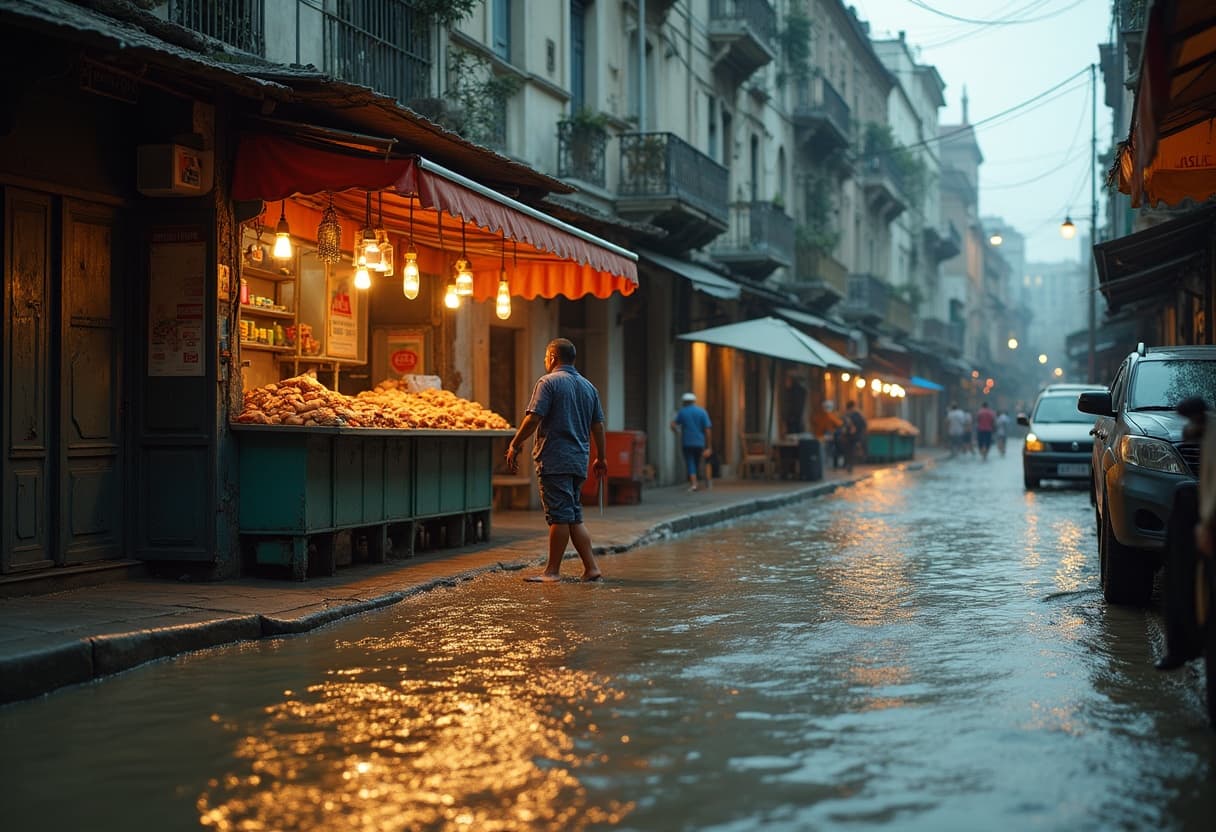
- Economic Impact: Many families rely on agriculture and fishing, industries devastated by flooding and storms, threatening livelihoods.
- Mental Health Concerns: The trauma of loss and displacement is causing lasting psychological effects, often overlooked in disaster recovery plans.
Expert Insights: The Need for Resilient, Community-Centered Recovery
Dr. Marcia Thompson, a Caribbean disaster response expert, emphasizes that recovery efforts must go beyond immediate relief to build resilience against future storms. “Rebuilding homes without considering climate adaptation leaves communities vulnerable,” she cautions. Given the increasing frequency of intense hurricanes, integrating sustainable construction, early warning systems, and social support networks is critical.
For Jamaica, a small island nation, the economic burden of Melissa’s damage presents a daunting challenge, especially as it recovers from previous climate-related disasters. The situation also underscores the importance of international aid and cooperation to bolster local capacities.
Underreported Narratives: The Silent Struggles
While headlines focus on death tolls and infrastructure damage, the ongoing hardships of families like the Wynters reveal a quieter crisis—displacement-induced insecurity and the erosion of community bonds. The church’s graveyard, where Sashoya’s family now sleeps, poignantly reflects a space between loss and survival, haunted by both grief and uncertainty.
This nuanced human experience calls policymakers and humanitarian actors to adopt a more holistic approach, addressing not only physical shelter but also safety, dignity, and long-term well-being.
Looking Forward: What Comes Next for Jamaica?
The road to recovery in western Jamaica will be long and complex. It requires coordinated efforts among government agencies, local communities, NGOs, and international partners to ensure a recovery that fosters resilience, inclusivity, and sustainability.
As the Caribbean braces for a more intense hurricane season in the coming years, Jamaica’s experience with Hurricane Melissa serves as both a cautionary tale and a call to action for climate preparedness and humanitarian innovation.
Editor's Note
Hurricane Melissa’s devastating impact highlights the urgent need to rethink disaster recovery strategies in vulnerable regions. Beyond rebuilding structures, the focus must include mental health support, economic recovery, and community safety to truly restore lives and livelihoods. How Jamaica and the international community respond today will shape resilience for future storms. This story invites readers to consider the complex human faces behind natural disasters and the enduring challenges they impose.