Mexico City's Rainy Season Exposes Critical Drainage Failures
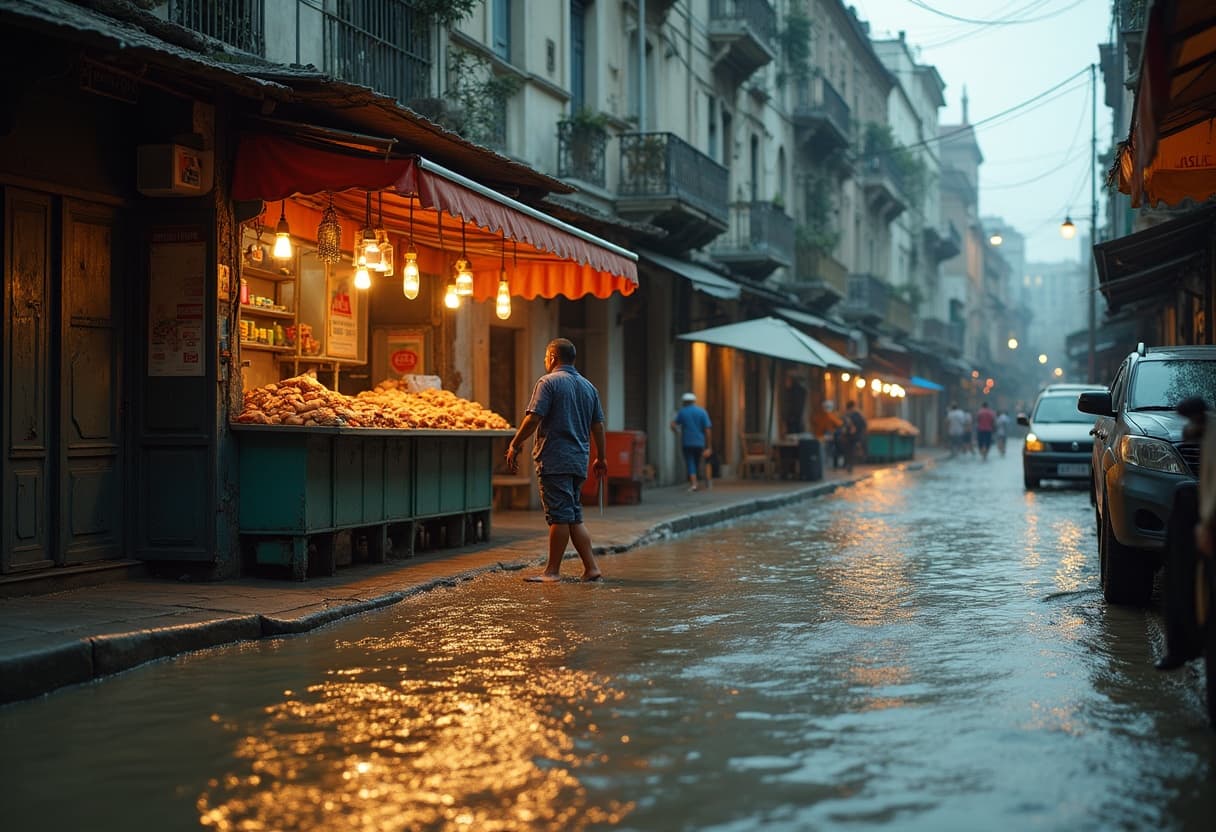
In 2025, Mexico City faced its harshest rainy season in over four decades, unleashing widespread flooding that crippled neighborhoods and disrupted daily life. While heavy rains were an undeniable factor, city officials and experts have identified a less obvious but significant culprit exacerbating the crisis: the accumulation of grease and fat clogging the city’s drainage system.
The Hidden Enemy in the Pipes: Grease from a Food-Loving City
Mexico City’s celebrated culinary culture, particularly its abundant street food scene featuring iconic dishes like suadero tacos—rich in beef fat—is a double-edged sword. The same fats that delight palates are wreaking havoc underground.
Ricardo Munguía, who oversees hydraulic infrastructure for the city’s water and sewer agency, likens the problem to arterial cholesterol: “Imagine a layer of fat in your arteries, like cholesterol,” he explained. This buildup narrows passageways, impeding water flow and significantly contributing to flooding.
Grease and Trash: Star Blockers of the Drainage System
- Four out of five flooded areas are linked to drain blockages caused by improper disposal of trash and especially fat-based waste.
- Restaurants, markets, and street vendors discharge grease into the drainage network, often unknowingly.
- Combined with larger debris, grease forms solid masses that seriously obstruct sewer pipes.
Underlying Challenges: Aging Infrastructure Meets Urban Growth
Adding to the grease problem is the city's decades-old drainage system, which was never designed to withstand the sprawling metropolis Mexico City has become. Rapid urban expansion has increased impermeable surfaces like concrete, reducing the land's natural ability to absorb rainwater, while the city's gradual sinking compounds water runoff issues.
Experts warn that without urgent upgrades and better waste management practices, the city remains vulnerable to even routine rainfalls turning into destructive floods.
Community and Policy Implications
Tackling this complex issue requires coordinated efforts:
- Education campaigns aimed at restaurant owners and residents about proper grease disposal.
- Investment in modern infrastructure capable of handling current urban realities and climate challenges.
- Regulatory enforcement to prevent businesses from discharging waste improperly.
- Exploration of grease recycling or treatment programs that provide economic incentives.
Expert Insight: A Mirror to Global Urban Challenges
Mexico City’s grease-clogged sewers are a microcosm of a growing global urban issue where culinary culture and rapid development collide with aging public utilities. Similar problems have plagued cities like New York and London, where combined efforts of policy reform and community engagement are starting to bear fruit.
From a U.S. policy perspective, cities often tackle such issues through comprehensive public health and infrastructure programs, underlining the importance of holistic urban planning that integrates cultural practices with environmental sustainability.
Looking Ahead: From Crisis to Opportunity
While the floods brought misery, they also highlight the opportunity for Mexico City to innovate. By adopting new technologies—such as smart sensors to monitor fat accumulation—and driving public-private partnerships, the city can transform its sewer challenges into a blueprint for resilience.
Questions for Consideration
- How can Mexico City balance preserving its cherished street food culture with protecting critical infrastructure?
- What role can citizens play in reducing sewer blockages beyond regulations?
- Could grease recycling become a viable economic opportunity rather than merely a waste problem?
Editor’s Note
Mexico City's flooding crisis paints a vivid picture of how everyday cultural habits intersect with infrastructural fragility. This story invites us to look beyond the surface—both literally and figuratively—to understand urban vulnerabilities shaped by human choices. Addressing clogged sewers is about more than pipes; it’s a call for integrated urban stewardship, blending tradition with innovation to secure the city’s future.