Canada’s Strategic Shift: Navigating Economic Uncertainty and U.S. Tensions
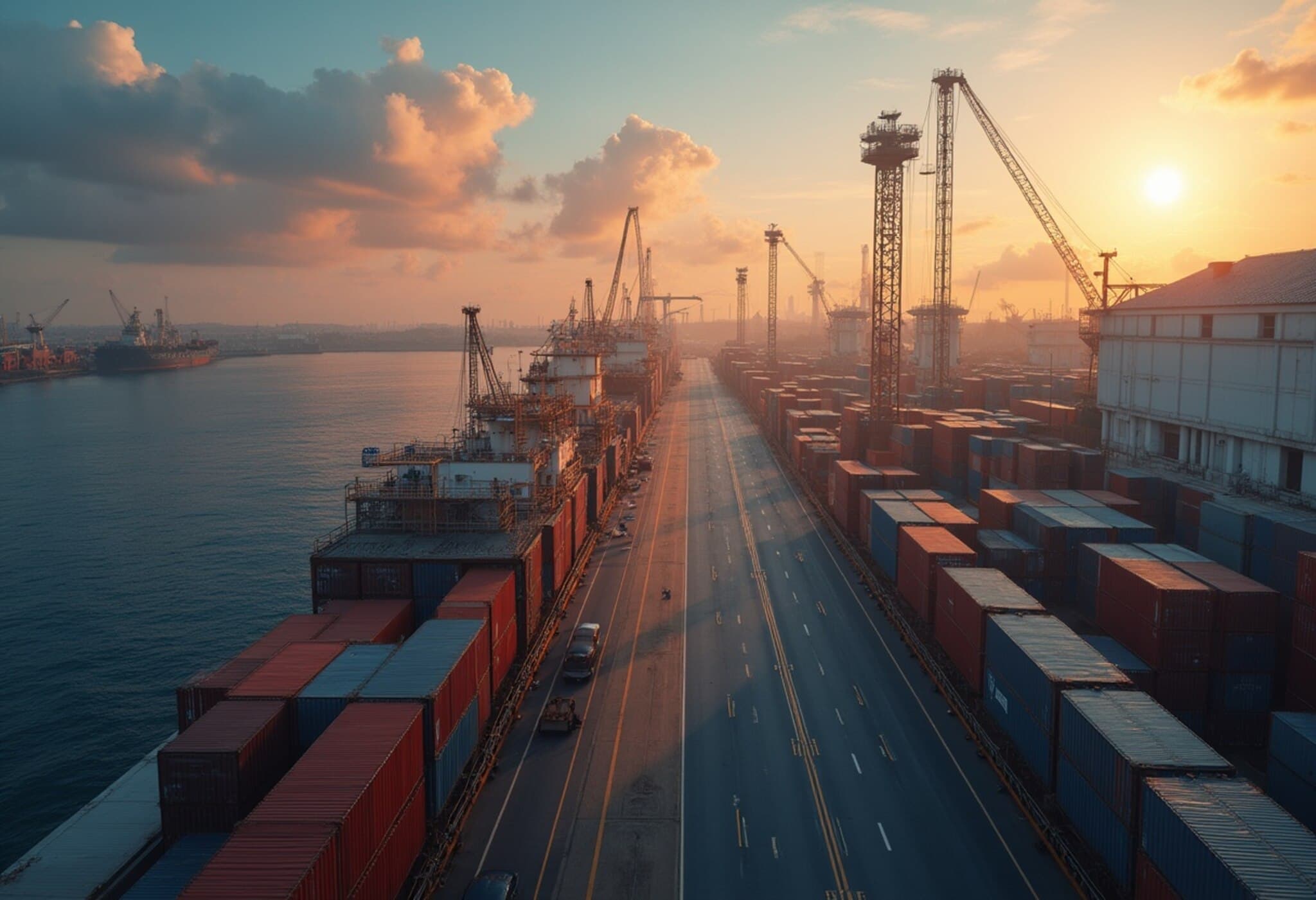
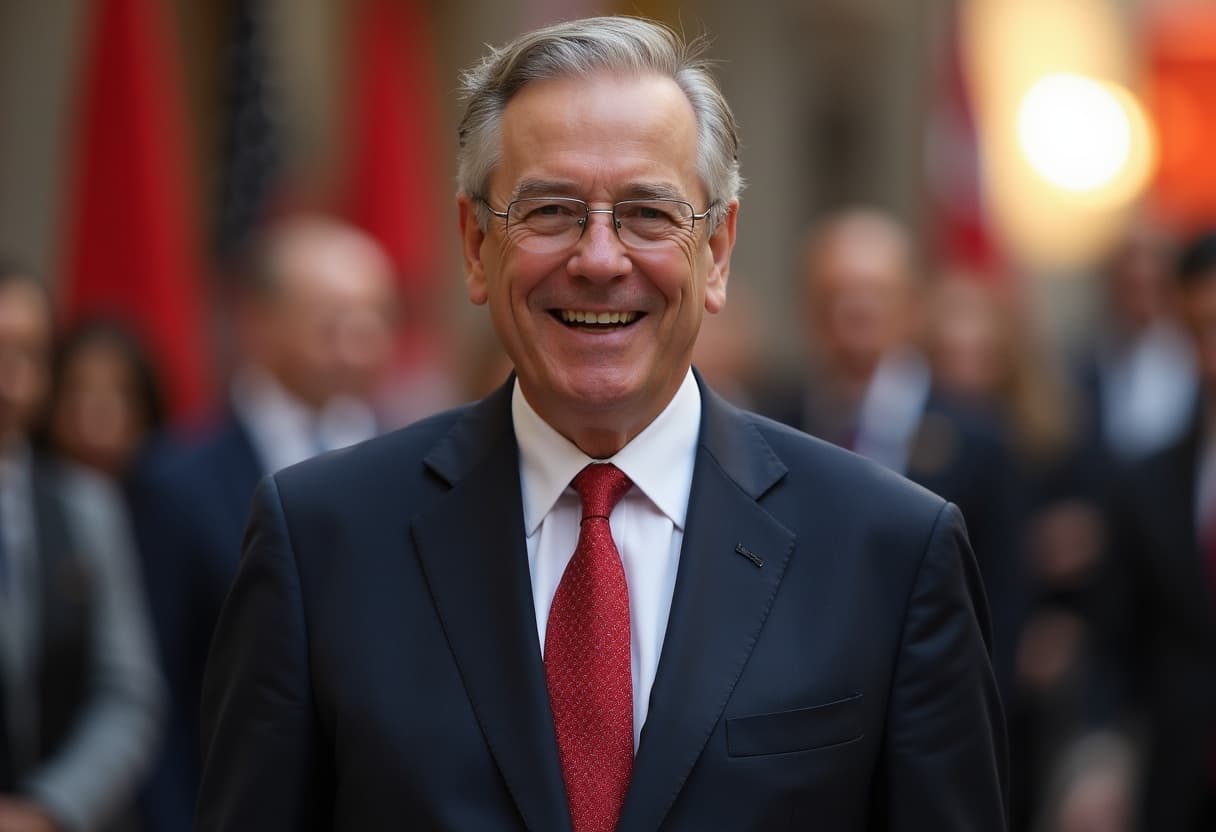
As Canada grapples with economic headwinds marked by factory closures, rising inflation, and looming recession fears, Prime Minister Mark Carney embarks on a pivotal diplomatic tour across Asia. This trip comes at a time when Canada’s historic reliance on the United States as its primary trading partner—accounting for 80% of Canadian exports—faces unprecedented risks amid increasingly fraught U.S.-Canada relations.
From North America to Asia: A Calculated Economic Diversification
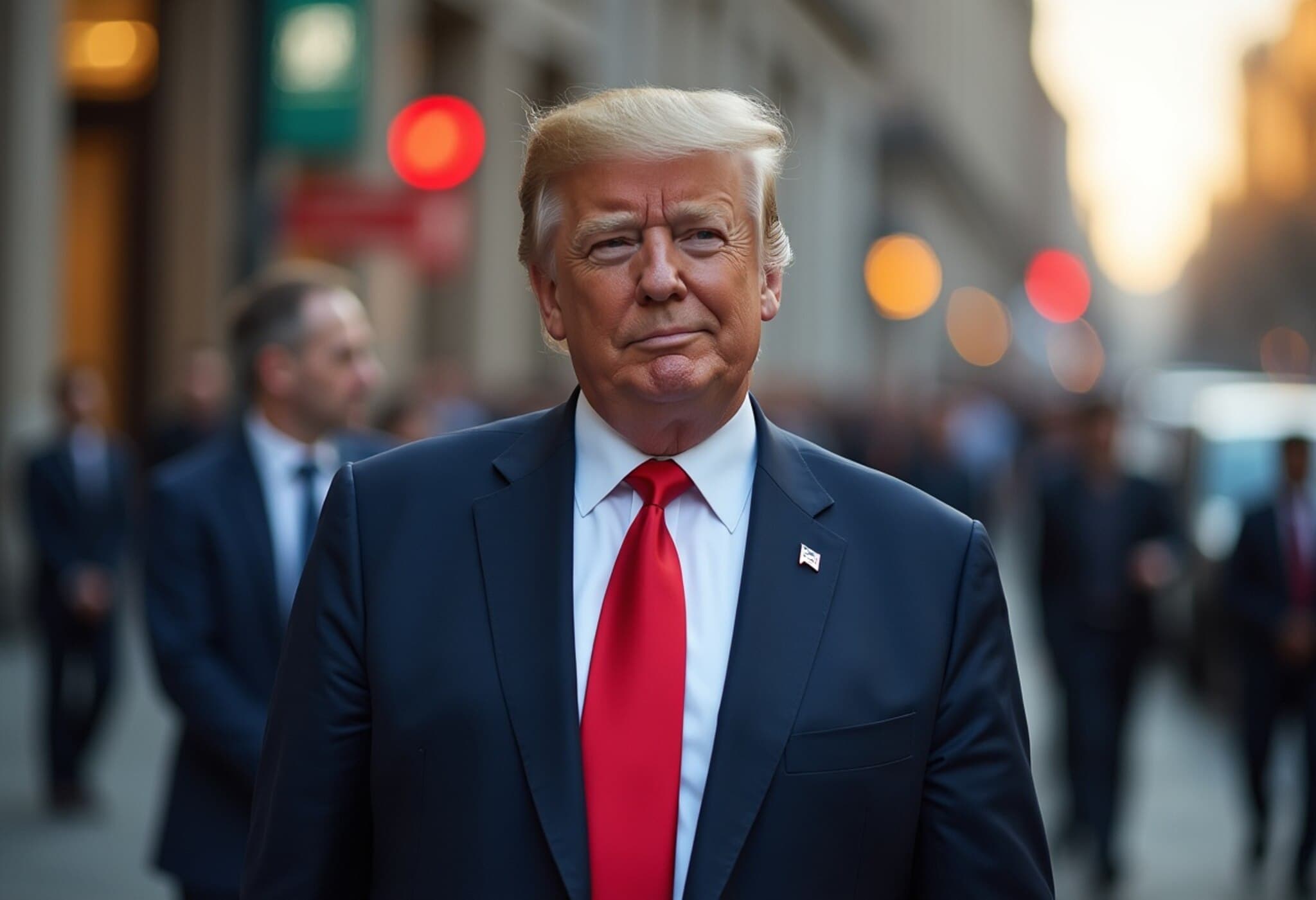
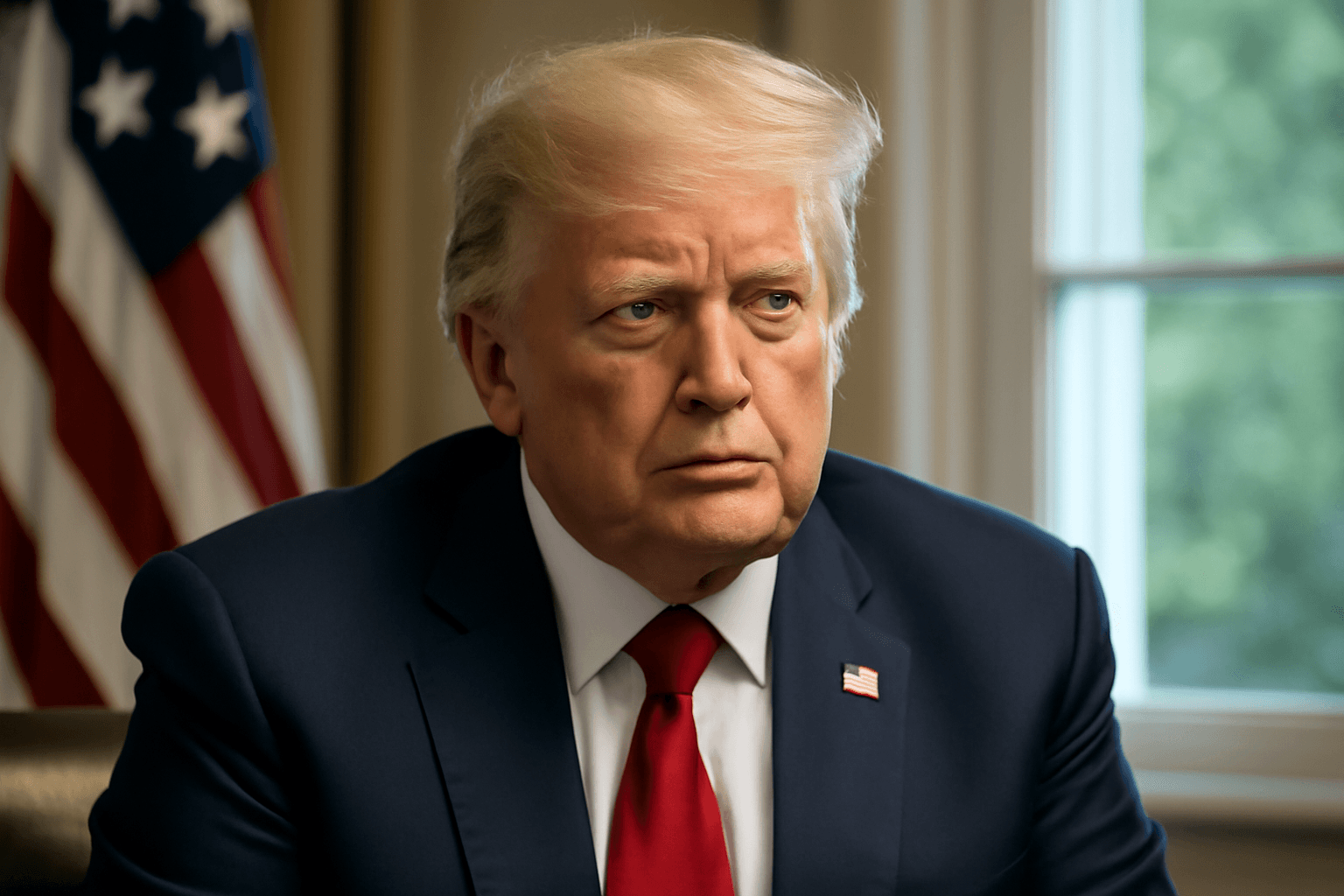
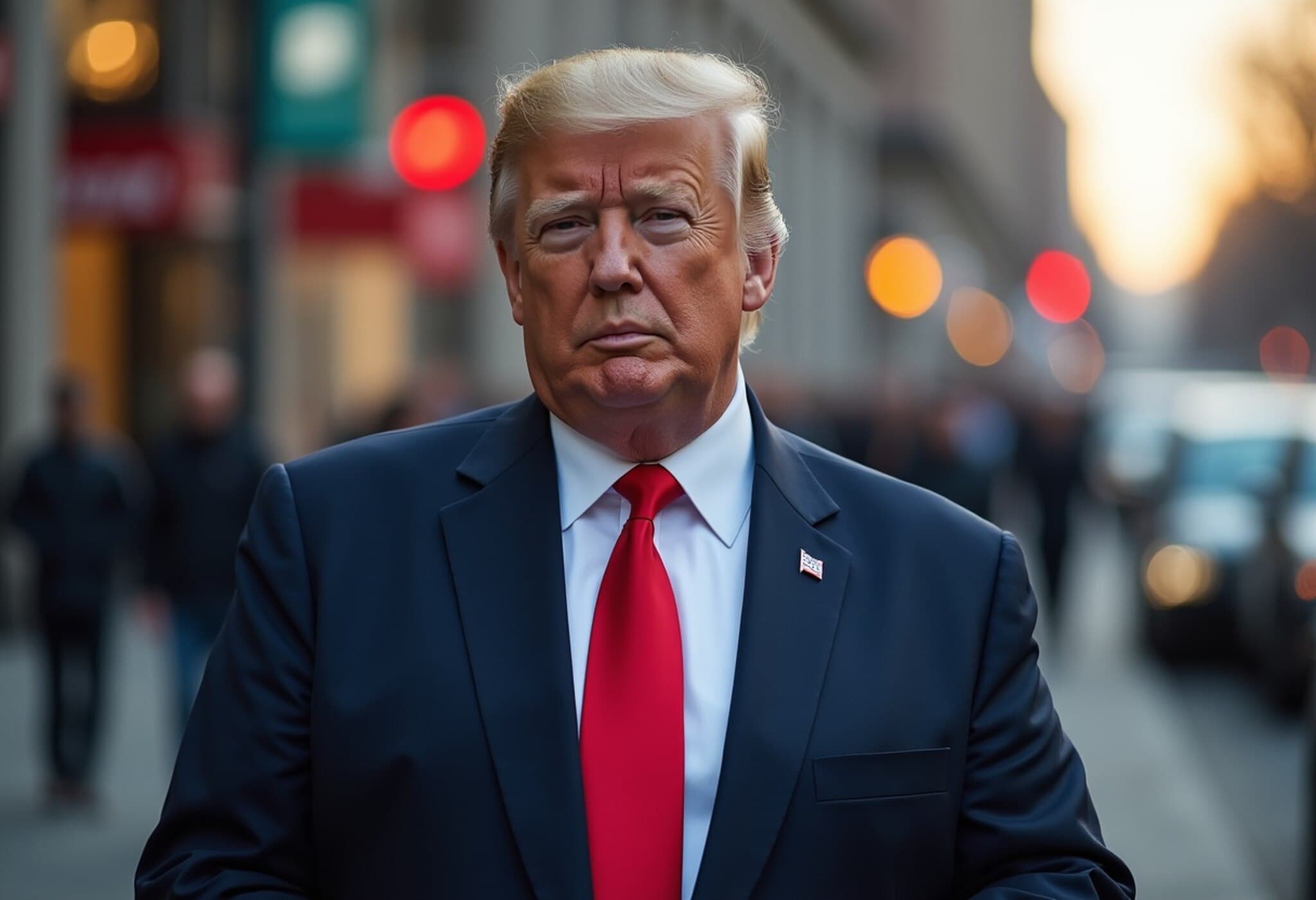
In the shadow of President Donald Trump's aggressive tariff strategy—exacerbated by his vow to escalate duties on Canadian goods following a contentious TV ad featuring a former American president—Mr. Carney is under intense pressure to demonstrate a credible plan to pivot Canada’s trade orientation.
Asia, with its rapidly growing economies and a combined consumer base nearing 700 million and a market worth over $5 trillion, is emerging as the centerpiece of Carney’s vision to reduce Canadian dependency on the United States.
Ambitious Trade Goals and Diplomatic Challenges
Carney aims to double Canadian exports to countries outside North America within a decade, focusing significantly on Southeast Asia, where Canada already counts the Association of Southeast Asian Nations (ASEAN) as its second-largest trading partner. However, ASEAN currently absorbs just about 10% of Canada's exports, highlighting both the opportunity and the steep climb ahead.
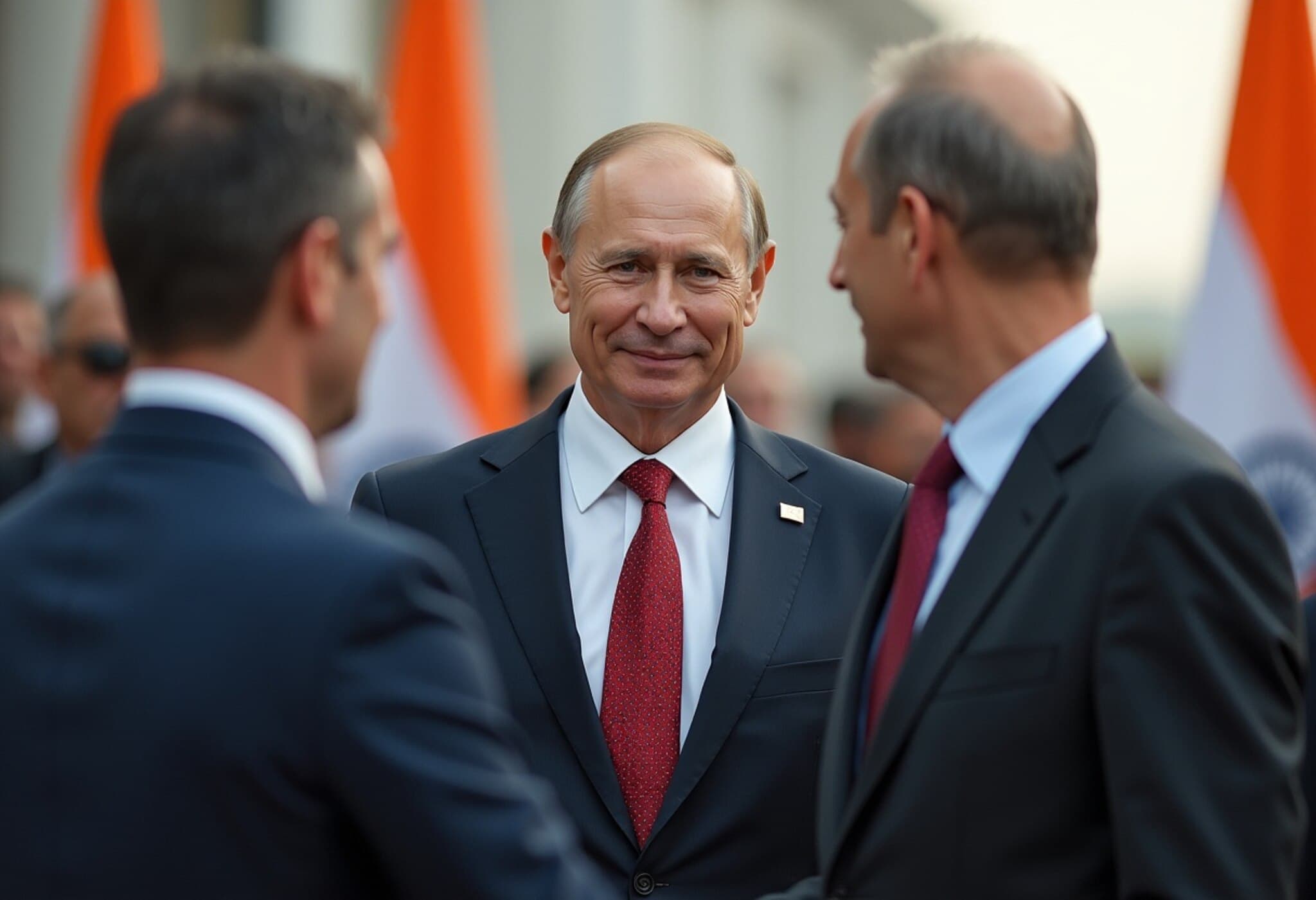
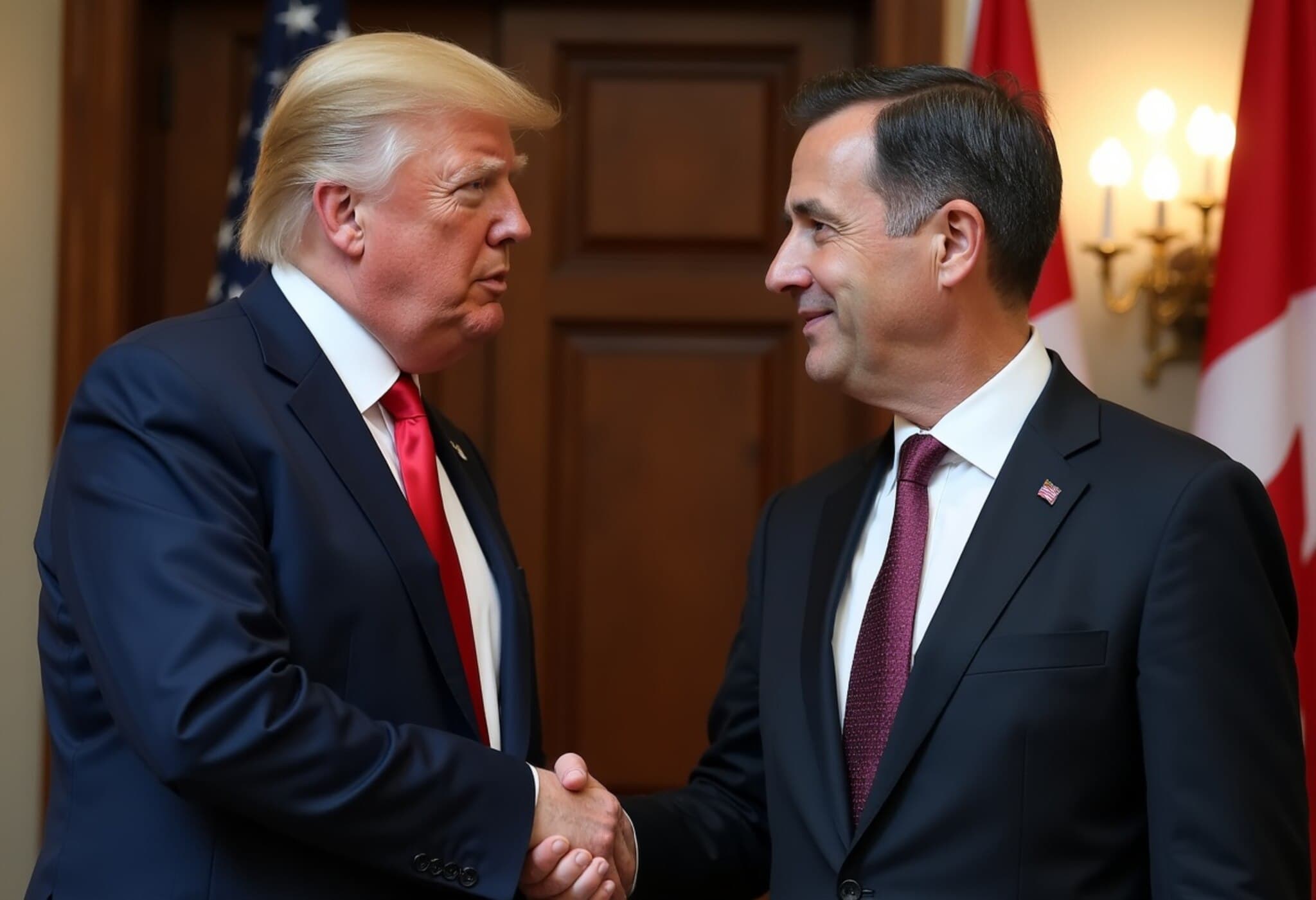
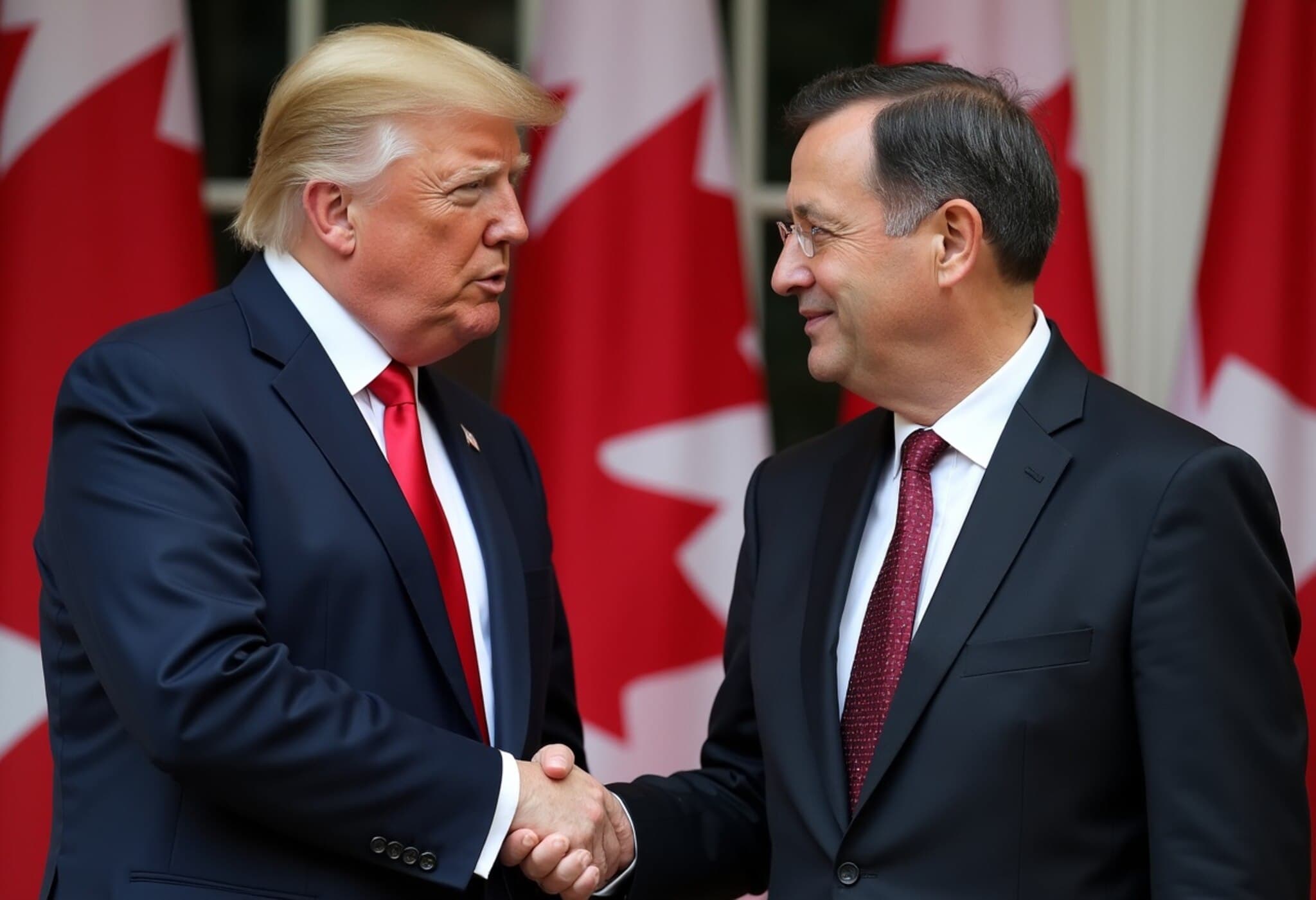
However, this redirection is not without complications. Canada seeks to mend its strained ties with China, meeting with China's top leader in Seoul to defuse long-standing disputes, including allegations of Chinese electoral interference in Canada. Yet this reset risks displeasing the Trump administration, which itself plans high-level talks with China, complicating Canada’s diplomatic dance.
Key Sectors Driving Canada's Asian Engagement
- Energy exports: Canada’s first large liquefied natural gas (LNG) plant in British Columbia shipped its initial consignment to South Korea in July, with plans underway to double its capacity—a move deemed a project of national interest supported by prominent investors including Malaysia’s state energy firm Petronas.
- Agriculture and technology: Canadian farm products and advanced tech solutions, especially in cybersecurity and automotive software by companies like BlackBerry, form promising growth areas in Asia.
- Defense procurement: Carney’s tour includes evaluating South Korean shipyard bids for diesel-electric submarines, aligning with Canada’s military modernization.
Energy analyst Heather Exner-Pirot notes Canada's advantage in LNG is not just proximity to Asian markets but its ample natural gas reserves, compared to tighter U.S. supplies strained by domestic demand—potentially giving Canada a durable edge in regional energy exports.
Seizing an Opening Amid U.S. Trade Volatility
Amid Trump’s unpredictable trade policies, Canada positions itself as a more reliable and steady trading partner, a narrative reinforced by international relations expert Tricia Yeoh of the University of Nottingham Malaysia. While the U.S. enacts tariffs and politically charged trade tactics, Canada pitches predictability and cooperation—qualities valued in a complex geopolitical environment.
BlackBerry CEO John Giamatteo highlights how Canada's corporate citizenship increasingly appeals to Asian governments wary of American tech companies amid rising data privacy and security concerns. Canadian government support for firms expanding abroad under Carney's leadership has amplified this advantage.
Domestic Skepticism and the Balancing Act Ahead
Despite its promise, Carney’s strategy faces skepticism at home. Critics caution that overemphasis on global diversification, especially towards Asia, might undermine crucial trade negotiations for the North American trade pact set for review. The pact has so far mitigated some of the harsher tariffs imposed by the Trump administration on vital Canadian sectors like steel, aluminum, and automobiles.
Goldy Hyder, head of the Business Council of Canada, neatly encapsulates the challenge: “America always needs to win in every negotiation,” underscoring Canada’s task to find sustainable, workable trade wins, even as U.S.-Canada relations remain tense.
Looking Forward: What This Means for North American and Global Trade
Carney’s pivot highlights the growing urgency for middle powers like Canada to hedge economic risks amid an era of protectionism and geopolitical uncertainty. As the world’s economic gravity tilts eastward, Canada’s recalibration serves as a case study on how traditional allies and trade patterns are adapting in the 21st century.
However, the move raises critical questions:
- Can Canada realistically diversify its export base while maintaining vital North American trade ties?
- How will renewed engagement with China and ASEAN nations influence regional geopolitics, especially in light of U.S.-China rivalry?
- What role will government support and corporate innovation play in securing Canada’s foothold in Asian markets?
Editor’s Note
Prime Minister Mark Carney’s Asia tour marks more than a diplomatic visit; it is an emblematic pivot amid shifting global dynamics. As trade tensions with the United States escalate, Canada’s strategic outreach underscores the imperative of economic diversification and engagement with Asia’s burgeoning markets. Yet as Carney balances diplomacy, trade, and national interests, the success of this pivot will rest on deft negotiation of complex alliances and fostering sustained partnerships beyond rhetoric. Will Canada’s move inspire other nations facing similar dilemmas? The coming years will be crucial in answering how emerging regional alliances reshape global trade.
Ian Austen, reporting from Singapore; contributed analysis by policy and energy experts.