Canada’s Strategic Shift: Prime Minister Carney Ventures into Asia
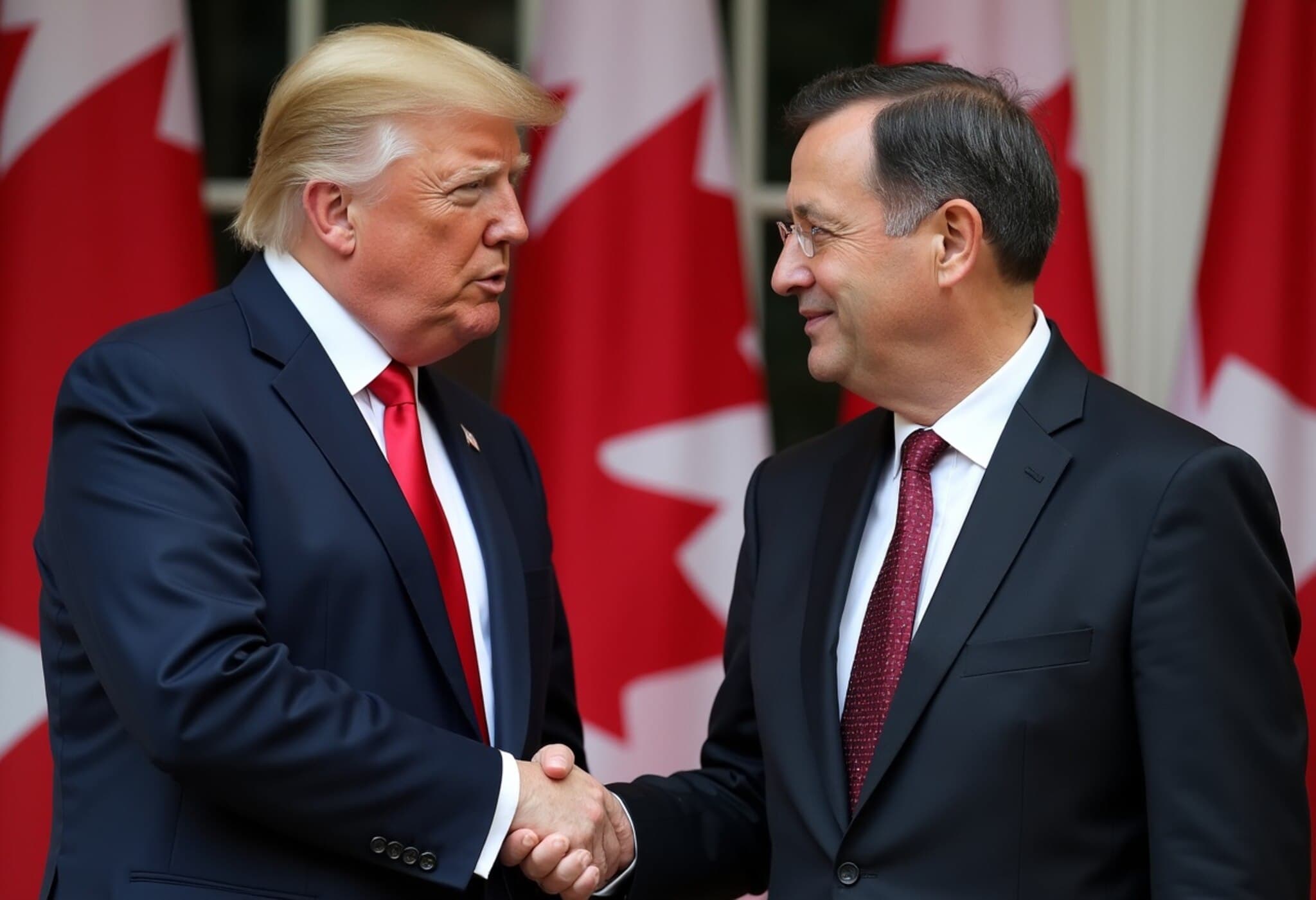
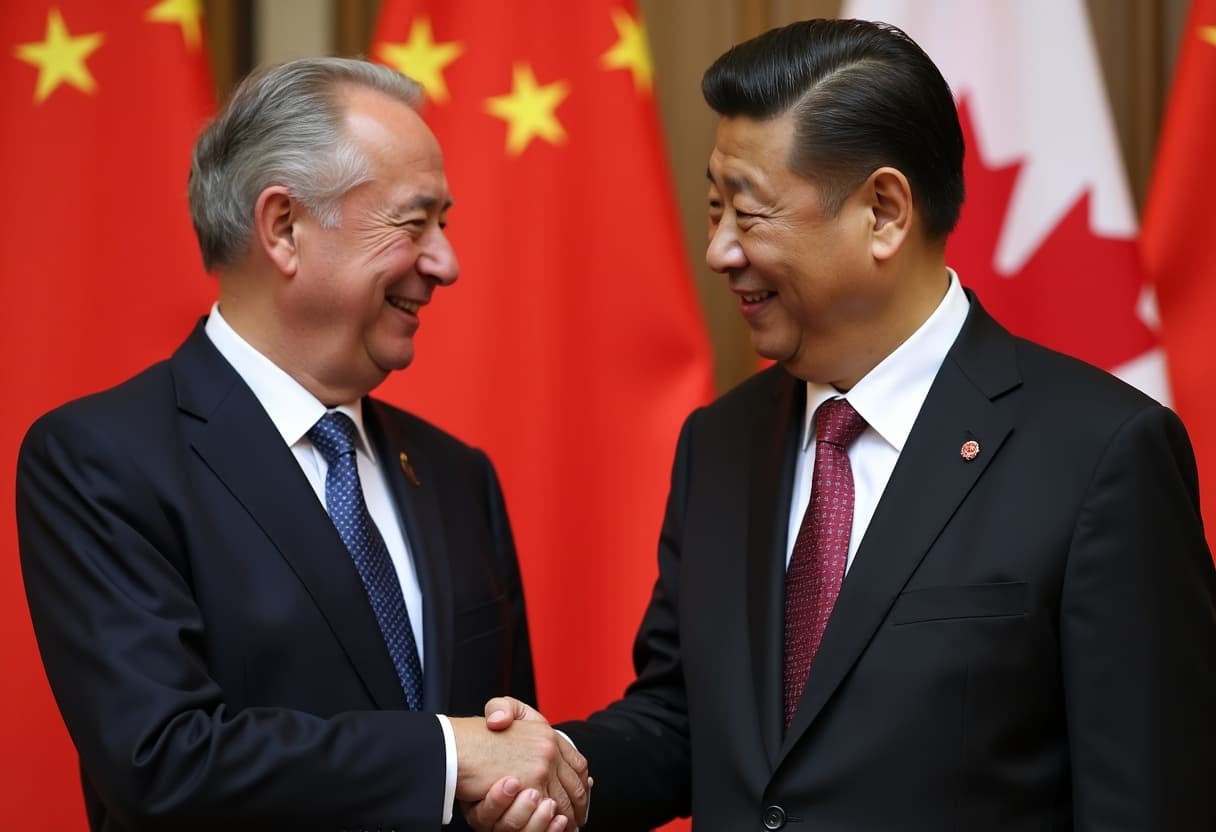
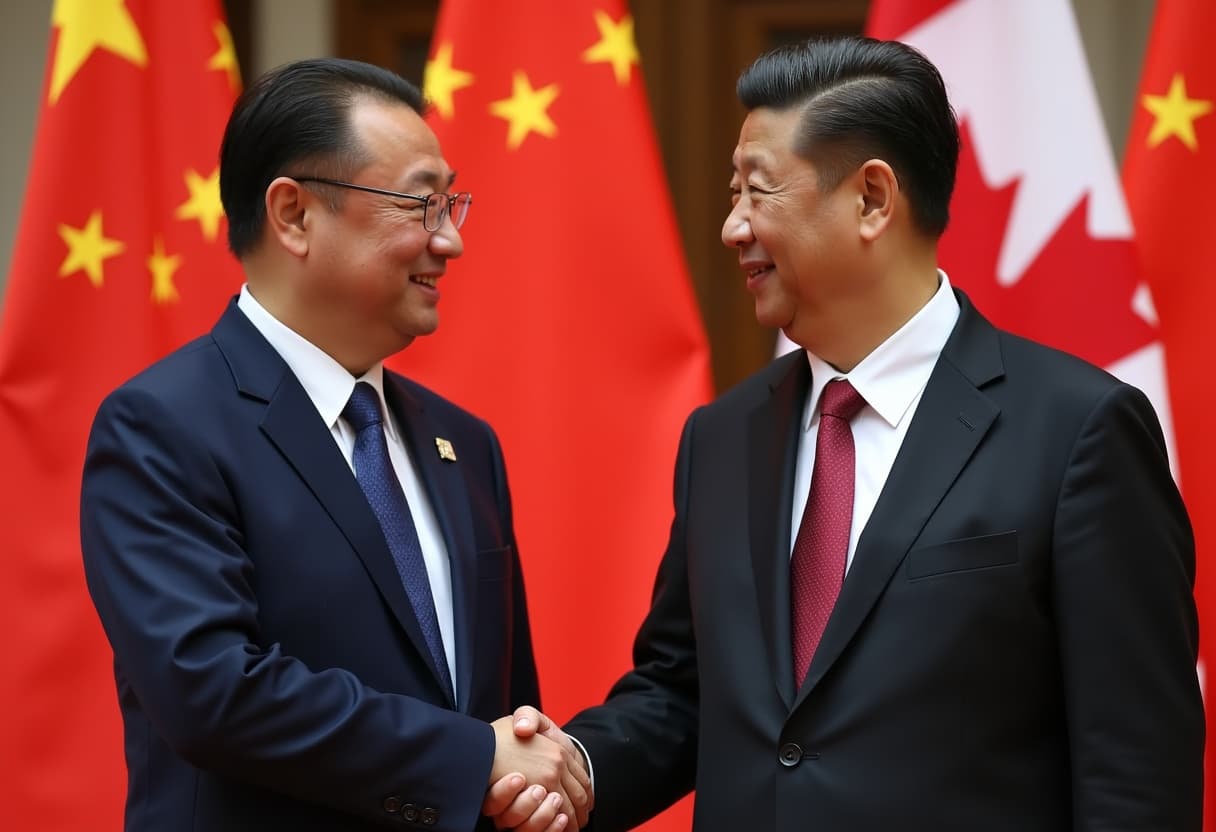
In a clear signal of Canada’s ambition to diversify its international trade portfolio, Prime Minister Mark Carney embarked on a diplomatic mission to Asia, seeking new economic partnerships beyond the longstanding reliance on the United States. This initiative comes amid escalating trade tensions between Canada and the U.S., which have underscored the vulnerability of Canada’s dependence on its southern neighbor.
Trade Talks Stalled by U.S. Political Frictions
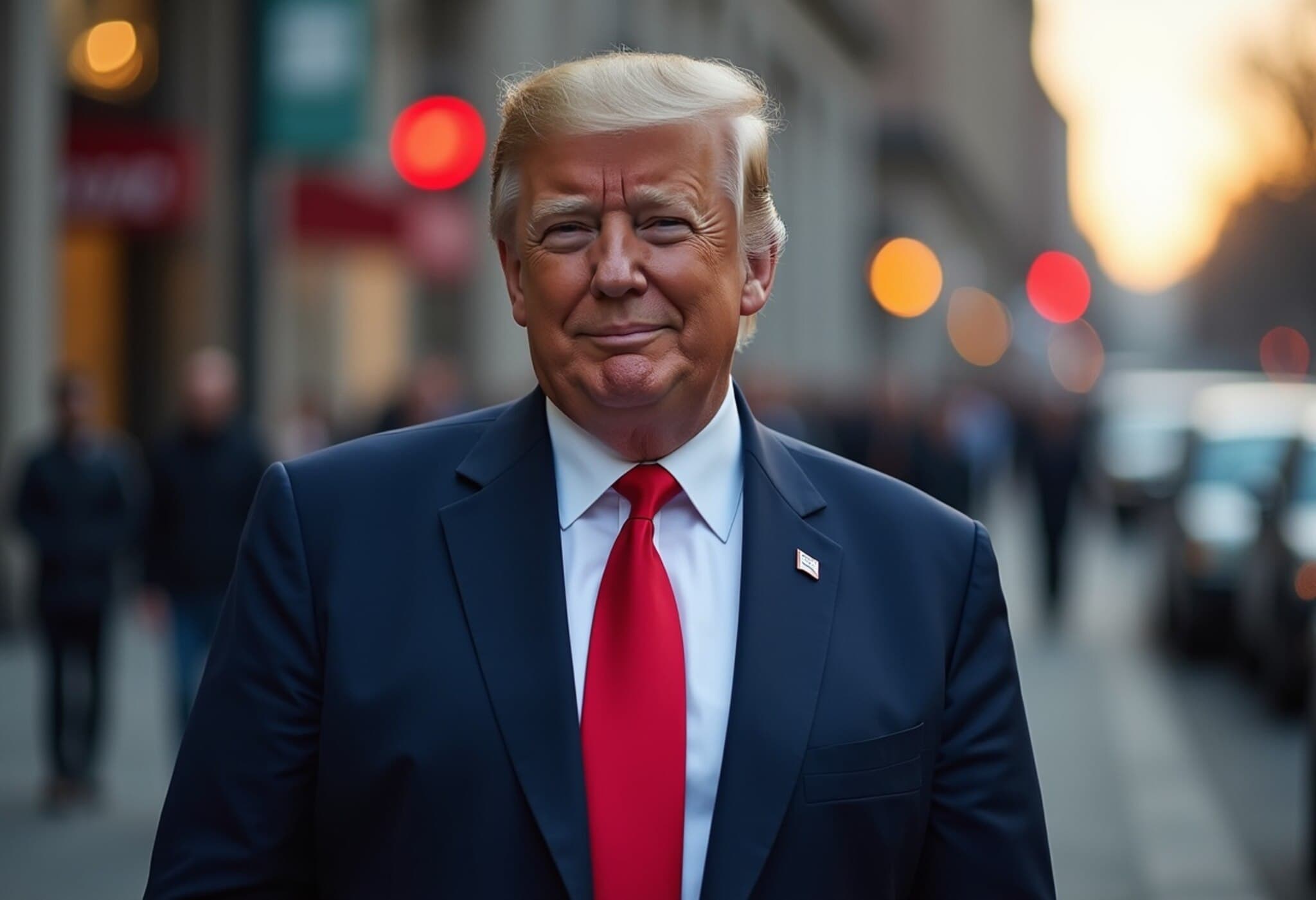
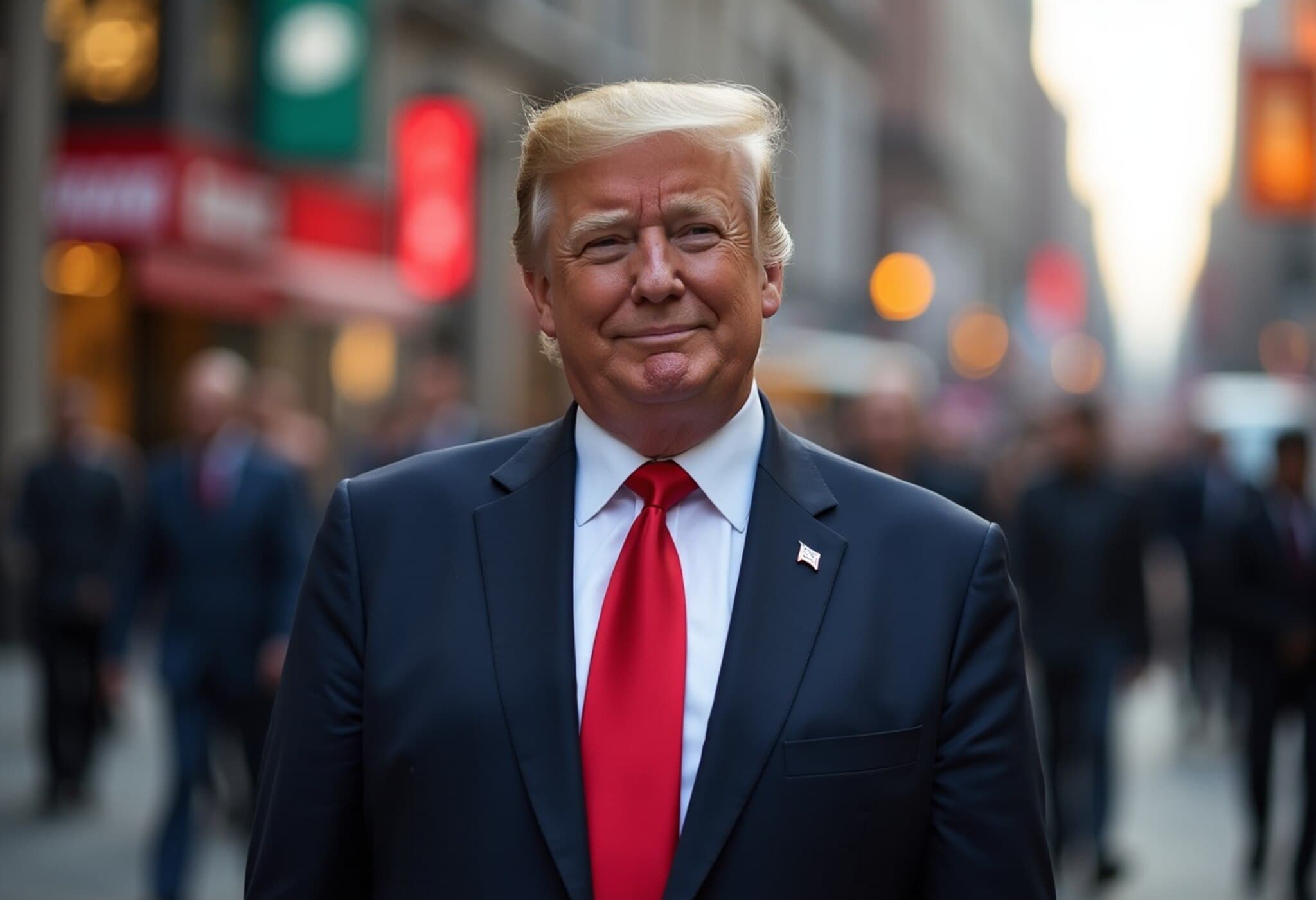
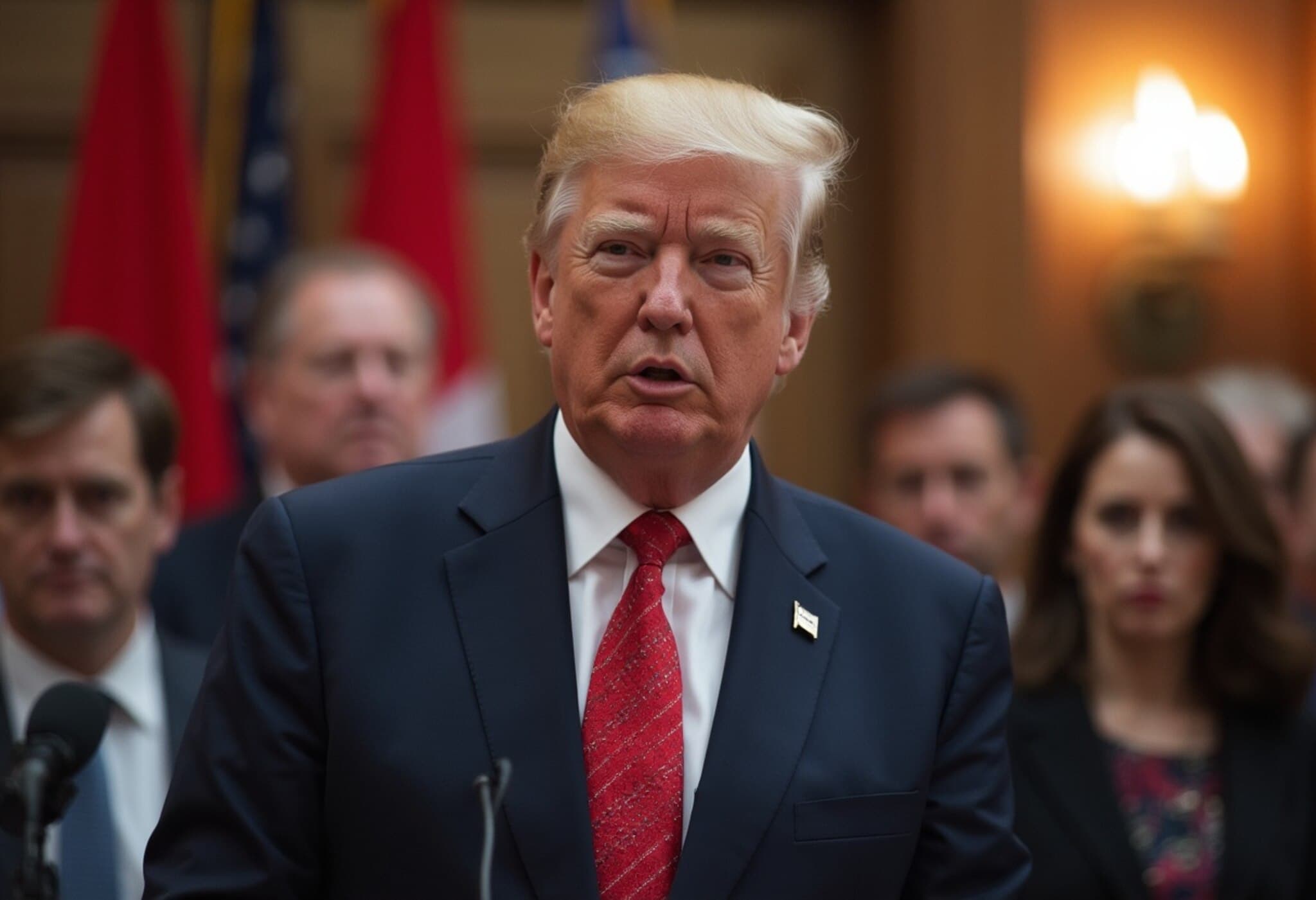
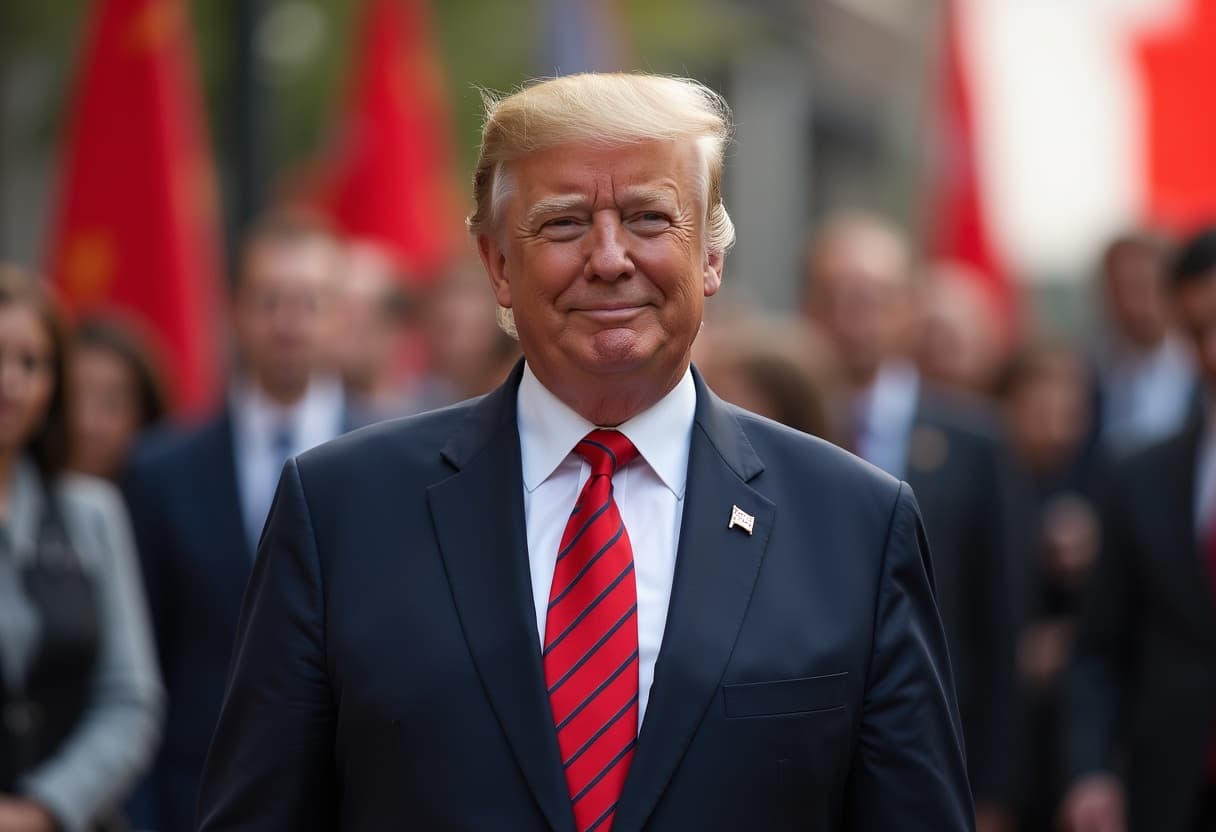
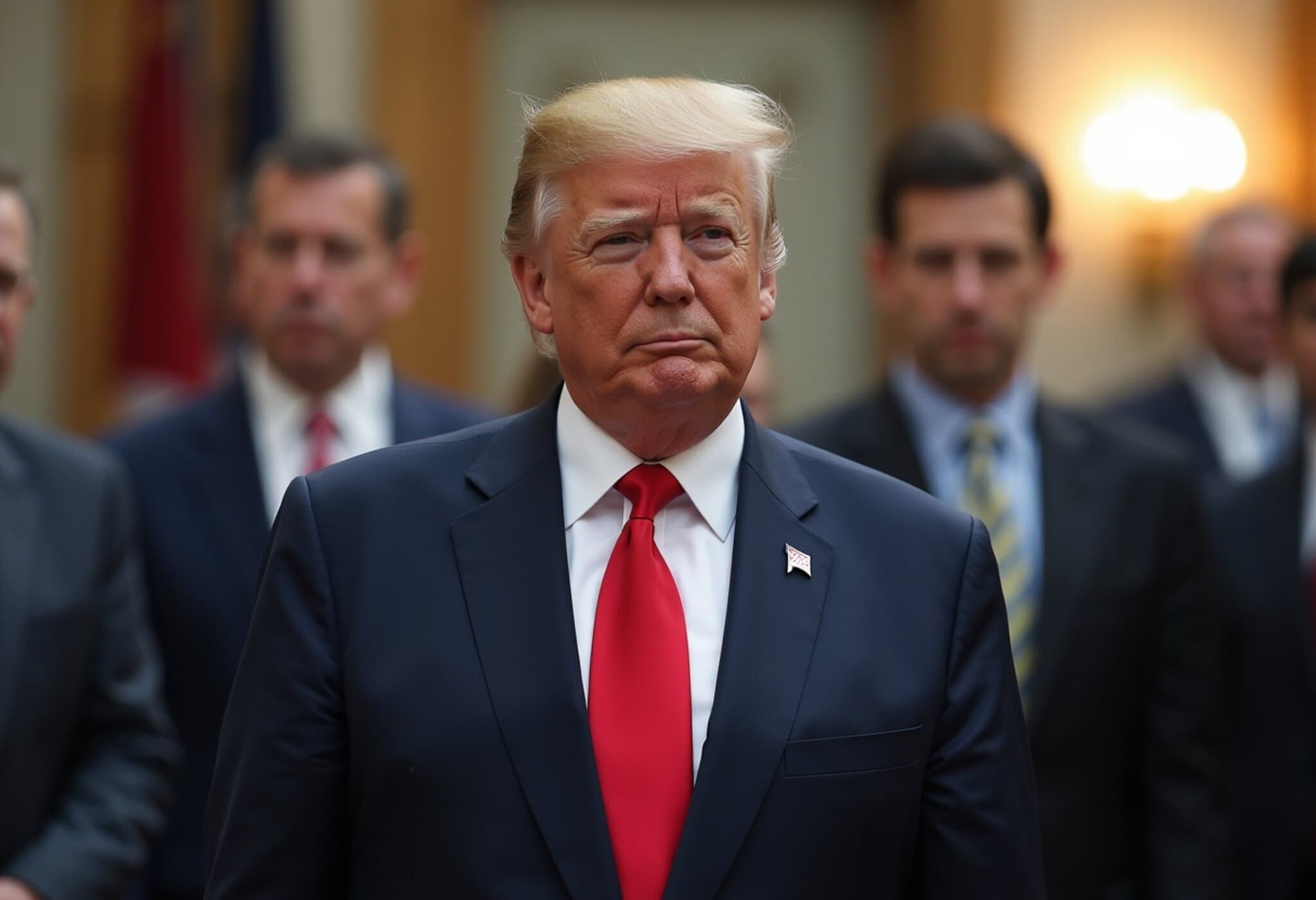
Just hours before Carney’s departure, then-President Donald Trump announced the abrupt cancellation of all pending trade discussions with Canada. The catalyst? A contentious television advertisement aired by Ontario’s Premier Doug Ford that referenced a 1987 speech by former U.S. President Ronald Reagan. The ad highlighted how tariffs, often seen as protective measures, ultimately harm American workers and the broader U.S. economy. Ironically, this historical economic wisdom reignited contemporary tensions.
This sudden breakdown not only complicated immediate trade negotiations but also reinforced Canada’s strategic imperative to diminish its heavy trade dependence on the U.S., whose policy environment can at times be unpredictable.
Asia: Canada’s New Frontier for Economic Growth
Standing amidst the damp chill of the departure runway, Carney was diplomatic yet resolute. Without explicitly mentioning the recent U.S. developments or the Ontario ad campaign, he emphasized the uncontrollable nature of U.S. trade policy, directing focus instead to the vast potential in Asian markets. His itinerary includes meetings with leaders from three countries and participation in two major economic forums across the region.
The Association of Southeast Asian Nations (ASEAN) bloc, representing a rapidly expanding economic sphere, is central to Canada’s renewed trade strategy. Talks reportedly include free-trade agreements and cooperation frameworks aimed at bolstering Canadian exports and attracting investment—key moves to safeguard Canada’s economic sovereignty.
Contextual Insight: Why Diversifying Trade Partners Matters
Canada’s economy has long been intertwined with that of the United States, with over 70% of Canadian exports destined south of the border. While this proximity brings undeniable benefits, it also carries risks tied to U.S. political shifts and protectionist tendencies. Carney’s push towards Asia reflects a pragmatic approach to risk management and an understanding of the geopolitical landscape, where economic influence is increasingly multi-polar.
Moreover, engaging with ASEAN countries not only promises market expansion but aligns with global economic trends. Asia’s growing middle class and technological advancements represent fertile ground for Canadian goods, services, and innovation collaborations.
Underreported Perspectives: The Domestic Implications
- Political Dynamics: Premier Doug Ford’s role in igniting cross-border trade frictions reveals the complexities within Canadian federal-provincial relations and their impact on foreign policy.
- Sectoral Impact: Key Canadian industries, including automotive and agriculture, await the outcomes of trade diversification efforts, hoping for stabilization after recent uncertainties.
- Public Sentiment: Canadian views on trade diversification reflect a mix of economic optimism tempered by concerns over job security and cultural ties to the U.S.
Looking Ahead: A Delicate Balancing Act
Mark Carney's Asian trip underscores a broader narrative about Canada’s economic future in an unpredictable global landscape. While the U.S. remains an indispensable partner, the imperative to cultivate alternative alliances is clear. This strategy demands diplomatic finesse and domestic unity to navigate the intertwined challenges of trade policy, political messaging, and economic transformation.
Editor’s Note
Canada’s journey towards trade diversification is more than an economic pivot—it’s a test of resilience and adaptability in a world marked by shifting alliances and policy volatility. Readers should watch closely how Carney’s Asian engagements evolve and consider what this means for the Canadian workforce, bilateral ties with the U.S., and the country’s place in the global economy. How will Canada balance immediate economic realities with long-term strategic goals? This question remains paramount as new trade landscapes unfold.