Mark Carney’s Unexpected Pivot Toward China amid US-Canada Tensions
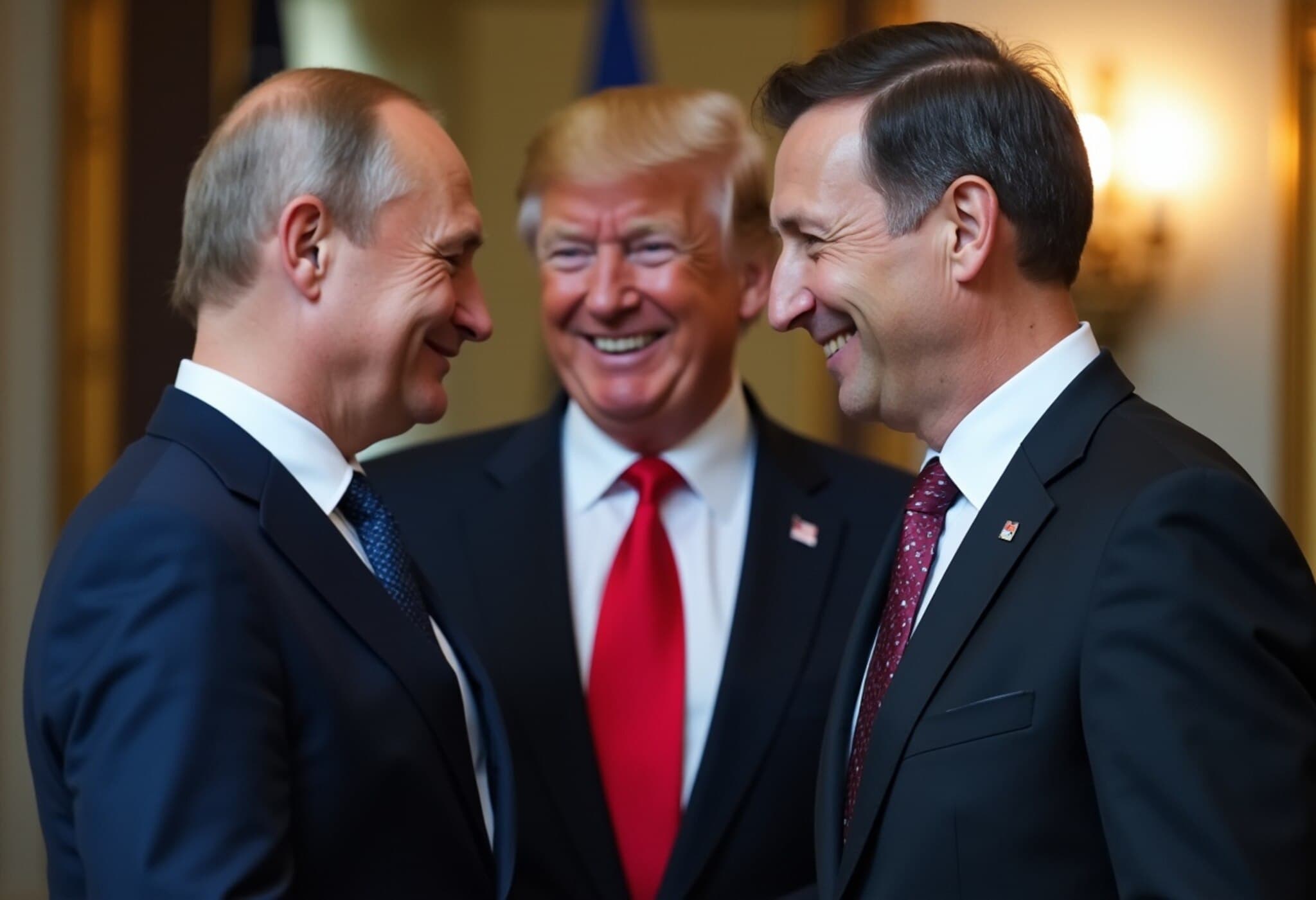
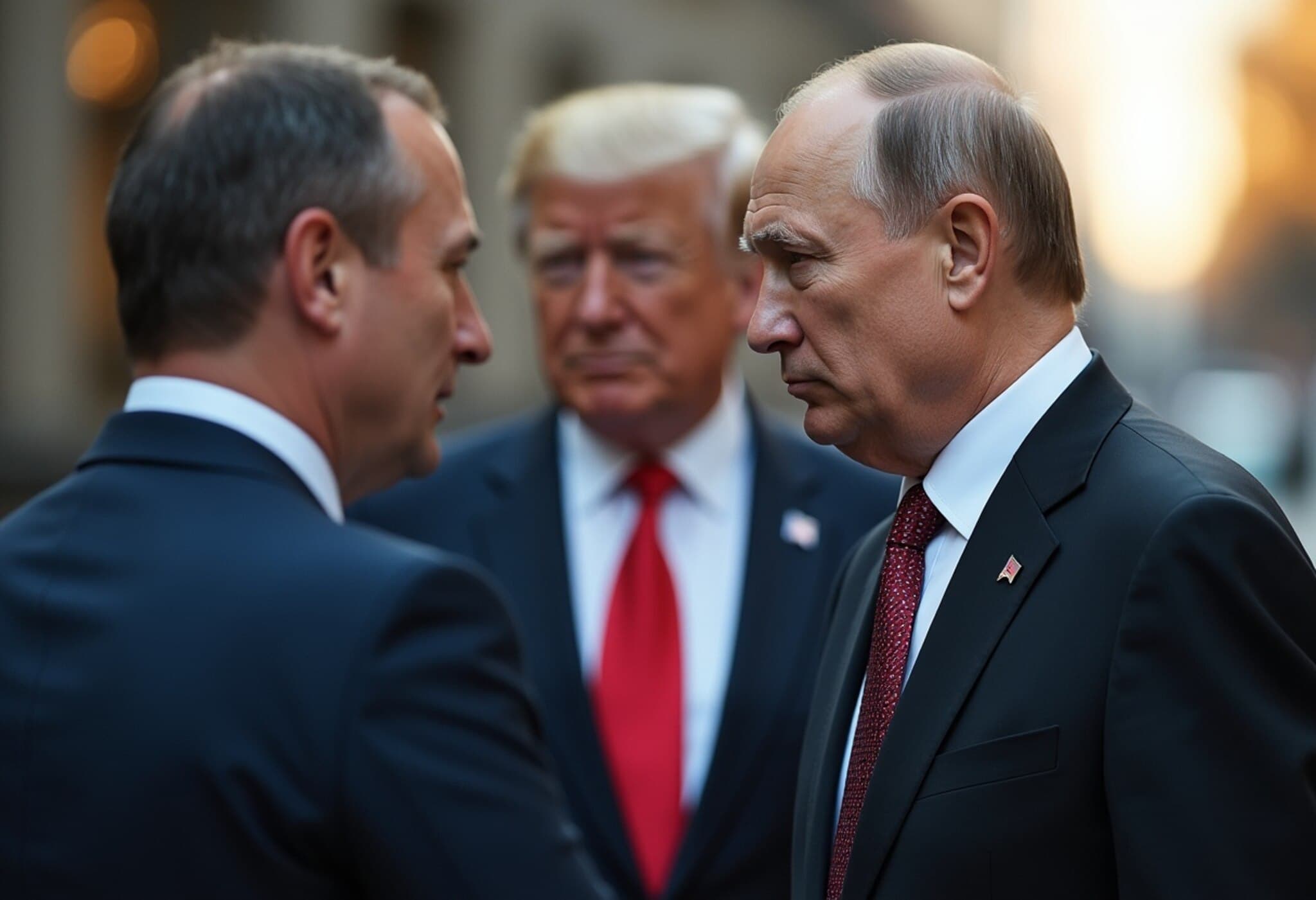
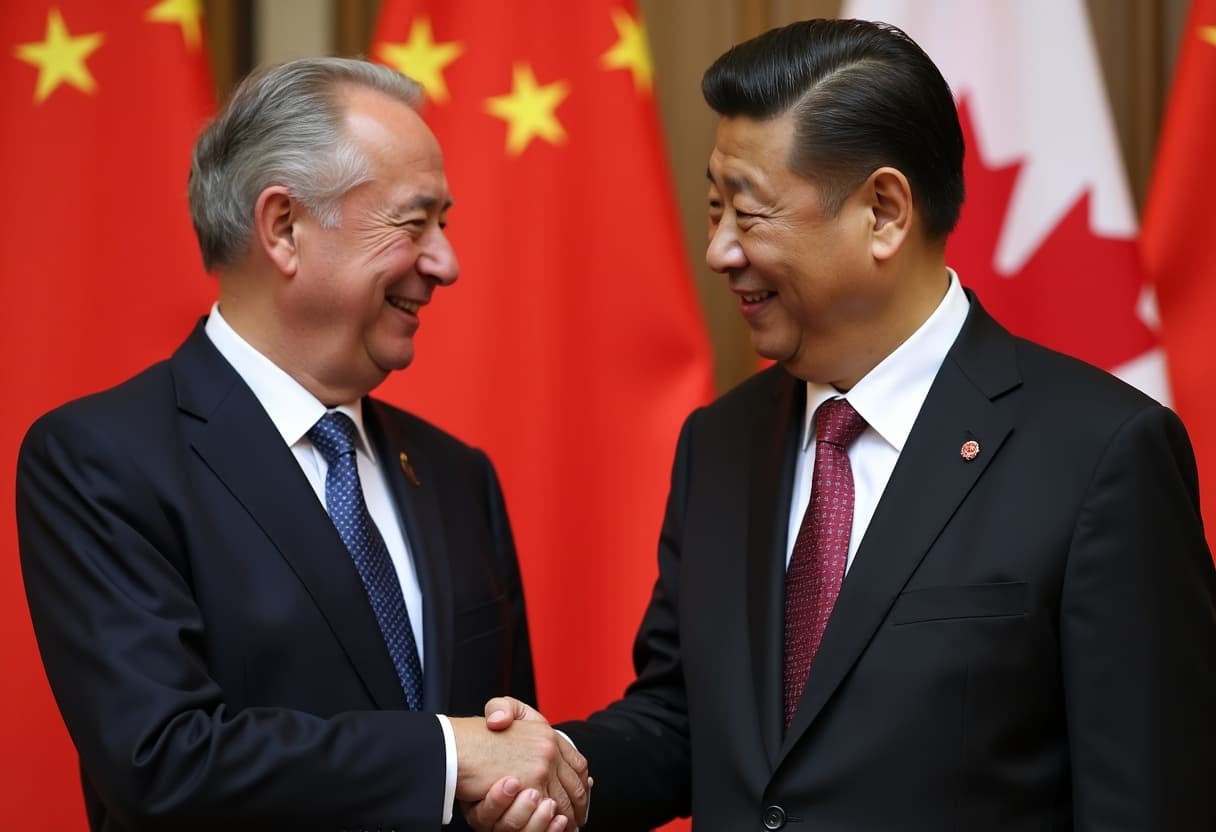
In a dramatic twist that underscores the increasingly volatile nature of global diplomacy, Prime Minister Mark Carney returned from his extensive trip through Asia with a surprising highlight: a meeting with China’s President Xi Jinping. This marks the first formal engagement between Canadian and Chinese leaders in eight years, signaling a cautious thaw in relations long strained by political and economic tensions.
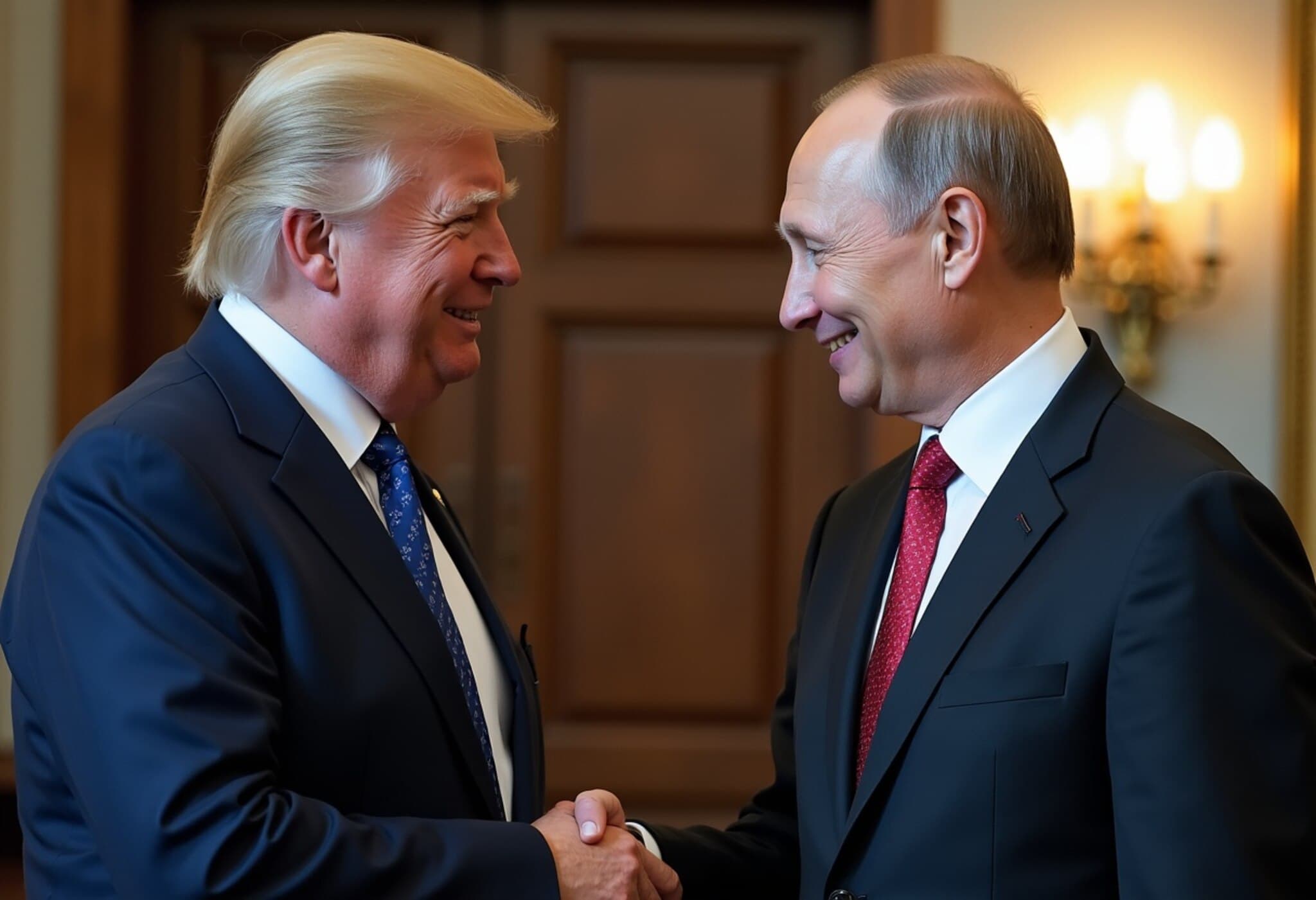
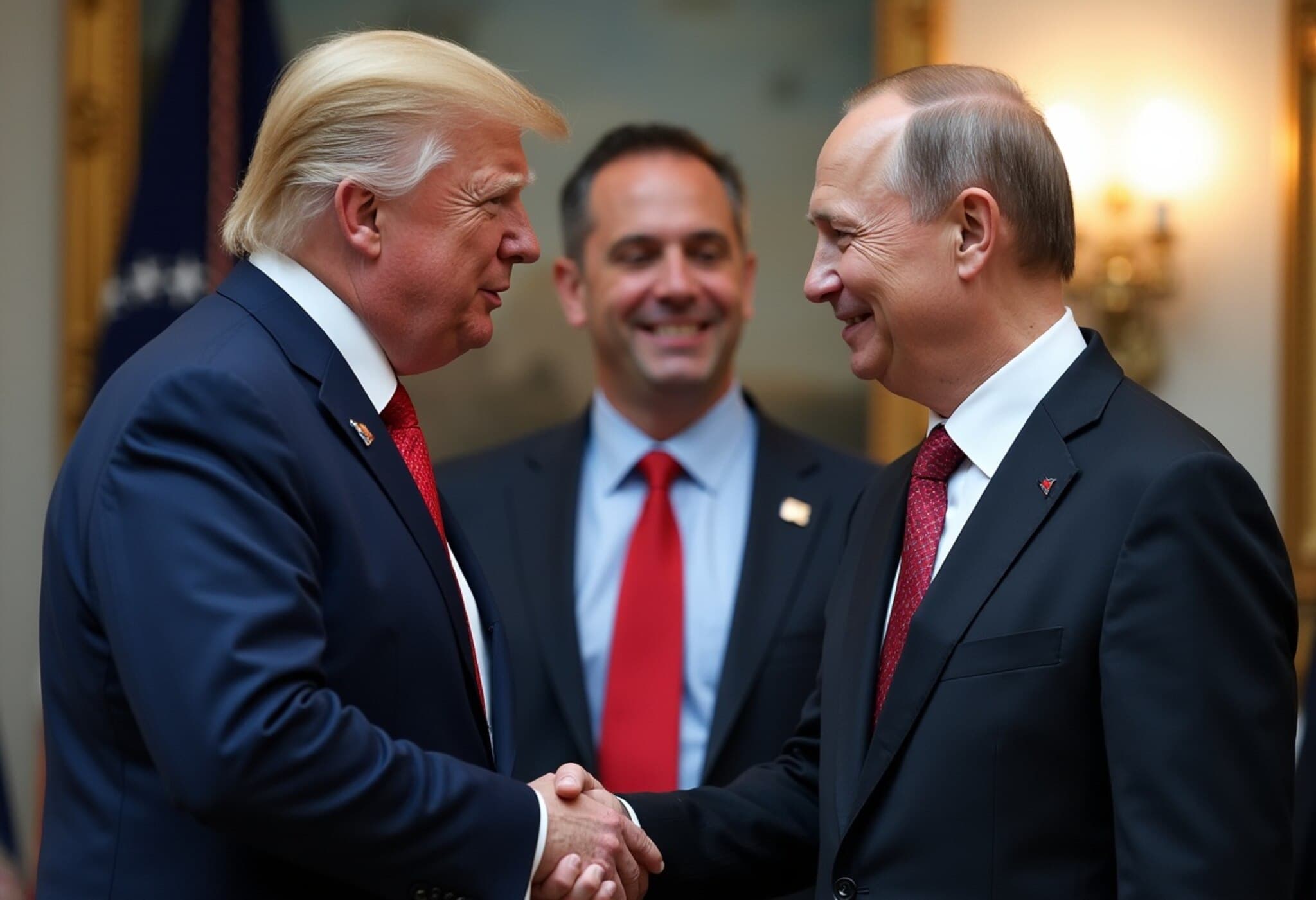
The meeting came after a failed attempt to engage with then-President Donald Trump, who had abruptly ended ongoing trade negotiations with Canada and threatened a 10% tariff increase. In this fraught geopolitical context, Carney’s face-to-face encounter with Xi in Beijing represents more than a diplomatic milestone — it repositions Canada’s Asia strategy amid fractious North American partnerships.
Contextualizing Carney’s Asia Tour
Carney’s weeklong trip spanned Malaysia, Singapore, South Korea, and China, cities vibrant with shifting economic currents and strategic dialogue. The summit with Xi Jinping took place against a backdrop of frozen commercial talks with the United States, which remain Canada’s largest trading partner but currently a source of uncertainty and friction.
Experts highlight that these developments emerge within a larger realignment of global alliances. As US-Canada relations reach a historic low, Canada’s outreach to China could signal an effort to diversify economic dependencies and assert an independent foreign policy stance. Yet the path forward is fraught, as unresolved issues linger, including human rights concerns, trade imbalances, and geopolitical rivalry.
Behind the Scenes: The Unfolding of a Delicate Diplomacy
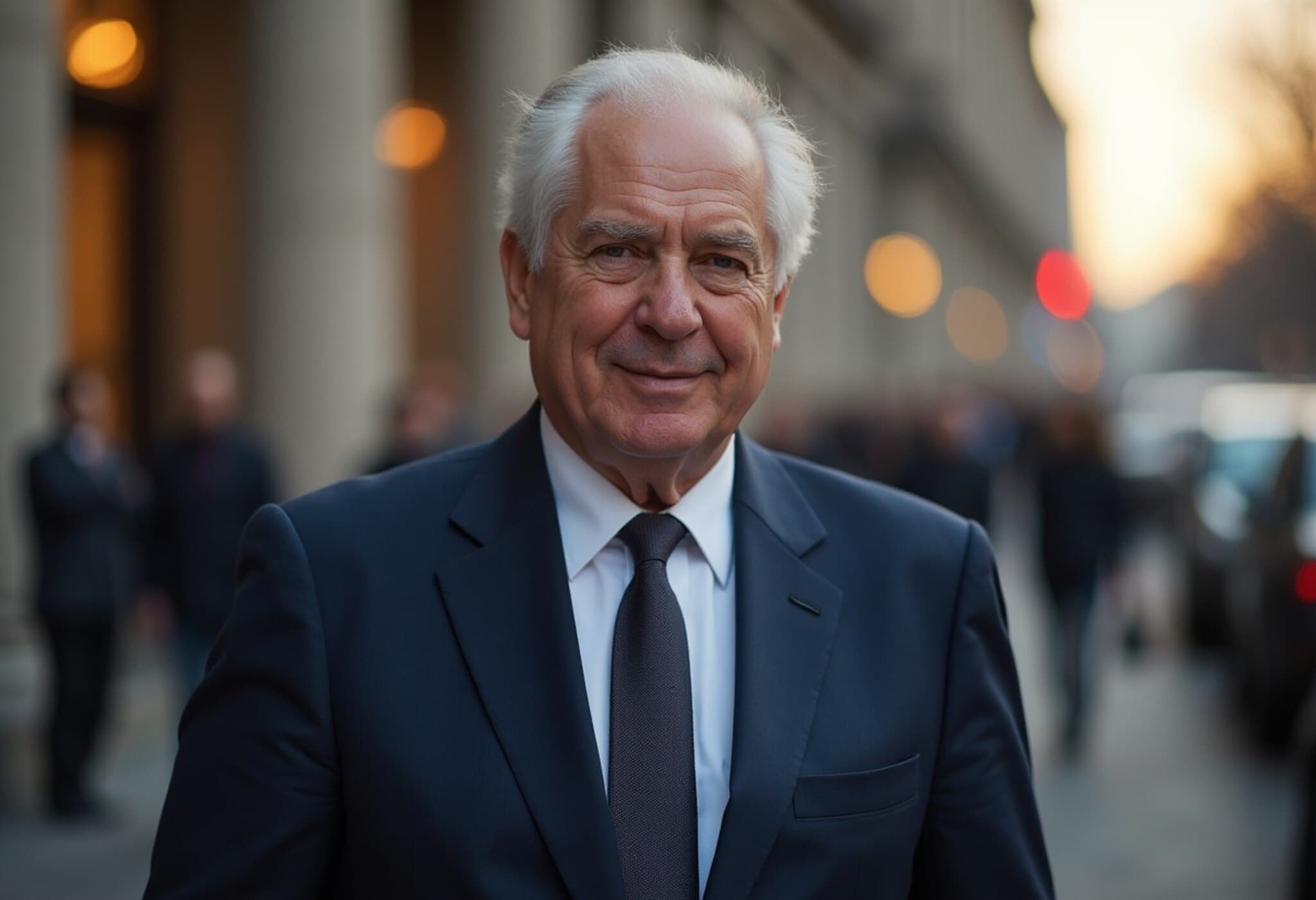
Accompanying Carney on the Asia tour, journalists observed his meticulous attention to professionalism—a stark contrast to the often informal style of his predecessor. Donned in tailored dark suits and dress shoes even amid tropical heat, Carney projected a gravitas suited to delicate negotiations. A notable moment included his visit to a South Korean submarine shipyard, highlighting Canada’s ambitions to modernize its military capabilities amid rising global tensions.
While Carney offered no sweeping announcements after meeting Xi, he confirmed an invitation to continue dialogue in Beijing—a signal that both nations are tentatively willing to engage more deeply.
Unpacking the Diplomatic Implications
- A Break from the Past: This meeting breaks an eight-year silence at the highest level of Canada-China relations, indicating a strategic pivot in Ottawa’s foreign policy.
- Trade and Security Nexus: With US tariffs looming, Canada explores alternative economic partnerships, though the risk of alienating its southern neighbor persists.
- Balancing Geopolitical Tensions: Renewed ties with China must navigate concerns over human rights, intellectual property, and regional security challenges.
- Domestic Political Dynamics: Carney’s trip also highlighted internal Canadian political flavors, including lighthearted exchanges referencing Ontario’s premier, illustrating the multifaceted nature of leadership in international contexts.
Looking Ahead: What Does This Mean for Canada?
This development raises profound questions about Canada’s place in a polarized world. The thaw with China could open doors for economic growth and multilateral cooperation in Asia-Pacific, yet it also navigates the minefield of maintaining a clean human rights record and protecting Canadian values.
Policy analysts suggest that Canada’s renewed engagement with China must be paired with transparent dialogue and measured policies to avoid overdependence or political backlash domestically and internationally.
On the Ground: Experiences from the Asia Tour
Journalists accompanying Carney noted logistical hurdles emblematic of the tour’s complexity—such as landing at a military side of an airport in South Korea's Gyeongju, a city ill-equipped for large diplomatic visits, highlighting the improvisation often necessary in high-stakes diplomacy.
Beyond official meetings, Carney’s approach combined formality with approachable moments, including a humorous self-referential jab about Canadian provincial politics during an ASEAN reception in Kuala Lumpur, further revealing the human dimensions behind diplomatic facades.
Editor’s Note
Why does this matter? Carney’s trip illustrates the subtle dance that middle powers like Canada must perform between superpowers. It also reflects the evolving global order where traditional alliances are tested, and economic security is increasingly linked with geopolitical strategy.
Questions to ponder: Can Canada balance its trade interests with values-based diplomacy? How will this warming of ties with China affect its long-term relationship with the United States? And crucially, what lessons does this hold for other nations navigating similar tensions?
The interplay between pragmatism and principle will likely shape Canadian foreign policy in the years ahead, making Carney’s efforts a bellwether for future diplomacy.