Canada’s Prime Minister Apologizes to President Trump Amid Trade Tensions
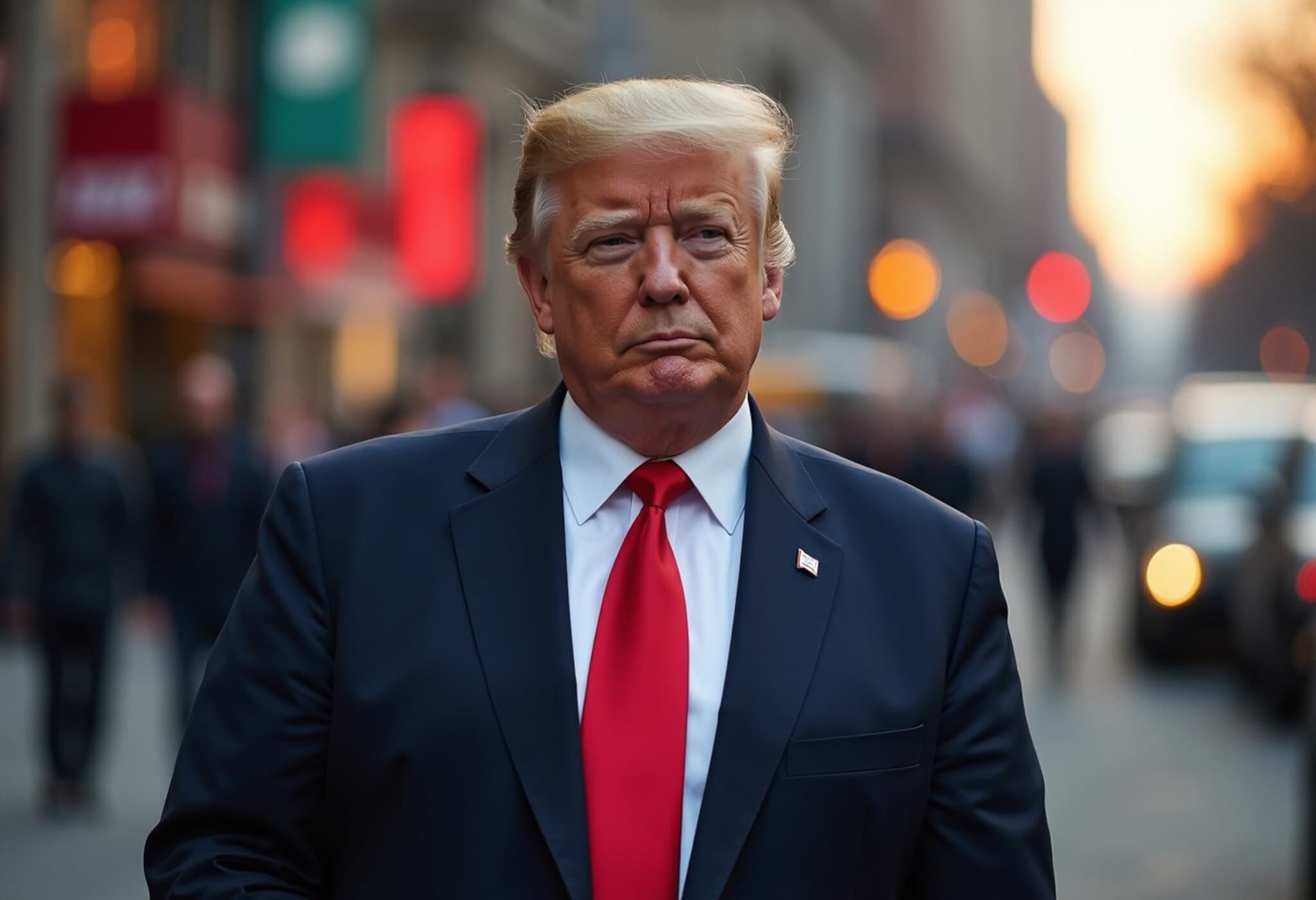
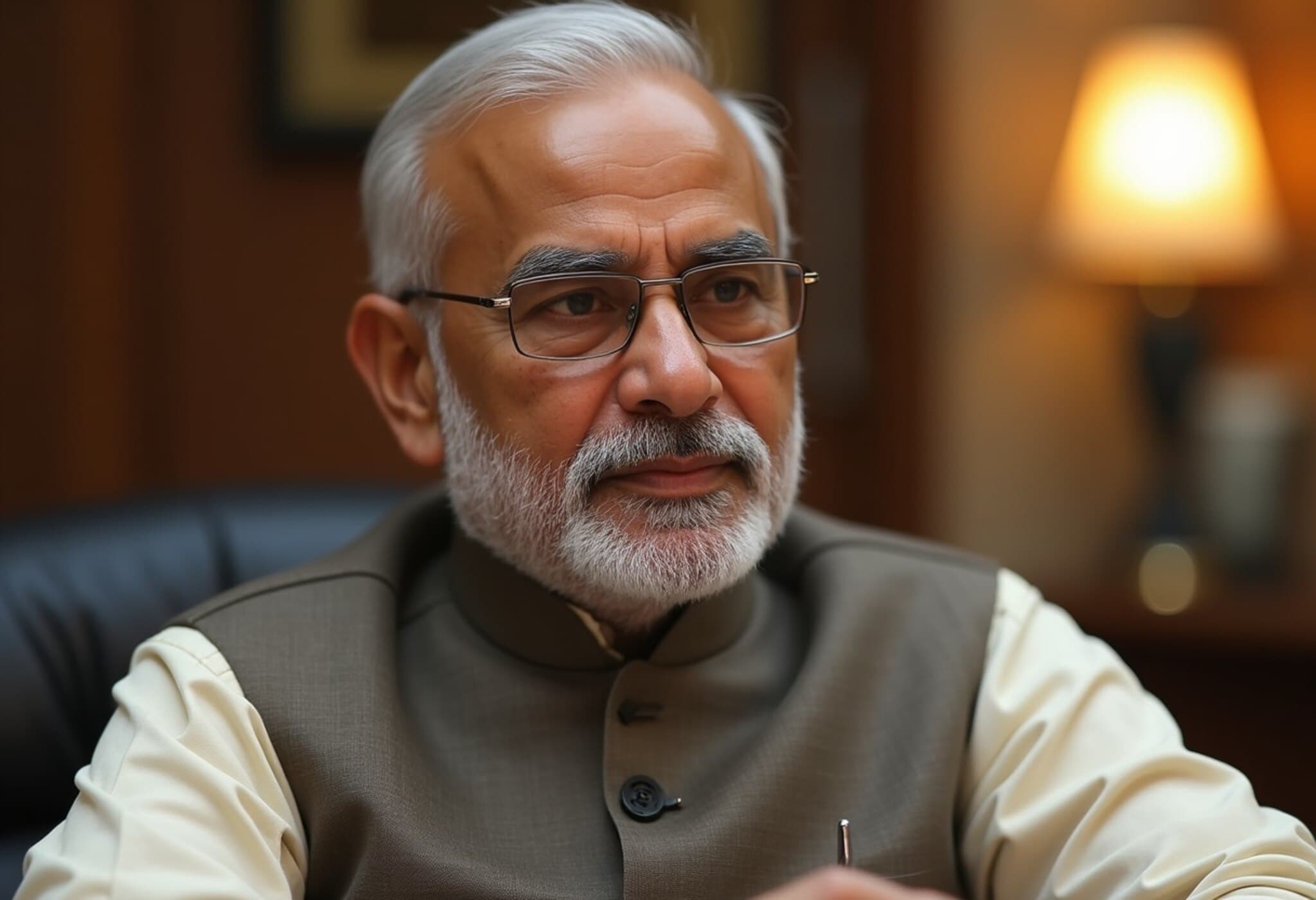
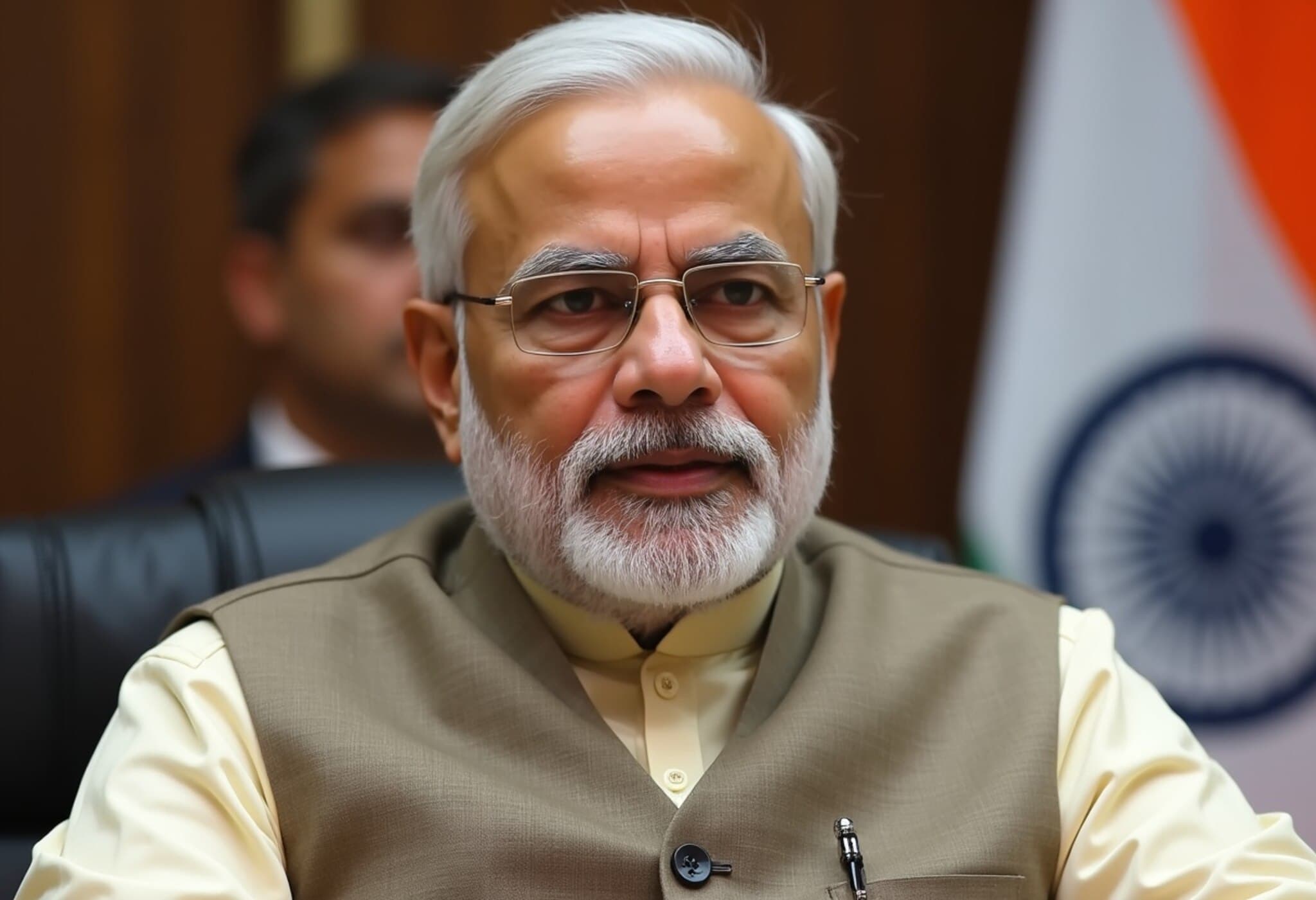
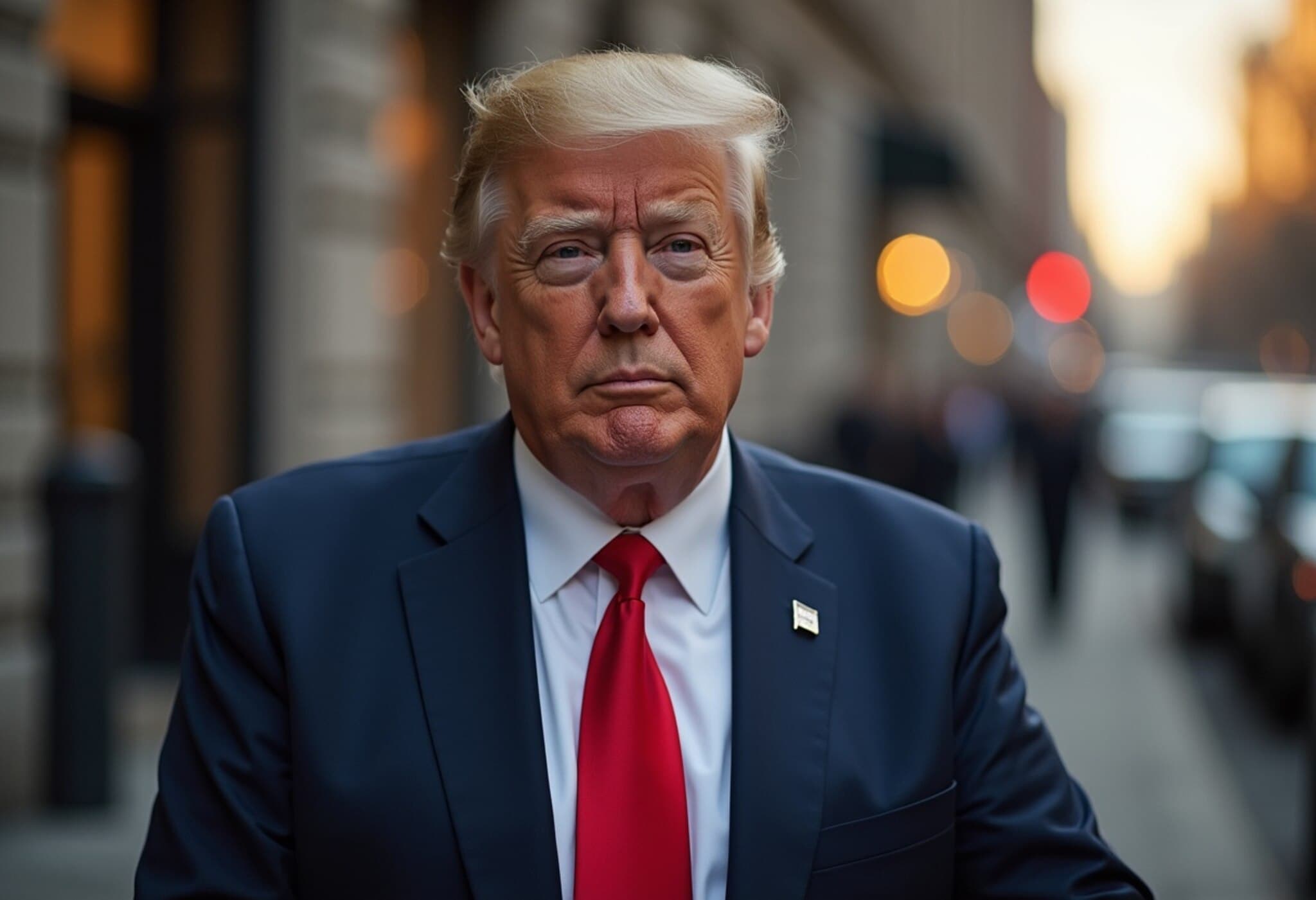
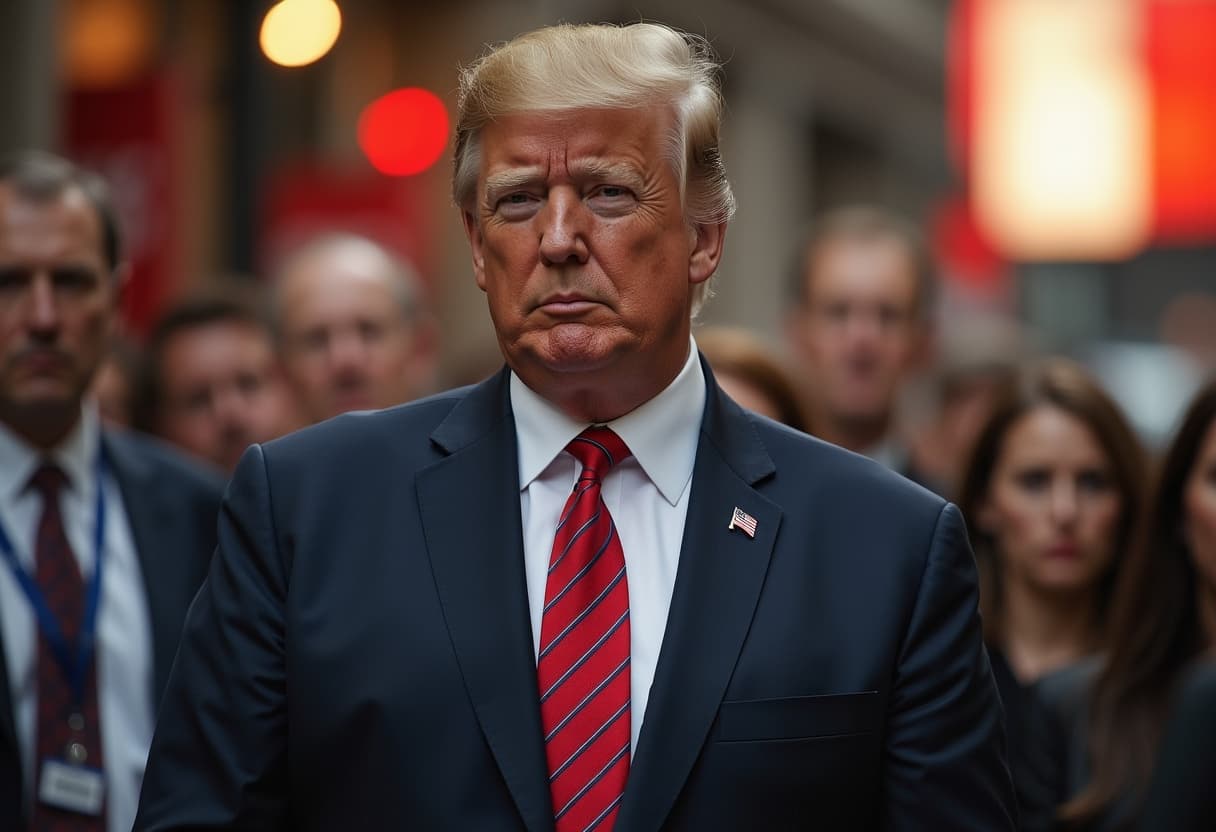
In a candid and unprecedented move, Canadian Prime Minister Mark Carney publicly apologized this week to U.S. President Donald Trump for an anti-tariff television advertisement funded by the Canadian province of Ontario. The ad, which reignited historical concerns over tariffs with a clip from President Ronald Reagan’s 1987 speech, became a catalyst for escalating trade tensions between the two nations and led President Trump to abruptly halt ongoing trade negotiations.
Context of the Controversial Advertisement
The advertisement, aired in the United States during World Series broadcasts, featured carefully selected excerpts from Reagan’s speech warning about the economic risks of tariffs. However, President Trump accused the spot of being misleading, claiming it altered the original order of Reagan’s remarks to serve a political agenda and interfere with the U.S. Supreme Court's review of his tariff policies.
Ontario’s Role and Internal Canadian Debate
Ontario’s Premier, Doug Ford, was the architect behind the ad campaign. Despite removing the commercials following the controversy, Ford staunchly defended his decision, stating it successfully sparked a critical conversation across American media about tariffs and trade policy. Many Canadians rallied behind the campaign, viewing it as a bold stand against the U.S. tariffs impacting their economy.
Yet, Prime Minister Carney distanced himself from the campaign, emphasizing that international trade and foreign affairs fall exclusively under the federal government's jurisdiction. Carney disclosed that he advised Premier Ford to reconsider the ad before it aired, urging for dialogue and negotiation rather than provocative messaging.
Diplomatic Exchange and Efforts to Mend Relations
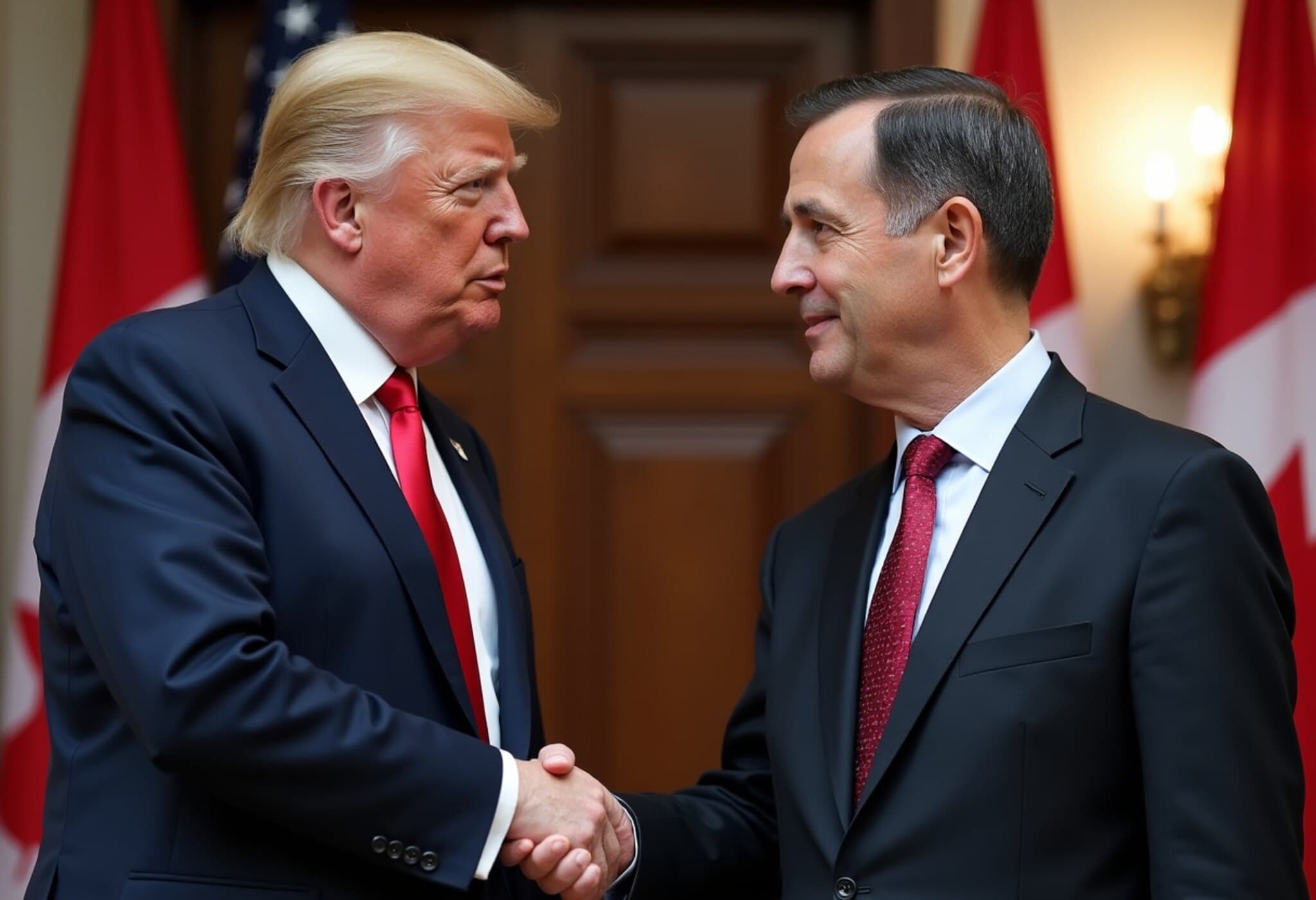
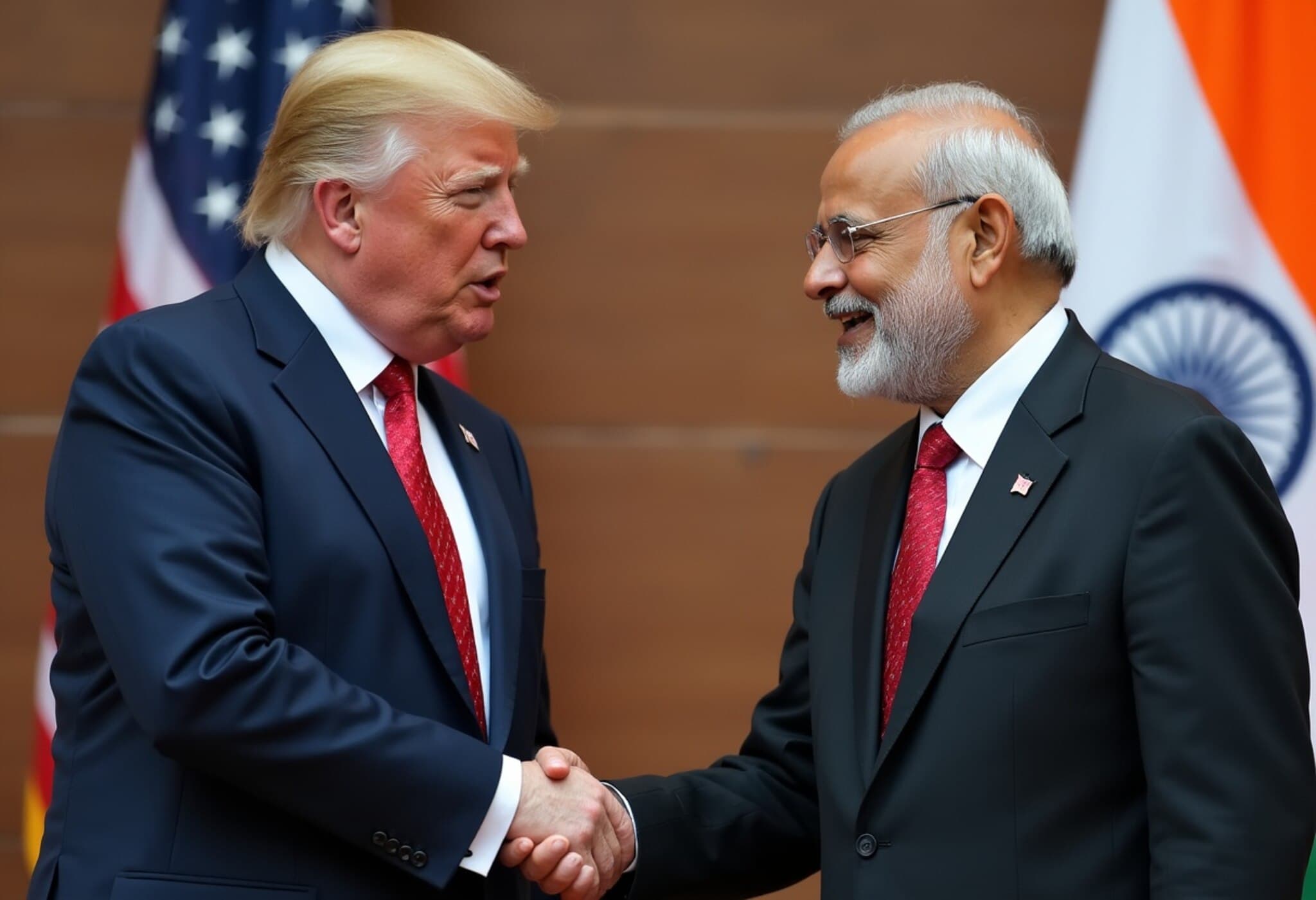
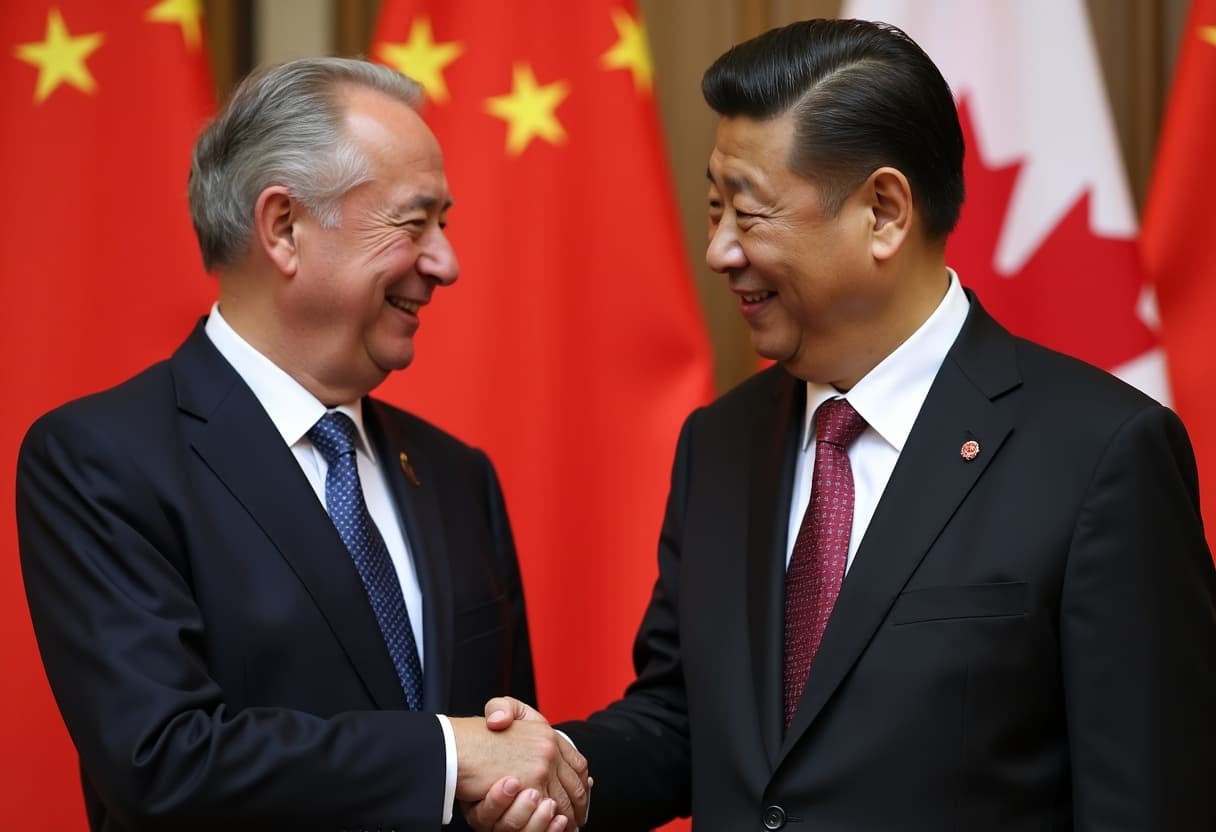
During the Asia-Pacific Economic Cooperation (APEC) summit in Gyeongju, South Korea, Carney and Trump shared a private dinner hosted by South Korean President Lee Jae Myung. It was here that Carney personally apologized to Trump for the ad’s role in undermining trade talks. He described the dinner as “very cordial” and said the two leaders had a “very nice conversation.”
Despite Carney’s apology and the display of diplomatic goodwill, President Trump had already announced an end to the bilateral trade discussions and threatened new tariffs on Canadian exports. Trade officials had considered talks revitalized just weeks earlier after a positive White House meeting in October.
Broader Implications for U.S.-Canada Trade Relations
This episode illuminates the fragile nature of U.S.-Canada trade relations, which have weathered decades of cooperation but remain vulnerable to political dynamics and economic pressures. Experts point out that provincial advocacy — such as Ontario’s assertive ad campaign — can complicate federal negotiation efforts, particularly when messaging resonates with emotionally charged themes like national sovereignty and economic protectionism.
Expert Analysis: Risks and Opportunities
- Trade Policy Complexity: The U.S. tariffs on steel and aluminum have deeply affected Canadian industries, raising concerns about supply chains and regional economies.
- Legal Challenges: The Supreme Court's involvement in reviewing tariff legality adds a layer of unpredictability to trade enforcement and compliance.
- Political Crosscurrents: With provincial leaders sometimes pursuing independent messaging, cohesive national foreign policy becomes harder to maintain.
- Potential for Re-engagement: Despite tensions, Prime Minister Carney expressed hope that trade negotiations would resume when conditions improve.
Looking Ahead: Navigating Trade Diplomacy in a Complex Landscape
As North American economies remain tightly interwoven, incidents like the Ontario tariff ad serve as reminders of how sensitive trade discussions are to perception, political signaling, and historical context. Moving forward, Canadian diplomatic leaders face the challenge of balancing domestic political pressures with the imperative of fostering cooperative, stable relations with their largest trading partner, the United States.
Editor's Note
The recent tensions triggered by a provincial advertisement highlight the multifaceted nature of international trade diplomacy, where local interests and federal policies intersect. This event prompts critical questions: How can Canadian provinces effectively influence trade policy without jeopardizing national interests? What mechanisms exist to ensure unified messaging to important trade partners? And fundamentally, what does this episode reveal about the evolving nature of U.S.-Canada relations in a polarized economic environment?