
Canada Reassesses Fighter Jet Procurement Amid U.S. Tariffs and New Competitor Offers
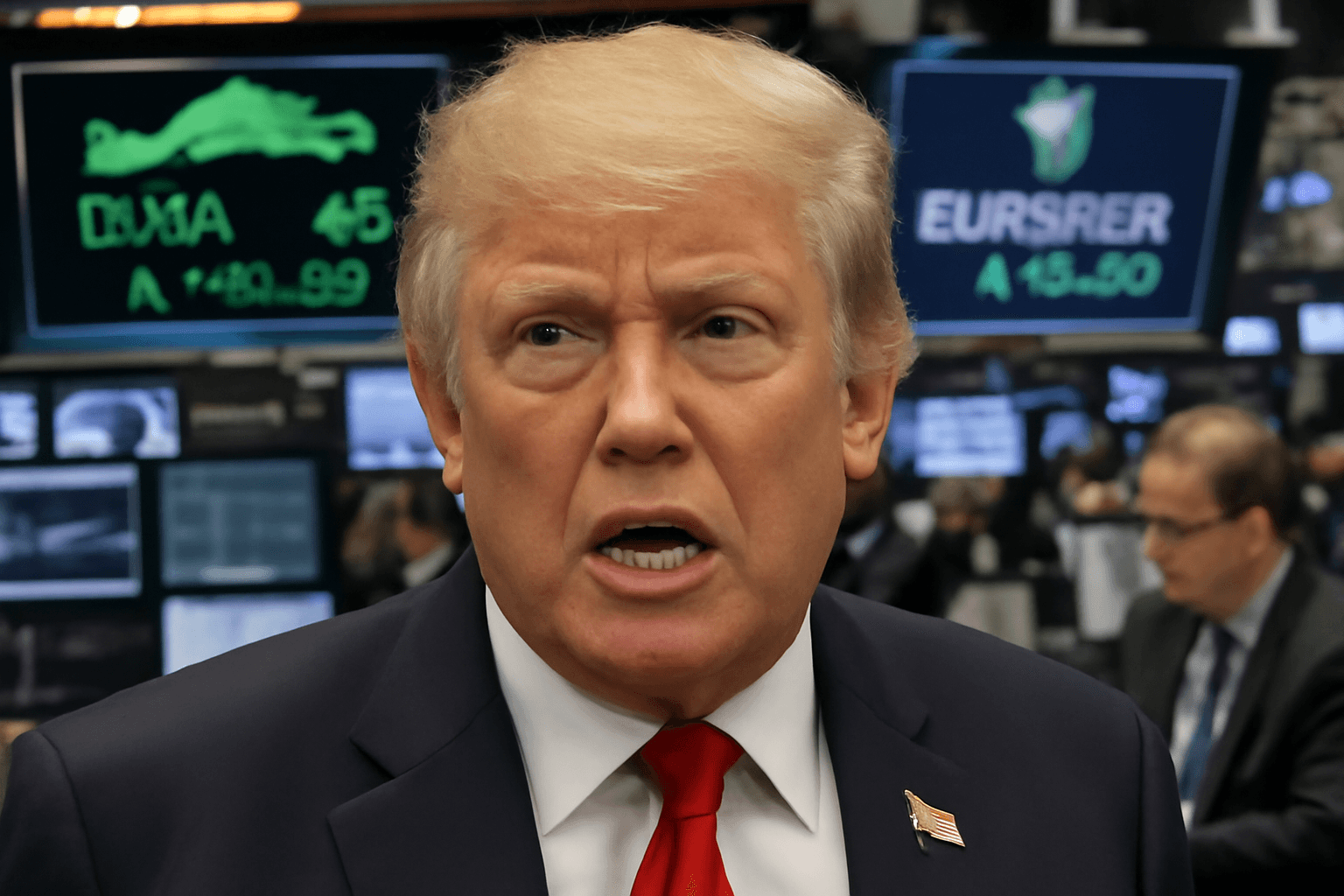
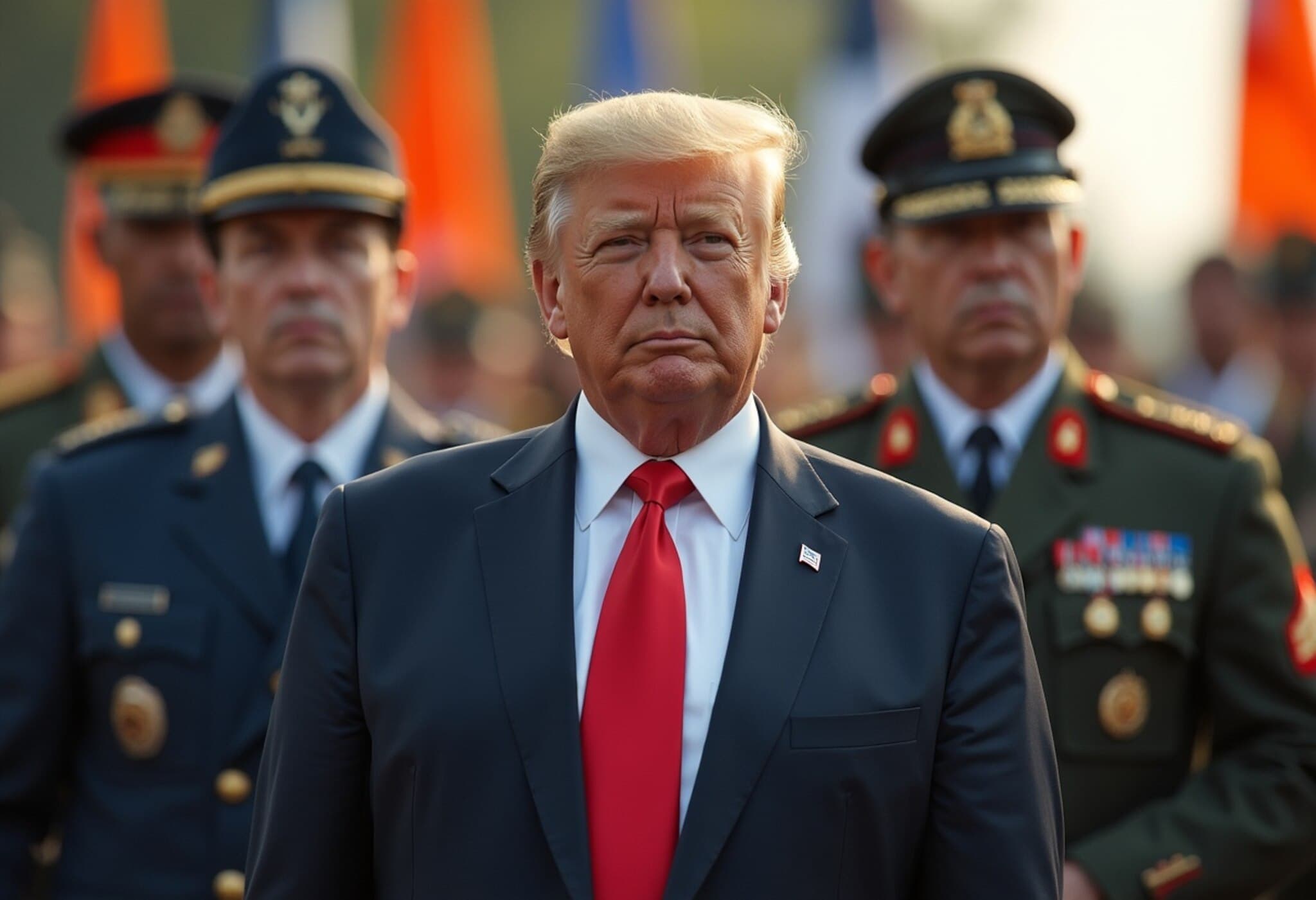
In a move signaling both geopolitical overtones and economic strategy, Canada has initiated a comprehensive review of its $70 billion deal to purchase F-35 fighter jets from American aerospace giant Lockheed Martin. This examination comes in the shadow of President Donald Trump’s imposition of tariffs on Canadian goods, raising concerns about potential ripple effects on cross-border defense contracts.
Lockheed Martin’s F-35 Contract Under the Microscope
Originally decided in 2010 during Prime Minister Stephen Harper’s administration, the F-35 procurement has been controversial from the start. Although initially canceled by Justin Trudeau’s Liberal government in 2015 due to cost concerns and political resistance, the contract was revived in 2023. The renewed $50 billion USD (70 billion CAD) agreement aims to supply 88 stealth-capable F-35 jets for the Royal Canadian Air Force, with 16 already purchased but undelivered.
Canada’s Defense Department’s audit now scrutinizes the deal’s compatibility with the country’s evolving military needs and broader sovereignty considerations, especially given shifting geopolitical dynamics. The review’s outcomes could significantly influence Canada’s bilateral trade and defense relationship with the United States.
Sweden’s Gripen Jets Reemerge as a Tactical Alternative
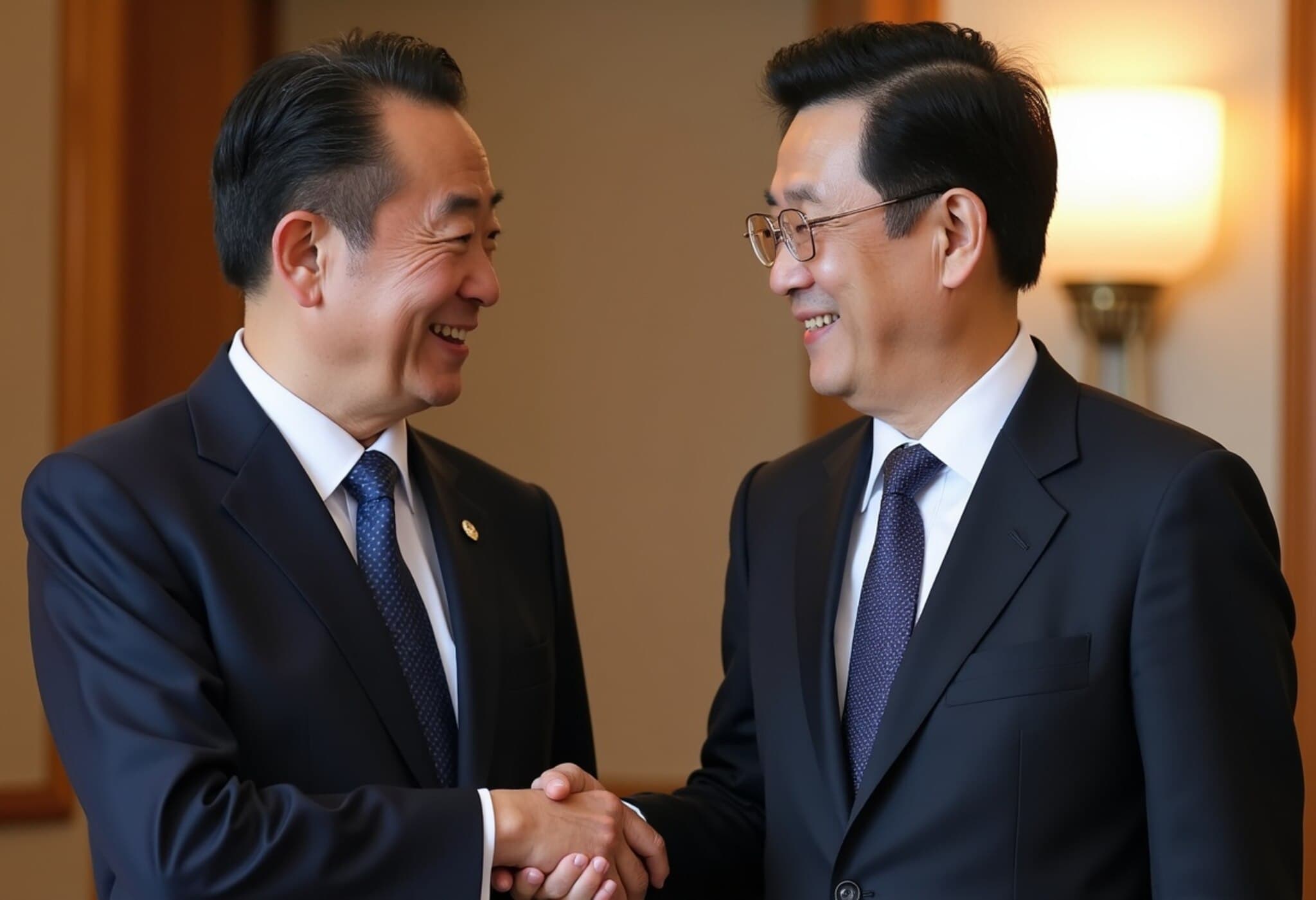
Amid this backdrop, Sweden’s government, represented recently by King Carl XVI Gustaf and senior officials during a high-profile visit to Ottawa, has revitalized its bid to sell Saab-manufactured Gripen fighter jets. Saab’s proposal seeks not merely to sell aircraft but to establish local manufacturing partnerships that would create approximately 10,000 Canadian jobs, a substantial economic boon that has caught the eye of Canada's Industry Minister, Mélanie Joly.
Sweden’s tactful approach involves offering localized industrial benefits—a critical factor in modern defense deals that extend beyond mere sales to encompass domestic job creation and tech transfer. This subtle balance squares with Canada's aspirations to strengthen its defense sector while diversifying trade relationships.
U.S. Ambassador Hoekstra’s Perspective: Navigating Neighborhood Dynamics
U.S. Ambassador to Canada Pete Hoekstra addressed the situation at a national manufacturing conference in Ottawa, acknowledging the pending decision on the F-35 deal audit. Emphasizing the benefits of a robust Canadian economy for the United States, Hoekstra said, "A strong, prosperous Canada is good for us." However, his comments notably stopped short of addressing President Trump's controversial suggestion that Canada should become the 51st U.S. state.
The ambassador's use of the metaphor of a "neighborhood" underscores the delicate nature of North American regional ties, where defense procurement is not only a matter of military capability but also a strategic economic and diplomatic instrument.
Is Sweden’s Offer a Genuine Alternative or a Negotiation Lever?
Academic experts like Philippe Lagassé, a Carleton University professor specializing in military procurement, suggest the timing and scale of Sweden’s bid may serve as more than just a sales pitch—it could be a strategic move to influence negotiations. “There’s an increasing expectation for American allies to purchase American military equipment,” he notes, raising the possibility that Canada’s flirtation with the Swedish offer might be a bargaining chip to leverage better terms or industrial benefits from the U.S.
Nevertheless, given the involvement of Swedish royalty and a comprehensive delegation signing strategic partnerships, the current engagement hints at a more serious, potentially long-term pivot in Canada-Sweden defense cooperation.
Broader Implications for North American Trade and Security
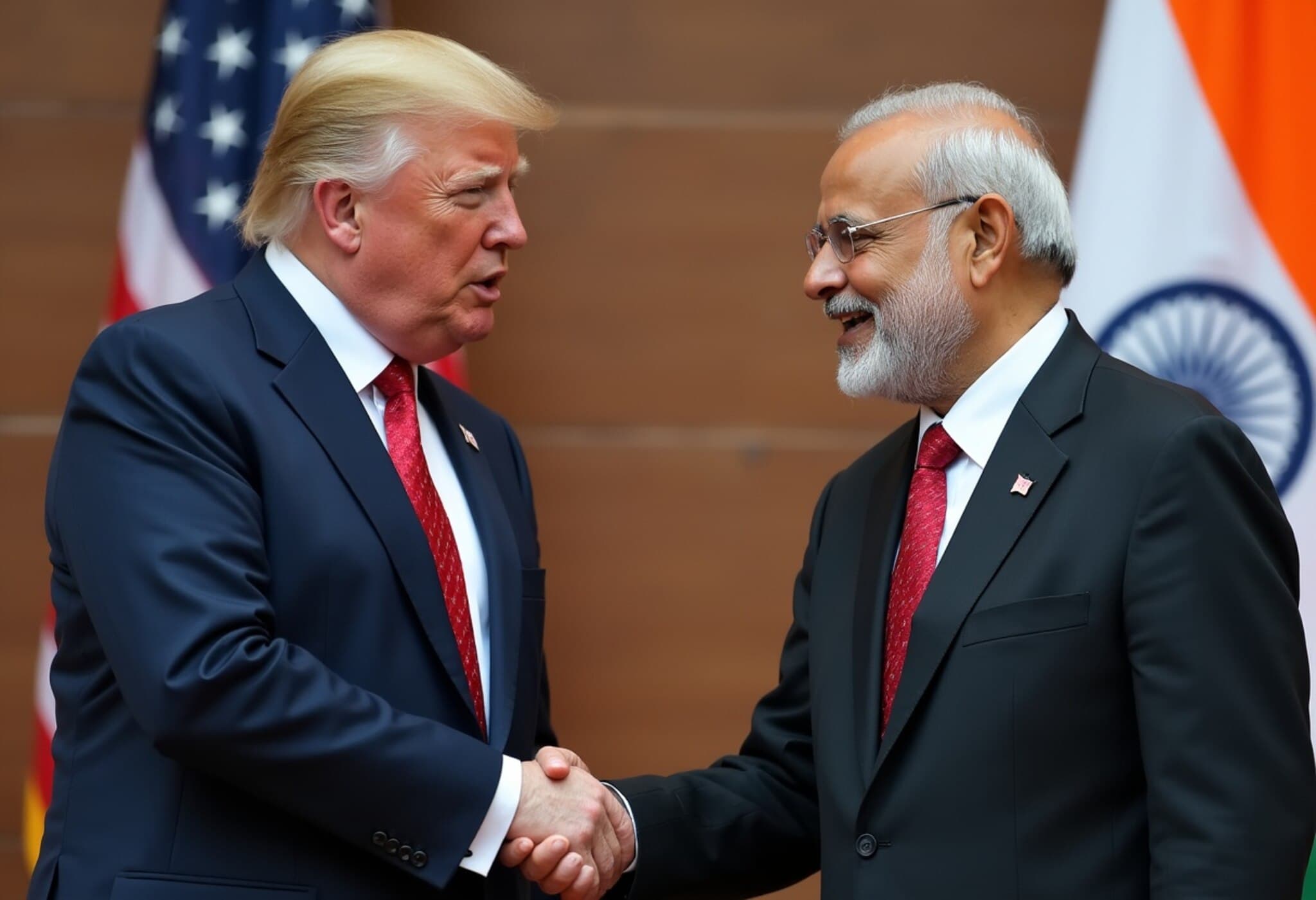
This saga unfolds amid a larger context of strained U.S.-Canada trade relations, highlighted by tariffs and economic tensions. Military procurement, typically insulated from political crosswinds, now finds itself intertwined with trade dynamics and national sovereignty debates. Canada’s balancing act—maintaining a critical defense partnership with the U.S. while diversifying and bolstering its own economic base—reflects the complexities of 21st-century geopolitics.
Key Questions Moving Forward
- Will the defense audit influence Canada to pivot more decisively toward Swedish-made planes, or reaffirm its commitment to the F-35 program?
- How might Canada’s decision affect U.S.-Canada trade relations beyond tariffs, especially in critical industries like aerospace and manufacturing?
- What role does industrial job creation and technology transfer play in shaping military procurement choices amid global competition?
- Could Sweden’s bid signal a new paradigm for Canada’s defense indigenization efforts and its pursuit of diversified strategic partnerships?
Editor’s Note
The debate over Canada’s fighter jet procurement transcends planes and money—it taps into questions of sovereignty, alliance loyalty, economic resilience, and the evolving face of North American security cooperation. As Canada weighs the promises of American jets against the job-creation allure of Swedish alternatives, the outcome will resonate far beyond military airbases and boardrooms. Policy watchers, defense experts, and citizens alike must watch closely how this pivotal decision navigates the turbulent skies of geopolitics and trade.
Stay tuned for further updates on this developing story and its implications for the future of Canadian aerospace, U.S.-Canada relations, and North American defense strategy.
By Vjosa Isai — Toronto-based reporter and researcher, specializing in Canadian national security and trade policy.