Ontario Premier Doug Ford Revives Reagan’s Legacy in Tariff Showdown
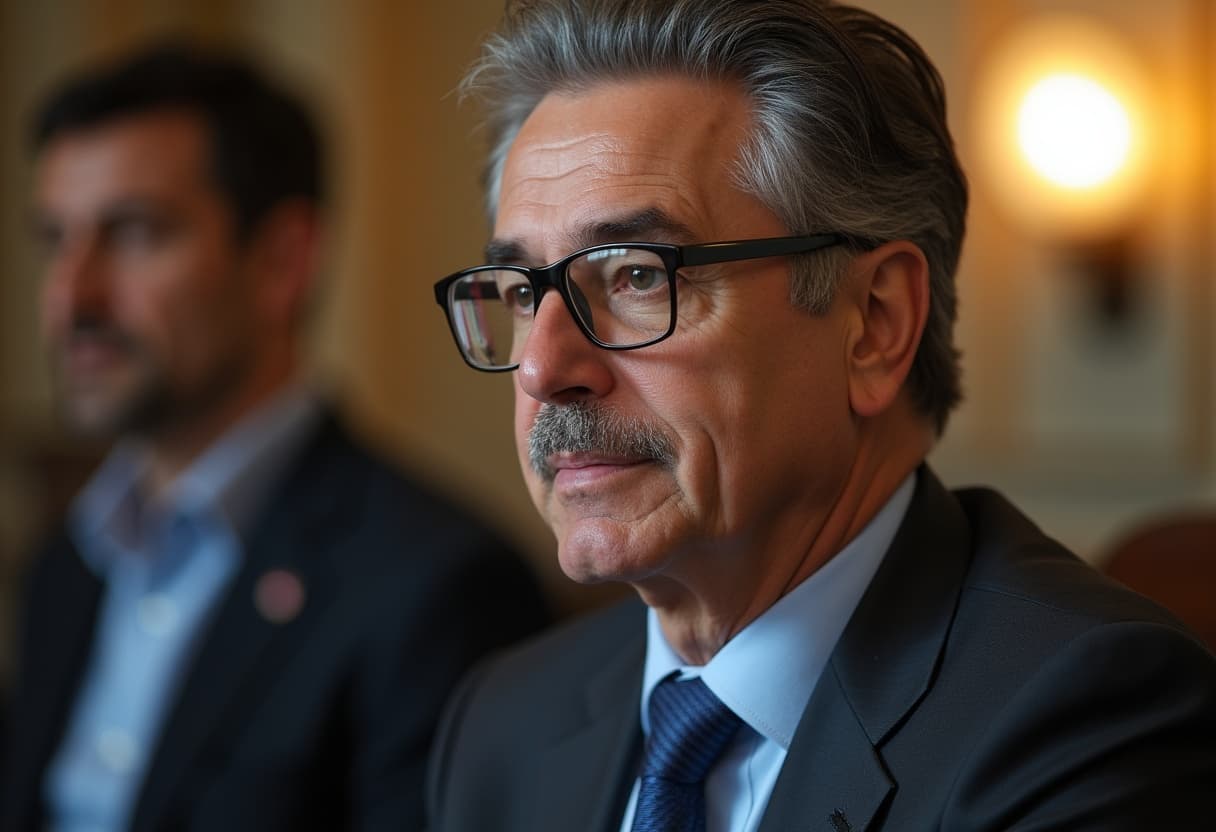
Doug Ford, Ontario’s premiere known for his outspoken, populist approach, has once again thrust himself into the spotlight, sparking fresh tensions with the United States over trade policies. Branding himself colloquially as 'Captain Canada,' Ford recently launched a provocative advertisement campaign criticizing U.S. tariffs on Canadian goods, invoking former President Ronald Reagan’s strong anti-tariff rhetoric from a 1987 speech.
Reagan's Words Rekindled Amid Contemporary Trade Battles
The ad, funded by Ontario’s provincial government and aired across U.S. media channels, features authentic excerpts from Reagan’s radio address where he warned that tariffs harm workers, consumers, and national competitiveness by igniting damaging trade wars. Though the original five-minute speech was edited for brevity, experts confirm the commercial’s selective reordering did not misrepresent Reagan’s core message.
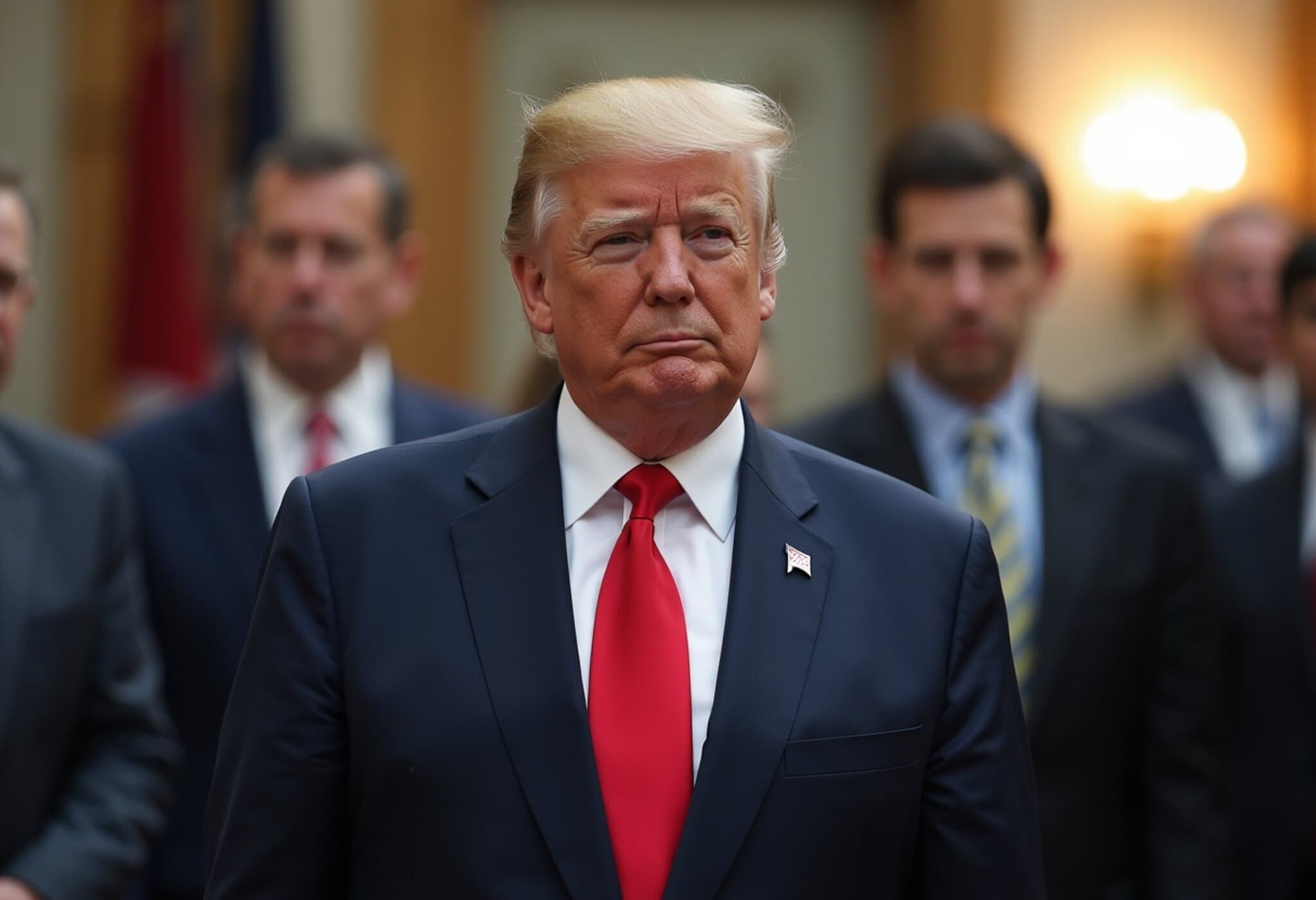
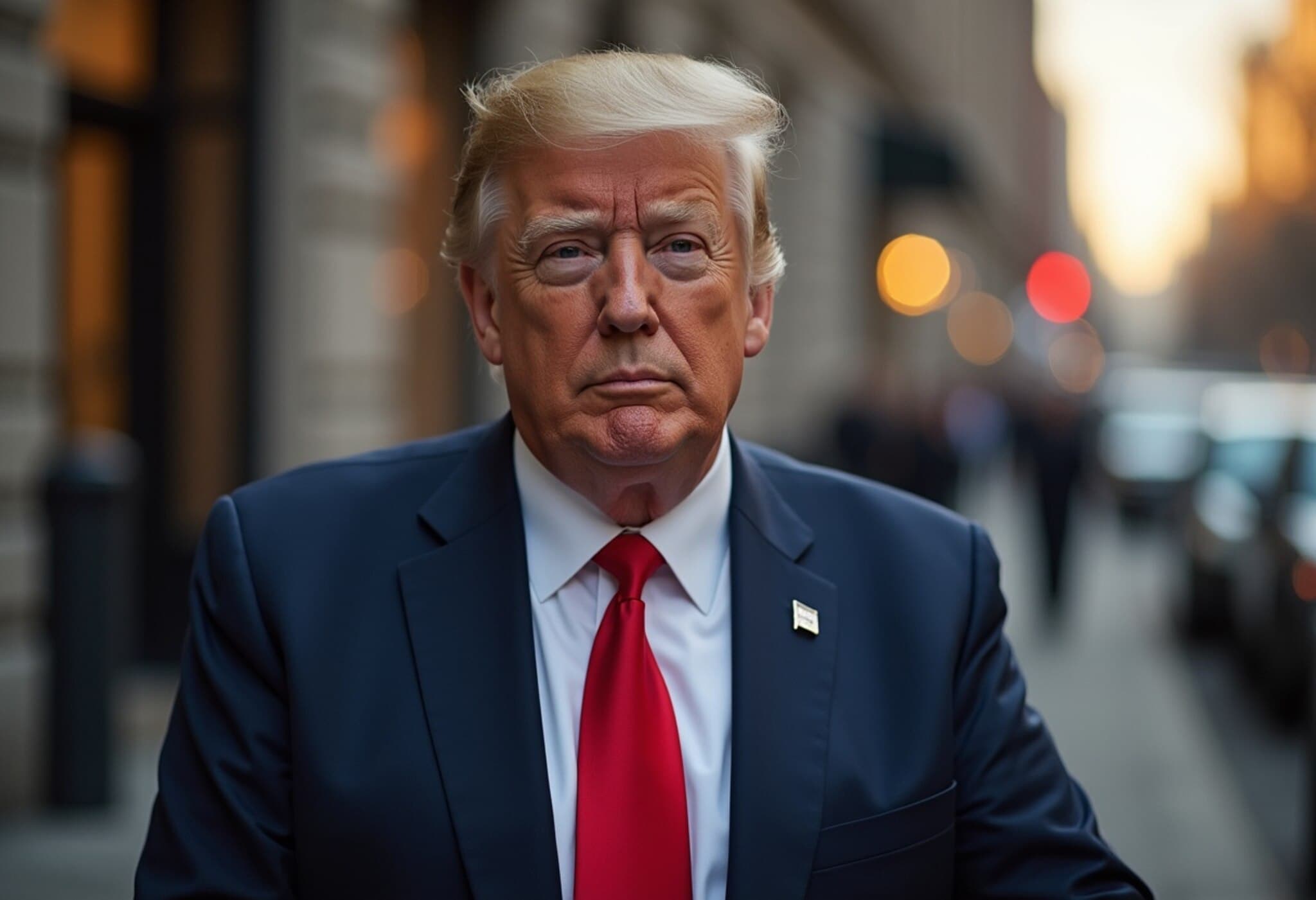
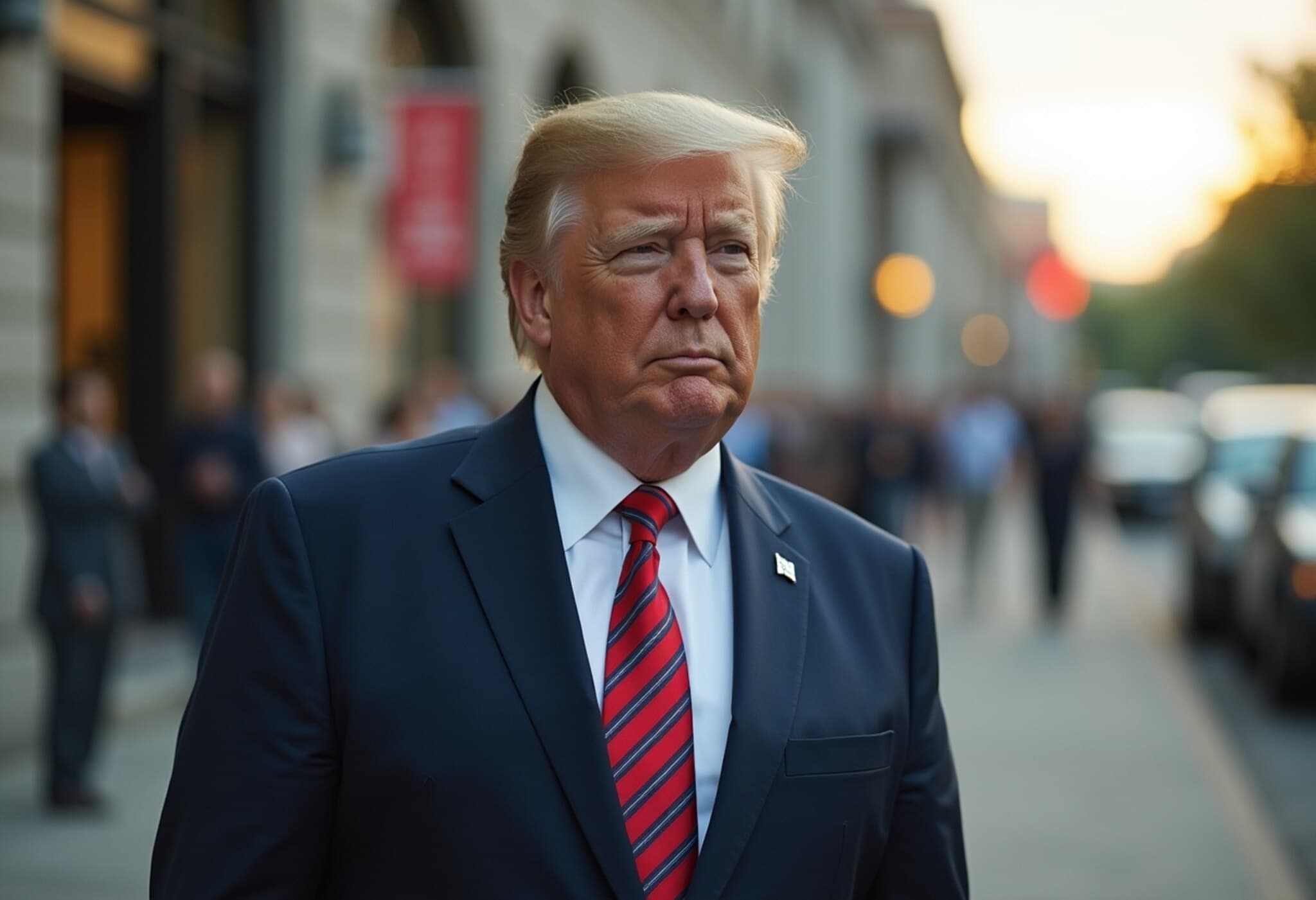
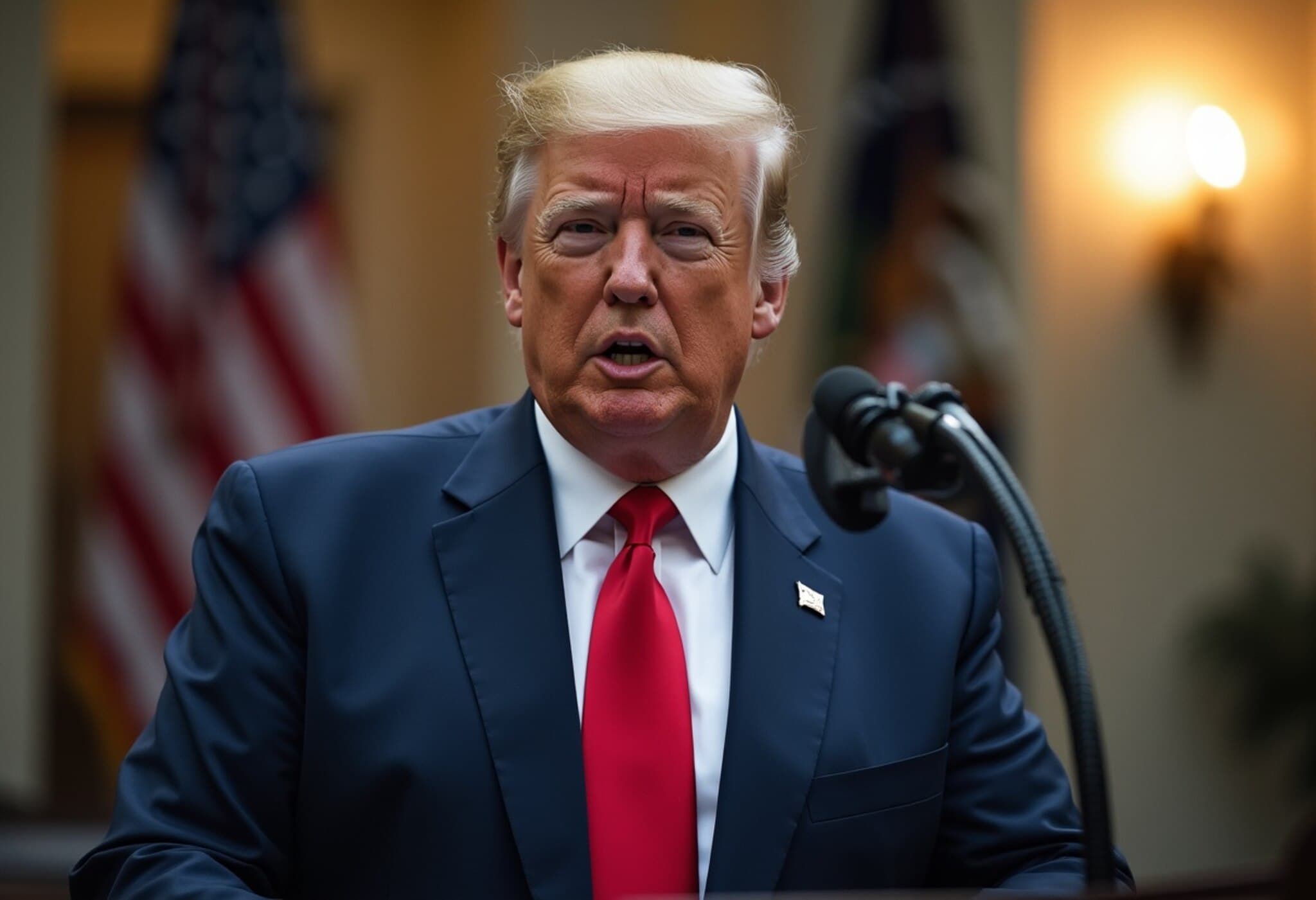
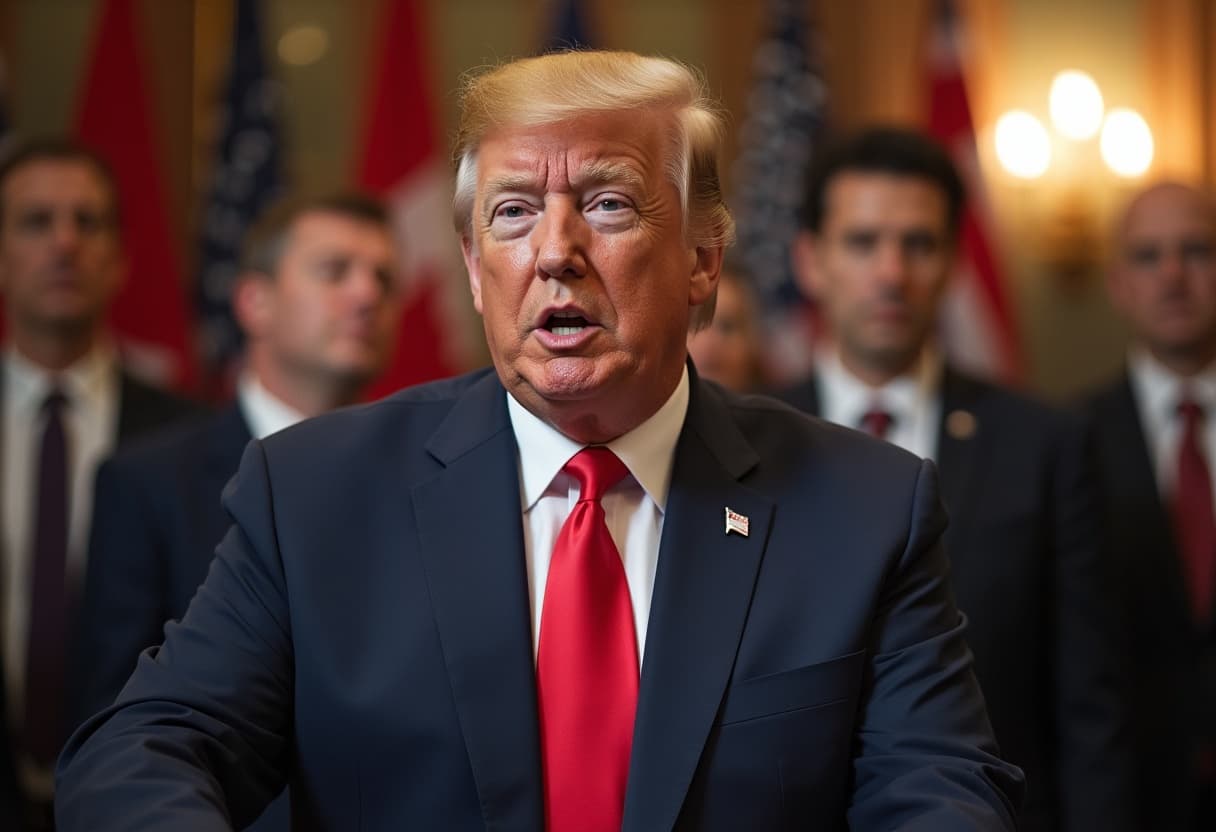
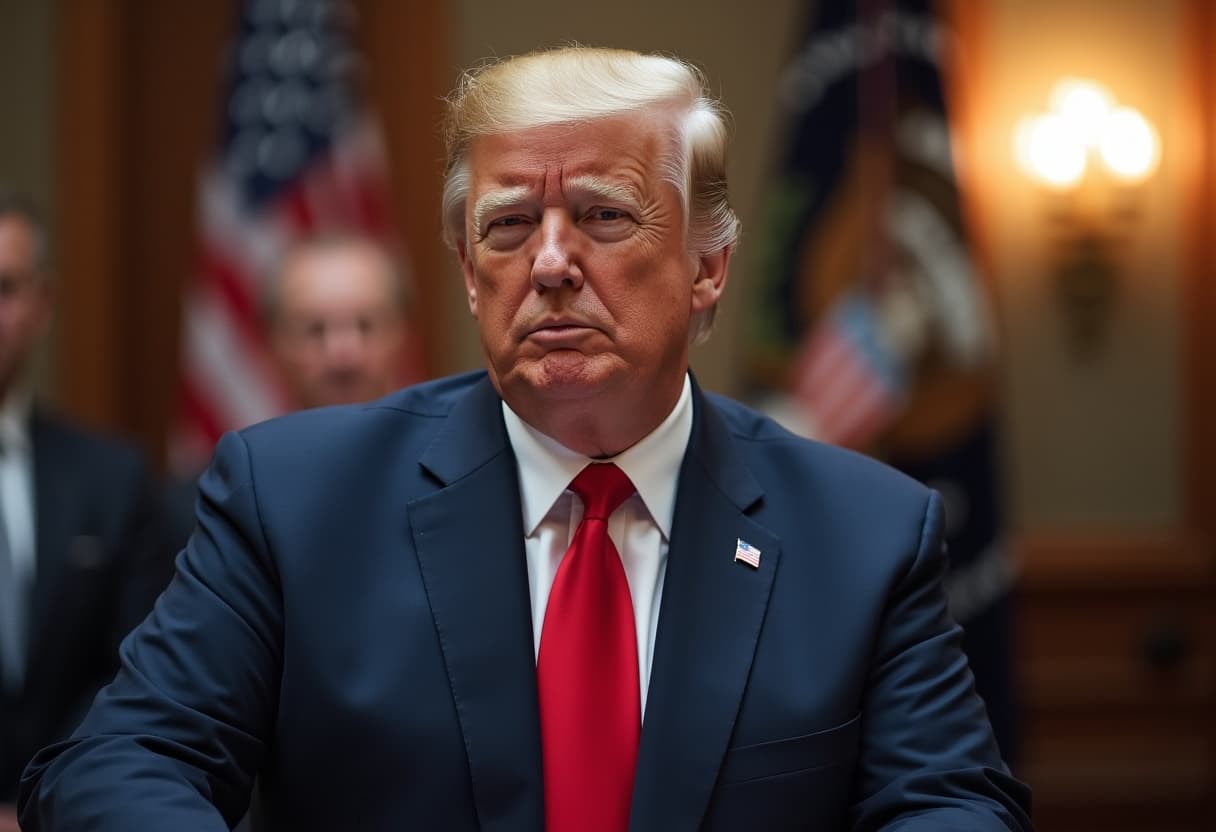
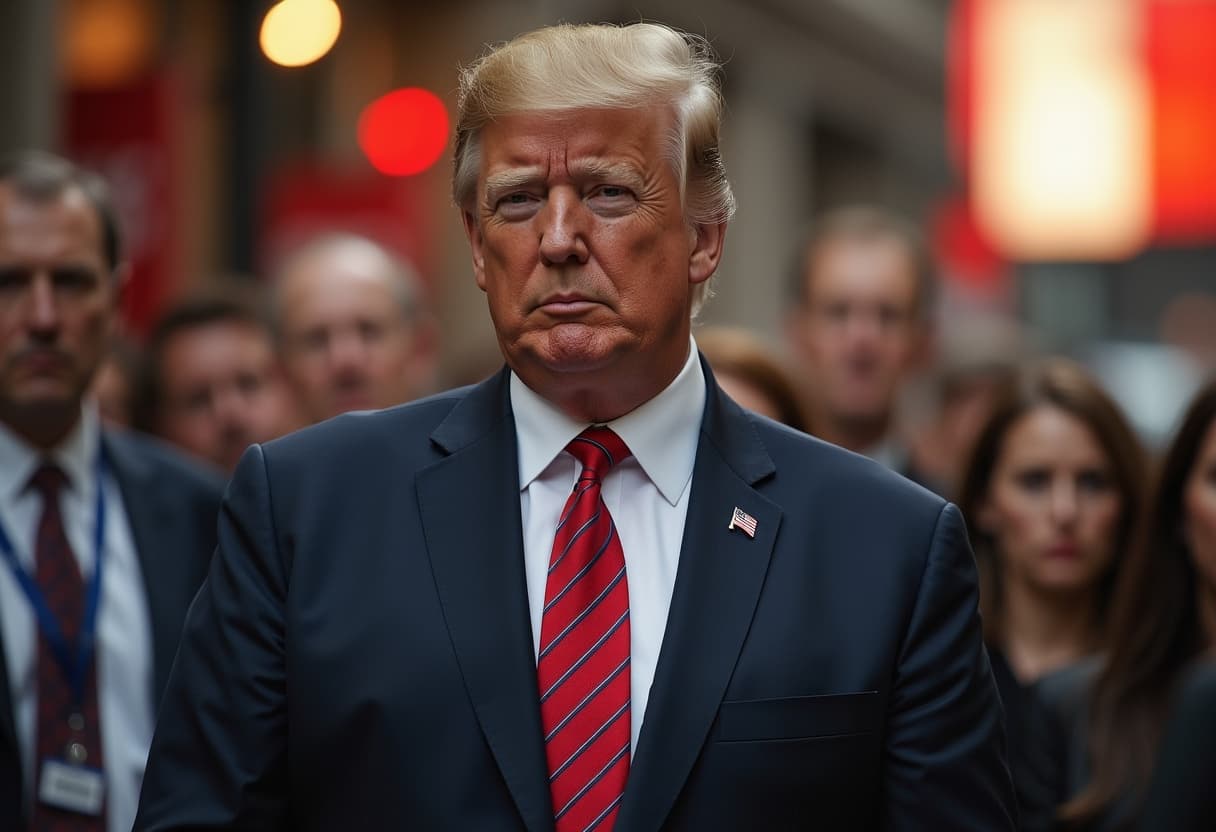
President Donald Trump, however, responded swiftly and critically via a late-night social media post, labeling the ad “fraudulent” and announcing a halt to ongoing trade negotiations with Canada.
Ford's Defiant Stand and the Ontario Economic Stakes
Unfazed by Trump’s rebuke, Ford doubled down publicly, releasing the entire Reagan address to refute any allegations of misinformation. Emphasizing the historic friendship and economic interdependence between the U.S. and Canada, Ford stated, “Canada and the United States are friends, neighbors, and allies. President Ronald Reagan knew that we are stronger together.”
Ontario, Canada's economic powerhouse, relies heavily on cross-border trade, making it vulnerable to recent tariffs imposed by the U.S. on steel, aluminum, autos, and lumber—key sectors following exemption from the USMCA agreements. The tariffs have caused job losses and investment shifts, notably in the automobile industry, with companies like Stellantis and General Motors scaling back or relocating operations away from Ontario.
Diplomatic Nuance: Prime Minister Carney’s Response
While Premier Ford’s approach has been brash and highly publicized, Canadian Prime Minister Mark Carney has maintained a more measured, diplomatic tone. Carney confirmed that Canadian and American officials have engaged in “detailed, constructive” discussions and expressed readiness to continue talks when the U.S. is prepared.
Highlighting pragmatic realism, Carney acknowledged the limits of influence, stating, “We can’t control the trade policy of the United States.” His comments, delivered as he departed for the ASEAN summit in Kuala Lumpur—where President Trump is also expected—underscore the complexities of managing bilateral relations amid geopolitical and economic pressures.
Beyond Rhetoric: The Impact on Communities and Economies
Ford’s combative style and media-savvy tactics—such as withdrawing American liquor from Ontario stores and orchestrating ad campaigns targeting U.S. voters—reflect a broader strategy to rally public support and pressure Washington.
- Economic Integration: Ontario’s economy is deeply interwoven with that of the U.S., particularly in manufacturing and energy sectors.
- Job Losses: Tariffs and trade uncertainties jeopardize thousands of jobs, particularly in auto manufacturing hubs.
- Political Symbolism: Ford’s ‘Canada is not for sale’ campaign counters annexation rhetoric, reinforcing national sovereignty.
This multifaceted conflict poses critical questions: How will escalating tariffs reshape North American supply chains? Can political showmanship translate into meaningful trade resolutions? And what does this mean for everyday workers and communities on both sides of the border?
Editor’s Note
Doug Ford’s use of Ronald Reagan’s anti-tariff legacy illuminates enduring economic debates about protectionism and free trade. While his approach garners headlines and stirs political drama, the undercurrents highlight real vulnerabilities within the Ontario economy tied to U.S. policy decisions. As trade talks stall, the human cost materializes in lost jobs and disrupted industries. This episode is a vivid case study in how historic political symbolism collides with contemporary geopolitical realities, leaving citizens and policymakers navigating uncertainty over the future of North American economic partnership.