Widespread Protests Signal Frustration Over Mexico’s Violence and Corruption Crisis
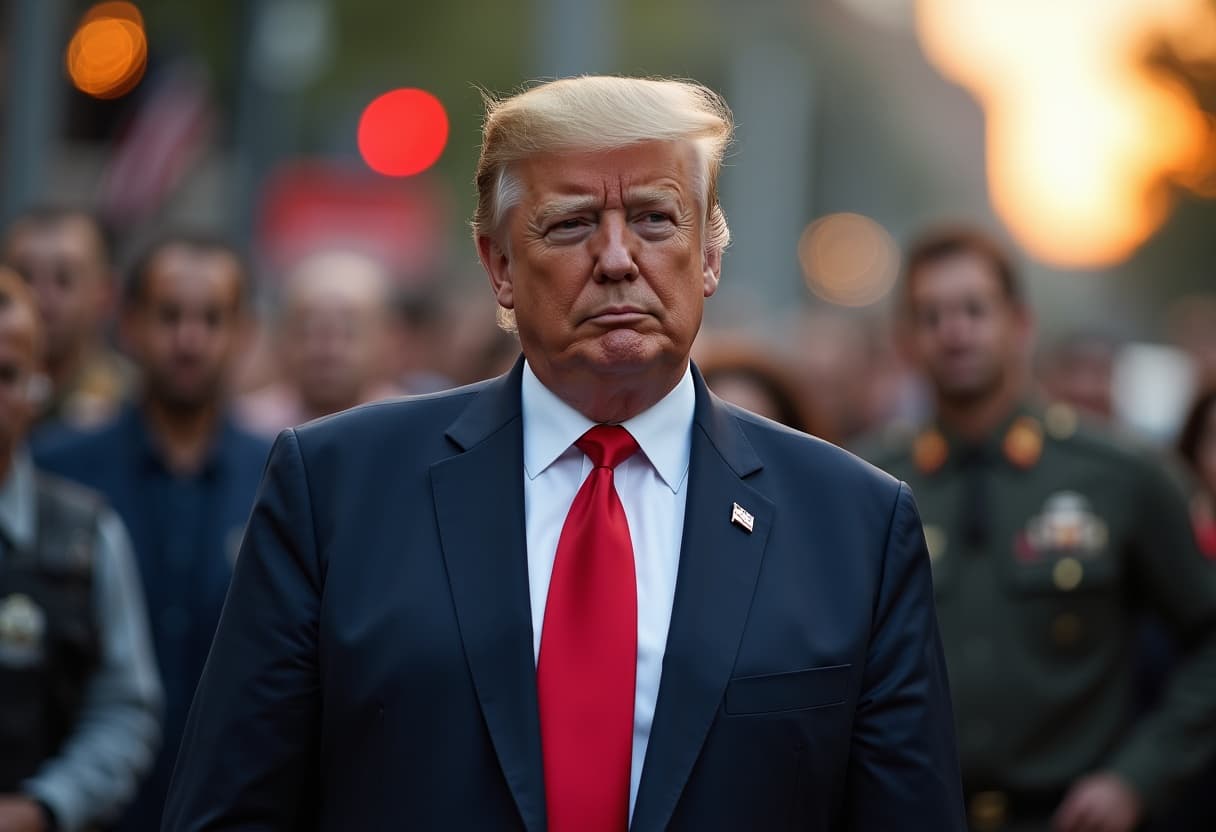
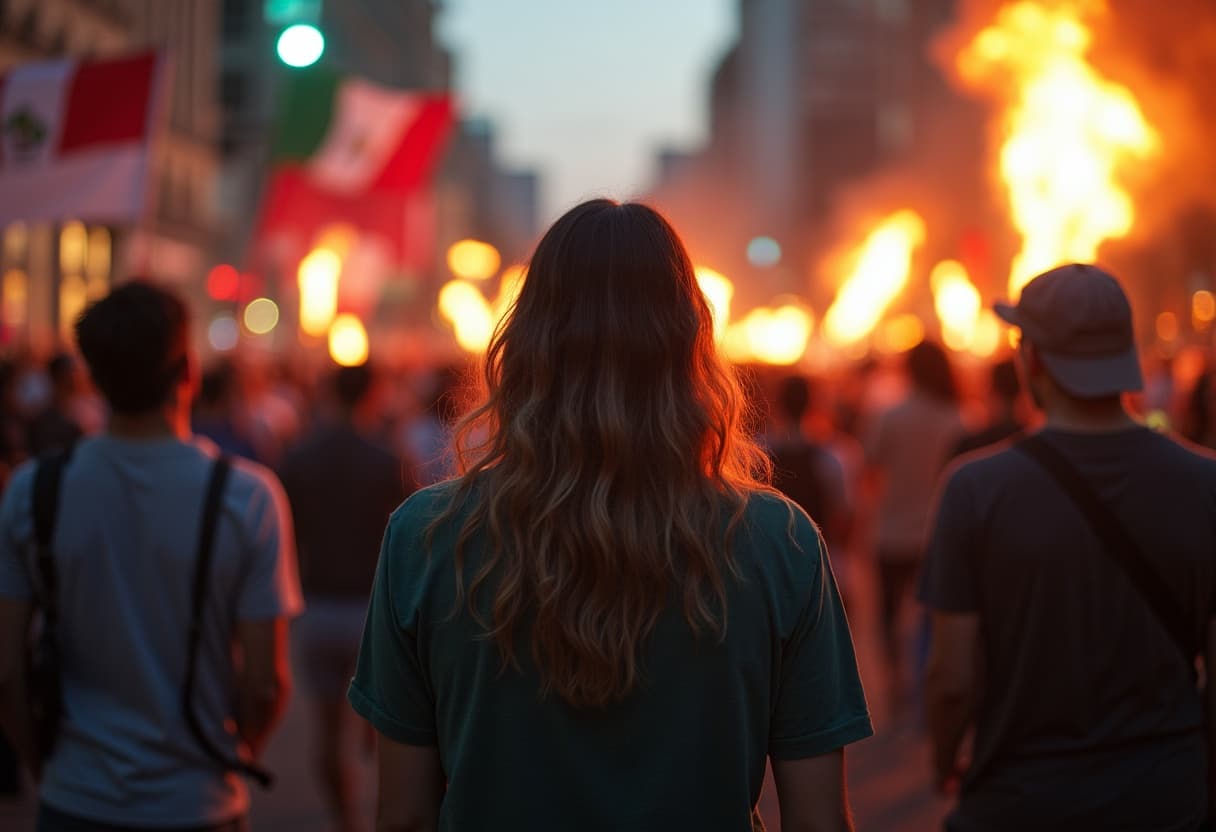
On a turbulent Saturday in November 2025, tens of thousands of Mexicans took to the streets in over 50 cities nationwide, expressing deep frustration with ongoing violence, political corruption, and what many describe as an inadequate government response. The protests, ignited by the shocking assassination of a prominent mayor and persistent feelings of insecurity, united a diverse cross-section of society — from passionate members of Generation Z to seasoned pensioners — all rallying under a shared call for systemic change.
Generational Voices Unite in Demand for Accountability
Among the demonstrators was Rodrigo Santana, a 21-year-old actor and singer, who encapsulated a youthful spirit of dissent, stating, “I am tired and saddened by the situation in the country today. The goal of this march is precisely to remove the president. And to show that we are angry, that the people are not with her.” Santana’s words echo a broader sentiment among many younger Mexicans who are increasingly vocal about their disillusionment with traditional political structures, highlighting a generational divide compounded by persistent socioeconomic challenges.
Clashes in Mexico City Highlight Tensions
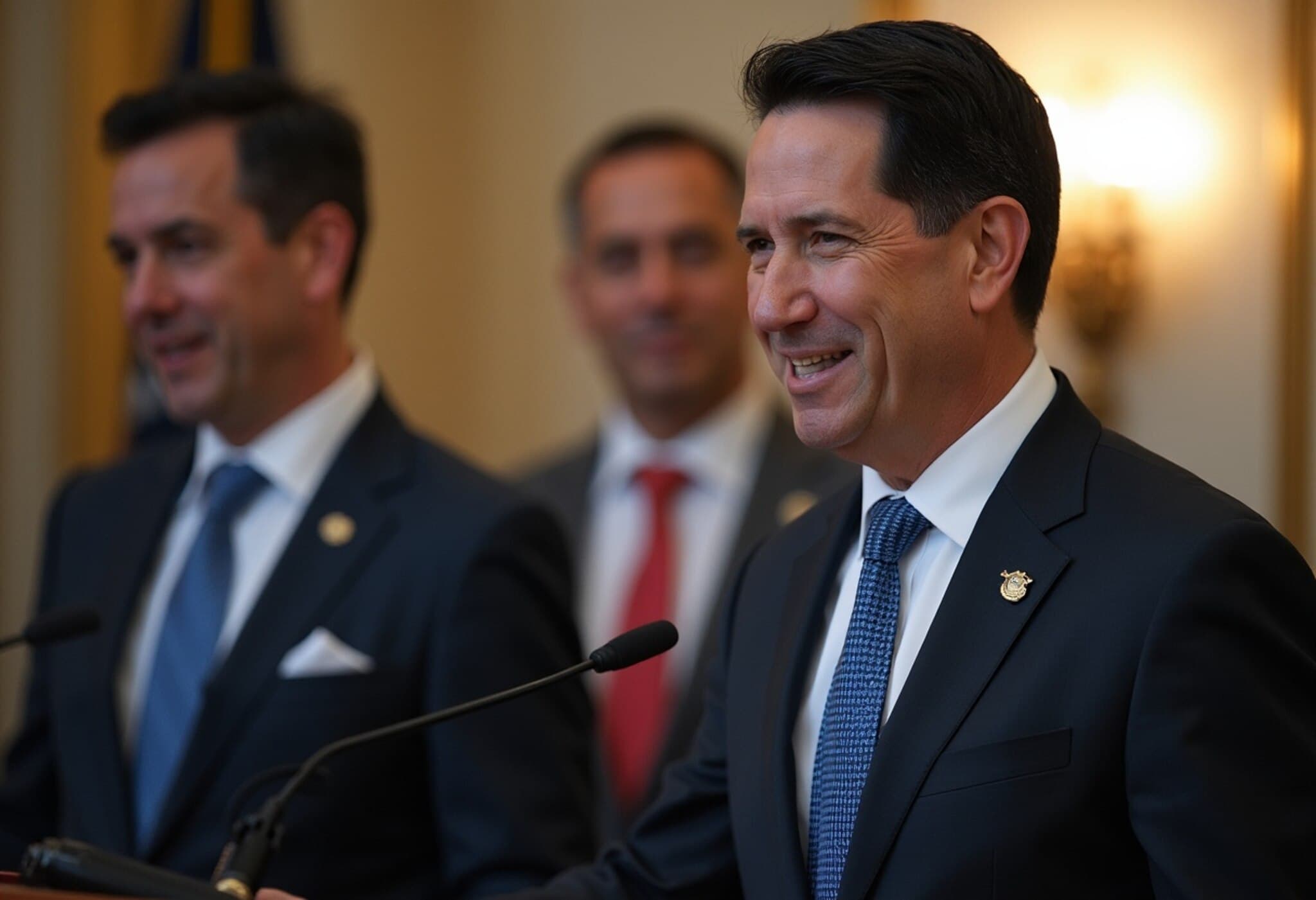
In the capital city, confrontations broke out as protesters and police forces clashed, underscoring the volatile atmosphere. The government, led by President Claudia Sheinbaum, has publicly committed to dismantling organized crime networks and reducing homicide rates. However, the continued prevalence of brutal violence, coupled with rampant corruption, has frustrated many citizens who experience daily uncertainty and fear.
Political Context: Popular Leadership Amidst Discontent
President Sheinbaum retains a degree of popularity and faces an opposition fragmented and lacking cohesive leadership. Despite this, the breadth and intensity of Saturday’s protests reveal cracks in public confidence. The unrest follows high-profile events such as the recent assassination of a mayor known for advocating tough stances against criminal cartels, a grim reminder of the grave risks faced by public officials in Mexico.
Economic and Security Challenges Escalate the Crisis
The challenges are not solely political but also socioeconomic. Extortion and cartel activity continue to plague numerous states, with some regions effectively becoming strongholds for heavily armed criminal groups. The military-grade weaponry wielded by cartels has not only escalated violence but has also strained government resources and law enforcement capabilities.
Expert Perspective: What Lies Ahead for Mexico?
Dr. Ana Gutierrez, a specialist in Latin American security issues at the University of Texas, notes, “These protests are more than spontaneous outbursts—they reflect long-standing grievances that require comprehensive reforms. Mexico’s future hinges on addressing both the root causes of violence and corruption while restoring institutional trust.” She further stresses the importance of transparent governance, community engagement, and economic initiatives aimed at reducing inequality to disrupt the cycles that fuel criminal recruitment and public fear.
Undercurrents and Overlooked Narratives
- Youth Engagement: The prominent role of Generation Z points to an evolving political consciousness that could shape Mexico’s future electoral politics.
- Impact on Vulnerable Communities: Indigenous and rural communities often disproportionately suffer under cartel influence and government neglect.
- Media and Freedom of Expression: Journalists and activists face continual threats, limiting coverage and discourse on corruption and violence.
Looking Forward: Challenges and Hope
As Mexico grapples with these multifaceted crises, the protests serve as both a wake-up call and a testament to the enduring hope among its citizens for a safer, more just nation. The government's next steps — from policy adjustments to security strategies — will be critical not just for restoring order but for rebuilding public trust.
Editor's Note:
These protests in Mexico highlight an urgent crossroads for the country, illustrating the complex interplay between governance, security, and citizen engagement. Readers are invited to consider: How can systemic corruption and entrenched violence be effectively addressed without undermining civil liberties? What role should international actors play in supporting Mexico’s path toward peace? As the story unfolds, continued attention to grassroots voices and underlying social dynamics will be essential for understanding Mexico’s evolving political landscape.