Introduction: A New Era of U.S. Dominance in the Western Hemisphere
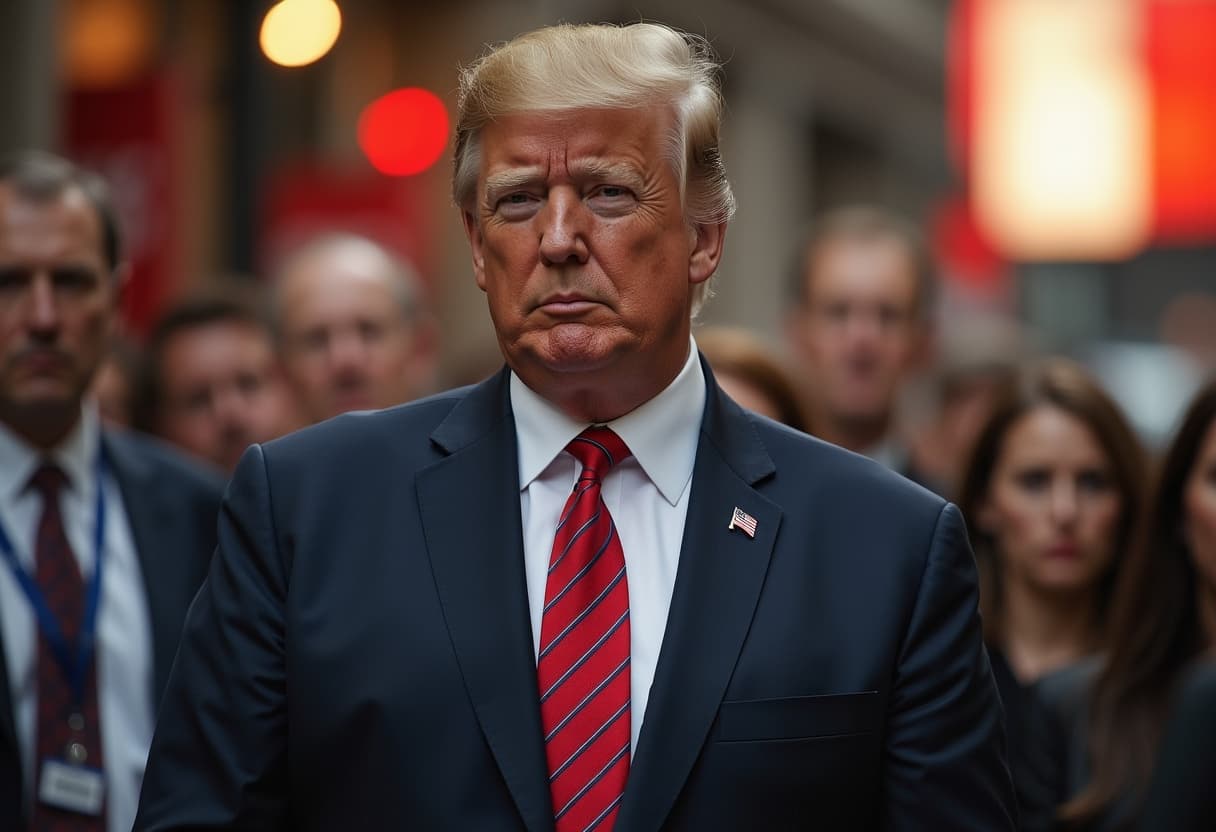
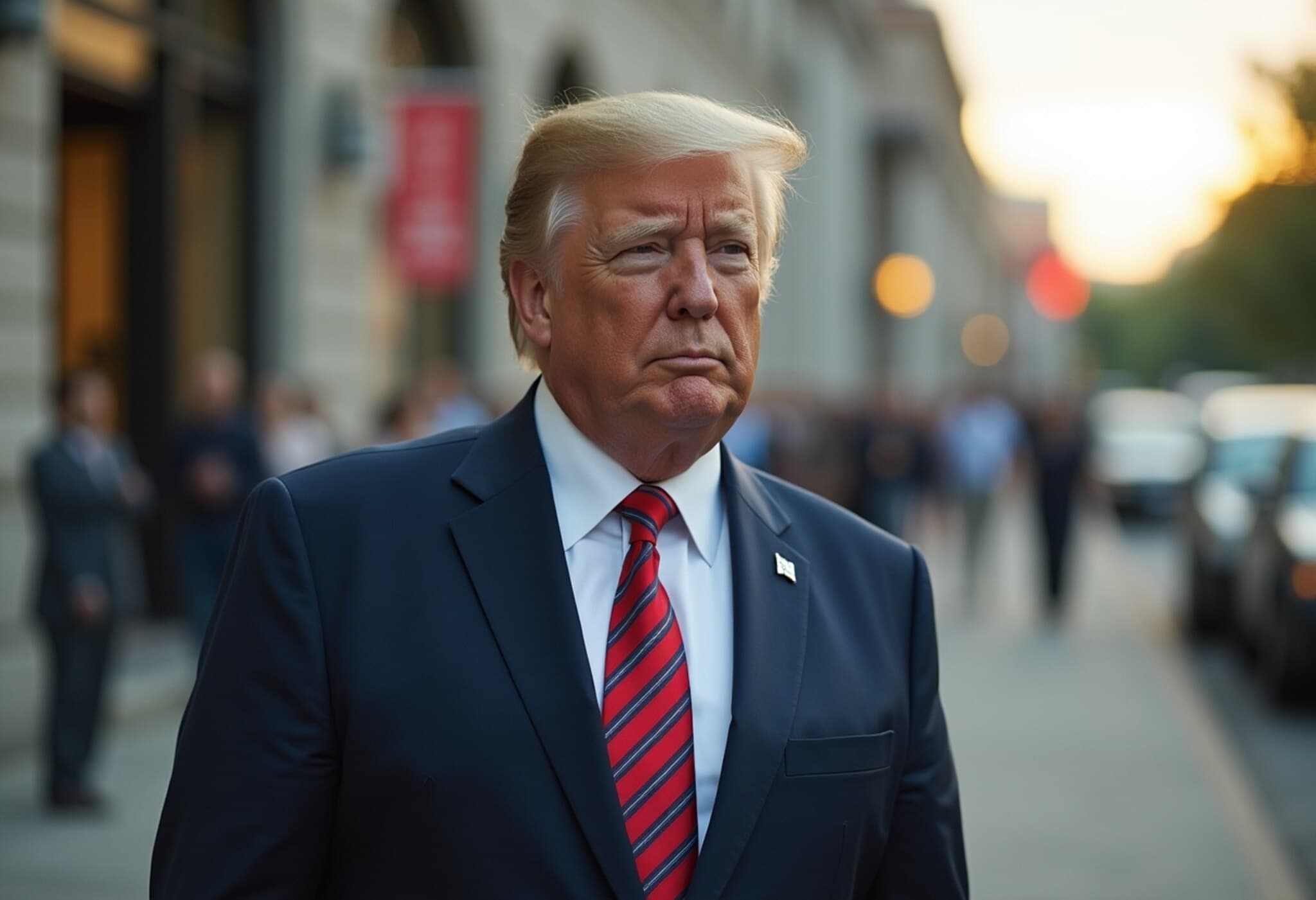
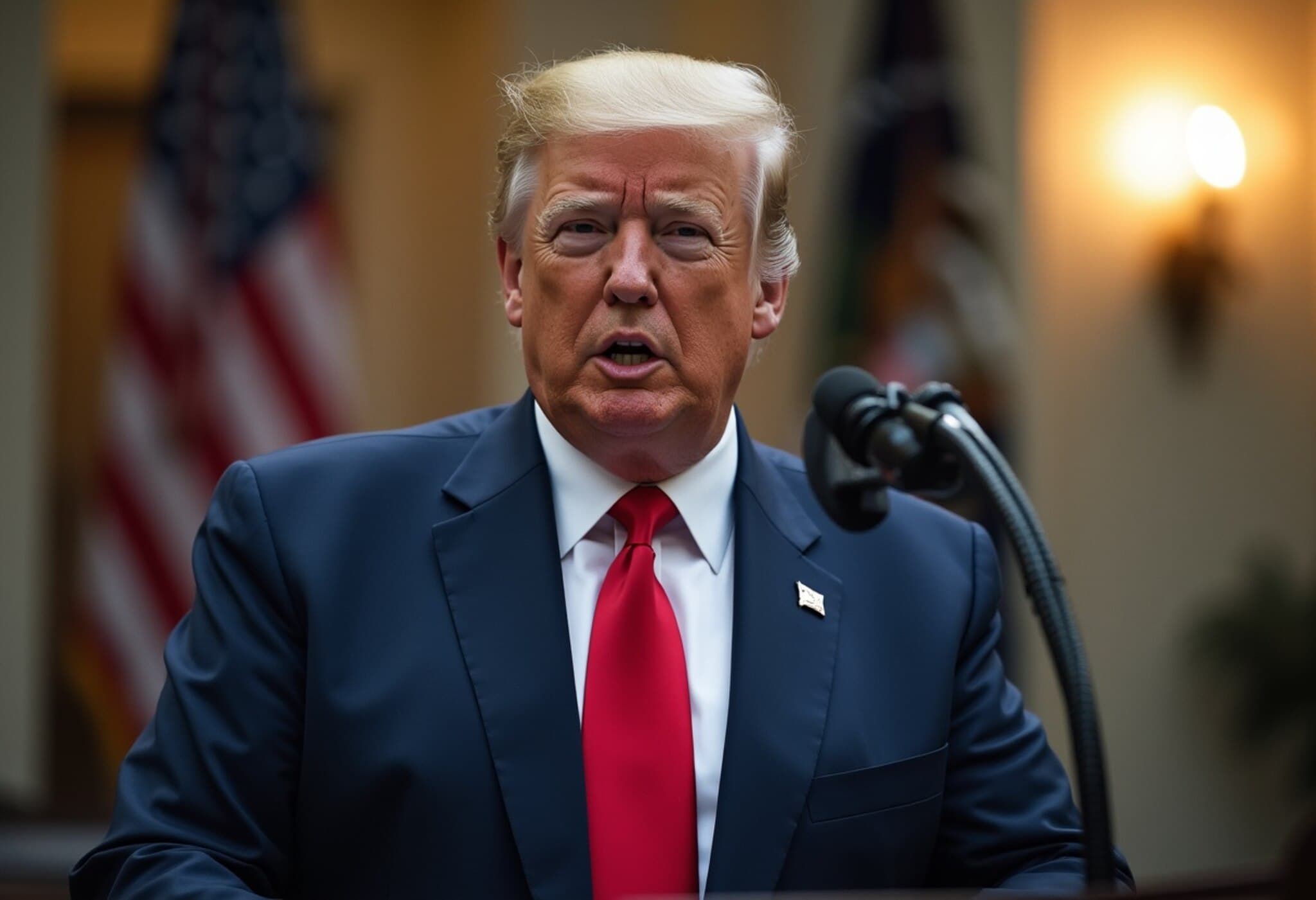
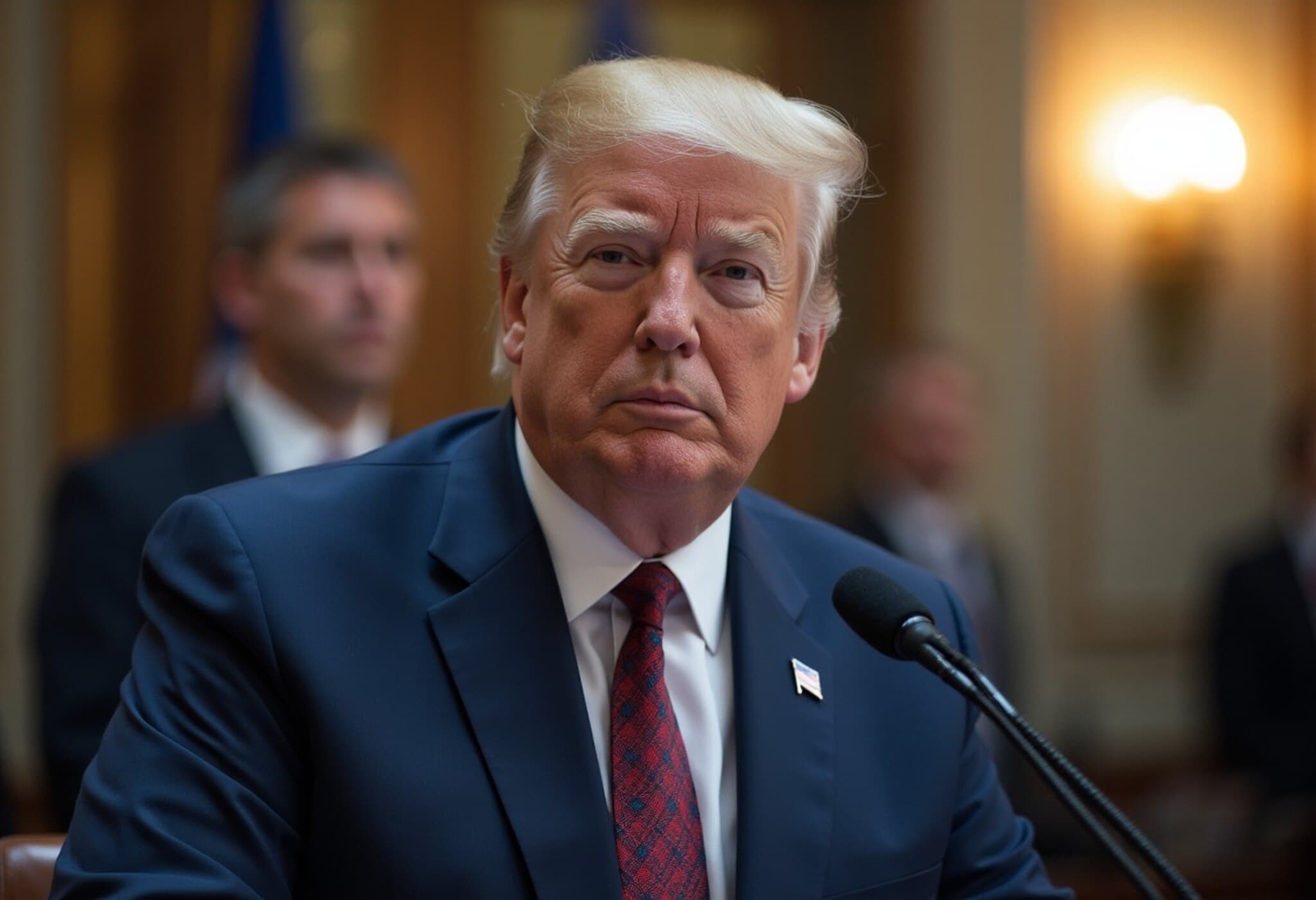
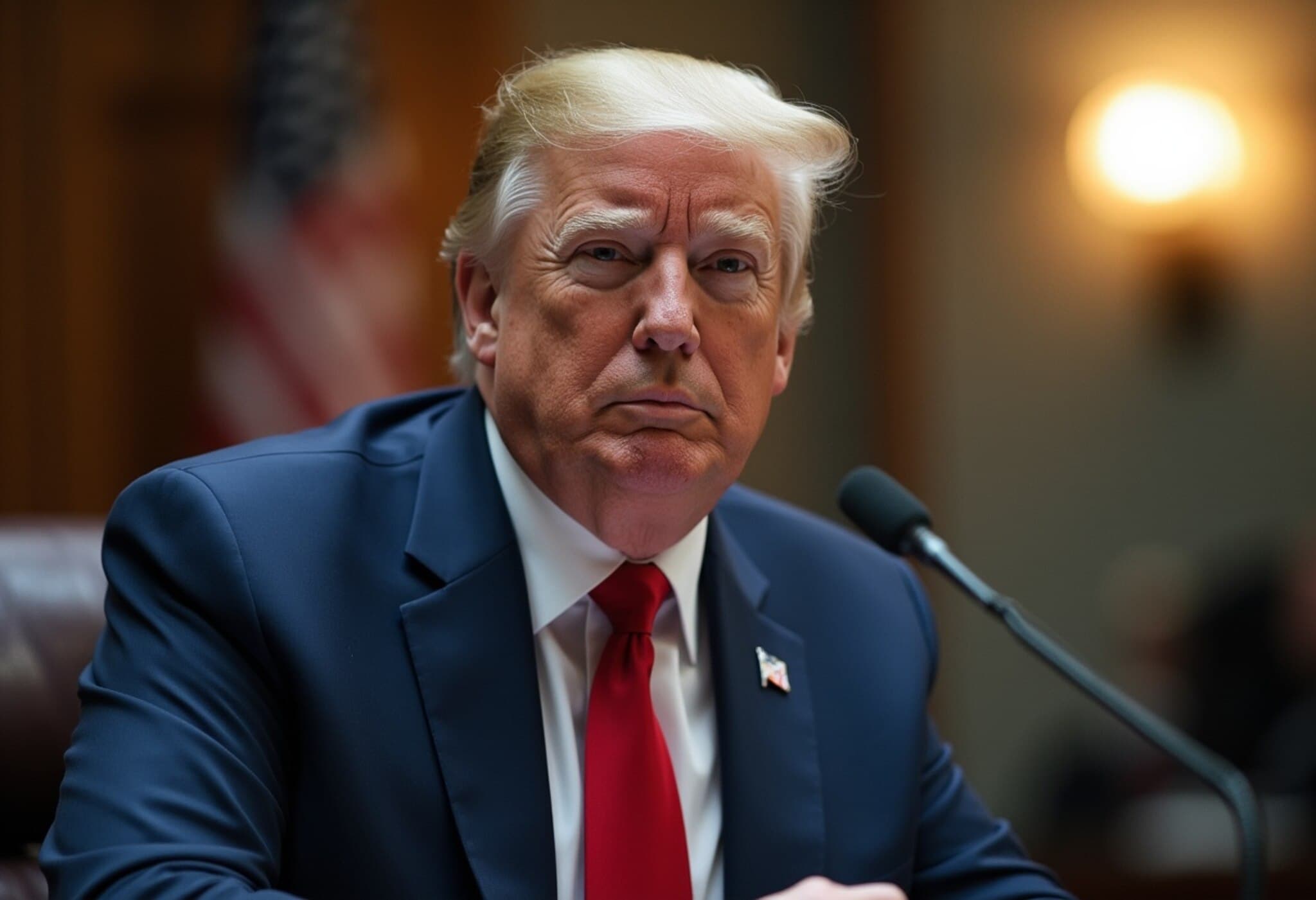
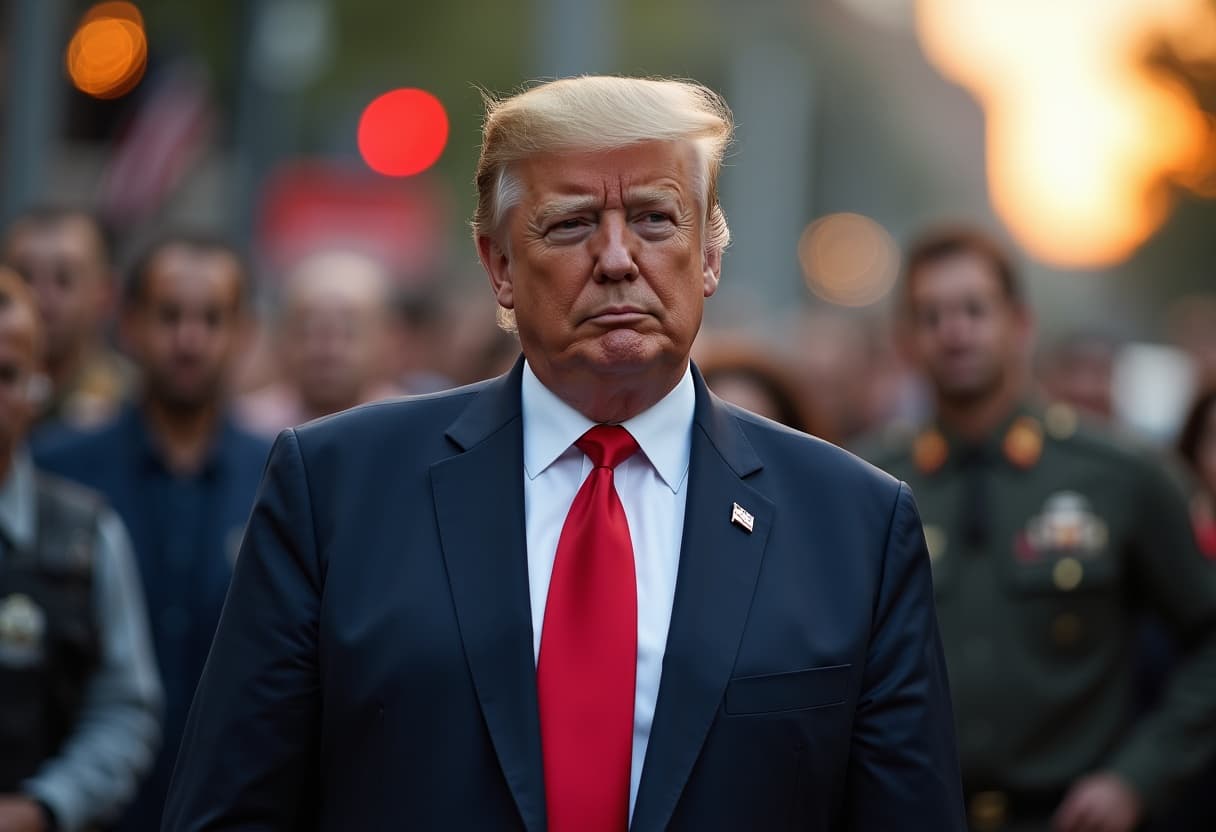
As 2025 draws to a close, the Trump administration has unequivocally shifted U.S. foreign policy to place Latin America and the broader Western Hemisphere center stage. From pledges to seize strategic global chokepoints to military posturing and economic maneuvers, President Trump’s vision echoes an assertive doctrine that experts now dub the “Donroe Doctrine” — a modern reinterpretation of the 1823 Monroe Doctrine intended to reassert American hegemony in its own backyard.
The ‘Donroe Doctrine’: Context and Implications
The original Monroe Doctrine sought to deter European interference in the Americas. Today’s geopolitical rival is China, whose influence in Latin America has expanded dramatically through trade, investments, and diplomatic engagement over recent decades.
Trump’s administration has targeted this influence head-on, turning to both overt military presence and strategic alliances with regional governments. The goal is pragmatic: secure natural resources, control critical trade routes, and consolidate markets to benefit the United States economically and strategically.
As Mauricio Claver-Carone, Trump’s former special envoy to Latin America, succinctly puts it: “You can’t be the pre-eminent global power if you’re not the pre-eminent regional power.”
From Rhetoric to Reality: Military and Economic Strategy
- **Military Build-Up**: The U.S. has augmented its military footprint in the hemisphere significantly — with a deployment of over 15,000 troops, the repositioning of the world’s largest aircraft carrier to the Caribbean, and aggressive operations against vessels allegedly smuggling drugs.
- **Economic Levers**: The Trump administration has rolled out hefty bailouts, like a $20 billion package for Argentina’s President Javier Milei, and trade deals promising deeper access to critical minerals.
- **Diplomatic Pressure**: Leaders from El Salvador to Panama face either rewards or sanctions based on their alignment with Washington's directives—creating a chessboard of political recalibration across nations.
The Politics of Reward and Punishment
The Trump administration’s approach is sharply transactional. Leaders who support U.S. policies receive substantial aid and diplomatic endorsement, while adversaries face sanctions and isolation.
Examples abound:
- Argentina: After Mr. Milei’s election and fragile governance, the U.S. swiftly extended a bailout, reinforcing his rule and nudging Argentina closer to Washington’s orbit.
- El Salvador: President Nayib Bukele’s cooperation in detaining Venezuelan deportees earned him the removal of a U.S. travel advisory and other benefits.
- Venezuela, Nicaragua, Cuba: These leftist governments have been targets of aggressive sanctions, tariff threats, and diplomatic isolation — illustrating the administration’s intolerance for dissenting ideologies in the hemisphere.
Case Study: Colombia’s Political Turbulence
Colombia’s leftist President Gustavo Petro pushed back against U.S. military operations targeting suspected drug traffickers—leading to aid cuts and legal accusations against him. These moves have weakened Petro politically, fueling speculation about a right-wing resurgence in Colombia’s upcoming elections.
High-Stakes Diplomacy with Key Players
While the U.S. exerts outsized influence in smaller nations, it faces nuanced challenges with hemisphere giants like Mexico, Canada, and Brazil.
- Mexico and Canada: Both countries maintain left-of-center governments yet skillfully navigate Washington’s demands while preserving their own political agendas.
- Brazil: After punitive tariffs targeting Brazil over its prosecution of Jair Bolsonaro, the nation’s leftist President Luiz Inácio Lula da Silva condemned Trump's actions. However, recent diplomatic meetings suggest potential thawing, highlighting the complexities of Trump’s hemispheric strategy.
The Cancellation of the Summit of the Americas: A Symbol of Fractured Relations
For the first time since its inception, the 2025 Summit of the Americas was canceled, underscoring deep-seated divisions and the erosion of cooperative dialogue under the weight of rising tensions.
Expert Insights: What the ‘Donroe Doctrine’ Means for the Hemisphere
John Feeley, a former U.S. ambassador to Panama, remarks, “Trump’s approach translates the fiercely territorial mindset of New York business and politics onto a continental scale.” This parochial view reframes the Americas not just as neighbors but as a turf to be protected and dominated.
Yet, the legality and morality of aggressive military tactics—such as lethal strikes on unproven drug-running vessels—and diplomatic coercion raise critical questions about the rule of law, sovereignty, and long-term stability in the region.
Looking Ahead: The Future of U.S.–Latin America Relations
The Trump administration’s heavy-handed and transactional policy has invigorated right-wing governments but exacerbated polarization in a region historically marked by complex political diversity.
Moreover, as Beijing’s footprint remains substantial, the hemisphere stands at a crossroads: Will it become a battleground for influence between global superpowers, or can multilateral cooperation forge a more inclusive future?
Editor’s Note
The “Donroe Doctrine” reflects a stark recalibration of U.S.–Latin America relations, rooted in realpolitik and strategic self-interest rather than ideological crusades. While it underscores American resolve to assert control over its hemispheric “neighborhood,” it also invites scrutiny regarding the consequences for democracy, sovereignty, and regional unity.
Readers should consider: How sustainable is this approach in a globally interconnected era? Could such assertiveness provoke unintended backlash or foster deeper fragmentation? And critically, what role should the U.S. play in supporting, rather than controlling, the diverse nations of the Americas?