‘Peace Through Strength’: Zelenskyy’s Firm Stance Before Trump Talks
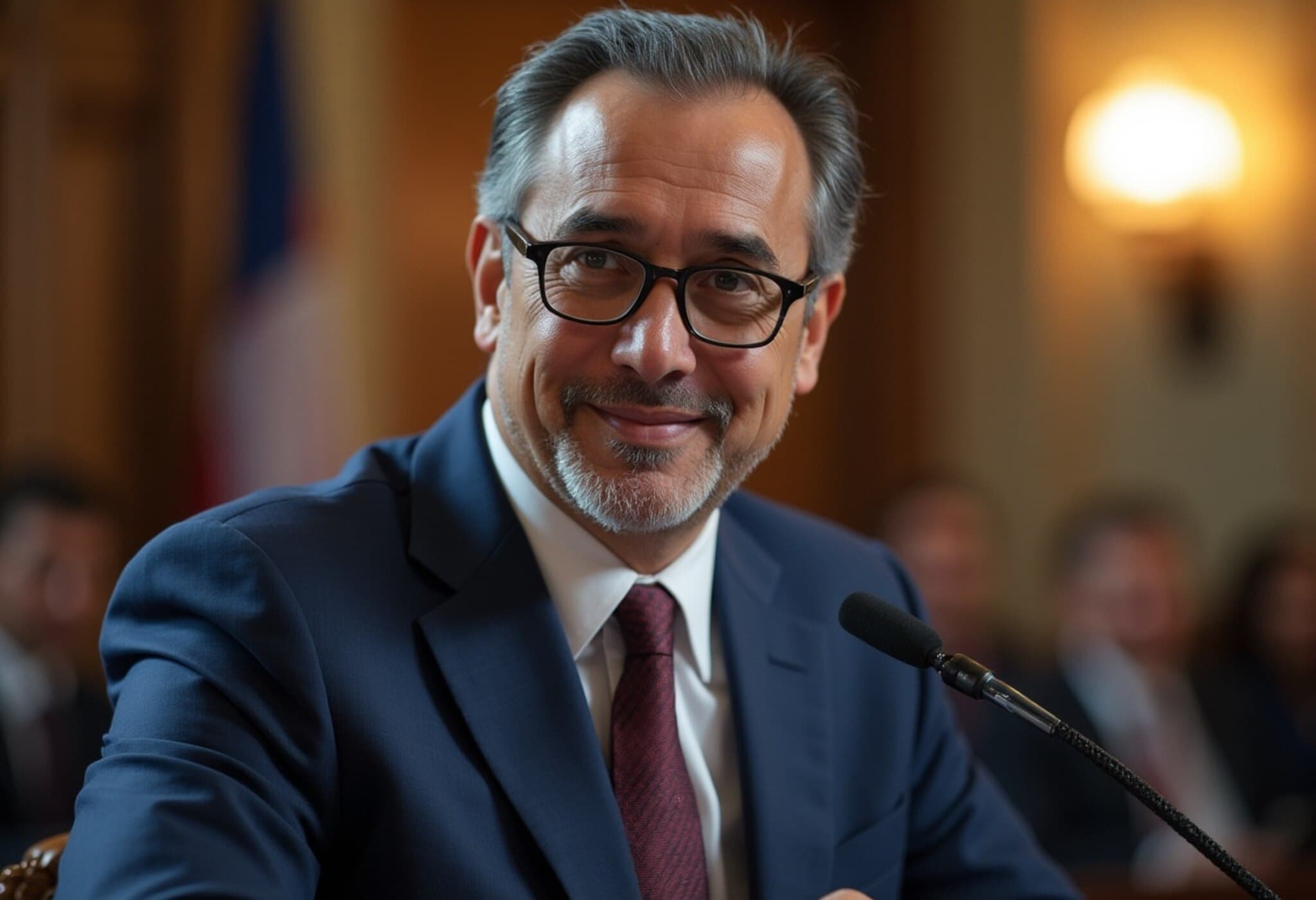
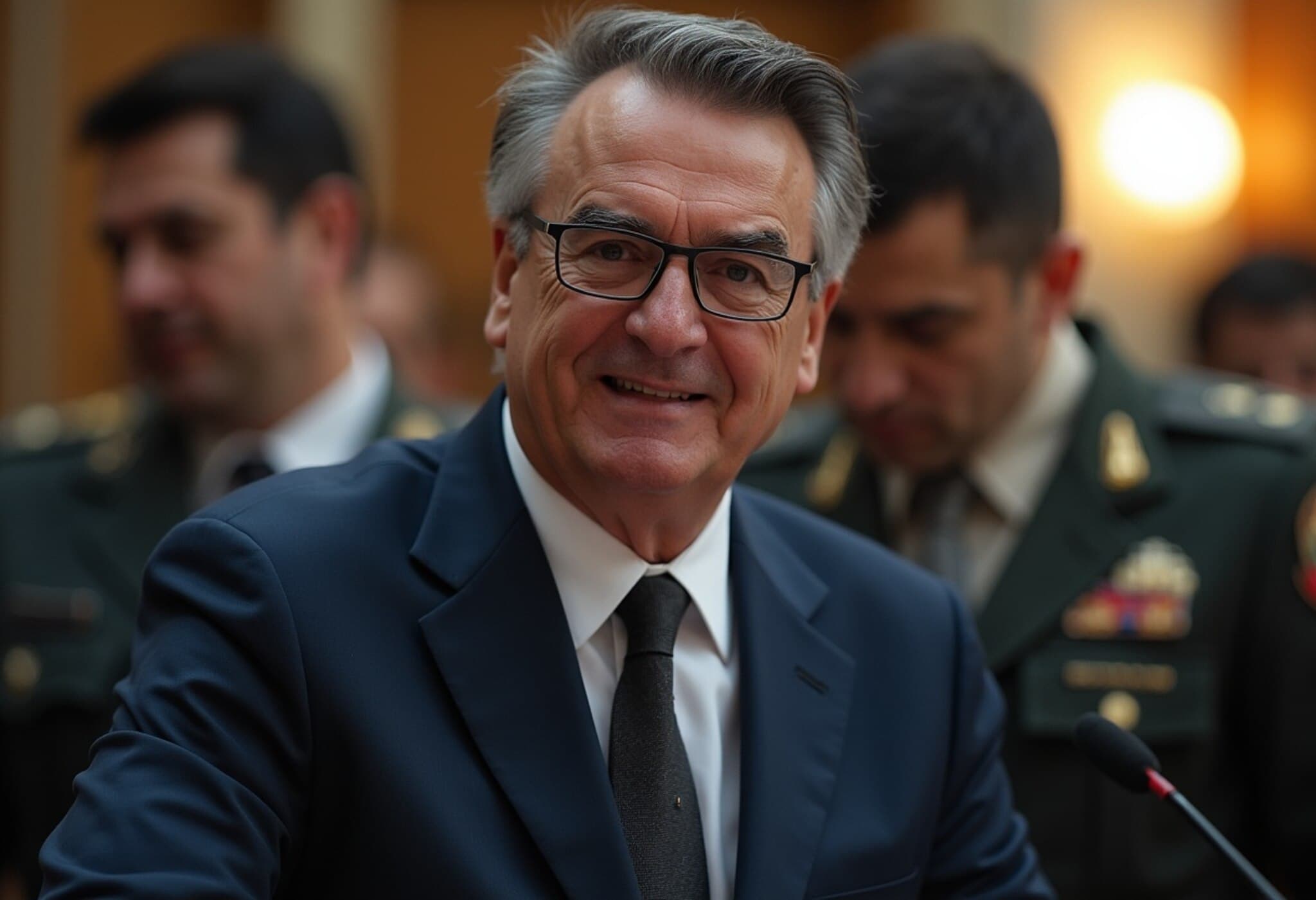
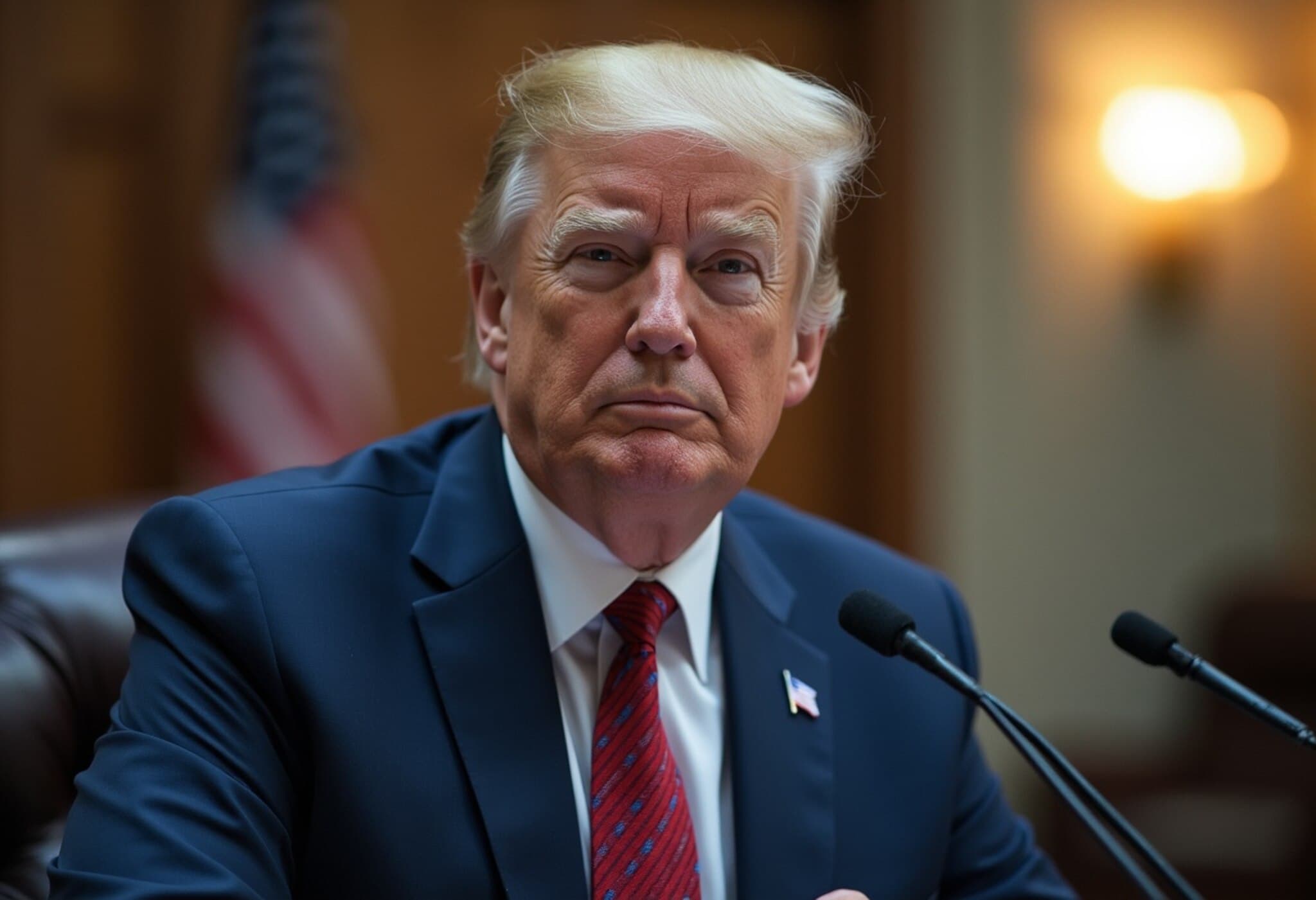
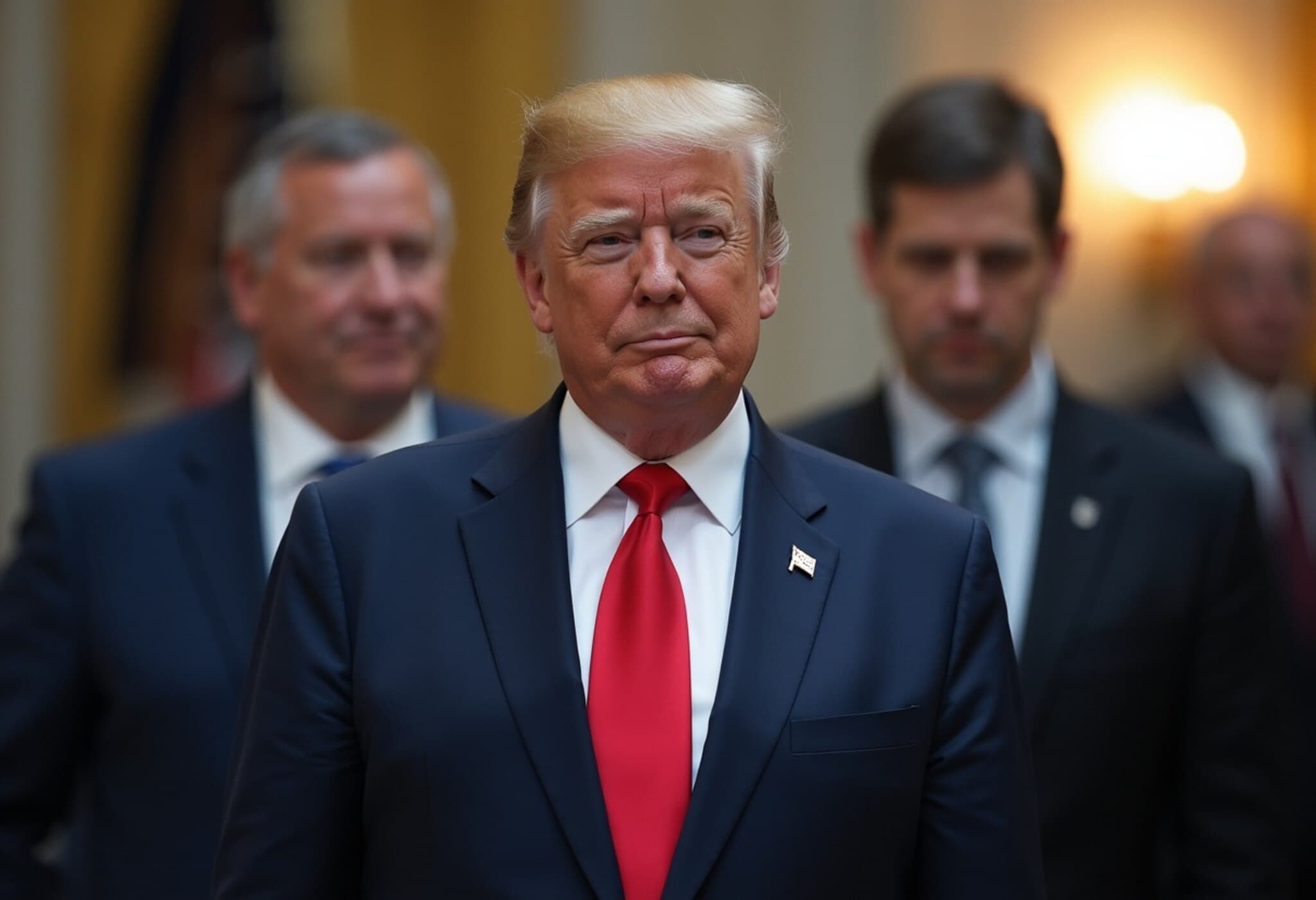
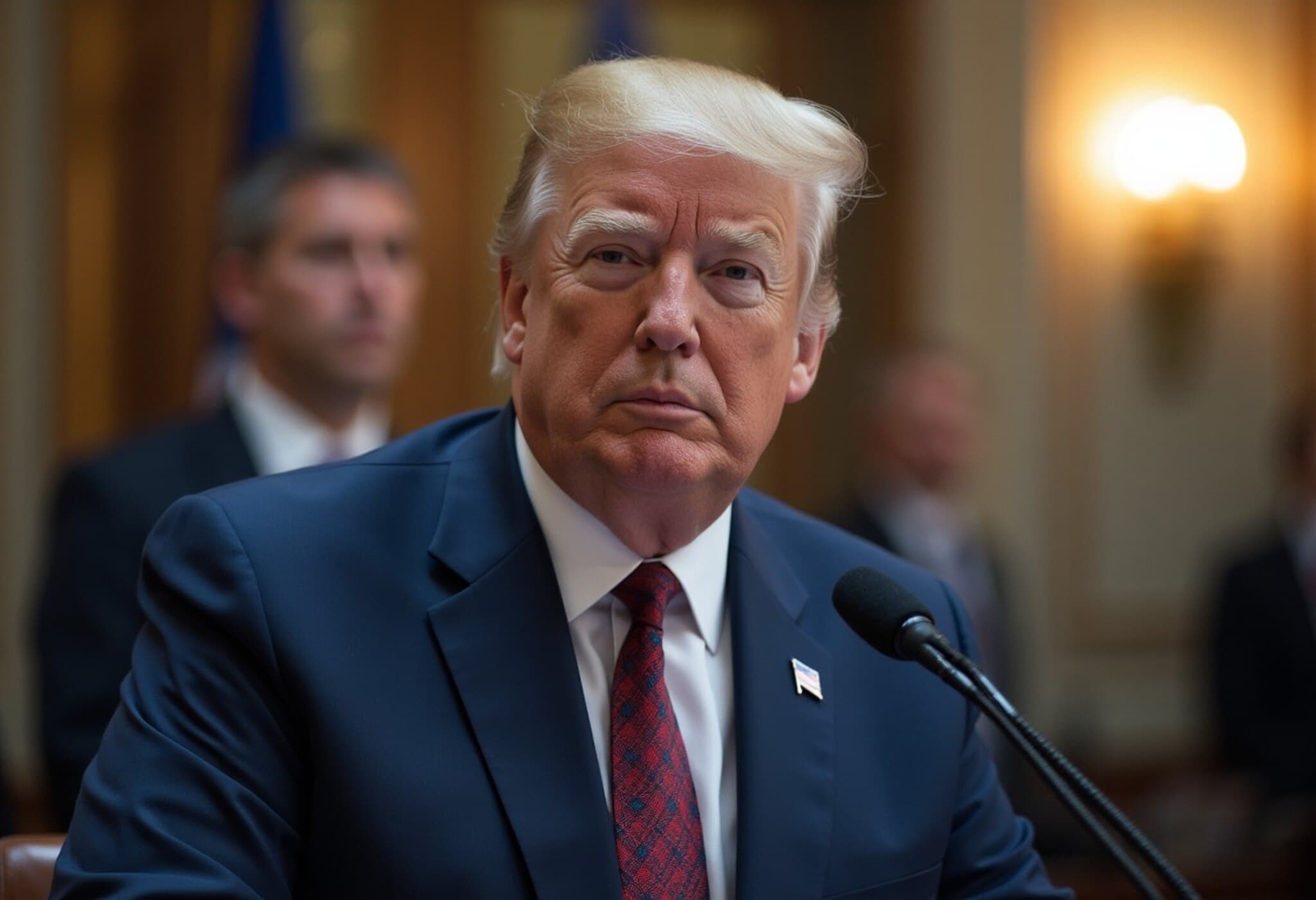
As Ukrainian President Volodymyr Zelenskyy prepared for a pivotal meeting with former U.S. President Donald Trump, he sent a clear and resolute message: Russia will only come to meaningful negotiations under pressure. Speaking ahead of their talks on August 18, 2025, Zelenskyy reiterated that strength is the key to peace in the ongoing conflict.
Diplomatic and Military Coordination at the Forefront
Following a session with U.S. envoy Keith Kellogg, Zelenskyy emphasized the urgent need to bolster both diplomatic and military cooperation. “When we speak of peace for one country in Europe, we speak of peace for the entire continent,” he stressed, highlighting the wider stakes involved beyond Ukraine’s borders.
In his statement quoted by The Guardian, the Ukrainian president declared: “We are ready to continue working with maximum effort to end the war and to ensure reliable security.” These two pillars, he explained, are non-negotiable for achieving lasting stability.
Human Toll and Ongoing Russian Aggression
The grim reality on the ground remains stark. Zelenskyy addressed the recent Russian missile strikes targeting civilians, which inflicted casualties in the middle of the night. He lamented the deaths of two children and injuries to dozens more, underscoring the devastating human cost behind the headlines.
Such attacks, Zelenskyy suggested, strengthen the resolve of Ukraine and its allies. “Russia can only be forced into peace through strength, and President Trump has that strength. We must harness this to steer the conflict toward a real and lasting resolution,” he said.
Setting the Stage: Trump’s Ambiguous Position
Trump’s approach ahead of the meeting drew attention for its sharp tone and controversial implications. Posting late on Sunday through Truth Social, Trump hinted that Zelenskyy holds significant responsibility for ending the war quickly. He stated, “President Zelenskyy of Ukraine can end the war with Russia almost immediately, if he wants to, or he can continue to fight.”
This message stood in marked contrast to Trump’s recent warm reception of Russian President Vladimir Putin. Further inflaming tensions, Trump referenced the historical context of Crimea’s annexation and the rejection of Ukrainian NATO membership, signaling that he views concessions as possible preconditions to peace.
Zelenskyy’s Response: Peace with Conditions
In reply, Zelenskyy articulated a vision of peace that is not only swift but also durable and just. On the social platform X, he reflected on painful lessons from past agreements — the 2014 loss of Crimea and parts of Donbas, used by Russia as footholds for further aggression, and the broken security guarantees from the 1994 Budapest Memorandum.
“Peace must be lasting. Not like it was years ago, when Ukraine was forced to give up Crimea and part of our East—part of Donbas—and Putin simply used it as a springboard for a new attack.” His insistence is that any peace must safeguard Ukraine’s sovereignty and security, rather than erode them.
Expert Perspectives: The Complex Dance of Power and Diplomacy
The exchanges between Zelenskyy and Trump illuminate the delicate balance between realpolitik and principled diplomacy. Experts highlight that effective pressure entails not just military strength but international unity and strategic patience.
- Legal Implications: Any territorial concessions risk undermining Ukraine’s internationally recognized sovereignty, complicating future security guarantees under international law.
- Security Concerns: Abandoning key defensive territories like parts of Donbas could weaken Ukraine’s frontline, leaving it vulnerable to renewed incursions.
- Geopolitical Ripple Effects: The conflict’s resolution signals broader implications for European security architecture and U.S.-Europe relations moving forward.
As the world watches, the question remains: can “peace through strength” translate into a treaty that prevents further bloodshed without compromising Ukraine’s independence?
Looking Ahead: What the Talks May Shape
This high-stakes dialogue in Washington brings together not only two leaders but competing visions for the future of Eastern Europe. With European allies watching closely, the outcome may signal whether pressure and diplomacy can coalesce to end nearly a decade of conflict or merely reshape its battlefield.
Editor’s Note: The insistence on strength as a precondition for peace echoes historical lessons where unresolved concessions bred future hostility. Readers should consider the broader societal costs and legal frameworks behind diplomatic negotiations. Is strategic firmness the only lever that can compel authoritarian aggression to yield? Or does it risk entrenching division? This unfolding chapter will undoubtedly influence global conflict resolution conversations for years to come.