Germany's Stance on Military Support for Ukraine: A Balancing Act
As diplomatic efforts intensify around Ukraine’s future security guarantees, Germany has firmly indicated that deploying troops to Ukraine remains off the table—for now. German Foreign Minister Johann Wadephul emphasized Berlin’s pivotal role in shaping security frameworks without extending a permanent military presence on Ukrainian soil.
Germany’s Growing Defense Commitments and Limitations
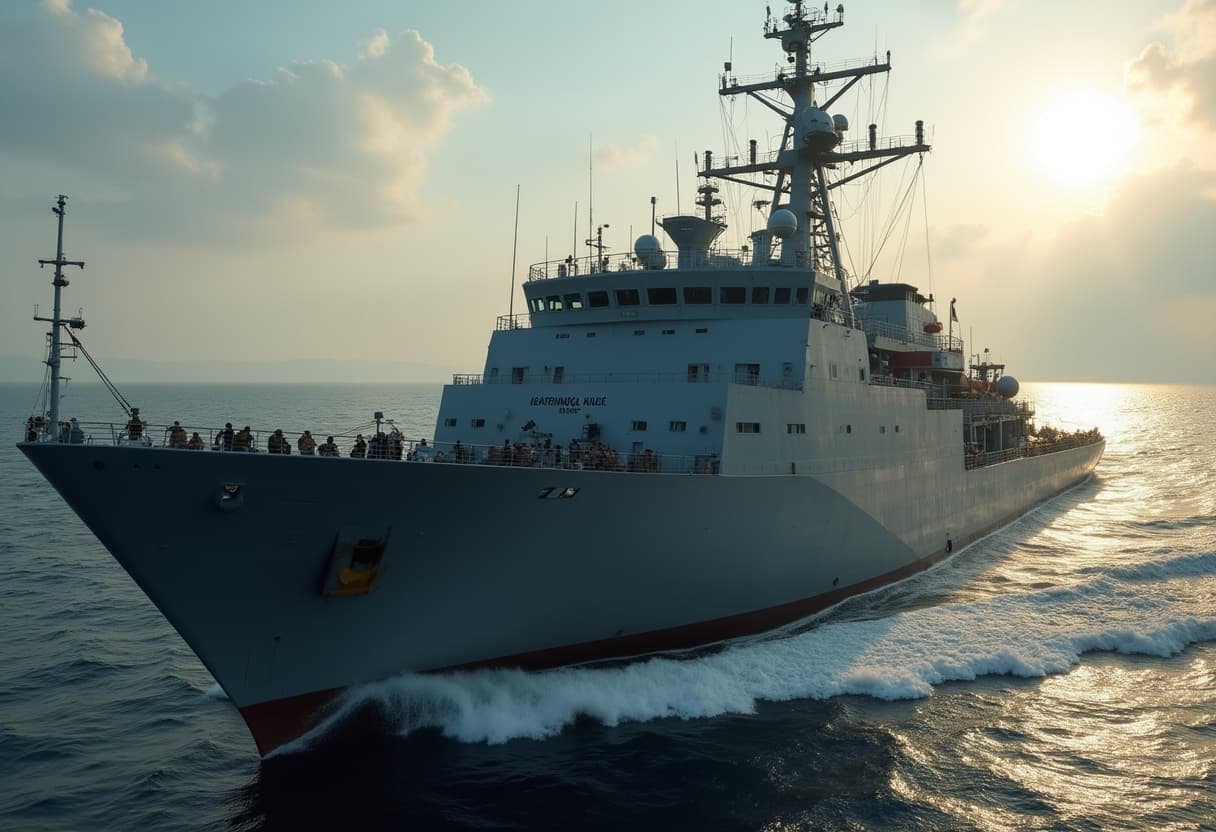
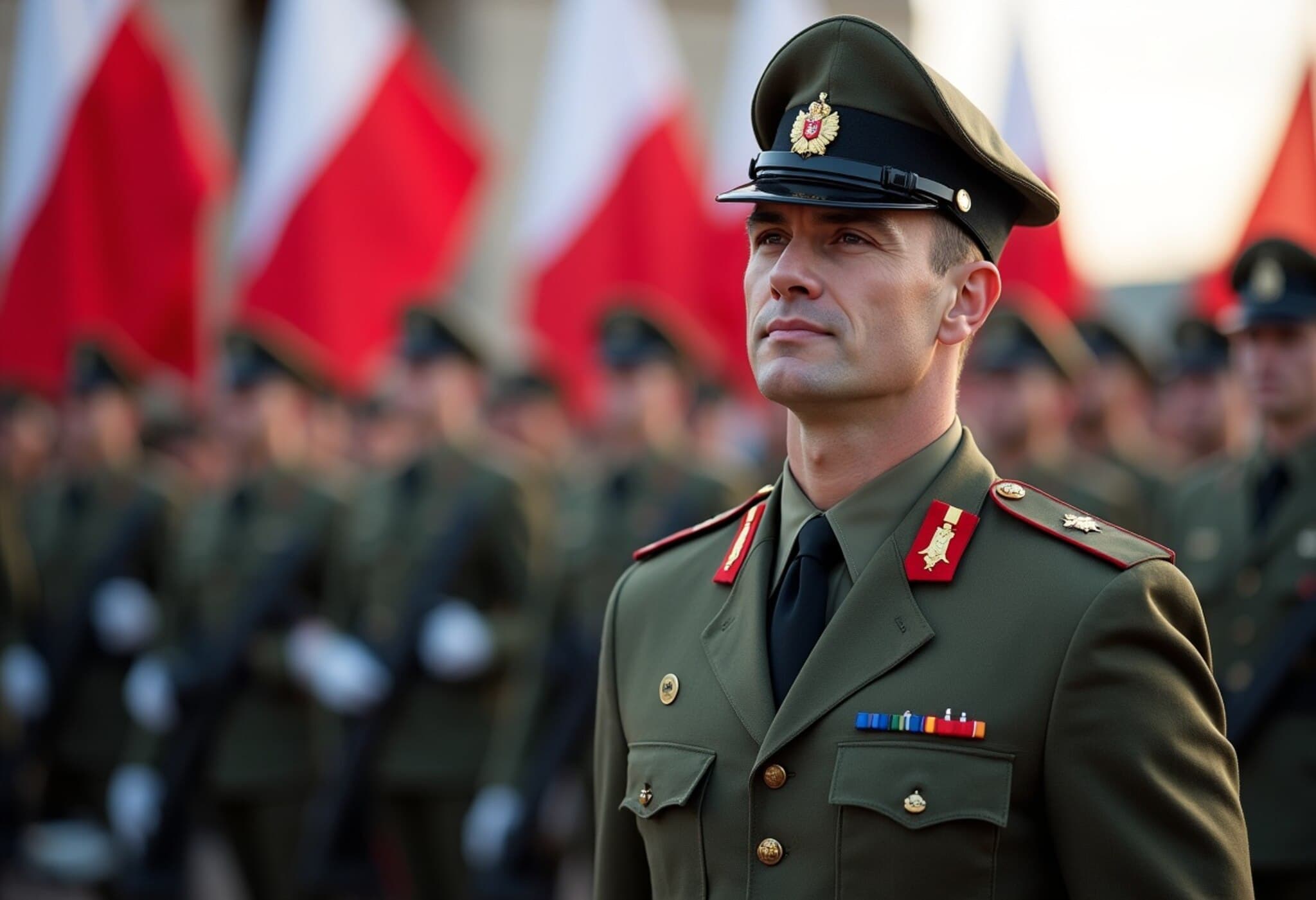
Despite a significant boost in defense spending following recent geopolitical shocks, Germany continues to grapple with challenges in recruitment and training, with active troop strength stabilized at approximately 182,000 personnel. This plateau constrains Berlin’s capacity for new overseas deployments.
Notably, Germany made a historic move in April 2025 by deploying its first permanent armoured brigade abroad since World War II—a 5,000-strong combat-ready force stationed in Lithuania to strengthen NATO’s eastern flank. This commitment underscores Germany’s willingness to support regional security while advising caution about overextending military resources.
Security Guarantees: An International Collaborative Effort
Foreign Minister Wadephul highlighted Germany’s dedication to collaborate with the United States and European partners to forge robust security guarantees for Ukraine. These guarantees might encompass extensive military aid, technical assistance, and diplomatic coordination, yet without stepping into direct combat roles within Ukraine.
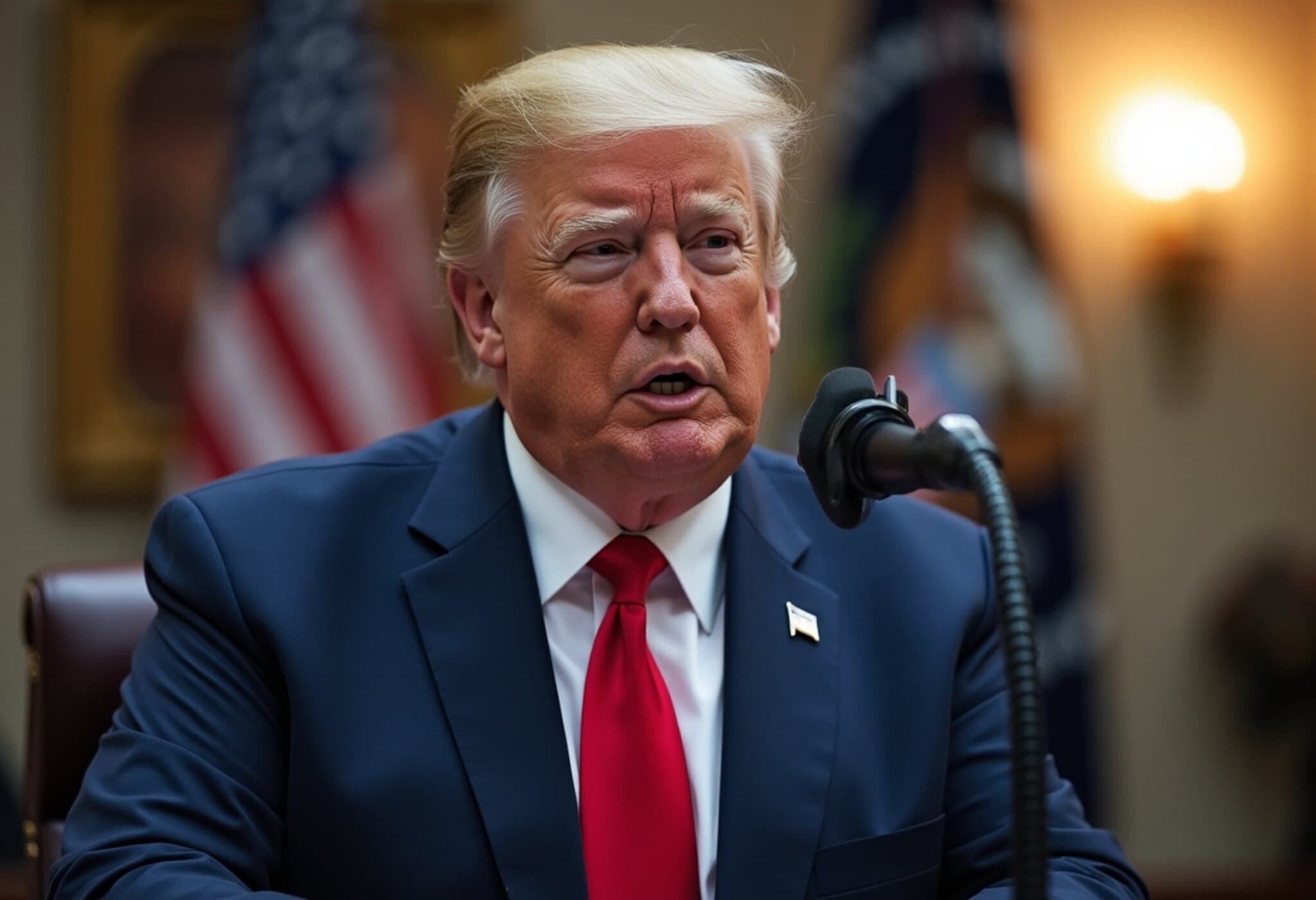
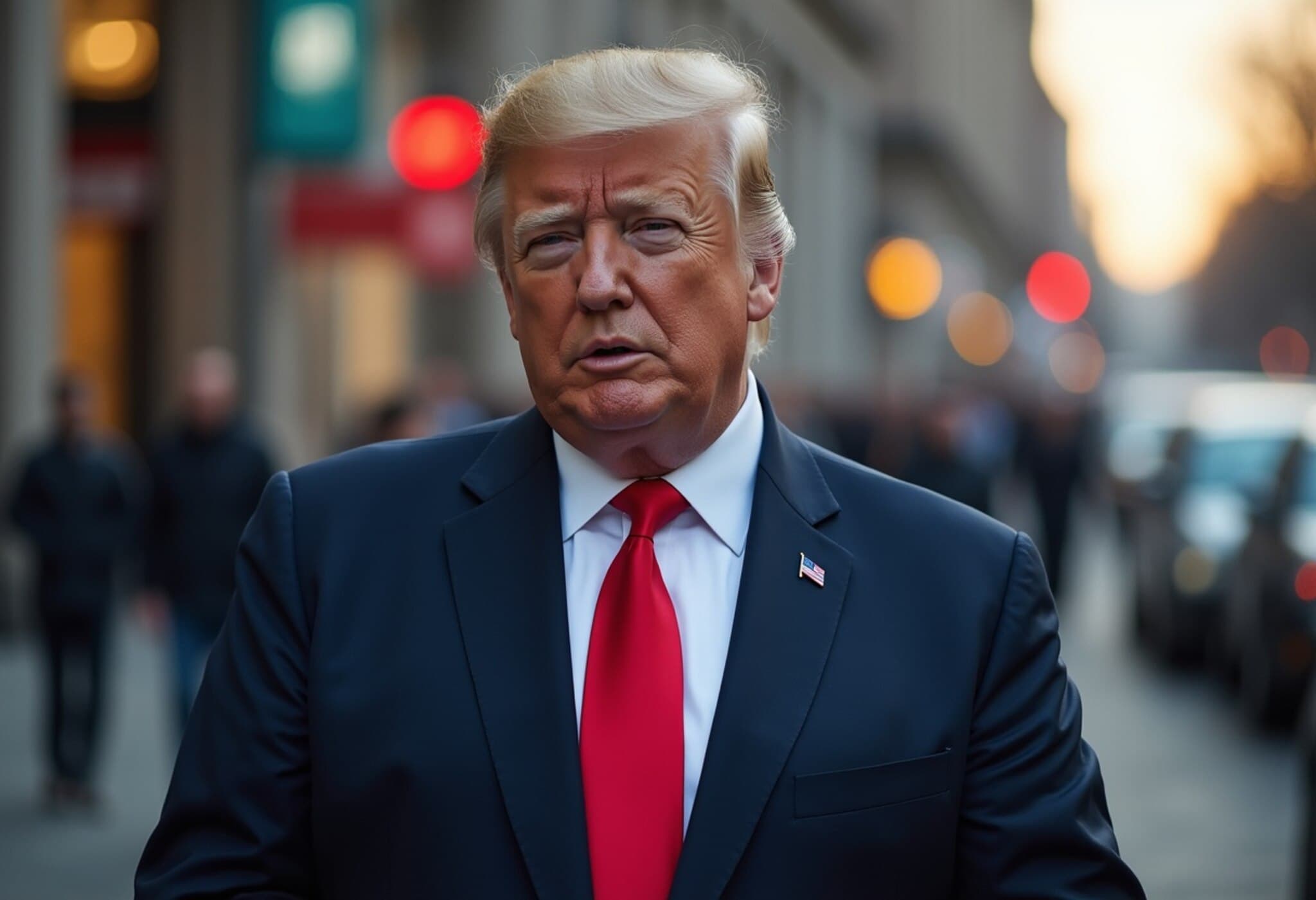
Washington is ramping up dialogue in anticipation of Ukrainian President Volodymyr Zelenskyy’s meetings with U.S. officials and European leaders, where these guarantees will be front and center. Trump’s special envoy, Steve Witkoff, has voiced support for bolstered security pledges and even floated the idea of EU membership for Ukraine, hinting at frameworks similar to NATO’s famed Article 5 mutual defense clause.
Tensions Between Political Will and Military Capacity
While Chancellor Friedrich Merz has left the door open for possible German troop involvement contingent on U.S. actions, German officials remain wary. Deploying a permanent force in Ukraine alongside the Lithuanian brigade risks overstretching the Bundeswehr’s operational limits.
This circumspection reflects not only Germany’s military realities but also domestic political complexities and broader European strategic calculations. The conversation underscores a delicate balance between providing credible deterrence against Russian aggression and adhering to capacity and policy constraints.
The Crucial Question: Will Security Guarantees Without Troops Be Enough?
Ukraine’s leadership faces a pivotal decision: can security assurances devoid of a physical NATO presence effectively deter future aggression? Given former President Trump’s earlier criticisms of NATO’s collective defense commitments, skepticism lingers about whether promises alone suffice without boots on the ground.
German government spokespeople caution that any security guarantee framework will demand meticulous, time-consuming negotiations among NATO allies and partners, emphasizing that “the issue of security guarantees is highly complex” and unfolds over the long term.
Expert Perspective: Navigating the Security Landscape
From a policy analysis viewpoint, Germany’s approach reflects the classic tension in alliance politics—balancing military responsibility with political feasibility. Germany’s reluctance to deploy troops in Ukraine, despite increasing defense investments, highlights the Bundeswehr's current capacity constraints and broader strategic hesitancy in escalating direct military involvement.
Moreover, this situation spotlights critical questions for U.S. and European policymakers around effective deterrence mechanisms beyond troop deployments. The suggestion of an “Article 5-like” clause tailored for Ukraine invites fresh debates on collective defense adaptations in an era marked by hybrid warfare and geopolitical fragmentation.
As peace frameworks are vigorously debated, understanding the limits and possibilities of security guarantees will be vital for shaping a sustainable and credible balance of power in Eastern Europe.
Editor’s Note
Germany’s position offers a nuanced look at the intersection of military capability, alliance solidarity, and the evolving security architecture in Europe. While physical troop deployments remain constrained, Berlin’s commitment to shaping security guarantees underscores an active role in Ukraine’s defense future. Readers are encouraged to consider how these developments might influence NATO’s strategic posture, the prospects for peace in the region, and the broader implications for transatlantic relations moving forward.