Latin American Capitals Challenge President Trump’s Crime Comparisons
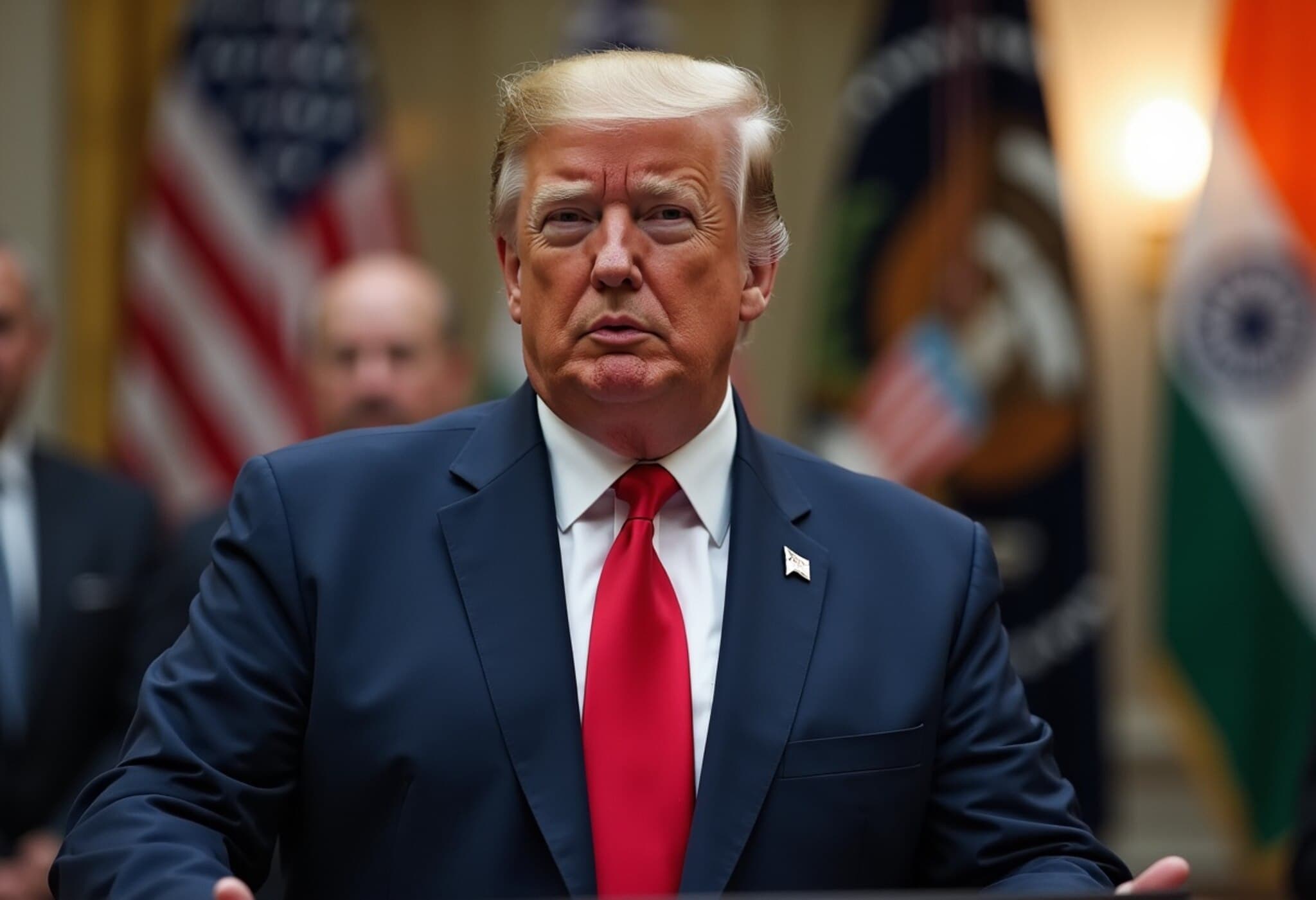
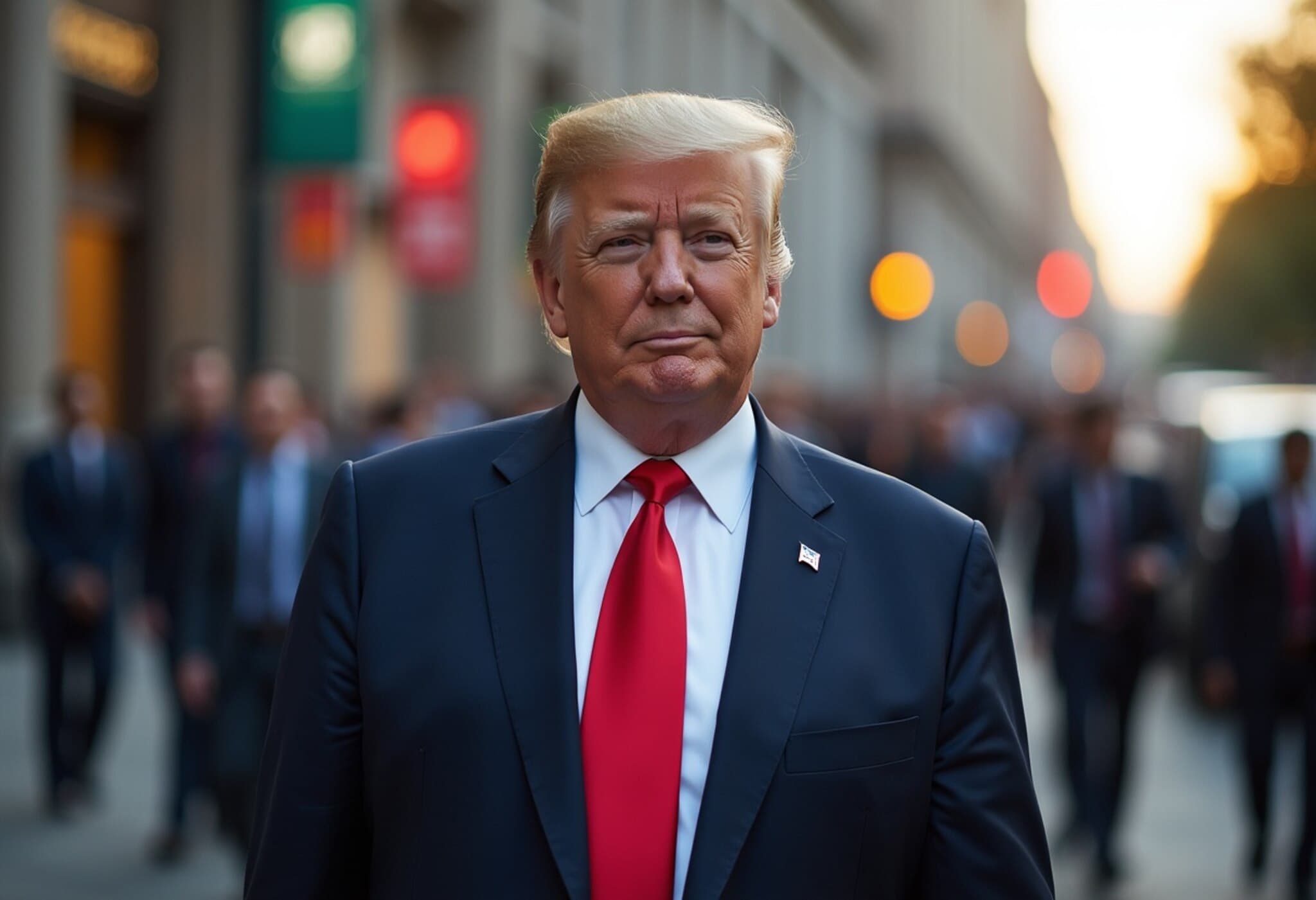
In a recent address announcing a federal takeover of local law enforcement in Washington, D.C., former President Donald Trump drew sharp comparisons between crime rates in the U.S. capital and several Latin American cities. His remarks suggested that Washington’s violent crime surpassed that of major Latin American capitals such as Mexico City, Brasília, and Bogotá. This assertion quickly ignited strong responses from leaders in these cities, who accused Mr. Trump of misinformed and misleading statements.
Mexico City Officials Dispute Crime Allegations
Claudia Sheinbaum, Mexico’s president and former mayor of Mexico City, publicly confirmed that her city has a lower murder rate than Washington, D.C.. She contested Mr. Trump’s claim that Mexico City ranks as one of Latin America’s most dangerous capitals, emphasizing the city’s progress on security.
Current Mexico City Mayor Clara Brugada offered a robust defense, noting that the homicide rate in Mexico City stands at approximately 10 murders per 100,000 inhabitants in 2024, compared to Washington’s 27 per 100,000. “Many parts of the world would envy our safety situation,” she remarked.
While Mexico as a nation grapples with high rates of violence linked largely to organized crime, the capital has often been an exception, maintaining relative safety compared to other cities on the continent and in the United States.
However, Mexico City’s security is not without challenges. In May, the mayor’s office was rocked by the daylight murders of two close aides, an attack Brugada described as a “direct assault” on municipal governance. These incidents serve as poignant reminders of the ongoing security complexities urban centers face.
Brazil’s Capital Brasília Refutes Violent Crime Claims Amid Diplomatic Tensions
In Brazil, Brasília’s governor Ibaneis Rocha sent a formal letter to the U.S. Embassy refuting President Trump’s depiction of the city as a hotbed for violent criminals. Citing official statistics, Rocha highlighted that Brasília’s homicide rate is 6.9 per 100,000 people, significantly lower than suggested.
The letter underscored that comprehensive social programs aimed at reducing street crime, homelessness, and violence have contributed to improved security in the city. Rocha lamented the lack of consistent dialogue between the two countries as a root cause of the misconceptions.
These intercultural and political tensions come at a time when Brazil and the United States face strained relations, particularly following Trump-imposed tariffs on Brazilian goods and political discord linked to former Brazilian President Jair Bolsonaro — a longtime Trump ally — who is currently under legal scrutiny in Brazil.
Colombian President Highlights Bogotá’s Social Progress Over Crime Debate
Colombian President Gustavo Petro responded to Trump’s comments with a focus on social achievements rather than direct crime statistics. He tweeted that Bogotá is “one of the places on earth where not a single child dies of hunger,” presenting it as a model of human development rather than a symbol of violence.
Bogotá did experience a homicide rate of around 15.2 per 100,000 people in 2024, a figure that remains challenging but better contextualized by Colombia’s broader struggles with rural and regional violence rather than urban crime alone.
Bridging the Divide: What Lies Beneath the Crime Statistics Debate?
The dispute over crime rates reflects deeper geopolitical and social narratives. American political rhetoric often uses Latin American crime stories as a cautionary tale, feeding into migration debates and national security concerns. Conversely, Latin American leaders emphasize the nuances behind the numbers, the diversity within their regions, and the progress made through policy and social programs.
Experts caution against simplifying crime statistics into political talking points. Crime is a multifaceted problem influenced by economic disparities, governance quality, social investment, and community resilience. The disparities in violent crime rates between Washington, D.C., and major Latin American capitals challenge long-held stereotypes and suggest the need for more informed, data-driven discourse.
Conclusion
The ongoing exchange highlights the importance of accurate, contextualized information in shaping public perception and international relations. As U.S.-Latin America relations evolve amid trade disputes, migration policies, and shifting political landscapes, rhetoric around crime and safety plays a crucial role in diplomatic and domestic narratives.
Editor’s Note:
- President Trump’s crime comparisons sparked a rare united front from Latin America’s major capitals, emphasizing complexity over headline statistics.
- Understanding urban crime demands careful consideration of socio-political contexts beyond raw numbers.
- This debate invites reflection on how media and political language shape perceptions about safety, migration, and international cooperation.
- For policymakers, weighing accurate crime data and social programs’ effectiveness are crucial steps toward crafting solutions that transcend borders.