
Venezuela Faces Imminent Economic Collapse Amid U.S. Energy Blockade
As the U.S. intensifies its partial blockade on Venezuela’s oil exports, the South American nation is hurtling toward a severe economic crisis that threatens its very survival. According to confidential Venezuelan government estimates, if the blockade remains in place throughout 2026, the country could lose more than 70% of its oil production—its primary source of revenue—sparking a humanitarian disaster coupled with a devastating recession.
Inside Venezuela’s Oil Industry Crisis
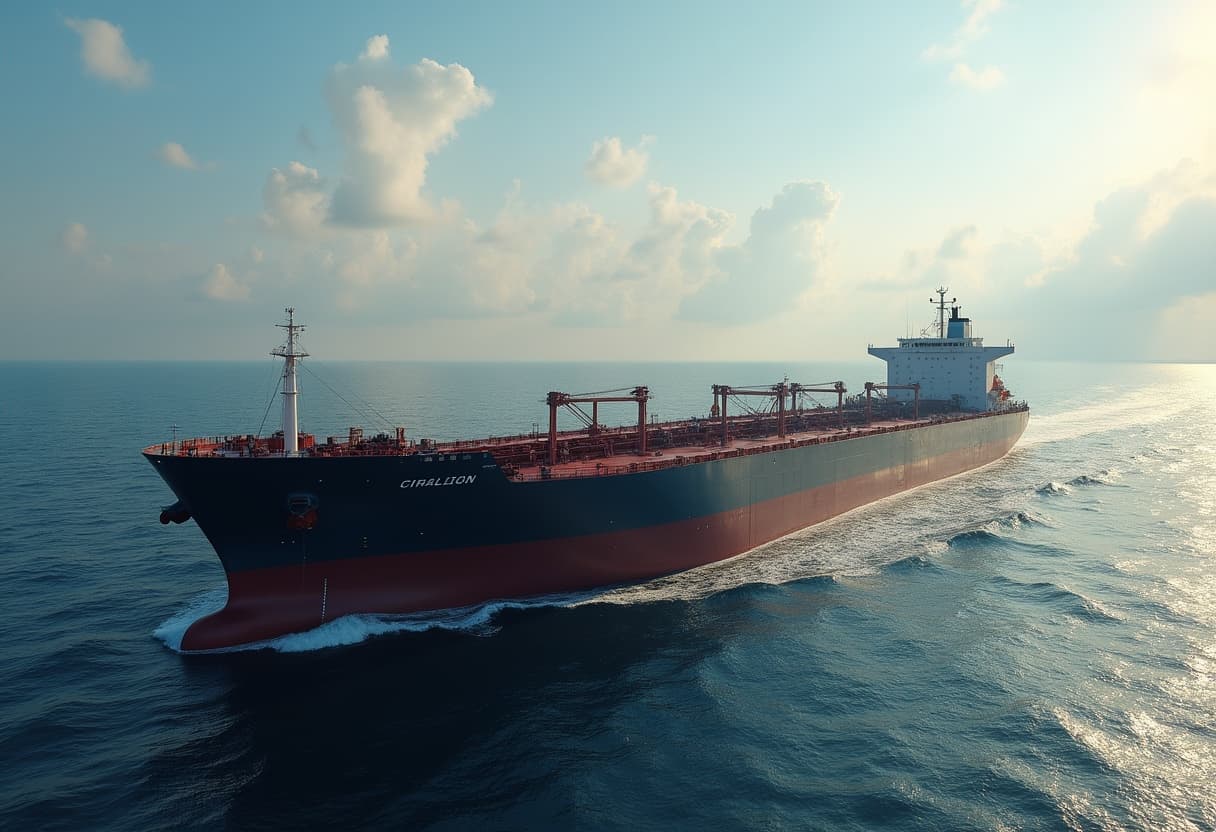
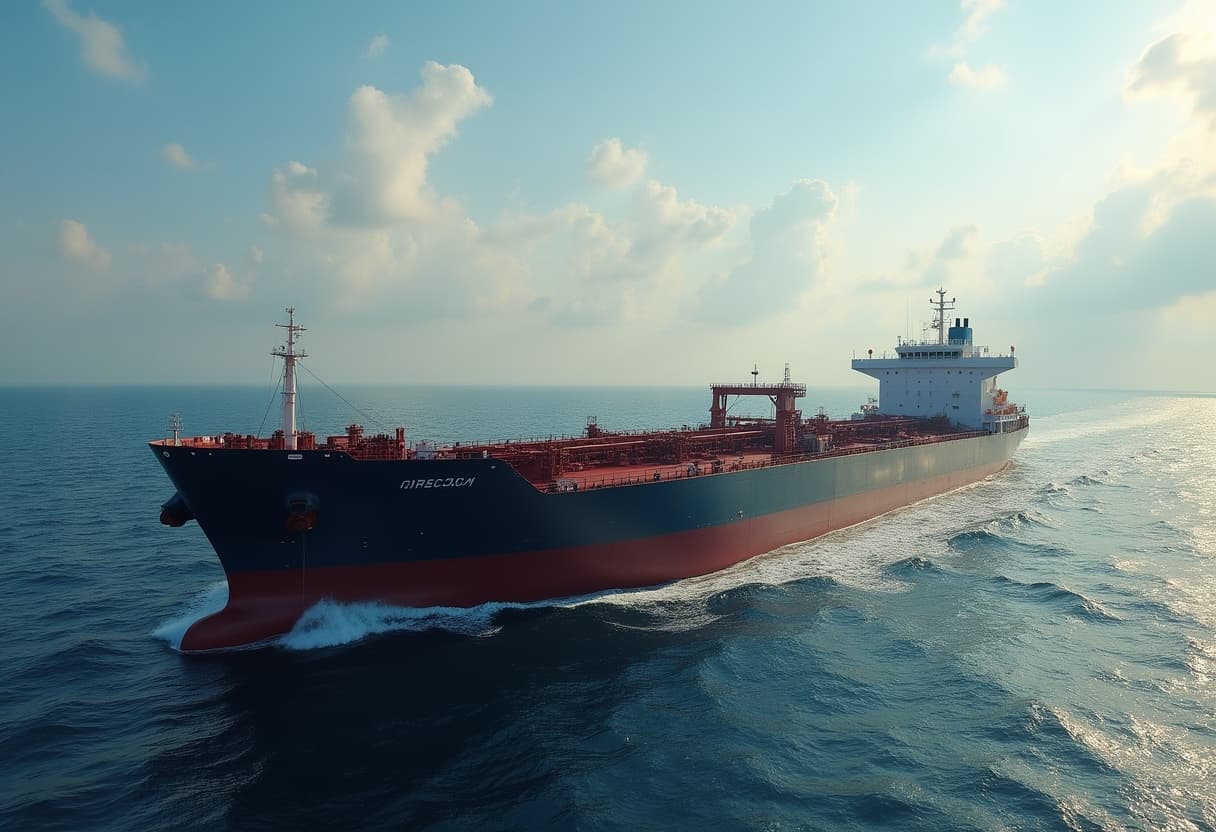
Venezuela’s state oil company, Petróleos de Venezuela, S.A. (PDVSA), has been caught in a tightening noose since the United States began targeting Venezuelan crude exports, notably after recent U.S. actions halted shipments to Asian markets. These sanctions have compelled PDVSA to redirect crude into storage tanks and even transform tankers anchored at ports into floating reservoirs. While this temporary measure delayed an immediate collapse, storage capacity is rapidly approaching its limit, as shipping analytics firm TankerTrackers revealed.
Industry insiders familiar with internal data, speaking anonymously, warn that production could nosedive from approximately 1.2 million barrels per day (bpd) at the end of 2025 down to below 300,000 bpd within 2026 if sanctions persist. Such a drastic drop would cripple the government’s budget and exacerbate shortages of essential goods and services, hitting Venezuela’s already vulnerable population hardest.
Political Turmoil Deepens Uncertainty
The recent seizure of President Nicolás Maduro by U.S. forces adds a volatile layer to an already fragile landscape. Secretary of State Marco Rubio reiterated that sanctions, including the blockade, will continue until Venezuela opens its oil sector to foreign investors—likely prioritizing American companies—to push for political reform and improved conditions for Venezuelans. Rubio emphasized on CBS’s "Face the Nation" that this economic leverage remains a key tool to promote U.S. national interests and help the Venezuelan people.
However, Venezuela’s current interim government is actively challenging these restrictions. Evidence suggests that at least 16 sanctioned oil tankers have attempted to evade U.S. monitoring by masking locations or disabling tracking signals—efforts that, if successful, could grant Venezuela a reprieve to recalibrate its strategies.
Chevron: A Lone American Lifeline
In the worst-case scenario unfolded in government projections, Venezuela’s oil production sinks to levels operated solely by Chevron, the only American company authorized to operate under the sanctions. Chevron holds a unique license from the Trump administration allowing it to continue shipments, but with significant restrictions. While Chevron’s operations continue, their payments are mostly non-monetary—compensating PDVSA with portions of crude rather than direct cash—which hampers government revenues.
This limitation not only restricts immediate fiscal relief but also puts strain on Venezuela’s storage and sales capabilities, foreshadowing operational difficulties months ahead. A precipitous decline in oil production and revenue would force PDVSA to furlough tens of thousands of employees and slash benefits, deepening the social and economic wounds.
Economic Recovery Reversed and Broader Implications
Before the crackdown, Venezuela had seen glimmers of recovery from years of hyperinflation and scarcity, but the strengthened economic pressure campaigns have undone much of this progress. Francisco Rodríguez, a noted Venezuelan economic expert at the University of Denver, points out that the oil sector not only accounts for about 40% of public revenue but underpins the broader economy since many other industries rely on oil earnings for financing and imports.
Analysts note that the blockade also limits Venezuela’s ability to participate in global markets, including with China, its largest oil purchaser. However, geopolitical shifts suggest that China might compensate by sourcing oil from other partners, such as Iran or Russia, rather than pushing the U.S. to ease sanctions.
Historical Context and Future Outlook
Venezuela’s oil industry has weathered previous shocks, including a historic strike in 2002 and production slumps during the Trump administration’s earlier sanctions, which saw output drop to roughly 350,000 bpd. The government’s firm control over security forces has so far averted collapse, while diversification efforts into gold and mineral exports have partially offset oil losses.
Yet, economic experts caution that the human toll of another collapse could be catastrophic. Rodríguez starkly warns, "We would see a massive recession, and with it, either famine or mass migration.” The political stalemate and economic strain leave Venezuela at a crossroads that will redefine its future and the well-being of millions.
Expert Insights and Critical Questions
- Can the interim government navigate diplomatic overtures—such as Delcy Rodríguez’s recent call for cooperation with the U.S.—to ease sanctions without compromising sovereignty?
- What role might Chevron and other foreign companies realistically play in stabilizing Venezuela’s oil sector amid legal and operational constraints?
- How might continued sanctions affect regional migration patterns and global energy markets in the long term?
- Could there be alternative diplomatic or multilateral strategies that balance geopolitical interests with humanitarian imperatives?
Editor’s Note
Venezuela’s current plight highlights the complex interplay of geopolitics, energy markets, and human welfare. While U.S. sanctions aim to incentivize political reform, their unintended consequences risk exacerbating humanitarian crises that reverberate beyond borders. As the blockade tightens, the resilience of Venezuela’s people and institutions will be tested like never before. This unfolding story urges us to consider not only the effectiveness of economic pressure as foreign policy but also the necessity to address the human dimension in tandem.