U.S. Seizures Expose Venezuela’s Economic Vulnerability
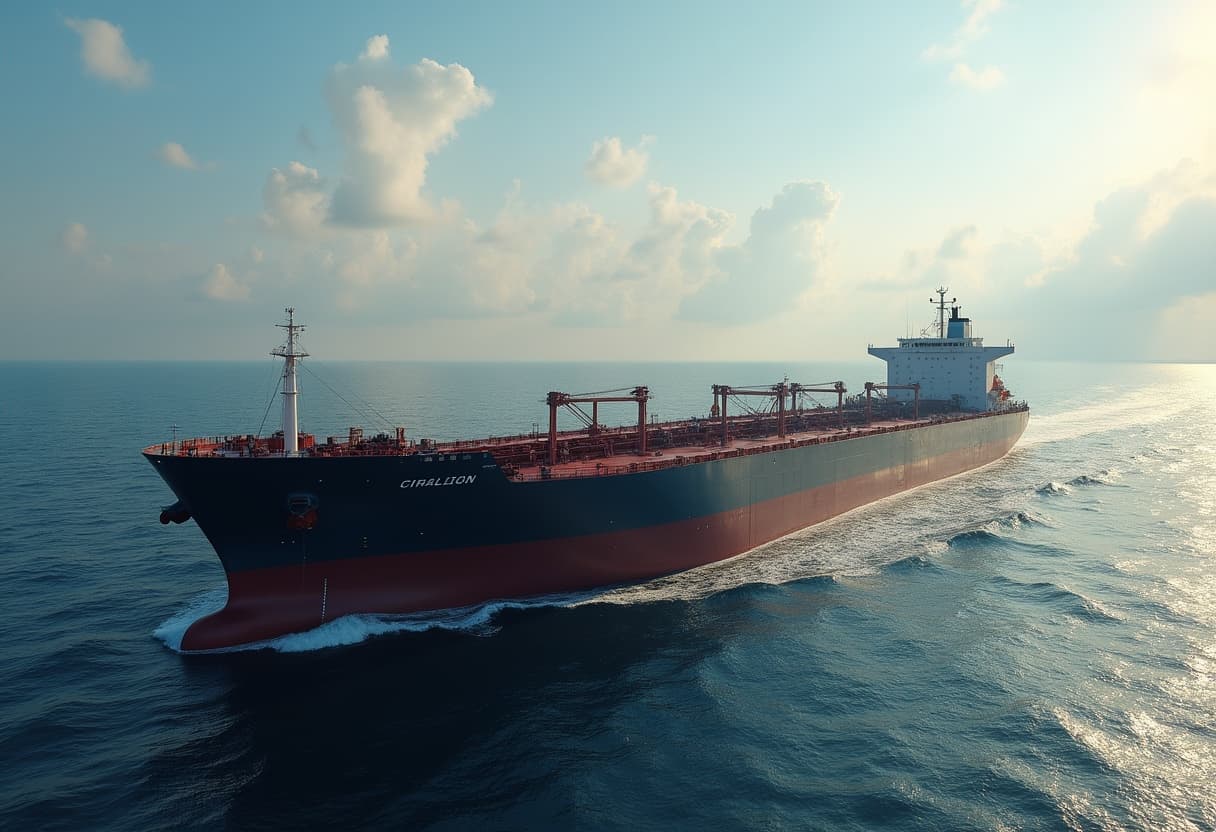
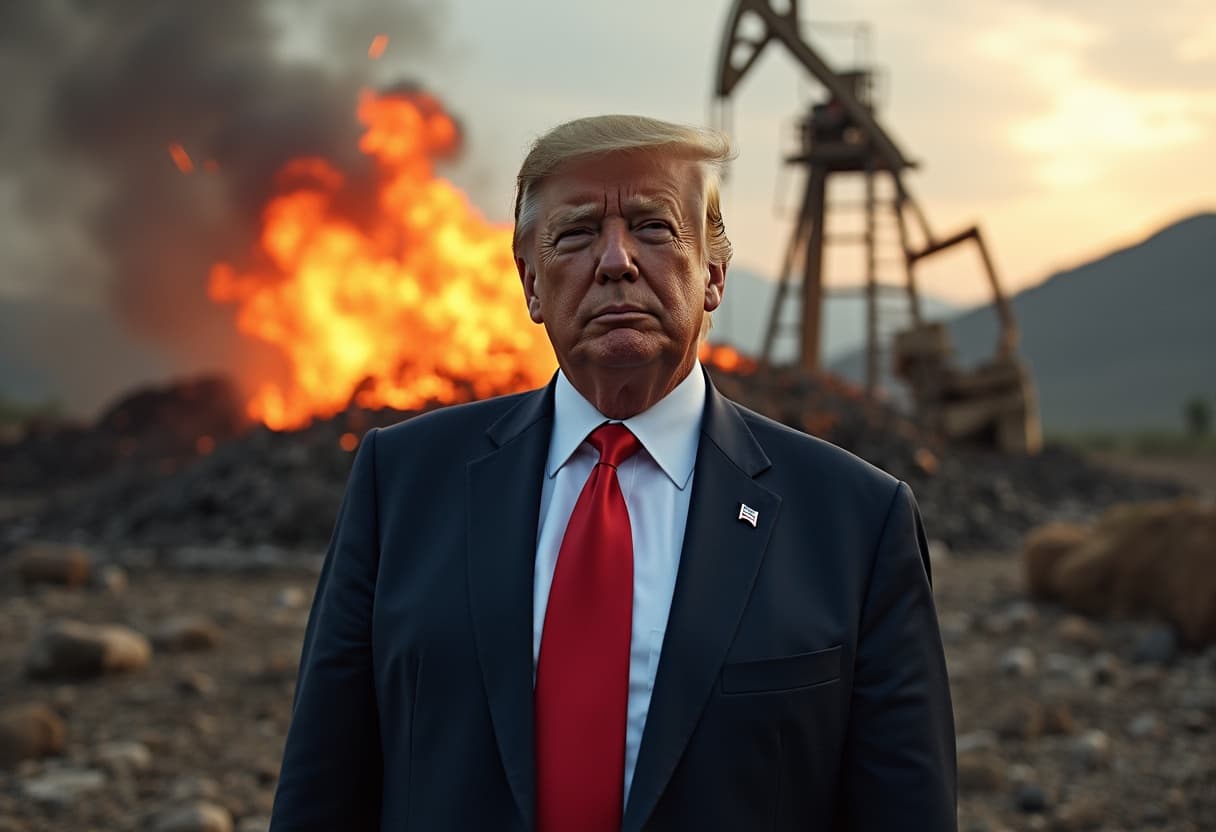
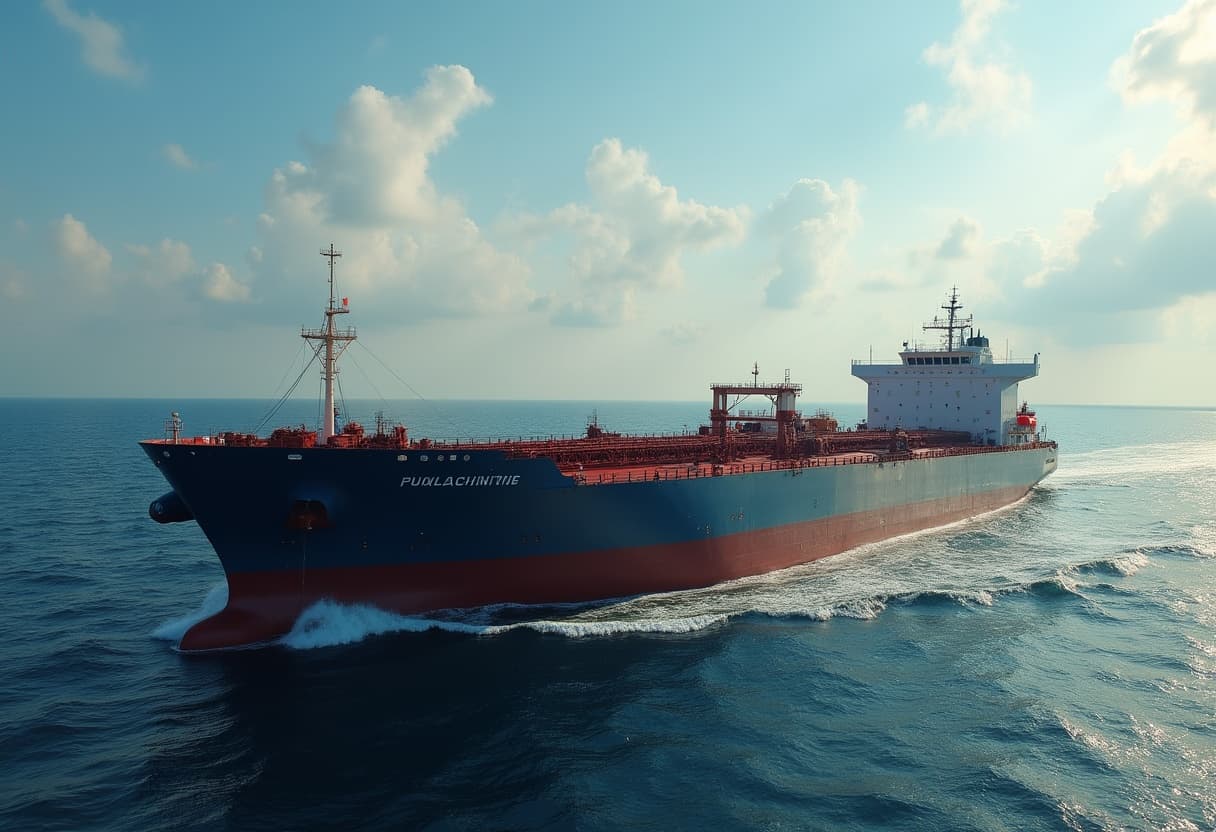
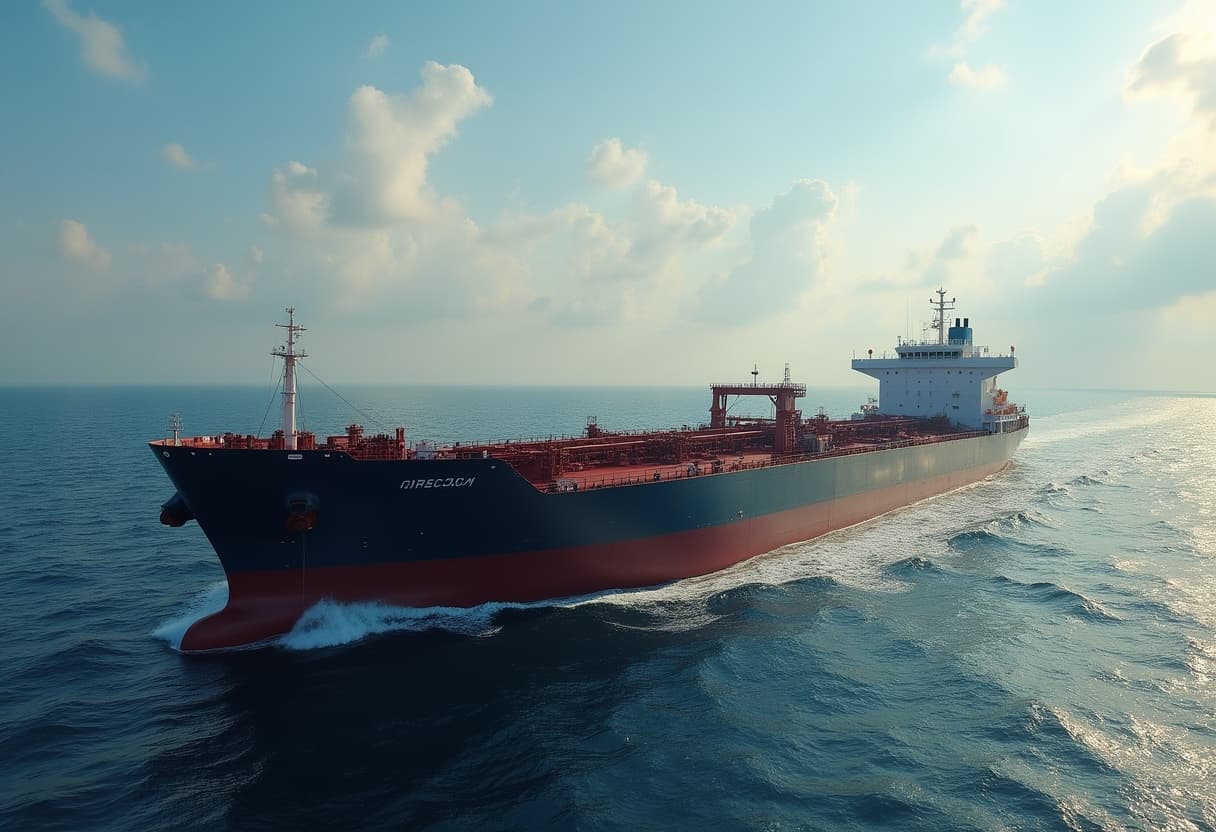
In a dramatic escalation of tensions between Washington and Caracas, the recent seizure of an oil tanker off Venezuela’s coast has spotlighted an undeniable truth: oil remains the cornerstone of Venezuela’s fragile economy. For decades, Venezuela has depended almost exclusively on its vast petroleum resources to fuel government operations, maintain crucial defense systems, and import everyday essentials such as food.
Why Oil Is Venezuela’s Economic Lifeblood
Despite Venezuela’s untapped wealth in rare earth minerals, fertile lands, and even alluring Caribbean coastlines, none of these assets currently rival the dominance of its oil sector. In fact, nearly 95% of Venezuela’s export earnings come from petroleum and related products, underscoring the country’s overwhelming reliance on this commodity.
The Scale of Venezuela’s Oil Reserves
According to estimates from the Oil & Gas Journal for 2025, Venezuela holds the world’s largest proven oil reserves. While this positions the nation as a potential global energy powerhouse, ongoing political and economic turmoil, compounded by international sanctions, limits its ability to capitalize on these resources fully.
The Economic Impact of Tanker Seizures
- Revenue Loss: Each tanker seized translates directly into lost governmental income needed to sustain national operations.
- Supply Chain Disruptions: Interruption in oil exports could force Venezuela to drastically mark down prices to attract willing buyers, adversely affecting its already strained economy.
- Increased Isolation: Further seizures risk pushing Venezuela into deeper economic isolation, intensifying hardship for ordinary citizens reliant on imports funded by oil revenue.
Economists warn that a continued clampdown on oil shipments may trigger a vicious cycle: With dwindling income, Venezuela’s ability to maintain infrastructure and social programs falters, which in turn destabilizes the country further.
Geopolitical Context and U.S. Policy Considerations
The United States administration’s decision to target oil shipments is a calculated move aimed at pressuring the Venezuelan government over human rights concerns and democratic backsliding. However, the strategy raises critical questions:
- Will economic pressure effectively pave the way for political change or inadvertently worsen humanitarian conditions?
- How can external actors balance sanctions with the need to prevent civilian suffering?
- Can international diplomacy find a sustainable path that leverages Venezuela’s natural wealth without exacerbating crisis?
Beyond Oil: Untapped Potential and the Road Ahead
While oil dominates, Venezuela’s future may hinge on diversifying its economy to reduce vulnerability to external shocks.
- Mineral Wealth: The country’s rare earth elements could serve as strategic resources in global technology supply chains if properly developed.
- Agriculture & Tourism: Fertile lands and pristine beaches offer opportunities for sustainable growth, which requires political stability and investment.
But harnessing these sectors demands structural reform and enhanced international cooperation.
Expert Insight
Dr. Elena Ramirez, an expert in Latin American energy economics, notes, "Venezuela’s oil dependence makes its economy incredibly susceptible to geopolitical moves and market fluctuations. Cutting off oil revenues is a double-edged sword—it pressures the government but risks deepening the humanitarian crisis unless accompanied by measured diplomatic efforts."
Editor’s Note
The recent U.S. seizure of Venezuelan oil tankers underscores the geopolitical chess game playing out with real human stakes. While sanctions and seizures aim to challenge authoritarianism, they carry the risk of strangling the economic resources that sustain everyday life for millions. This evolving situation demands close attention—not simply from policymakers but from global citizens attuned to the intricate balance between pressure and humanitarian responsibility.
What remains clear: Venezuela’s vast oil wealth offers both a lifeline and a battleground, where economics, politics, and humanitarian concerns intersect in complex and consequential ways.