U.S. Sanctions Severely Impact Venezuelan Oil Exports
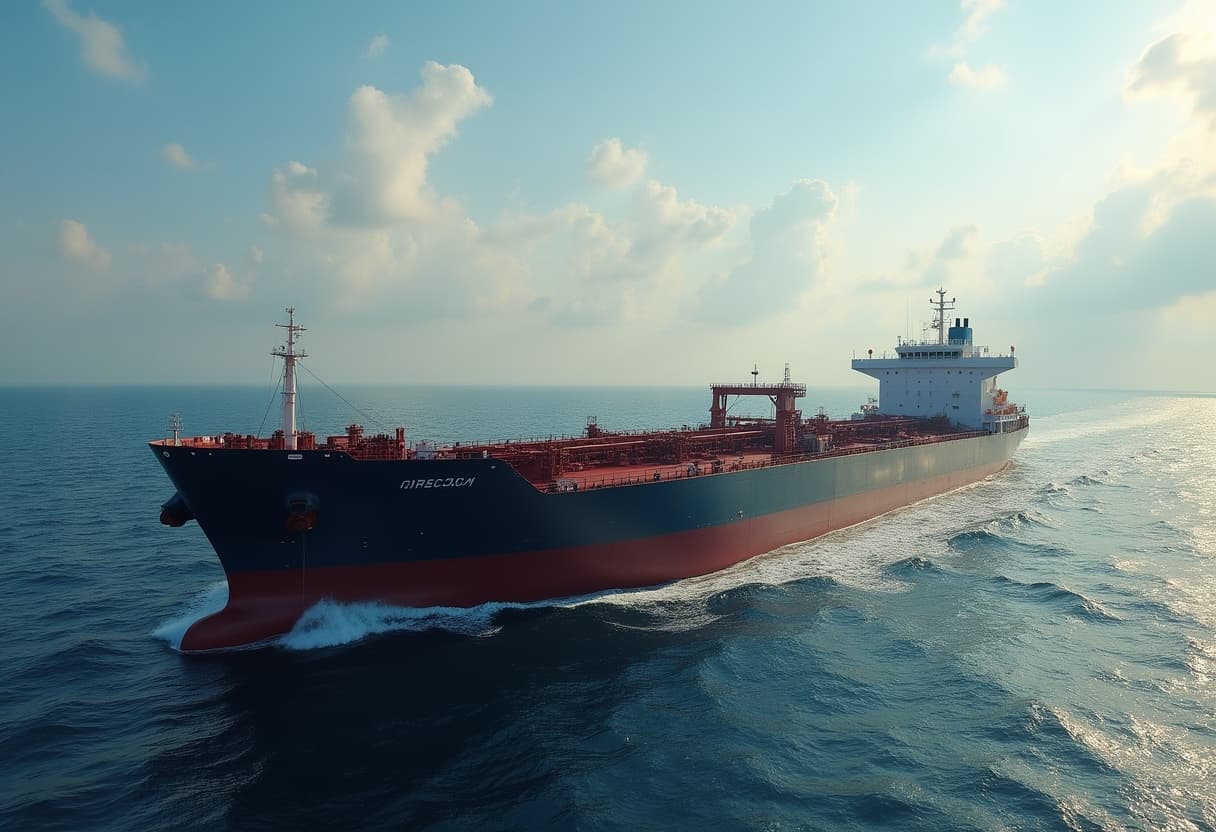
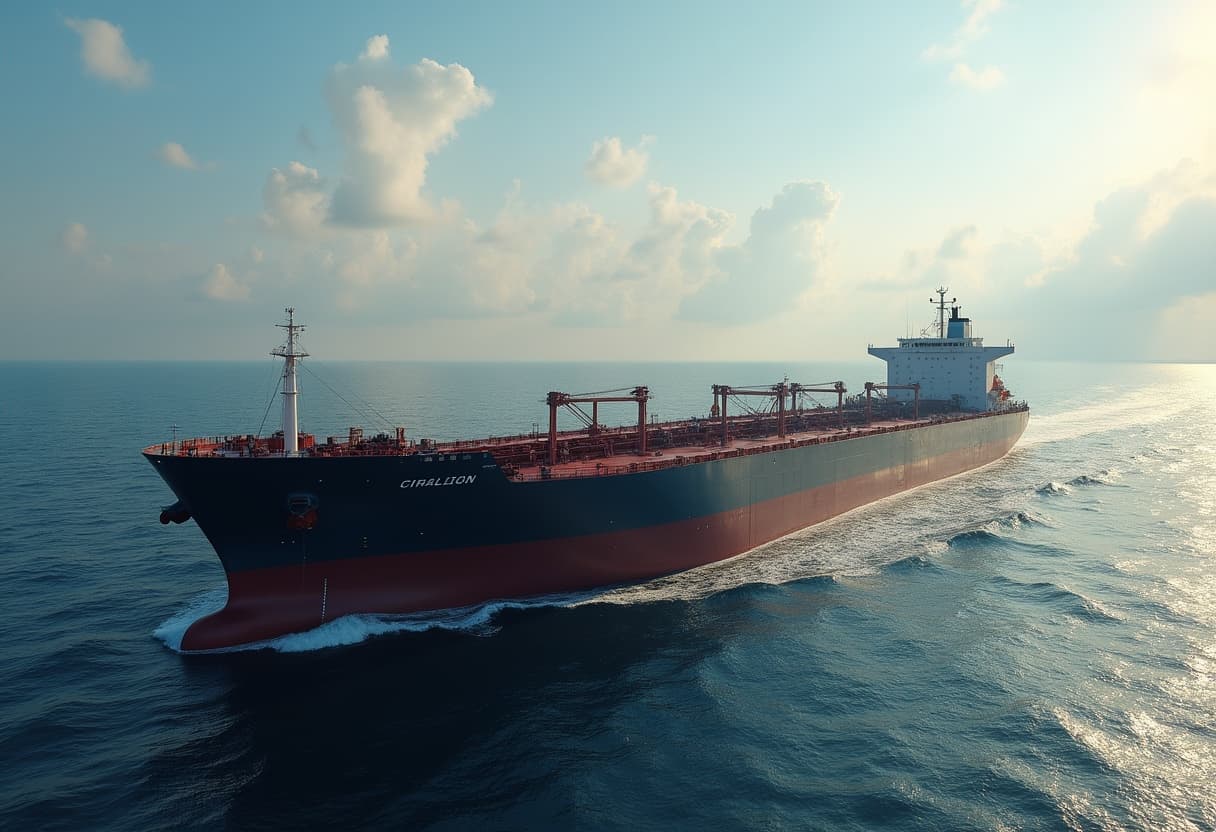
In a bold strategic move, the United States has ramped up efforts to choke off Venezuela's oil exports, striking directly at the oil tankers that transport the country's crucial crude shipments. Since December 10, 2025, following the seizure of the tanker Skipper—laden with Venezuelan oil—the already fragile Venezuelan oil industry has been thrown into turmoil.
The Strategic Chessboard: How U.S. Actions Are Paralyzing Venezuela
The U.S. government, under President Donald Trump's administration, has intensified pressure on President Nicolás Maduro’s regime by targeting three key vessels involved in the shipping of Venezuelan crude. The latest actions reportedly include:
- Seizure of the tanker Skipper as it exported oil toward Asia
- Intervention against a second tanker, despite it not being currently sanctioned by the U.S.
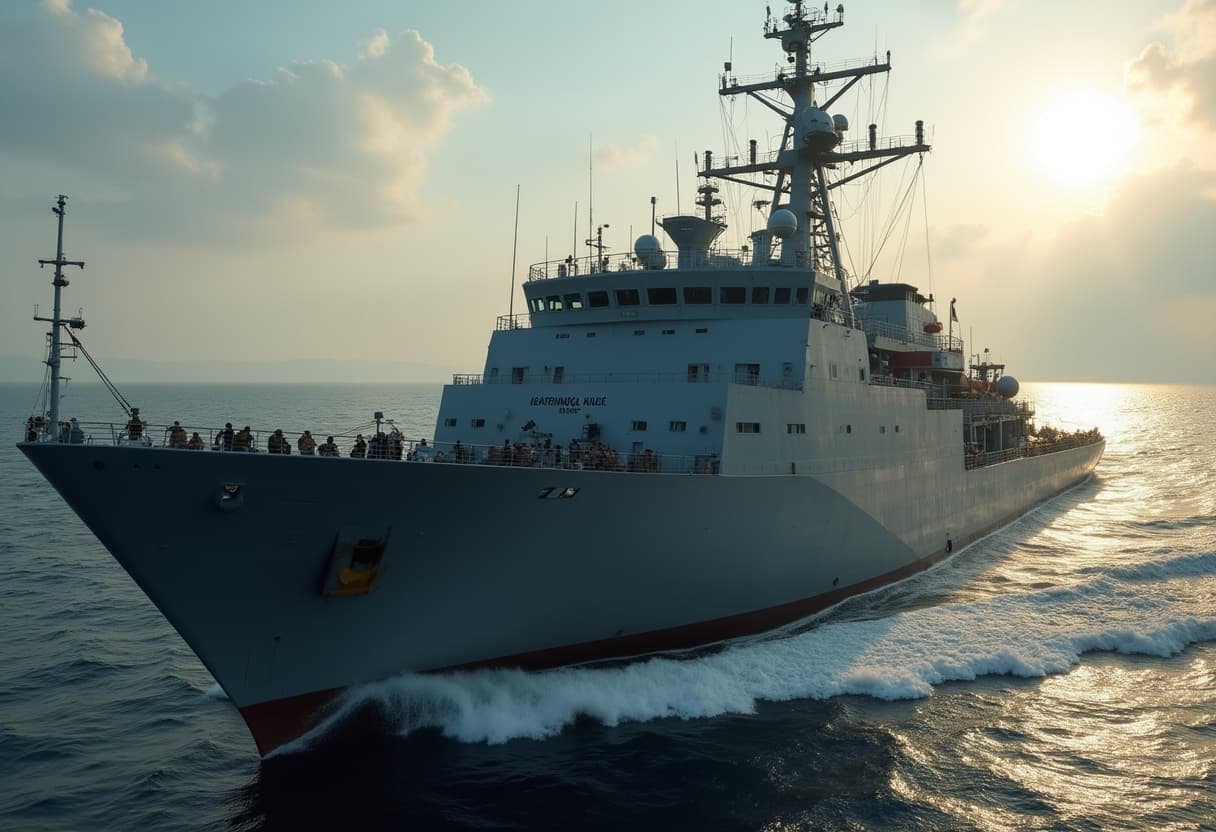
- U.S. Coast Guard detaining a third tanker en route to Venezuela for cargo pickup
These developments stem from the U.S.’s broader sanctions strategy aimed at tightening the noose on Maduro’s government and its oil-dependent economy, which remains the country's primary source for foreign currency.
The Ripple Effects at Venezuelan Ports
According to insider accounts from Venezuelan oil industry experts—who spoke under anonymity given the sensitivity of the issue—Venezuela's ports are currently congested with oil tankers unable to proceed due to fears of interception in international waters. Shipping data reveals a concerning pattern of vessels reversing course mid-journey, effectively aborting their export missions. Concurrently, shipowners are increasingly wary, canceling contracts amid rising risks of penalties linked to U.S. sanctions enforcement.
Economic and Political Implications
Oil constitutes a staggering majority of Venezuela’s income from foreign trade. This clampdown hits the economy where it hurts most, exacerbating the country’s deep financial crisis and further destabilizing Maduro’s hold on power. The disruption intensifies existing humanitarian challenges and raises critical questions about the international community’s long-term objectives in the region.
Expert Insight: Understanding the U.S. Strategy
From a policy perspective, the U.S. crackdown signals an escalation beyond mere economic sanctions, leveraging maritime law enforcement to enforce geopolitical aims. By disrupting oil shipments—a pivotal revenue stream—the U.S. hopes to pressure Maduro into political concessions or regime change. However, experts warn that this tactic may deepen the humanitarian crisis and entrench adversarial strains with global players who have vested interests in Venezuela's oil sector, such as China and Russia.
Broader Regional Context
The U.S. actions resonate within a wider geopolitical landscape, reflecting a contest of wills in Latin America. Venezuela's oil export blockade not only affects domestic markets but also ripples through global oil supply chains, potentially influencing crude prices and energy security. Moreover, the move stokes debate about sovereignty, the legality of maritime seizures, and international diplomacy amid mounting tensions.
What Lies Ahead?
As the stand-off continues, key questions emerge:
- Will Maduro’s government find alternative export routes or partners circumventing U.S. sanctions?
- How will prolonged disruption of oil exports impact the Venezuelan populace suffering ongoing economic hardship?
- What diplomatic avenues remain to deescalate tensions without further economic devastation?
The coming months will be decisive in shaping Venezuela's economic landscape and the broader geopolitical balance in Latin America.
Editor's Note: The U.S. crackdown on Venezuelan oil exports signals a high-stakes gamble with profound consequences beyond the trade sphere. While aimed at curbing the Maduro regime’s influence, it also risks deepening a humanitarian emergency and straining international relations. Readers should watch closely for how this maritime enforcement tactic interfaces with global energy markets and regional politics, and consider the broader ethical questions about sanction strategies during political conflicts.