Canadian Provinces Reintroduce U.S. Liquor in Response to Ongoing Tariff Disputes
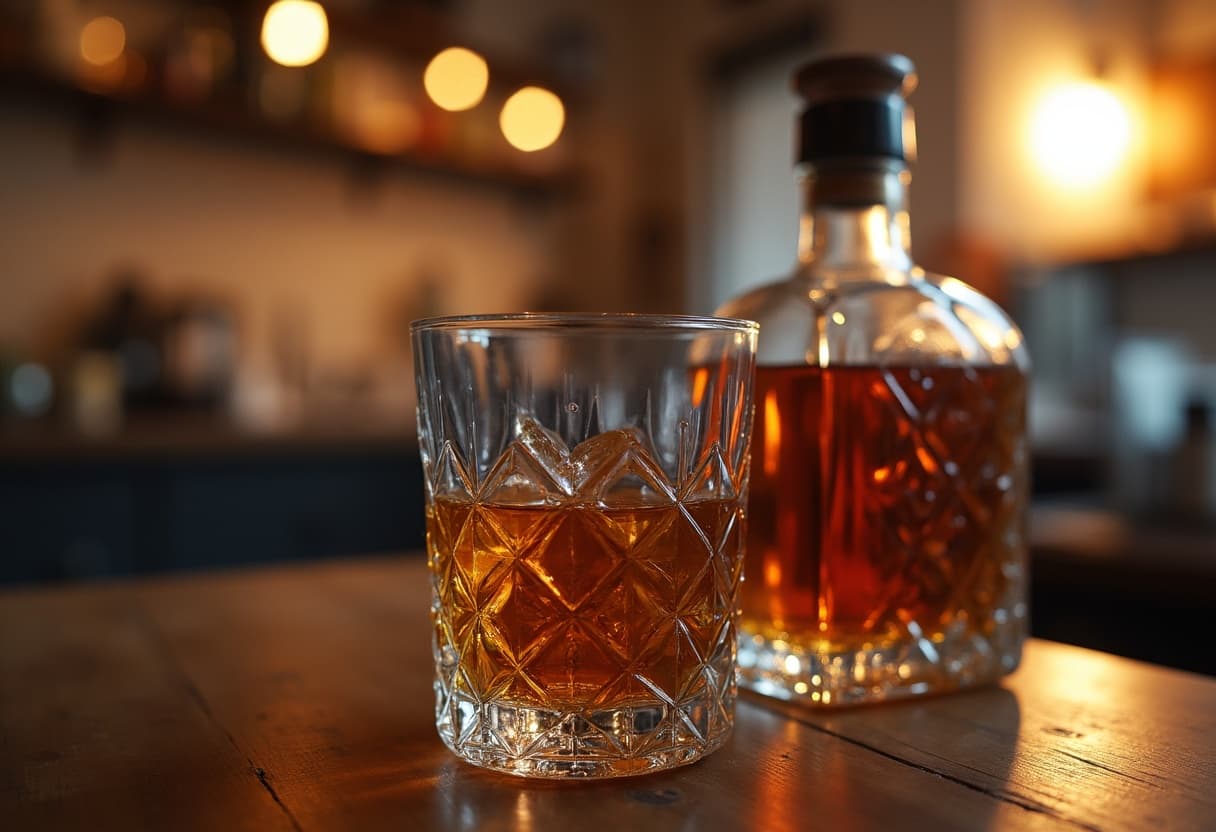
After months of removing American-made spirits from store shelves in protest against tariffs imposed by the U.S. government, several Canadian provinces have begun selling their stockpiles of U.S. liquor. This move has sparked a buying frenzy among consumers eager to enjoy favorites such as Tennessee whiskey and Kentucky bourbon once again — at least temporarily.
The Background: Trade Disputes and a Liquor Boycott
The saga began in early 2025 when the Trump administration imposed tariffs on a range of Canadian goods, including alcoholic beverages. In response, provinces including Manitoba, Nova Scotia, Prince Edward Island, and Newfoundland and Labrador withdrew American liquor products from retail shelves as an act of economic protest.
For these regions, the boycott symbolized both economic resistance and a show of national solidarity. However, with inventories of American spirits piling up, local governments have now opted to sell off their stockpiles rather than let them languish unused, while standing firm on their broader opposition to the tariffs.
A Temporary Reprieve for Bourbon Lovers
Consumers have responded swiftly. Manitoba, for example, kicked off sales at government-run liquor stores on December 10, seeing daily lines and brisk purchases of brands like Jack Daniels and Bacardi. Manitoba Premier Wab Kinew remarked, “There have been lines every day. People are stocking up.”
This enthusiasm echoes similar sentiments in other provinces. Nova Scotia, which had $14 million worth of American liquors warehoused, launched sales December 1, with top sellers including Maker’s Mark and Buffalo Trace bourbons. Prince Edward Island, after shelving its inventory for months, began sales last Thursday with proceeds earmarked for local food banks — blending commerce with community support.
Economic and Political Nuances
Despite the sales, all four provinces affirm they won’t be reordering American spirits while tariffs remain. Nova Scotia Premier Tim Houston emphasized, “We are prioritizing local producers and Team Canada solidarity.” Ontario, carrying an estimated $80 million stockpile, is deliberating on the fate of its inventory, while Quebec has released some liquor stocks through charitable fundraisers.
Industry observers have noted a sharp drop in U.S. spirits exports to Canada—down significantly when compared year-over-year after the tariff penalties. Chris Swonger, president of the Distilled Spirits Council of the United States, lamented the economic damage: “It has been devastating for the U.S. liquor industry.”
Swonger advocates for renewed trade negotiations that facilitate mutual market access and benefit both nations. His remarks underscore a critical tension: while the provinces’ sales of existing stockpiles mitigate losses, the tariffs continue to strain bilateral economic ties.
A Broader Perspective: What This Means for U.S.-Canada Trade
This episode illustrates how trade disputes reverberate beyond tariffs and markets—they affect consumers’ everyday choices and perceptions of cross-border relations. Canadian consumers’ quick embrace of American bourbons reveals enduring cultural and taste ties, even amid political friction.
Meanwhile, provinces balance economic pragmatism and political principle: selling stockpiles to avoid waste and support charities, yet resisting full normalization until trade disagreements resolve.
As Premier Kinew expressed, the path forward hinges on solid trade agreements that respect both sides’ interests. Until then, Canadian palates can savor American spirits only in limited quantities, while celebrating their homegrown whiskey heritage.
Expert Insight
From a policy analyst’s viewpoint, this situation highlights the delicate interplay between domestic political responses and international trade policy. Tariffs designed as leverage in trade talks can spiral into consumer backlash and economic losses for producers. Furthermore, the use of liquor—often a symbol of cultural identity—as a trade tool adds an emotional dimension to an already fraught relationship.
Economically, the temporary sales mitigate inventory losses and help local charities, a strategic move that softens domestic dissent. However, the absence of new purchases signals ongoing disruption to supply chains and cross-border commerce.
Key Questions Moving Forward
- Will Canadian provinces ultimately resume purchasing U.S. spirits if tariffs are lifted?
- How might prolonged trade conflicts reshape North American alcohol markets and consumer preferences?
- What role can diplomatic negotiations play in reducing economic tensions without alienating local producers?
Editor’s Note
The unfolding boycott and subsequent sale of American liquor in Canada offer a window into how trade disputes directly affect everyday lives and markets. While provincial governments navigate the fine line between protest and pragmatism, consumers express complex loyalties—torn between supporting local industries and craving the familiar flavors of American spirits. This nuanced interplay invites us to consider the human side of trade policies and the importance of constructive dialogue to restore balance and goodwill between neighbors.