
U.S. Removes Sanctions Against Brazilian Supreme Court Justice Alexandre de Moraes
In a significant shift marking evolving diplomatic priorities, the United States announced on December 12, 2025, that it has lifted sanctions against Brazilian Supreme Court Justice Alexandre de Moraes. The sanctions, initially imposed in July under the Global Magnitsky Act, targeted Moraes following his role presiding over the conviction and imprisonment of former President Jair Bolsonaro for efforts to undermine Brazil's 2022 presidential election.
Background: Sanctions Under the Magnitsky Act
The Global Magnitsky Act empowers the U.S. government to freeze assets and impose travel bans on foreign individuals accused of human rights abuses or corruption. Justice Moraes and his wife, Viviane Barci de Moraes—a legal professional whose firm Instituto Lex was also sanctioned—were placed on this registry in an unprecedented move that sparked diplomatic tension between Brazil and the U.S.
Reasons Behind the U.S. Decision to Lift Sanctions
A senior official from the Trump administration, which first levied the sanctions, stated that continuing to maintain restrictions against Moraes no longer aligns with current U.S. foreign policy objectives. While the Treasury Department's announcement did not elaborate on specific factors influencing this reversal, it likely reflects shifting geopolitical landscapes and the desire to recalibrate relations with Brazil under President Luiz Inácio Lula da Silva's administration.
Reactions from Brazilian Leadership
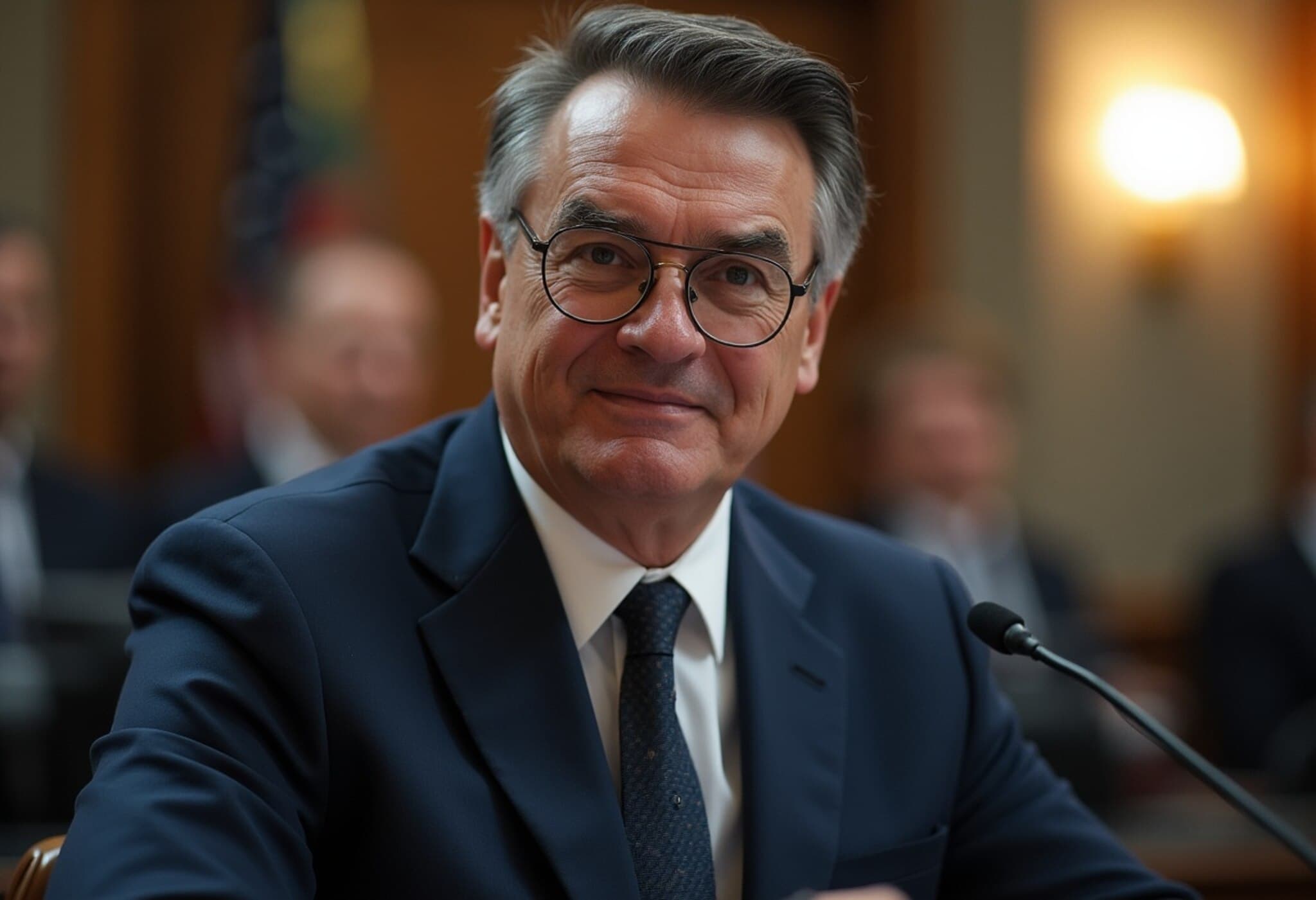
Justice Moraes addressed the momentous announcement at an event in São Paulo, attended by President Lula, declaring, “The truth prevailed today, Mr. President.” He emphasized the Brazilian judiciary's independence and resilience, stating, “The Brazilian judiciary did not bow to threats or coercion, and it will not do so, continuing to act with impartiality, seriousness and courage.”
President Lula expressed satisfaction, asserting that it was unjust for a foreign government to penalize Brazil’s judiciary for upholding the nation's constitution. His remarks highlight broader concerns over sovereignty and external influence in sensitive domestic legal processes.
Contextual Insight: Balancing Judicial Independence and International Relations
The sanctioning and subsequent delisting of Justice Moraes underscore the delicate balancing act between endorsing judicial independence and navigating international diplomacy. The initial sanctions had raised alarms among legal experts and political analysts worried about external interference in Brazil's democratic institutions.
Moreover, this development invites reflection on the use of the Magnitsky Act as a tool of foreign policy. While it aims to combat corruption and human rights abuses globally, its deployment against a sitting Supreme Court justice for performing constitutional judicial duties is a rare and controversial step, provoking questions about where the line lies between human rights advocacy and political maneuvering.
Broader Implications for U.S.-Brazil Relations
Brazil represents a key partner for the U.S. in Latin America, particularly on issues ranging from trade and environmental policy to security cooperation. The lifting of sanctions may pave the way for smoothing bilateral engagements and restoring trust frayed by the contentious Bolsonaro trial and accompanying sanctions. It also signals Washington's intent to foster collaboration with Brazil’s current government, which has taken a markedly different stance from its predecessor.
Unanswered Questions and Forward Look
- What factors beyond foreign policy recalculations influenced the Treasury’s decision?
- How will Brazil’s judiciary interpret and respond to this episode in terms of future independence?
- Will the Magnitsky Act be reassessed for cases involving domestic judicial figures performing constitutional duties?
- How might this episode affect Brazil’s political landscape and its handling of past election challenges?
Editor’s Note
The removal of sanctions against Justice Alexandre de Moraes marks more than a diplomatic reset; it shines a spotlight on the complex interplay between national sovereignty, judicial independence, and international human rights enforcement. As the U.S. and Brazil navigate this nuanced terrain, observers should watch how these decisions influence future legal proceedings and bilateral relations, underscoring the persistent tension between justice accountability and geopolitical strategy.