The Skipper Tanker: A Hidden Link Between Venezuela and Cuba
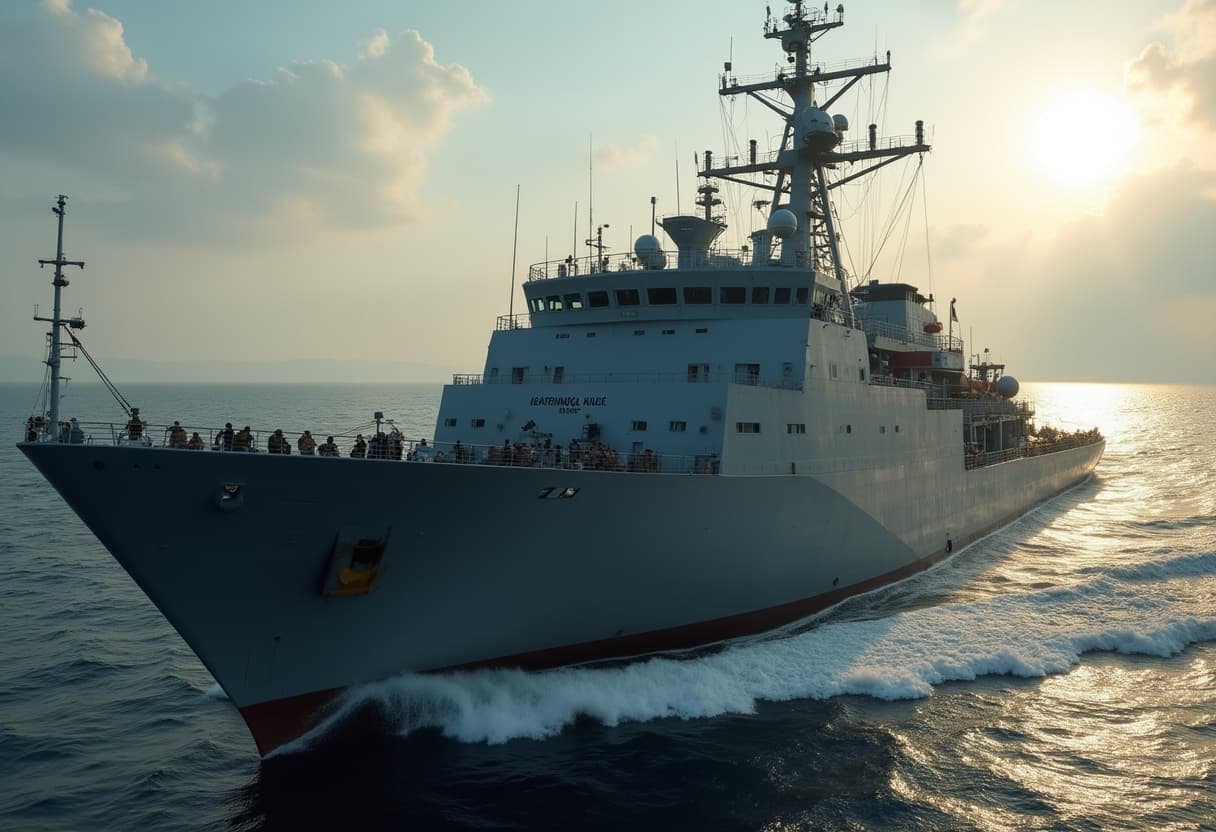
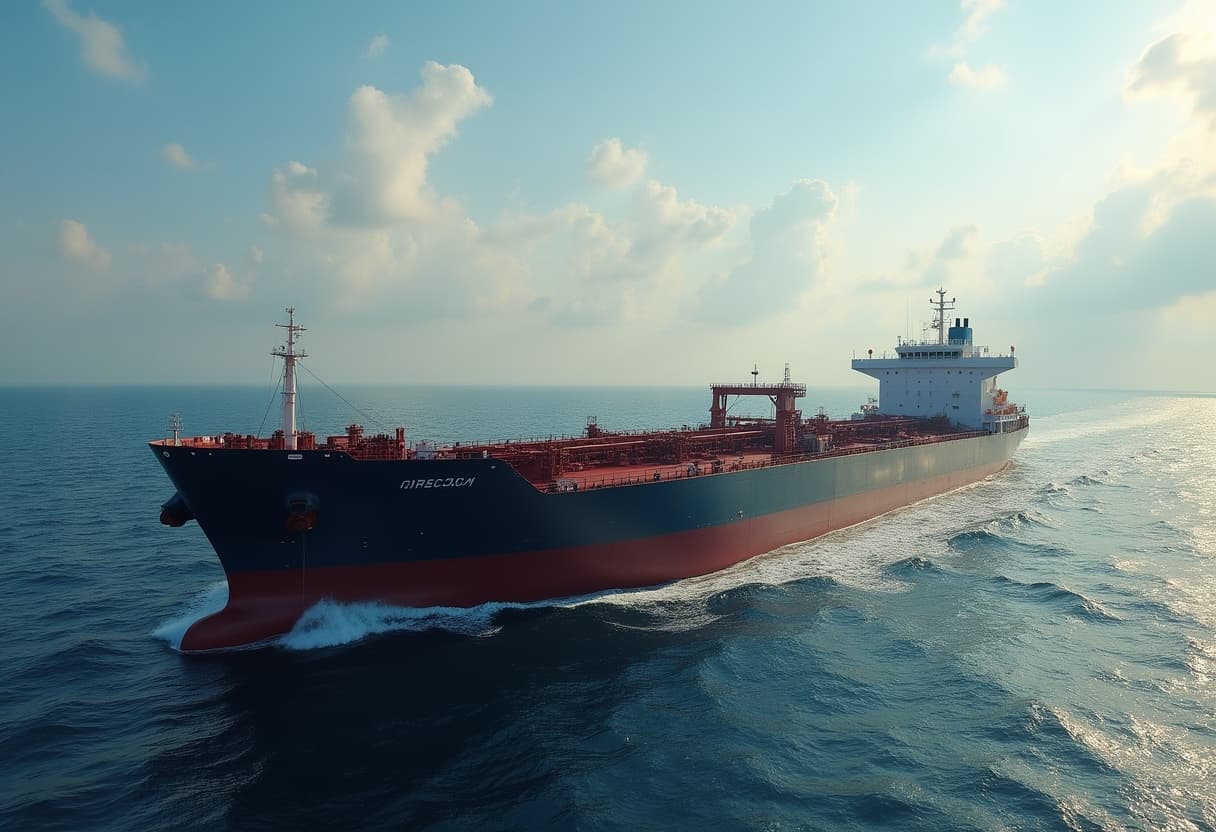
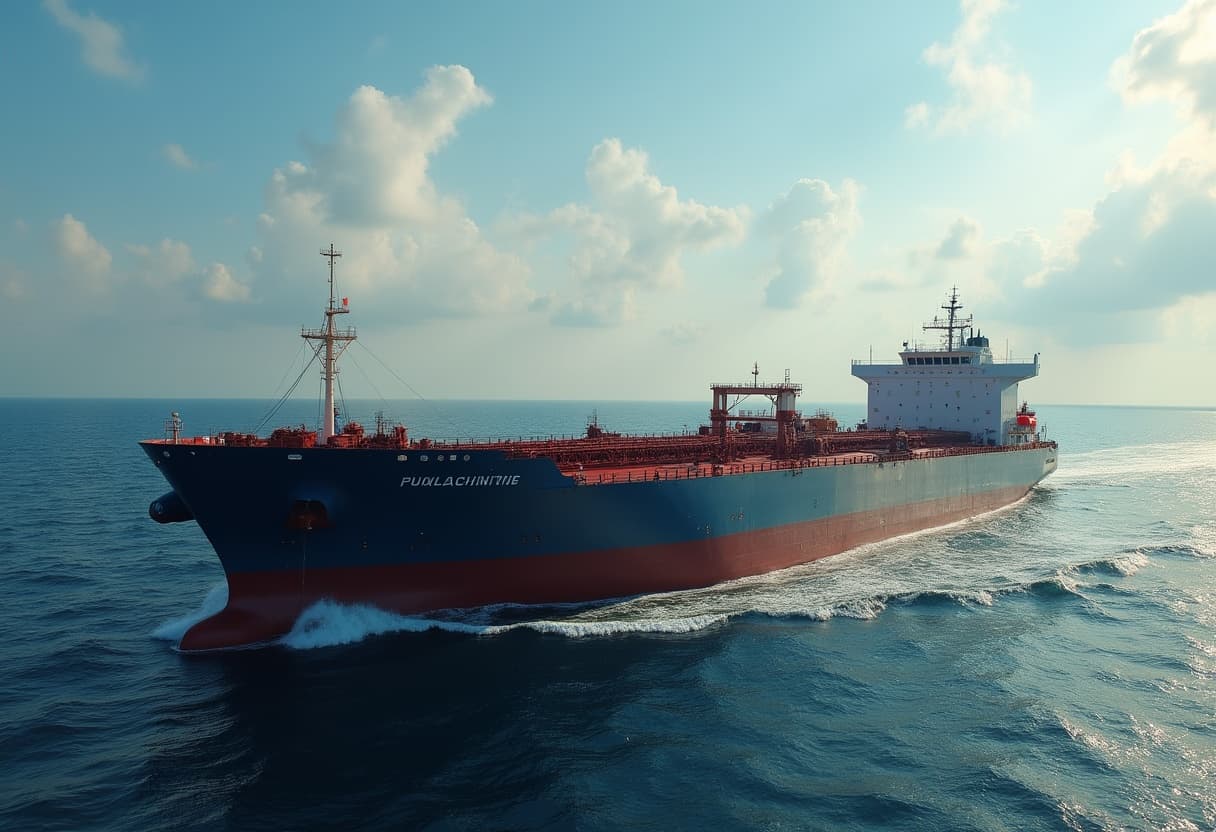
In a bold and high-stakes operation, U.S. forces recently seized an oil tanker named Skipper in the southern Caribbean Sea, unraveling a complex web of illicit oil trading that underscores Cuba’s heavy dependence on Venezuelan crude. This tanker, carrying nearly two million barrels of Venezuela's thick crude oil, departed Venezuela on December 4, 2025, with its intended destination listed as the Cuban port of Matanzas, according to internal data from Venezuela's state oil company, PDVSA.
Cuba’s Oil Lifeline and Political Symbiosis
For over two decades, the Caribbean island of Cuba has relied on a deeply intertwined relationship with Venezuela, centering around subsidized Venezuelan oil shipments. While this arrangement has provided crucial fuel for Cuba’s energy crisis, it has also bolstered Havana’s political and security influence in Caracas.
In exchange for oil, Cuba has deployed tens of thousands of professionals — from doctors and sports instructors to an increasing number of security agents — to Venezuela. This symbiotic exchange has become particularly vital as President Nicolás Maduro leans heavily on Cuban bodyguards and counterintelligence officers to maintain his grip on power amid regional instability and growing opposition.
What the Recent Seizure Reveals
Despite official figures showing substantial oil allocations to Cuba, only a sliver physically reaches the island. According to tanker-tracking data and leaked PDVSA documents, a significant portion of Cuba’s Venezuelan oil quota is actually resold to China, generating much-needed cash for Havana — a critical lifeline amid crippling economic sanctions and widespread shortages.
The ambiguity surrounding this oil revenue highlights the opacity of Cuba’s tightly controlled economy, sparking tough questions about how funds are allocated and the role of intermediaries with ties to both governments.
U.S. Response and International Ramifications
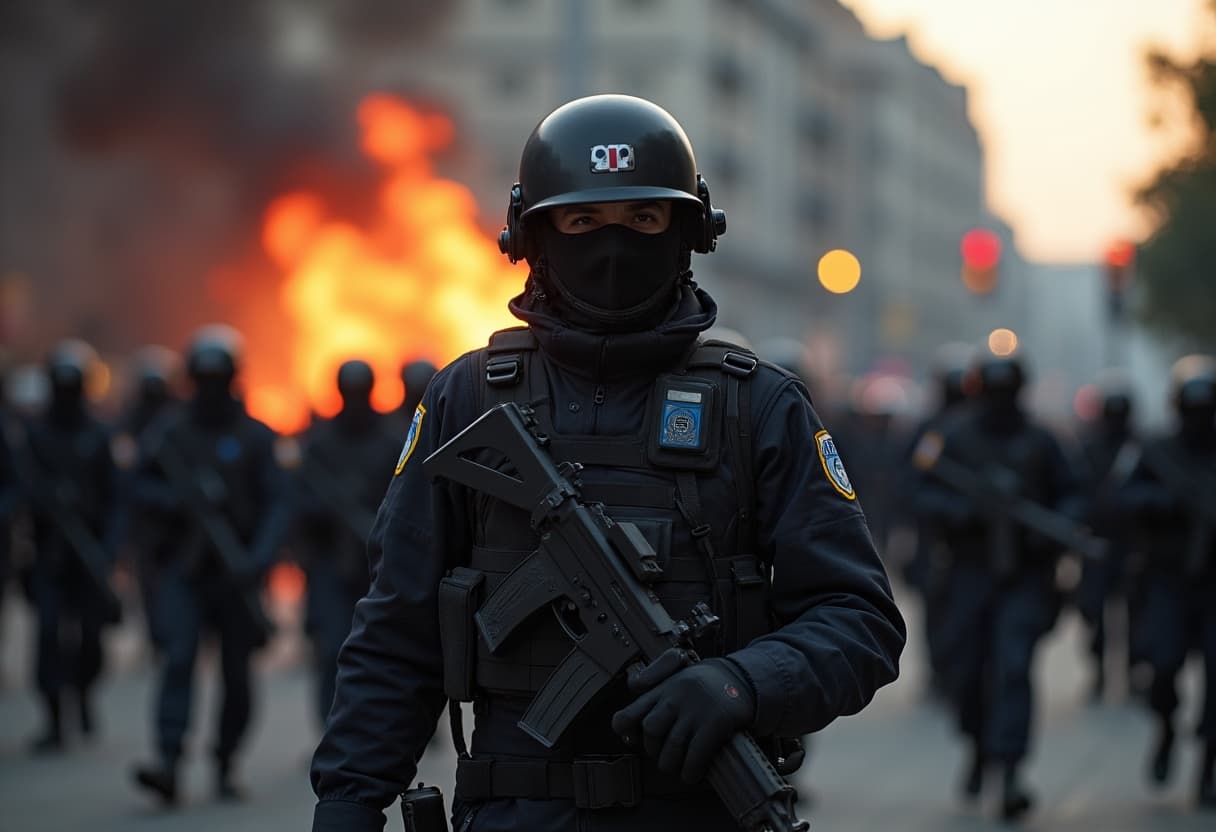
The U.S. government’s seizure of the Skipper goes beyond disrupting Venezuela’s oil exports; it is a strategic move aimed at undercutting Maduro’s alliance with Cuba. The raid involved armed American agents rappelling onto the tanker, which was later escorted to Galveston, Texas, under Coast Guard supervision. With the oil cargo worth tens of millions of dollars, this move sends a strong message about Washington’s determination to enforce sanctions and disrupt illicit trafficking.
In retaliation, Cuban officials condemned the seizure as “piracy and maritime terrorism,” framing it as an attack on Cuba’s sovereignty and its people’s welfare, while Venezuela’s government lambasted the action as part of a broader U.S. campaign of economic warfare.
The Role of Key Players in the Oil Trade
- Ramón Carretero — A Panamanian businessman linked to Venezuelan oil trading, he's become a pivotal figure, managing much of the flow between Venezuela and Cuba. The U.S. Treasury Department has sanctioned him for allegedly facilitating shipments on behalf of Maduro’s administration.
- Cubametales — Cuba’s state oil trading entity, which has significantly increased its purchases of Venezuelan oil in recent years, highlighting Cuba’s deepening reliance on this lifeline despite U.S. sanctions.
- Russian and Iranian Involvement — The Skipper had a long history linked to Iran’s covert oil operations and the Russian crew currently aboard illustrates the complex international undercurrents. Both nations have assisted Venezuela, particularly in refinery repairs and sanction circumvention strategies.
A Broader Sanctions Evasion Network
This incident sheds light on a broader “shadow OPEC” of sanction-hit nations — Venezuela, Cuba, Iran, and Russia — strategically cooperating to circumvent U.S. sanctions and keep vital oil commerce flowing. Despite ideological differences, these countries prioritize economic survival and share know-how to outwit sanctions that would otherwise cripple their energy sectors.
Experts note that while political motives exist, economic pragmatism dominates these arrangements, underscoring how global energy dynamics have shifted under intense geopolitical pressures.
American Policy Challenges and Future Implications
The Skipper seizure spotlights the fierce contest over energy resources and influence in the Western Hemisphere. For U.S. policymakers, it raises urgent questions about the efficacy of sanctions, the resilience of authoritarian regimes, and the lengths to which adversarial states will go to sustain themselves.
Moreover, it brings to the forefront issues of economic transparency, regional security, and human consequences amid geopolitical conflict, pressing the international community to reassess strategies beyond punitive measures.
Editor’s Note
The seizure of the Skipper tanker is far more than a routine enforcement action; it reveals the delicate and covert economic lifelines vital to Cuba’s survival and Maduro’s regime stability. The story unpacks a hidden world where oil, politics, and international intrigue converge. Moving forward, understanding these shadow networks is essential not only for policy formulation but also for appreciating the human and economic costs borne by ordinary Cubans and Venezuelans trapped in this geopolitical tug-of-war.
Key Questions for Readers:
- How effective are sanctions in targeting authoritarian regimes without exacerbating humanitarian crises?
- What roles do intermediaries and third-party nations play in sustaining illicit resource flows?
- Can diplomatic or multilateral approaches offer better solutions than coercive actions in complex geopolitical conflicts?