The Crime Surge Driving Political Shifts Across Latin America
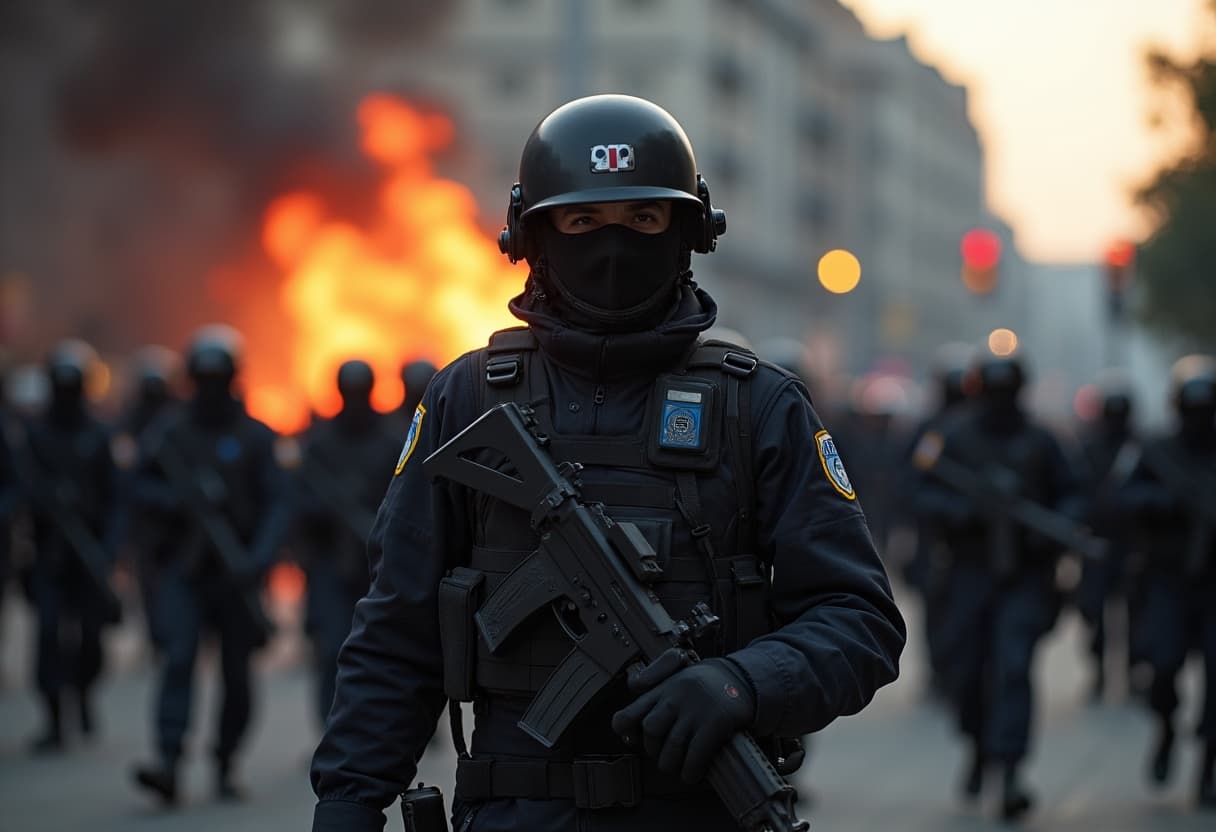
From Chile’s remote Andes villages to the bustling urban streets of Iquique, a palpable wave of fear and insecurity is sweeping across Latin America. What was once regarded as relatively safe, especially in countries like Chile, is now witnessing a sharp uptick in violent crime, fueled largely by transnational criminal organizations exploiting porous borders and migration flows.
Chile's Security Crisis: A Microcosm of Regional Challenges
In Cariquima, a high-altitude village near Chile’s border with Bolivia, long-trusted adobe homes now sport heavy iron bars and reinforced doors—a stark symbol of how insecurity has invaded even the most isolated communities. Erika Moscoso, a local baker, confesses, “I live in fear. We never locked our doors before.”
This newfound insecurity extends far beyond rural villages, reaching the urban centers and shaking the nation’s political landscape. Homicides in Chile hit an unprecedented 1,322 in 2022, marking a 43% increase compared to 2018, and public confidence in personal safety has plummeted to under 40% at night, according to recent surveys.
The Migration-Crime Nexus and Rising Xenophobia
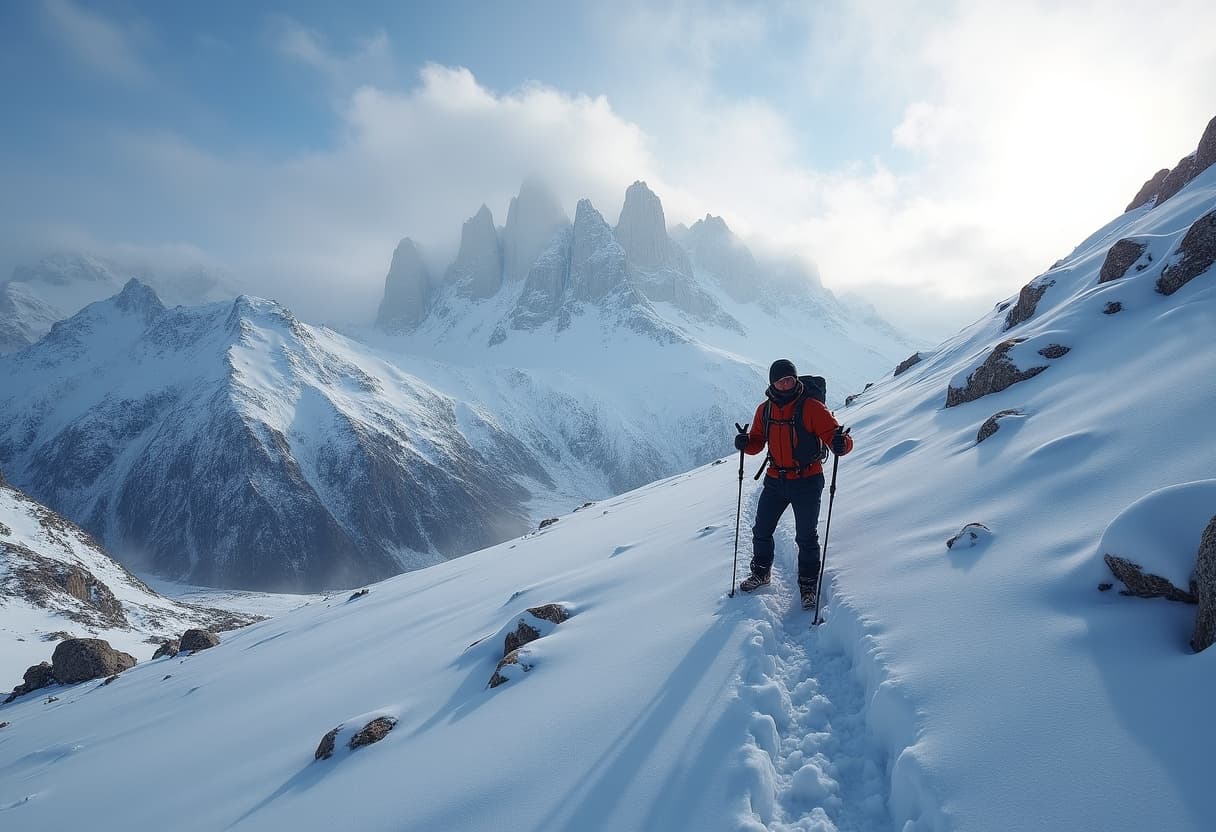
The crisis’s origins trace back to the COVID-19 pandemic onset, when thousands of Venezuelan migrants, escaping economic turmoil, trekked through the harsh Atacama Desert into northern Chile. While the vast majority seek refuge and opportunities, embedded within this influx are organized gangs like Venezuela’s notorious Tren de Aragua, contributing disproportionately to violent crime.
These criminal spikes have stoked xenophobic sentiments, especially in cities like Iquique, once celebrated for cultural diversity. Incidents such as the public burning of belongings belonging to homeless migrants and chants of “Chileans first” reveal a fractured social fabric grappling with fear and identity crises amid the security breakdown.
Hardline Politics Gain Momentum Amid Public Outcry
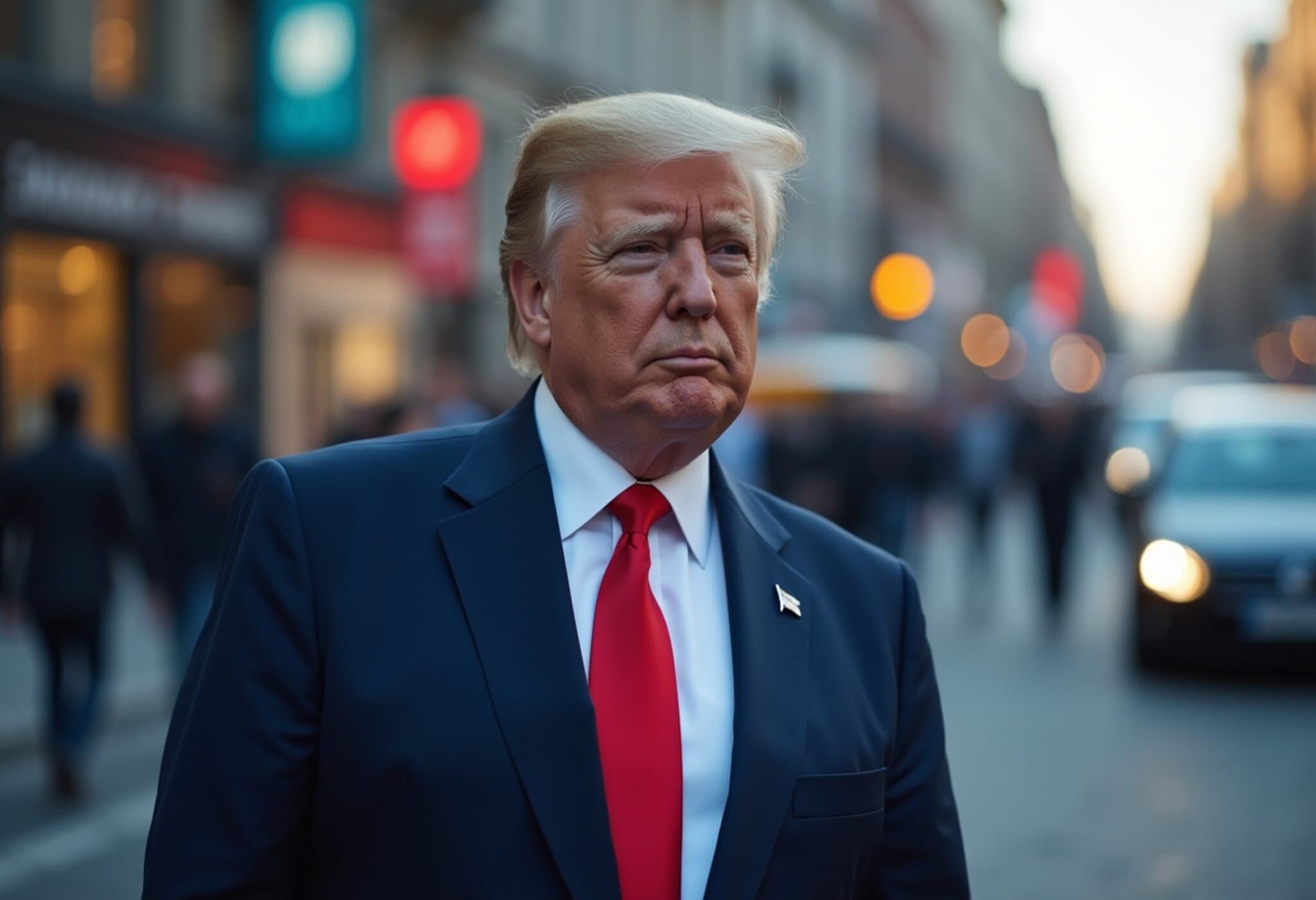
Security concerns have reshaped Chile’s political battleground. Right-wing figures like José Antonio Kast have surged in popularity by pledging stringent immigration controls and law enforcement crackdowns. Kast’s proposals include building physical border barriers and criminalizing unauthorized entry—echoing policies reminiscent of former U.S. President Donald Trump’s approach.
While many Chileans yearn for safety over social progress, this dynamic poses complex questions about balancing civil liberties with crime control. Voters like Mirna Matcovich express conflicted support, acknowledging Kast’s conservative social policies but endorsing his drive to restore public order.
Regional Ripple Effects: Security Becomes Electoral Linchpin
Chile isn’t alone in this trend. Across Latin America, from Peru to Costa Rica, soaring crime rates—especially violent offenses and extortion—have made security the pivotal voter concern. Leaders such as El Salvador’s Nayib Bukele have become influential, adopting aggressive tactics that sometimes curtail civil rights to suppress gangs.
Costa Rica’s President Rodrigo Chaves has openly sought to replicate Bukele’s tough-on-crime model, even aiming to build a maximum-security prison. Meanwhile, Peru faces growing pressure to adopt harsher sentencing despite fears of overreach and human rights consequences.
Balancing Democracy and Security: A Region at a Crossroads
Experts like Will Freeman of the Council on Foreign Relations highlight a sobering regional calculus: a public increasingly willing to trade some democratic freedoms for enhanced security. This shift hints at potentially transformative consequences, challenging the very foundations of Latin American governance and human rights traditions.
Notably, not all countries are following this pattern. Brazil and Mexico—Latin America’s giants—have seen declines in homicide rates, though underlying criminal organizations remain powerful and influential.
Meanwhile, in Ecuador, President Daniel Noboa’s declaration of multiple states of emergency underscores the volatile balance between crime fighting and civil liberties—a balance tragically underscored by the death of four children caught in military crossfire.
Looking Ahead: Understanding the Crime-Politics Nexus
The intersection of migration, transnational crime, and political shifts demands nuanced policy approaches that address root causes without vilifying vulnerable communities. Chile’s experience offers a cautionary tale on how fear can reshape democratic norms and voter preferences. It also raises urgent questions for U.S. and regional policymakers about cooperation on border security, humanitarian aid, and rule-of-law strengthening.
- Key facts: Chile’s homicides surged 43% since 2018; less than 40% of Chileans feel safe at night.
- Emerging political impact: Right-wing candidates like José Antonio Kast gain traction by prioritizing hardline security.
- Regional parallels: El Salvador’s Bukele and Costa Rica’s Chaves embrace tough-on-crime policies with rights trade-offs.
- Sociocultural tensions: Migration influx linked to gang activity inflames xenophobia and challenges multicultural coexistence.
Editor’s Note
Latin America’s crime surge is more than just a criminal justice issue—it’s a political and social earthquake reshaping decades-old narratives of progress and democracy. As voters wrestle with complex trade-offs between security and freedoms, leaders must tread carefully to restore safety without eroding human rights or fueling xenophobia. The region’s experience holds critical lessons for the United States and global community on managing migration, transnational crime, and democratic resilience in turbulent times.