Tragedy Strikes in Chilean Patagonia: Five Hikers Perish Amidst Sudden Blizzard
In what experts are calling a devastating and unexpected natural disaster, five tourists lost their lives on Monday during a brutal snowstorm that swept through the Torres del Paine National Park in Chilean Patagonia. The victims, hailed from Mexico, Britain, and Germany, were caught off guard as they tackled one of the region’s most challenging hiking paths.
Unfolding of the Deadly Snowstorm
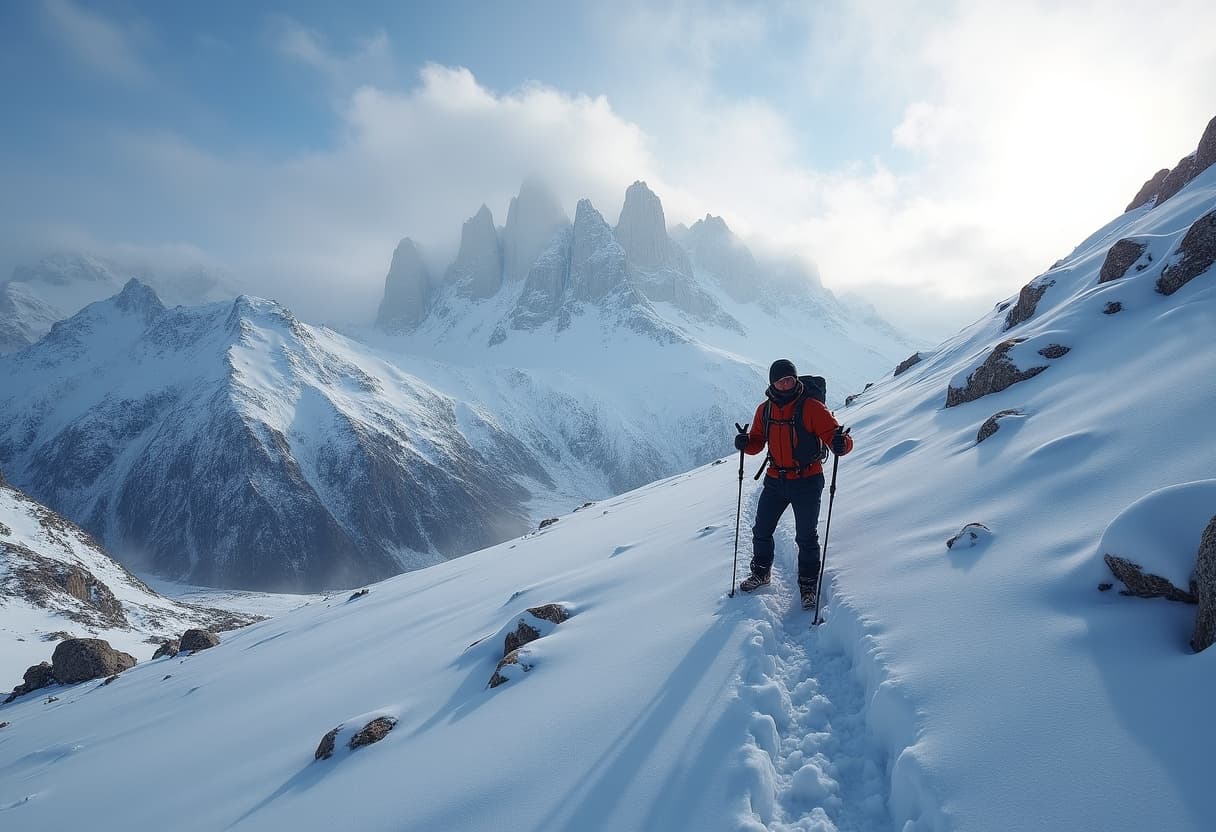
Initially, the hikers departed the Los Perros campsite under gray skies with drizzling rain, chilly winds, and temperatures just barely above freezing. But conditions deteriorated rapidly as a fierce blizzard with hurricane-force winds exceeding 120 miles per hour engulfed the area, reducing visibility to less than 10 feet.
The storm struck the John Gardner Pass, the highest and most exposed segment of the renowned O Circuit, an 85-mile trek demanding up to nine days of resilient hiking. According to regional authorities, this sudden snowstorm resulted in more than two dozen injuries and the tragic deaths of five individuals from hypothermia.
Investigation and Response Efforts
Cristián Crisosto, regional prosecutor for Magallanes, confirmed an ongoing investigation into the incident, involving extensive witness interviews — including those from 69 individuals present during the storm and staff from Vertice, the company operating the affected campground.
Officials disclosed that despite the critical nature of the weather, park rangers were notably absent on the day of the disaster, having left the previous day for Chile’s presidential election. This absence has fueled concerns about preparedness and emergency communication within the park.
Interior Minister Álvaro Elizalde stated that Chilean authorities are collaborating with foreign consulates to facilitate the repatriation of the deceased, highlighting the international dimensions of the tragedy.
Survivors Speak Out: Criticism of Warning Systems and Emergency Protocols
Several survivors have voiced frustration over the lack of weather warnings and inadequate immediate response from both park staff and the campground operator. Megan Wingfield, a Colorado-based anesthesiologist and avid hiker caught in the storm, described how staff reassured hikers about weather conditions despite the rapidly deteriorating safety.
Survivors recounted their harrowing retreat down icy slopes with limited visibility, numerous injuries, and people suffering from hypothermia. They criticized the campground staff for failing to offer lifesaving aid, refusing assistance to the injured, and not activating timely search and rescue operations.
Contextualizing the Risks of High-Altitude Hiking in Patagonia
Torres del Paine’s breathtaking landscapes have drawn countless outdoor enthusiasts worldwide, but the park’s volatile weather stands as a stark reminder of nature’s unpredictability. The incident raises critical questions:
- How effective are the current weather monitoring and alert systems for remote high-altitude parks?
- What responsibility do private operators like Vertice bear in ensuring visitor safety during volatile conditions?
- Could the absence of rangers during critical periods be addressed by policy reforms integrating park management with national civic duties?
In an economically vital tourism region for Chile, ensuring sustainable and safe adventure travel is imperative to preserving both human life and the park’s extraordinary international reputation.
Expert Insight: Balancing Adventure Tourism with Safety Protocols
From a policy standpoint in the United States and globally, this tragedy underscores the increasing need for robust risk assessment frameworks in tourism hubs, especially those located in extreme environments. Emergency management experts advocate for:
- Improved real-time digital communication tools accessible even in remote locations.
- Mandatory weather contingency planning for guided hikes.
- Stronger regulatory oversight for companies managing remote campsites.
Such measures are vital not only for Patagonia but for worldwide eco-tourism areas balancing allure and danger.
Closing the Circuit: Current Status and Moving Forward
Following the tragedy, Torres del Paine authorities have closed the O Circuit trail pending a complete safety review. The National Forest Corporation has also expressed deep regret and commitment to improving emergency readiness and visitor support.
Editor's Note
This heart-rending event is a sobering reminder of nature’s might and the intricate challenges of managing popular adventure destinations. As climate change increases the unpredictability of weather patterns worldwide, parks like Torres del Paine become testing grounds for how well prepared we are to protect lives on the frontlines of outdoor exploration.
For readers and travelers alike, this story emphasizes the importance of vigilance, preparation, and advocacy for stringent safety standards in outdoor tourism. The human stories behind the headlines compel us to push for systemic change that can prevent future tragedies.