Invasive Goldfish Swarm Ottawa's Celebration Park Pond
This past spring, Ottawa residents witnessed a disturbing scene: thousands of dead goldfish washing ashore along a local pond. Now, despite cleanup efforts, the troublesome fish have returned with a vengeance — highlighting the challenges of managing invasive aquatic species in urban environments.
From Pet Ponds to Ecological Threat
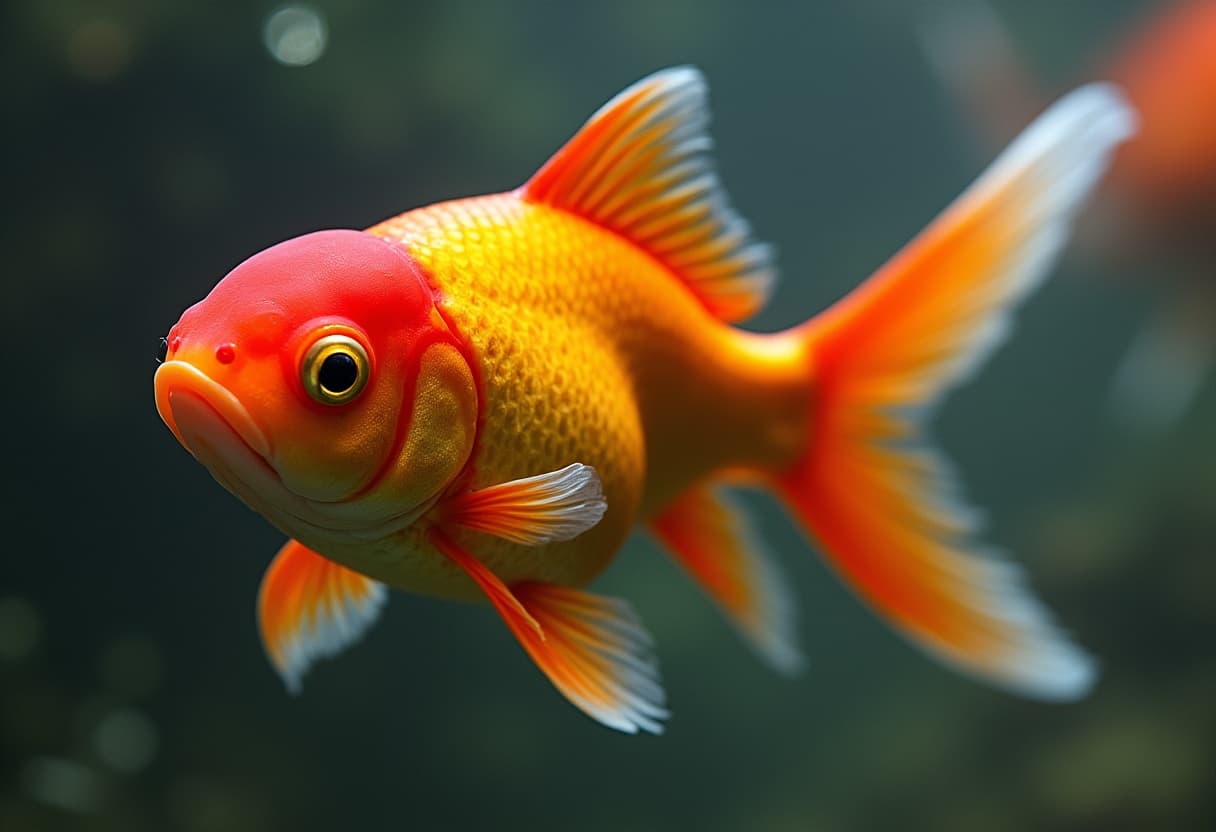
The saga unfolded at Celebration Park, where a pond primarily designed to handle storm-water runoff has become an unintended goldfish sanctuary. These fish, initially popularized as children’s pets and decorative fountain inhabitants, have established a thriving population that local authorities are struggling to contain.
Riley Brockington, the city councillor representing the area, recounts the early warning: “In March, I received a report of thousands of dead goldfish along the pond’s banks. The city mobilized to clean up, but recently, new sightings of nearly a thousand live goldfish surfaced.”
The Challenges of Eradicating a Tenacious Invader
Ryan Polkinghorne, Ottawa’s program manager for storm-water management, underscores the urgency. “Removing these invasive fish now could prevent another mass die-off caused by low oxygen levels in the pond, which claimed roughly 5,000 goldfish earlier this year,” he explains. Ontario’s regulations mandate euthanasia for invasive fish caught in storm-water ponds to curb ecological disruptions.
Yet, biology experts caution that efforts may only offer temporary relief. “Goldfish are remarkably resilient,” notes Professor Steven Cooke of Carleton University. “They thrive in poor water conditions and can survive feeding challenges that would doom other species.”
Rapid Reproduction and Ecological Displacement
Originating from Asia, goldfish exhibit explosive reproductive rates. A single female is capable of producing up to 6,000 eggs and can breed multiple times a year, contributing to rapid population growth. In the absence of natural predators, these invasive fish can dominate local ecosystems, driving native species to decline through competition and habitat alteration.
The Risk of Spread Through Flooding
Professor Cooke warns of an additional threat: heavy rainfall events can facilitate the goldfish’s escape from the pond. “Floodwaters can push these fish into connected rivers or water systems, allowing them to colonize new areas downstream,” he says, suggesting that current population figures in Celebration Park may be an underestimate.
Unanswered Questions and Management Dilemmas
City officials remain uncertain about how the goldfish originally entered the pond, with suspicions pointing to pet owners releasing them irresponsibly. Councillor Brockington emphasizes the need for public awareness, advocating that pet fish be returned to stores rather than abandoned, which is echoed by conservation experts.
Expert intervention options like chemical treatments exist but pose severe environmental consequences, potentially wiping out all pond life and requiring lengthy regulatory approval.
“Given their resilience, if I were to predict, I’d bet that the city will need to repeat removal efforts next fall,” concludes Professor Cooke.
Broader Implications: Urban Biodiversity and Invasive Species Management
This case reflects a wider challenge faced by urban centers worldwide: balancing green spaces and storm-water infrastructure with ecological integrity. As climate change increases extreme weather events, invasive species like these goldfish may spread more easily, further threatening native biodiversity.
Investing in public education about pet disposal, ongoing monitoring, and innovative removal techniques will be vital in preventing similar biological invasions.
Key Takeaways:
- Over 5,000 goldfish died in Ottawa’s pond due to low oxygen levels earlier this year.
- Approximately 1,000 live goldfish remain, with the population likely higher than estimated.
- Goldfish’s adaptability allows them to survive harsh conditions and reproduce rapidly.
- Invasive fish pose a serious threat to native aquatic species and ecosystem balance.
- Effective management requires balancing ecological impact, legal constraints, and public cooperation.
Editor’s Note
The invasive goldfish in Ottawa’s Celebration Park pond offer a cautionary tale about human impact on local ecosystems, even in urban settings. Their persistence challenges conventional removal methods, raising critical questions about community responsibility and ecological stewardship. As cities globally grapple with similar environmental dilemmas, how can public policies better integrate education, regulation, and innovative science to protect native biodiversity? This story underscores the importance of proactive, informed action to safeguard our natural heritage.