Belém’s Historic Ver-o-Peso Market Undergoes Dramatic Transformation
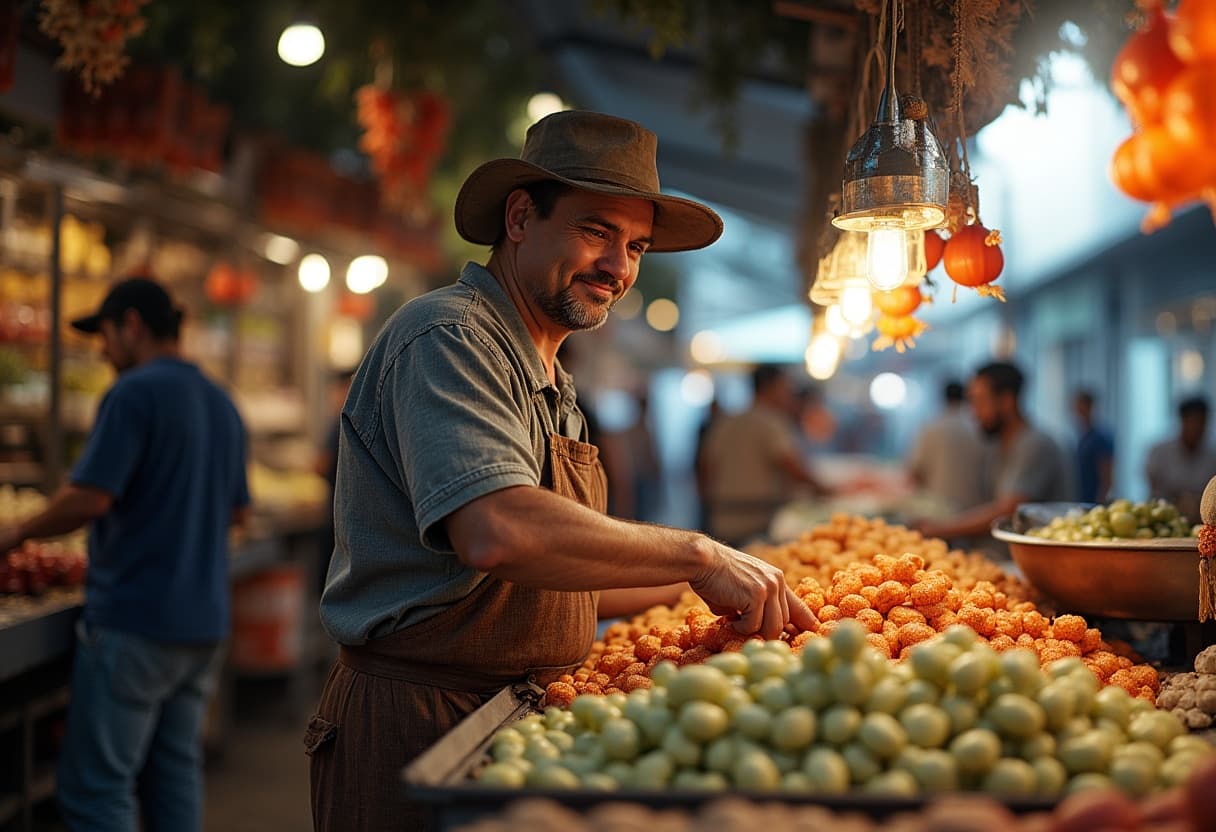
Along the banks of the Amazon River in Brazil’s northern city of Belém, a vibrant market known as Ver-o-Peso stands as a cornerstone of local culture, cuisine, and community. Established centuries ago, this bustling hub has long been a sensory overload of sights, sounds, and smells — a testament to Amazonian life and heritage.
Recently, ahead of the high-profile U.N. Climate Change Conference drawing global attention in late 2025, the Ver-o-Peso market received a significant facelift. What once was a somewhat dilapidated, humid maze of wooden stalls and tarpaulin tents has been transformed. The aging infrastructure, plagued by flooding, pests, and electrical issues, gave way to sturdier masonry booths with modern faux-wood finishes, crisp white sunshades, and improved pavements. The upgrades aimed to enhance safety, hygiene, and visitor experience, while showcasing the market to international guests.
The Pros: Cleanliness, Safety, and Economic Boost
For many vendors, the renovations are a welcome change, promising healthier working conditions and increased foot traffic. Roberto Pontes, a 53-year-old vendor specializing in pirarucu—an iconic giant Amazonian fish—expressed optimism. "It looks spectacular, doesn’t it? The word is spreading that Ver-o-Peso is changing," he said, surveying his spotless new stand. The reduction in rodents and improvements in sanitation have not only raised safety standards but also attracted a surge of tourists eager to taste authentic Amazonian fare. This influx could provide a much-needed economic lift for local businesses, aligning with broader efforts to promote sustainable tourism in the region.
The Cons: Loss of Authenticity and Cultural Identity
However, not all reactions have been positive. Longtime locals and cultural activists argue that the market’s renovation risks erasing the very soul that made Ver-o-Peso unique. Some lament that the polished, sanitized environment now feels artificial—more like a "tourist Disneyland" than a genuine gathering place for community and commerce.
The rough edges, the weathered wood, and even the imperfect smells of the original market were part of its charm and authenticity. Critics ask: at what cost does modernization come? Is the market’s cultural fabric being sacrificed to accommodate tourist eyes and comfort?
Contextual Insight: Balancing Heritage and Progress in Climate-Conscious Brazil
Belém’s market modernization is emblematic of broader tensions in regions where economic development, cultural preservation, and environmental sustainability intersect. As Brazil plays a central role in global climate discussions, such transformations mirror efforts to present a progressive, eco-conscious yet economically viable image on the world stage.
The question remains how to honor Indigenous knowledge, traditional ways of life, and local livelihoods while embracing necessary infrastructure improvements. Experts in cultural anthropology and urban planning emphasize participatory approaches—that is, involving community voices deeply in redevelopment projects to safeguard intangible heritage alongside physical upgrades.
Underreported Angles
- The impact of renovations on informal workers often overlooked in official narratives.
- Environmental implications of replacing traditional wooden materials with masonry and synthetic components in a rainforest climate.
- Role of the climate conference in accelerating local urban changes and potential long-term effects on the community’s socio-economic dynamics.
Looking Forward: Can Ver-o-Peso Be Both Modern and Authentic?
The story of Ver-o-Peso raises critical challenges facing many historic sites worldwide. How to welcome the world and preserve a sense of home? As Belém showcases its market to visitors spotlighted by a UN summit, the coming months will reveal whether these changes bring sustainable benefits or drive cultural dilution.
For visitors and residents alike, the hope is a future where Ver-o-Peso remains a living mosaic of Amazonian resilience and hospitality—not just a gleaming postcard image.
Belém’s landmark market highlights the complex interplay between heritage preservation and modernization in a world under climate duress. This story encourages readers to consider how urban renewal projects can respect local culture and ecology while promoting economic vitality. What models exist for sustainable, community-driven market revitalization? How do climate events sway local identities? The Ver-o-Peso case invites ongoing reflection.