Brazilian Authorities Detain Jair Bolsonaro Amid Flight Risk Concerns
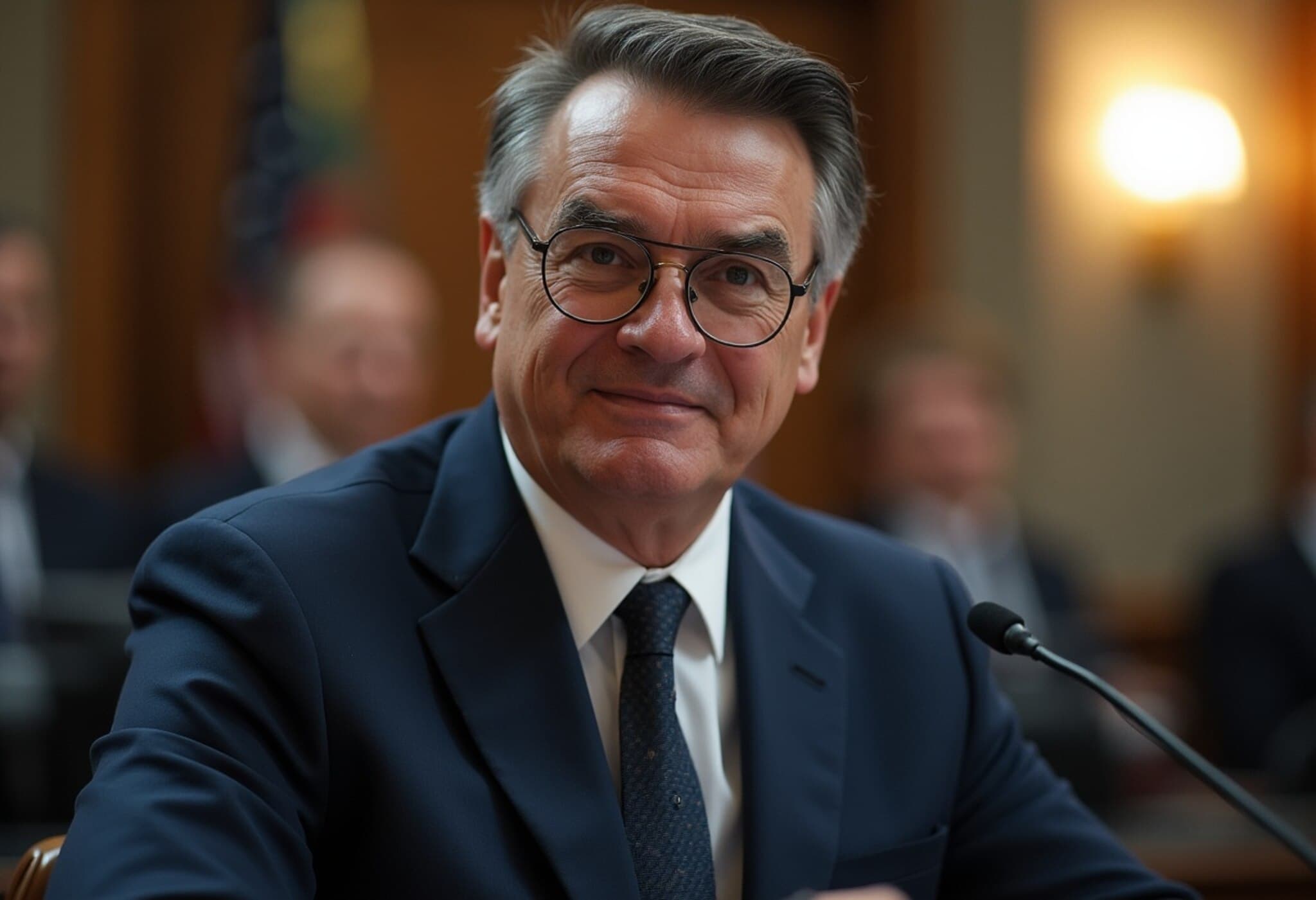
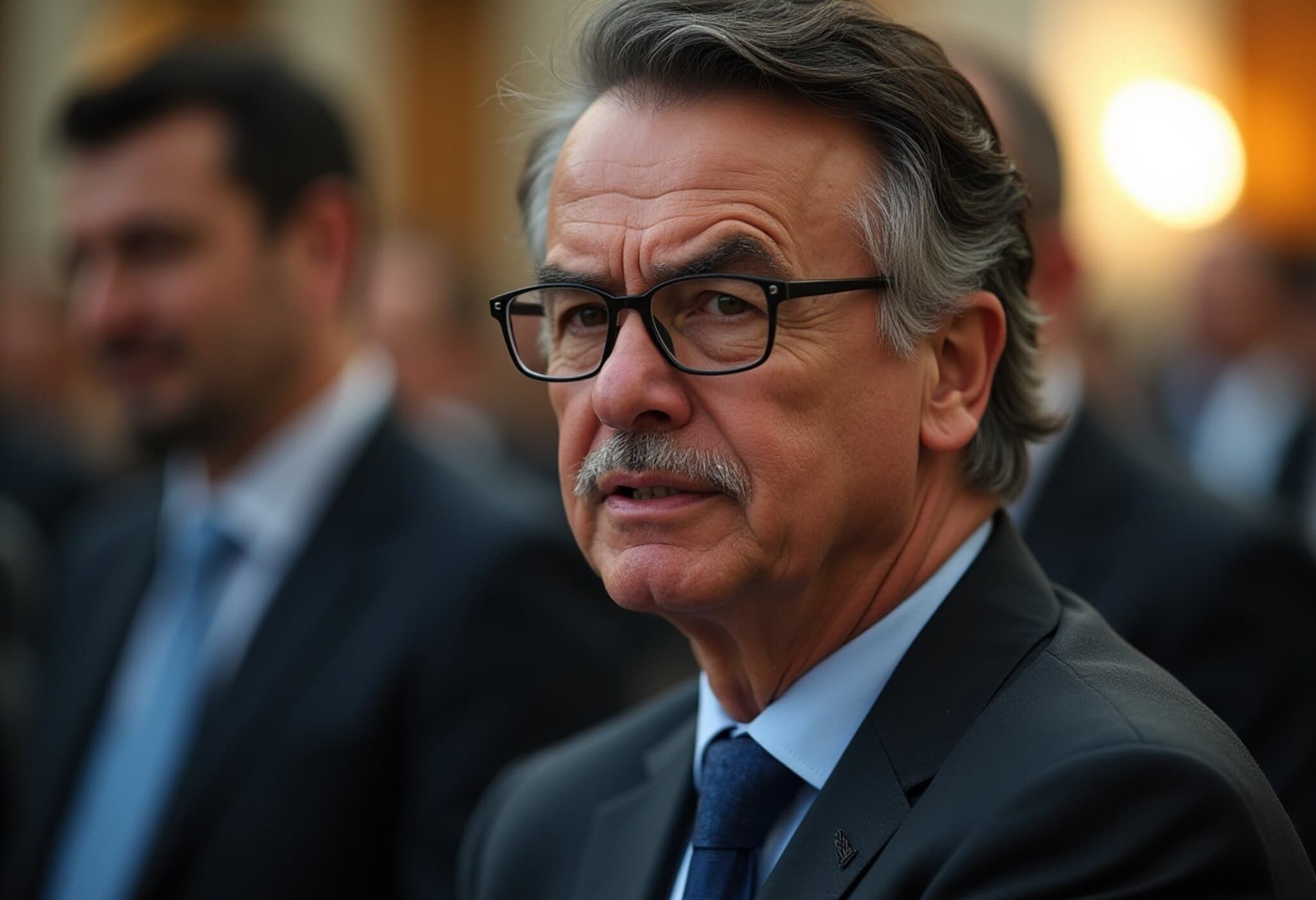
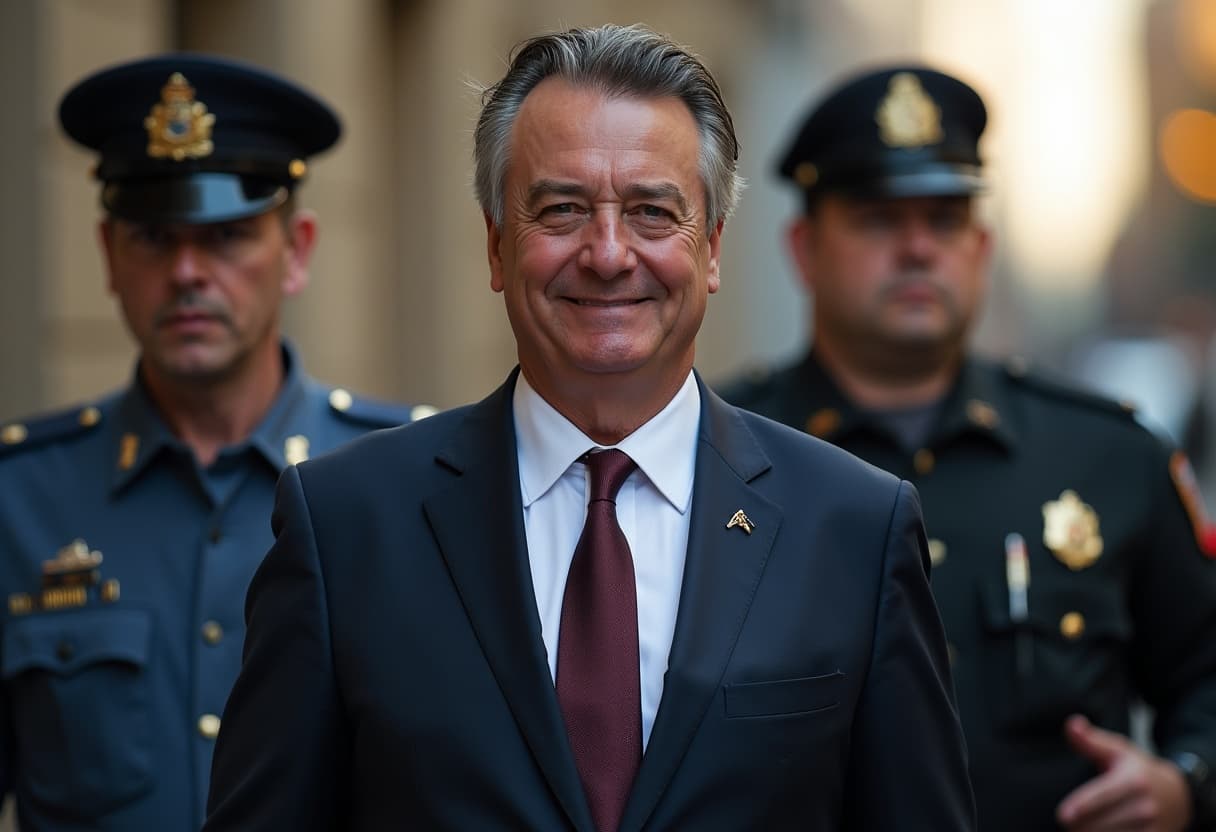
On November 23, 2025, Brazilian police arrested former President Jair Bolsonaro in an operation fueled by fears that he might attempt to flee ahead of commencing a lengthy prison sentence. The ex-leader, who governed Brazil from 2019 to 2022, faces a 27-year sentence for orchestrating a failed coup aimed at undermining Brazil's democratic process after his election defeat.
Background: Coup Plot and Judicial Proceedings
Bolsonaro's conviction centers on his role in planning to cling to power through undemocratic means following the 2022 presidential election loss. Since August, he had been under house arrest in Brasília, the nation's capital, fitted with an electronic ankle monitor as part of judicial restrictions. Until recently, Bolsonaro's defense team had lodged appeals delaying the start of his prison term.
Concerns Over Escape and Ankle Monitor Tampering
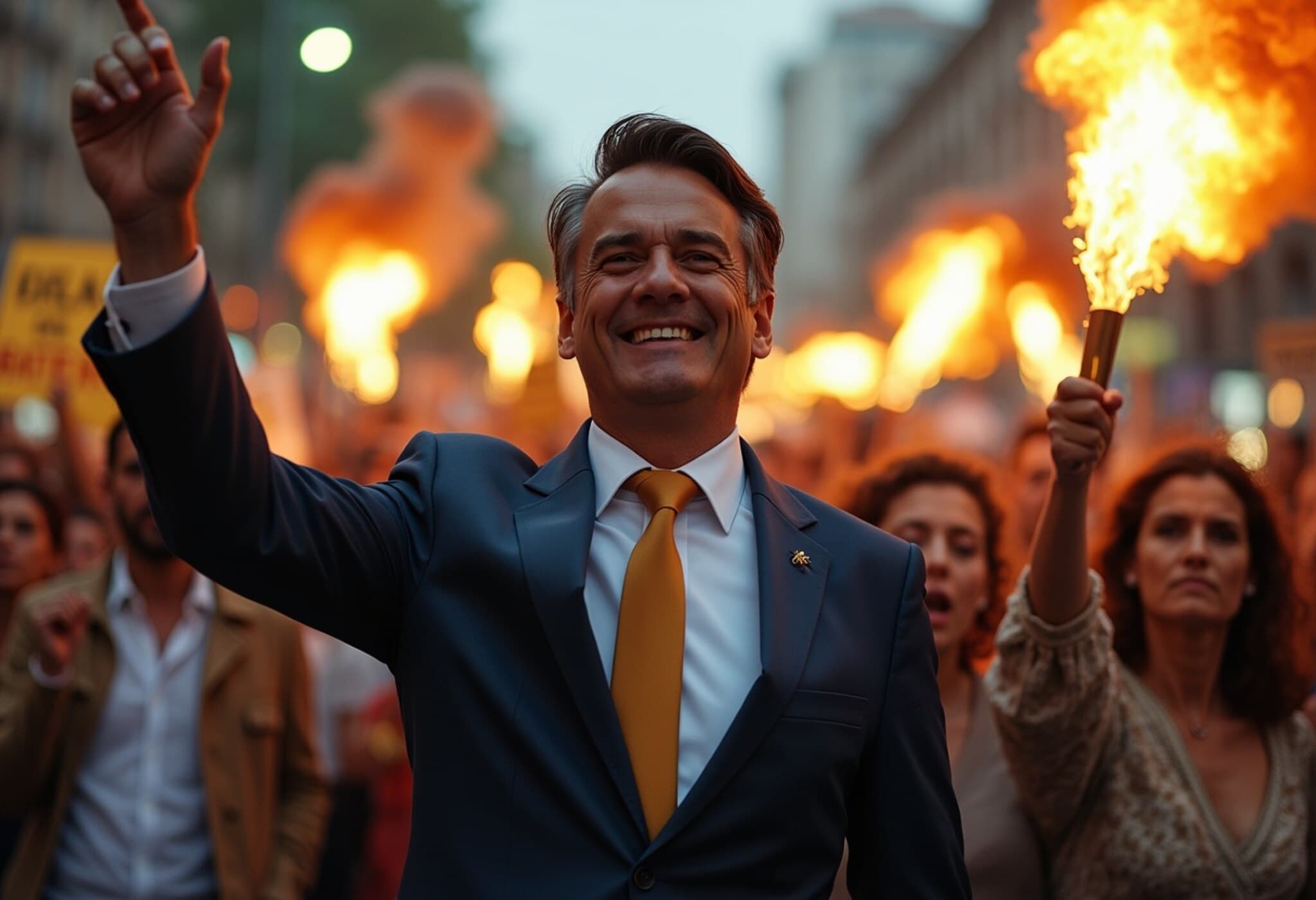
The arrest was precipitated by a recent Supreme Court order highlighting that Bolsonaro’s ankle monitor had been deliberately tampered with just after midnight on November 23. The court interpreted this as a clear sign of intent to evade the legal process. Additionally, the timing coincided with a planned protest by Bolsonaro’s supporters outside his residence — an event that authorities feared could fuel chaos and facilitate an escape.
“The tampering with the ankle bracelet, combined with the turmoil expected from the supporters’ demonstration, represented a high flight risk,” explained a senior police official, who spoke on condition of anonymity due to the case’s sensitivity. The authorities moved swiftly to take Bolsonaro into custody Saturday morning as a precaution to preserve public order and his own safety.
Legal and Political Implications
Bolsonaro’s arrest underscores the deep political fractures shaping Brazil’s current landscape. His supporters often frame him as a victim of judicial persecution, while opponents see his conviction as a crucial step in defending democracy. The case also raises pressing questions regarding political accountability and the rule of law in Latin America’s largest democracy.
Experts have noted that such a high-profile arrest can have wide-reaching consequences:
- It may further polarize an already divided electorate ahead of upcoming elections.
- It sets a judicial precedent emphasizing that even former heads of state can be held accountable for anti-democratic actions.
- It challenges Brazil’s institutions to maintain stability amid intense political turmoil.
Contextual Insight: International Reflections on Democratic Resilience
Brazil’s handling of this politically sensitive case offers a lens for global observers concerned about the erosion of democratic norms worldwide. As nations grapple with populist uprisings and challenges to electoral legitimacy, Bolsonaro’s prosecution serves as both a warning and a beacon of the judiciary’s potential to uphold constitutional order.
For American and global policy analysts, Bolsonaro’s arrest is a compelling case study in balancing respect for legal processes with the need to safeguard democratic systems against authoritarian tendencies.
What’s Next for Jair Bolsonaro and Brazil?
With the arrest now enforced, Bolsonaro is expected to begin serving his sentence imminently unless further legal developments emerge. The government faces the delicate task of managing public demonstrations, ensuring security, and preventing political unrest. How Brazil navigates this volatile period will be pivotal for its democratic future.
Key Takeaways:
- Bolsonaro was arrested on concerns he might abscond after evidence of tampering with his ankle monitor surfaced.
- The 27-year sentence relates to his role in attempting a coup to retain power unlawfully.
- The case highlights broader challenges around democracy, political accountability, and institutional strength in Brazil.
- Observers worldwide are watching closely as this episode offers lessons on combating anti-democratic movements through legal means.
Jair Bolsonaro’s arrest represents a critical juncture in Brazil's ongoing struggle against political extremism and democratic backsliding. While the judiciary asserts its independence by enforcing accountability, the polarized public response underscores the fragility of political cohesion. Readers should consider how this situation reflects the global tension between populism and rule of law, and what it means for democratic resilience in the Americas and beyond.