Historic Recovery from the San José Shipwreck: Colombia Unveils Precious Artifacts
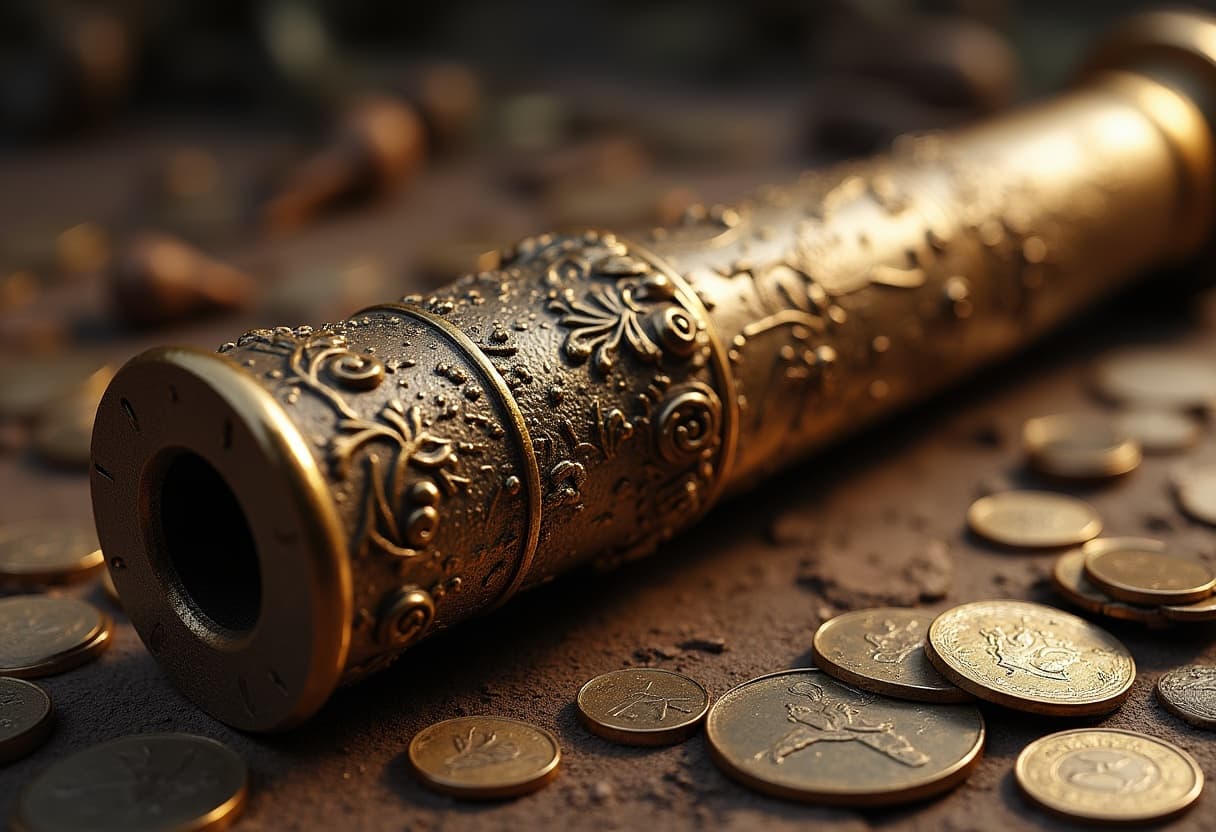
In a striking development that melds history, archaeology, and national pride, Colombian authorities announced the recovery of several pivotal artifacts from the San José, a Spanish galleon that met its tragic end over three centuries ago. On November 20, 2025, among a carefully coordinated operation led by the Colombian Navy, a bronze cannon, a delicate porcelain cup, and three rare coins were successfully retrieved from the seabed near Cartagena — the very site where the ship was ambushed and sunk in 1708.
The Shipwreck Known as the 'Holy Grail' of the Seas
Often labeled the "Holy Grail" of shipwrecks by treasure hunters and historians alike, the San José has long captured imaginations worldwide. The galleon was transporting a reputed fortune of gold, jewels, and valuable commodities from Seville to the Americas when it was attacked by British vessels allied with the Spanish crown’s enemies during the War of Spanish Succession.
While popular narratives speculate that the ship’s cargo could be worth $20 billion or more today, expert appraisals caution against inflated valuations, emphasizing the ship’s historical and cultural worth over sheer monetary speculation.
President Gustavo Petro Champions Cultural Heritage Over Treasure Hunting
Colombia’s president, Gustavo Petro, personally witnessed the recovery effort, underscoring the government’s commitment to treating the site as a treasure trove of archaeological heritage rather than mere loot. In his words, “We need to stop thinking of this as treasure in the 19th-century sense. This is submerged archaeological heritage and it is of cultural and critical importance for Colombia.”
This statement signals a broader shift in how maritime discoveries are approached globally—prioritizing preservation, ethical stewardship, and national cultural identity over commercial exploitation.
Technological Advances Unveil The Shipwreck’s Secrets
The recovery of these artifacts marks only the beginning of what promises to be a long, meticulous journey into uncovering the full story of the San José. Recent expeditions employing state-of-the-art underwater robotics have revealed approximately 22 bronze cannons scattered along the ocean floor, presenting both opportunities and challenges for preservation in deep-sea environments.
Importantly, the precise location of the wreck remains a closely guarded secret by the Colombian government to prevent unauthorized salvage operations — a move reflecting increasing concerns about safeguarding patrimony in vulnerable maritime contexts.
Broader Context and Implications
The San José is more than a lost ship; it symbolizes Colombia’s complex colonial past, the enduring legacy of transatlantic trade, and the realities of conflict on the high seas centuries ago. Recovering and studying these artifacts offers invaluable insights into 18th-century naval technology, economic history, and cultural exchanges between Europe and the New World.
Additionally, from a legal and policy standpoint, Colombia’s approach serves as an illustrative model in international maritime law debates. It underscores the tension between states’ rights to underwater cultural heritage and the pressures from commercial salvage interests — a conversation increasingly relevant as technological advancements make deep-water archaeology more feasible.
The Human Story Beneath the Waves
Beyond coins and cannons, the San José carries the echoes of sailors, merchants, and naval officers whose lives were abruptly altered in the Caribbean conflict. Each artifact recovered offers a tangible link to personal stories often obscured by time, inviting reflection on the human dimensions of history.
Looking Ahead: Preservation and Public Engagement
As Colombia moves forward, balancing scientific exploration with ethical stewardship will be paramount. Efforts to restore and display recovered artifacts could invigorate cultural tourism and education, fostering a deeper public appreciation for the nation's submerged heritage.
The global historical community will be watching closely as the project develops, hopeful that this recovery leads to responsible management rather than treasure hunting frenzy.
Key Takeaways:
- Recovered artifacts: cannon, porcelain cup, and three coins from the San José galleon.
- Estimated treasure value: widely debated, with some estimates as high as $20 billion but considered inflated by experts.
- Government stance: Colombia prioritizes cultural heritage preservation over commercial exploitation.
- Technological tools: cutting-edge underwater robotics have mapped 22 bronze cannons at the site.
- Security: exact wreck site remains confidential for protection against illegal salvaging.
Editor’s Note
The San José shipwreck recovery signals a pivotal moment for maritime archaeology in Latin America. Colombia's decision to frame this as a cultural heritage project rather than a treasure hunt demonstrates a mature understanding of historical responsibility and sovereignty. As the narrative unfolds, pressing questions remain: How will Colombia balance public access with artifact conservation? What role will international cooperation play in protecting such submerged heritage in global waters? And how might this model influence policies worldwide? For now, the treasures lie not just in recovered gold and artifacts, but in the stories they unlock and the collective identity they help shape.