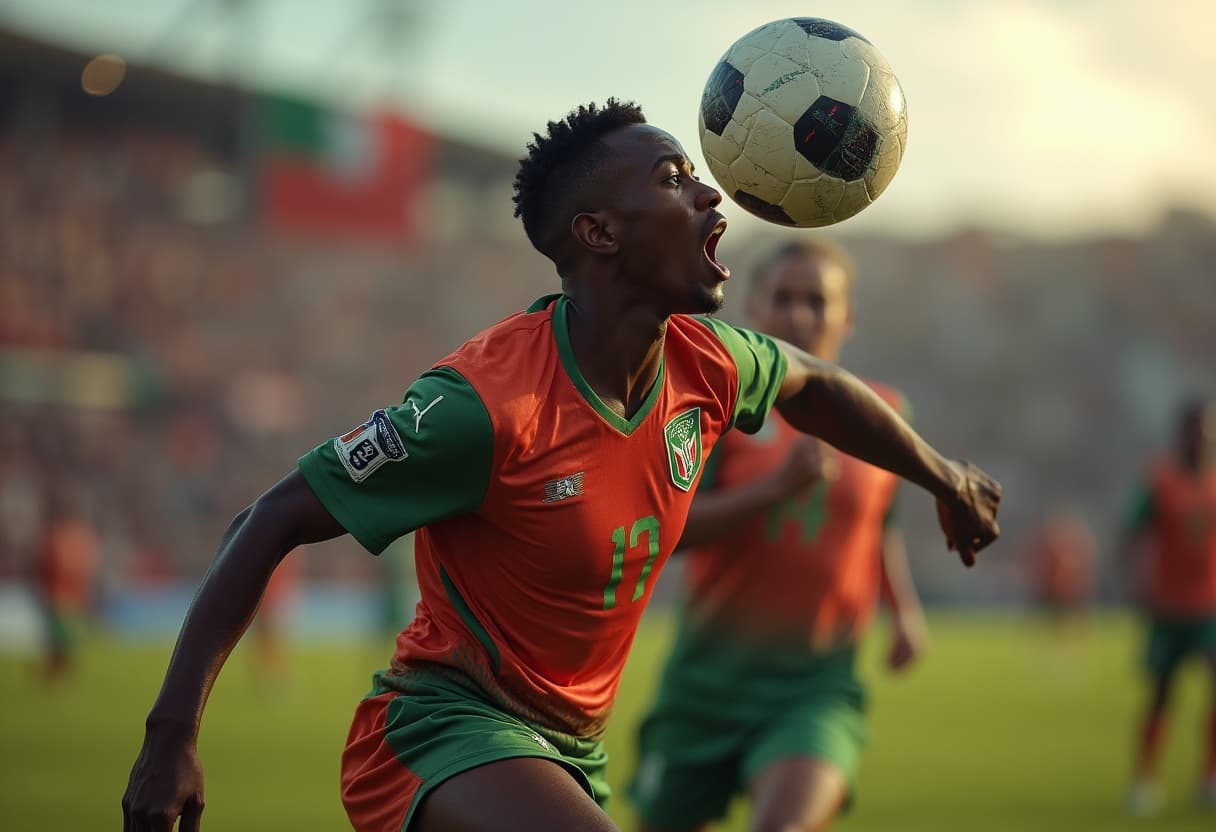
Haiti’s Historic Return to the FIFA World Cup After 50 Years
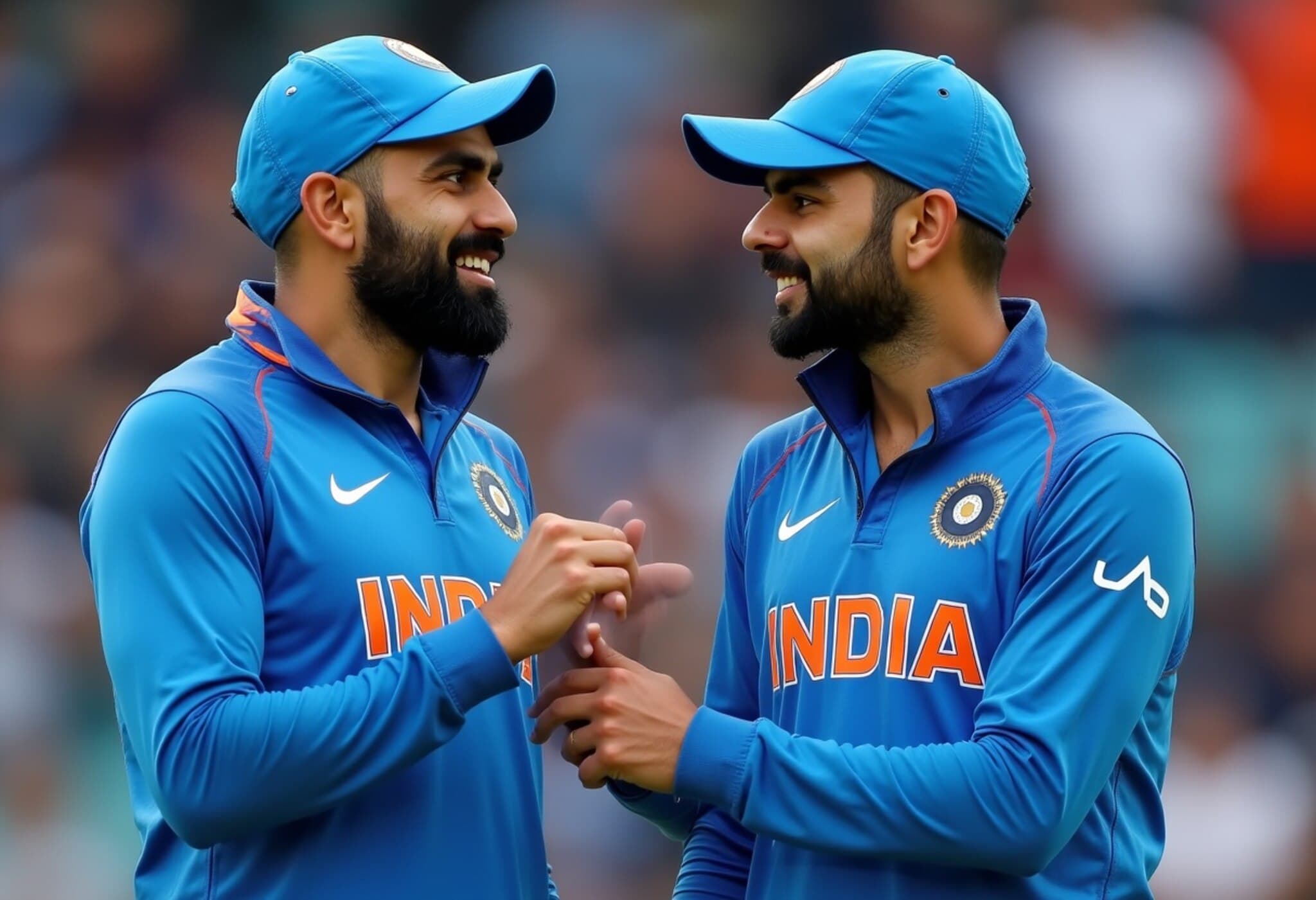
In a moment that brought joy to millions, Haiti’s national soccer team clinched its first FIFA World Cup berth in half a century by defeating Nicaragua in a nail-biting qualifier on November 22, 2025. The victory sparked exuberant celebrations in Port-au-Prince and among the Haitian diaspora worldwide, offering a rare beacon of hope for a nation riddled with profound challenges.
More Than Just a Game: The Emotional Weight of Haiti’s Soccer Triumph
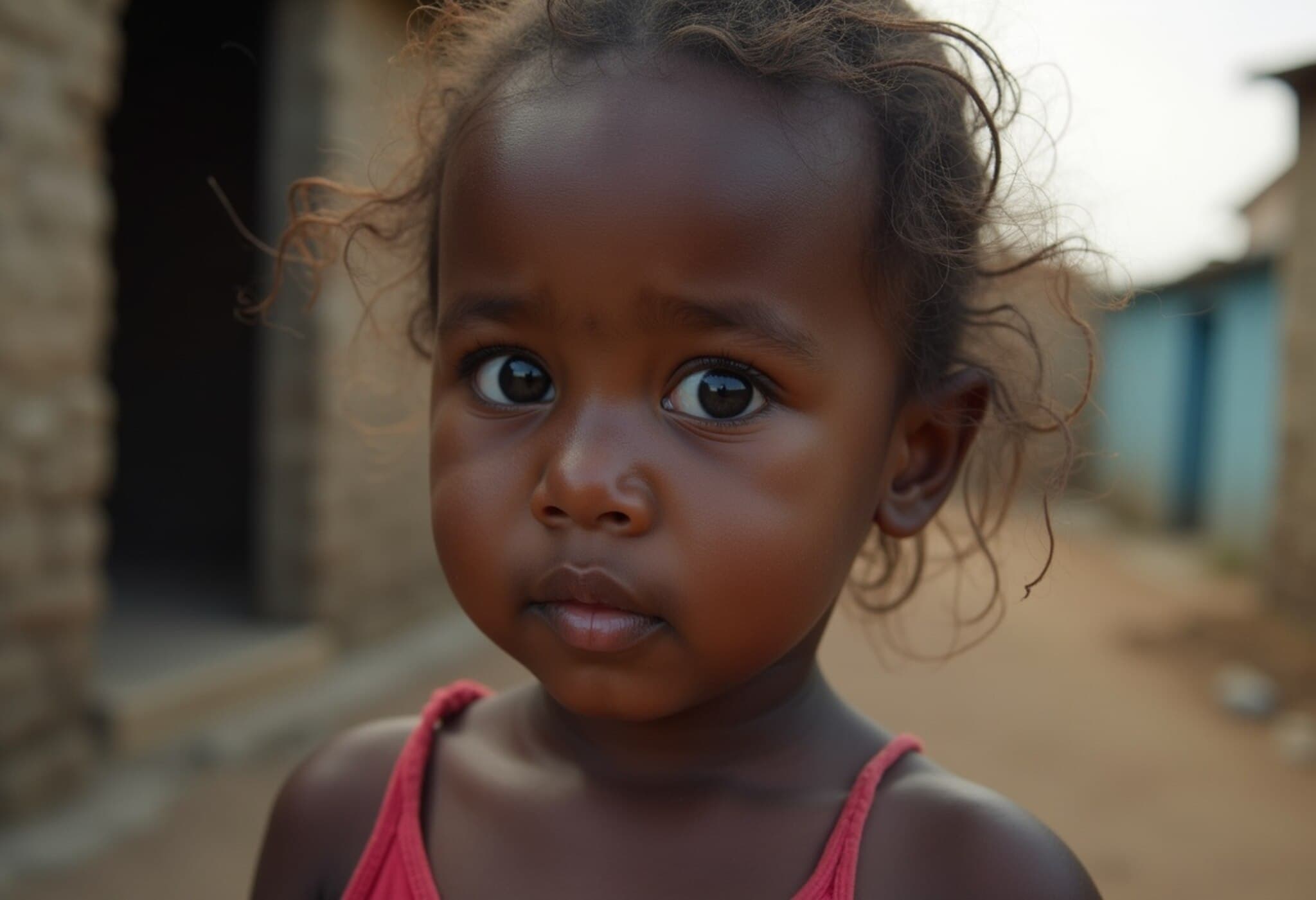
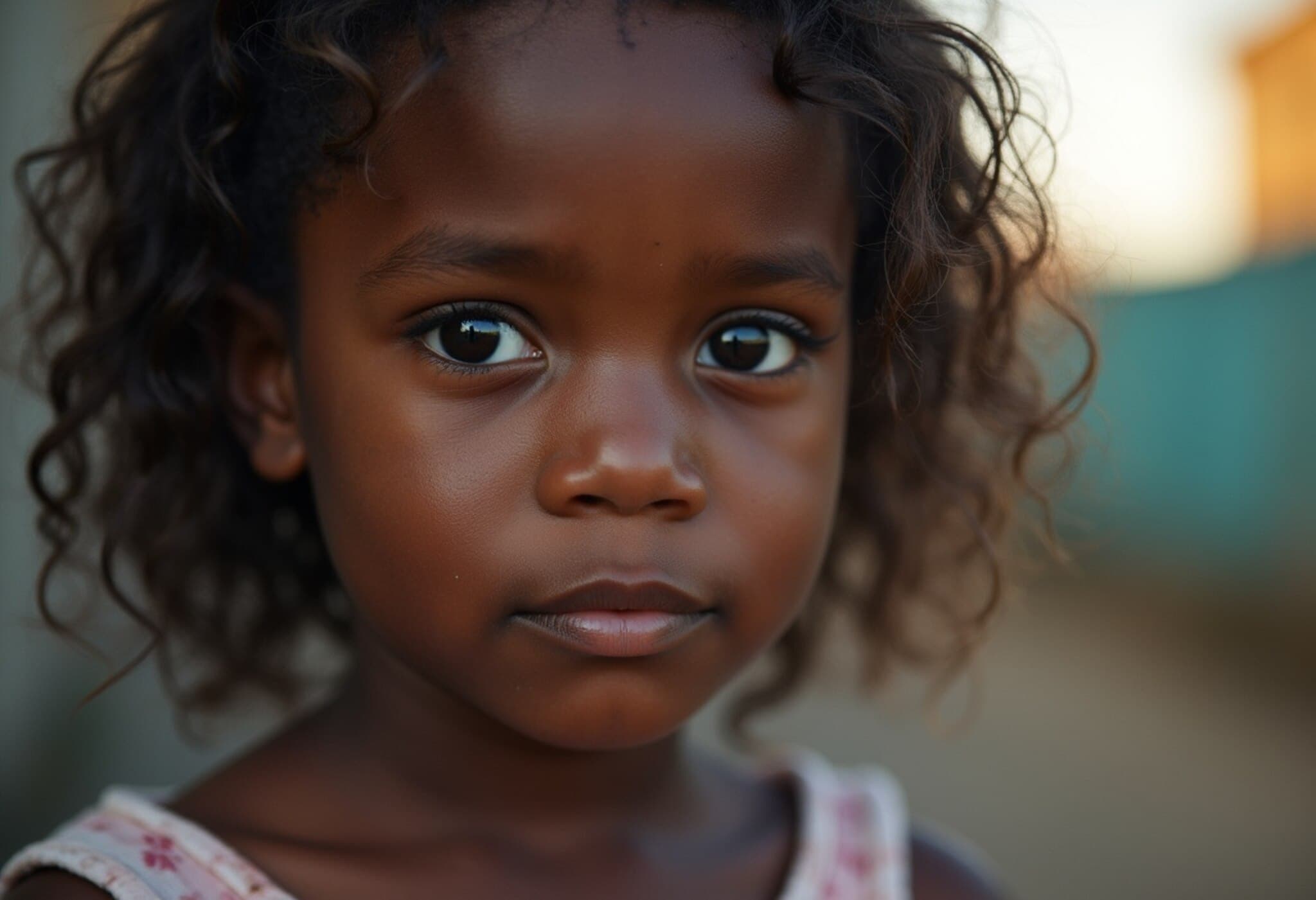
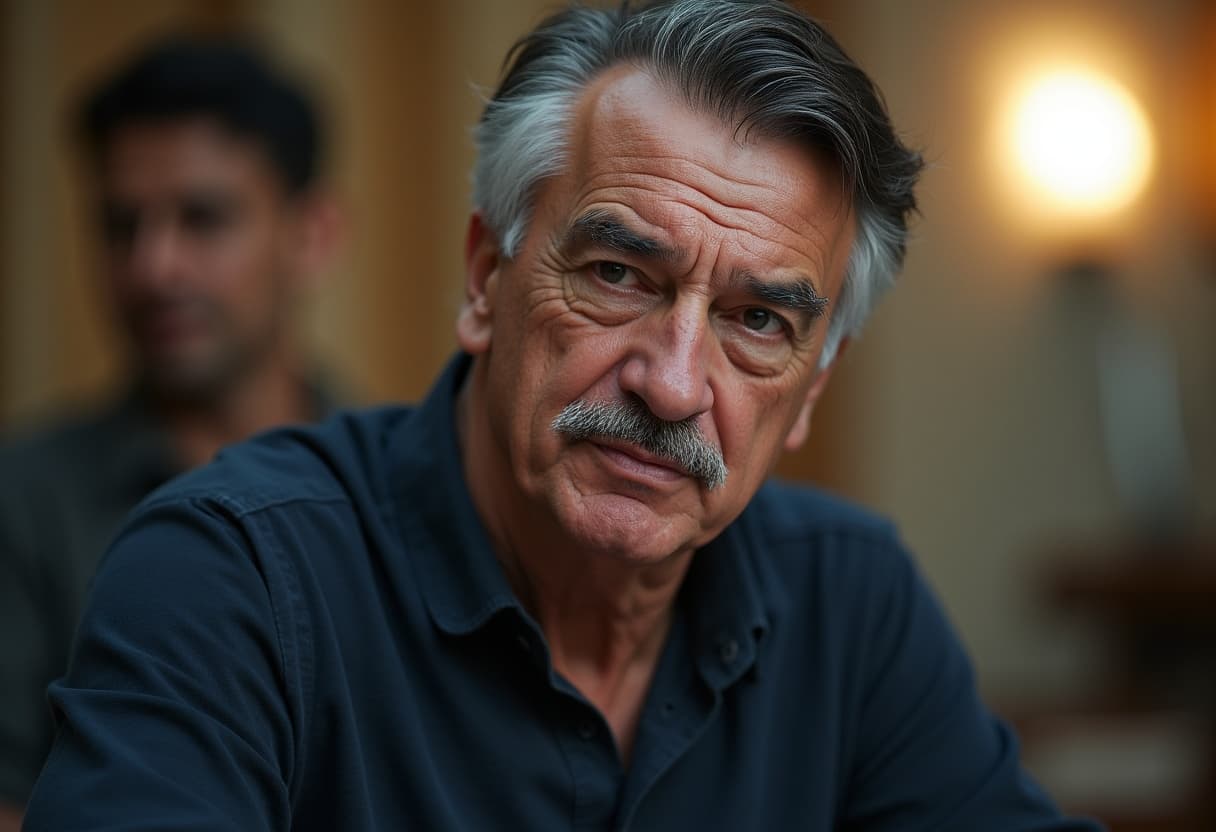
For Delmas Oslet, a 49-year-old Haitian who left the country over two decades ago amid escalating social turmoil, the team’s success was bittersweet. “I feel happiness, happiness, happiness,” he shared. Yet beneath that joy lay a somber reflection on the countless Haitians forced to flee the island due to persistent hardships—whether poverty, natural disasters, or rampant gang violence—that continue to plague the Caribbean nation.
Since 2021, Haiti’s gang-related crises have intensified sharply, compelling over a million people to seek refuge abroad according to United Nations data. The country remains among the poorest in the Western Hemisphere, with repeated hurricanes and earthquakes compounding the socio-economic instability.
Unity and Pride Amidst Crisis
Former Haitian Senator and seasoned soccer commentator Patrice Dumont candidly acknowledged the victory's limits, emphasizing, “The team’s win won’t solve the deep problems in Haitian society. We know that. But it’s a relief. It’s fundamental for us. Even with hunger, you can be proud. Hunger doesn’t prohibit joy.” His words echoed during the jubilant celebrations in the capital, reminiscent of the nation’s only other World Cup appearance in 1974.
This historic qualification arrives at a time when Haiti is entrenched in a "multidimensional crisis"—an intersection of economic devastation, political instability, and ongoing security threats. Yet, this single sporting achievement unites a fractured society in optimism and national pride.
Expert Analysis: What This Qualification Means for Haiti and Beyond
Haiti’s return to the global football stage extends beyond sports. It acts as a cultural rallying point, drawing attention to a country often overshadowed by headlines of turmoil and tragedy. From a policy perspective, such moments can influence international engagement, potentially spurring targeted development aid or diaspora investment initiatives.
Moreover, the Haitian team's qualification spotlights the resilience of the nation’s youth and sports programs, despite scarce resources. It prompts critical questions: Can this newfound momentum be harnessed to foster social cohesion? Will it encourage the government and international partners to invest more robustly in youth and community programs to counteract gang influence?
A Global Perspective on Haiti’s Challenges and Hopes
- Migration and Diaspora Impact: Over a million Haitians have emigrated due to crisis, reshaping demographic and economic trends both domestically and abroad.
- Natural Disasters: Recurrent hurricanes and earthquakes have crippled infrastructure and hampered recovery efforts.
- Gang Violence Surge: Since 2021, gang activity has escalated, destabilizing neighborhoods and limiting access to essential services.
- International Aid Dynamics: Haiti’s crisis demands nuanced policy responses balancing immediate humanitarian relief and long-term development.
As Haiti prepares for the 2026 World Cup, its journey will be emblematic of human perseverance. The world watches not just a soccer game but a story of hope forged amid adversity.
Editor’s Note
Haiti’s qualification for the 2026 FIFA World Cup is unquestionably a cause for celebration—a momentary uplift for a nation weathering complex crises. Yet, this sporting milestone also underscores critical questions about the interplay between national pride and socio-political realities. Can the victory catalyze sustained investment in youth and community development? Will it deepen global awareness and action addressing Haiti’s multidimensional crises? As we cheer for Haiti on the world stage, it behooves us to remember the broader context and remain engaged beyond the final whistle.