Canada-China Relations: A Complex and Critical Crossroads
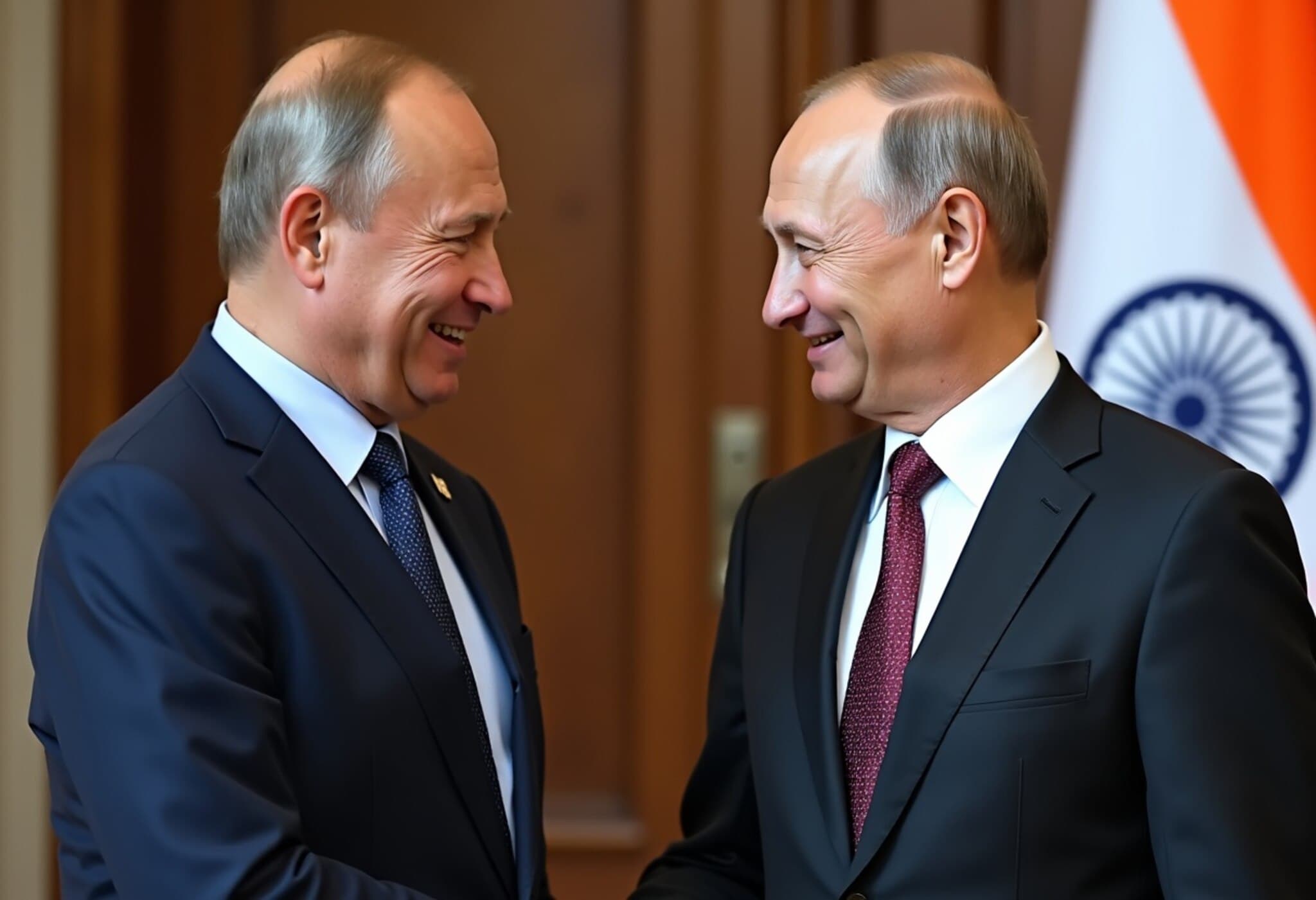
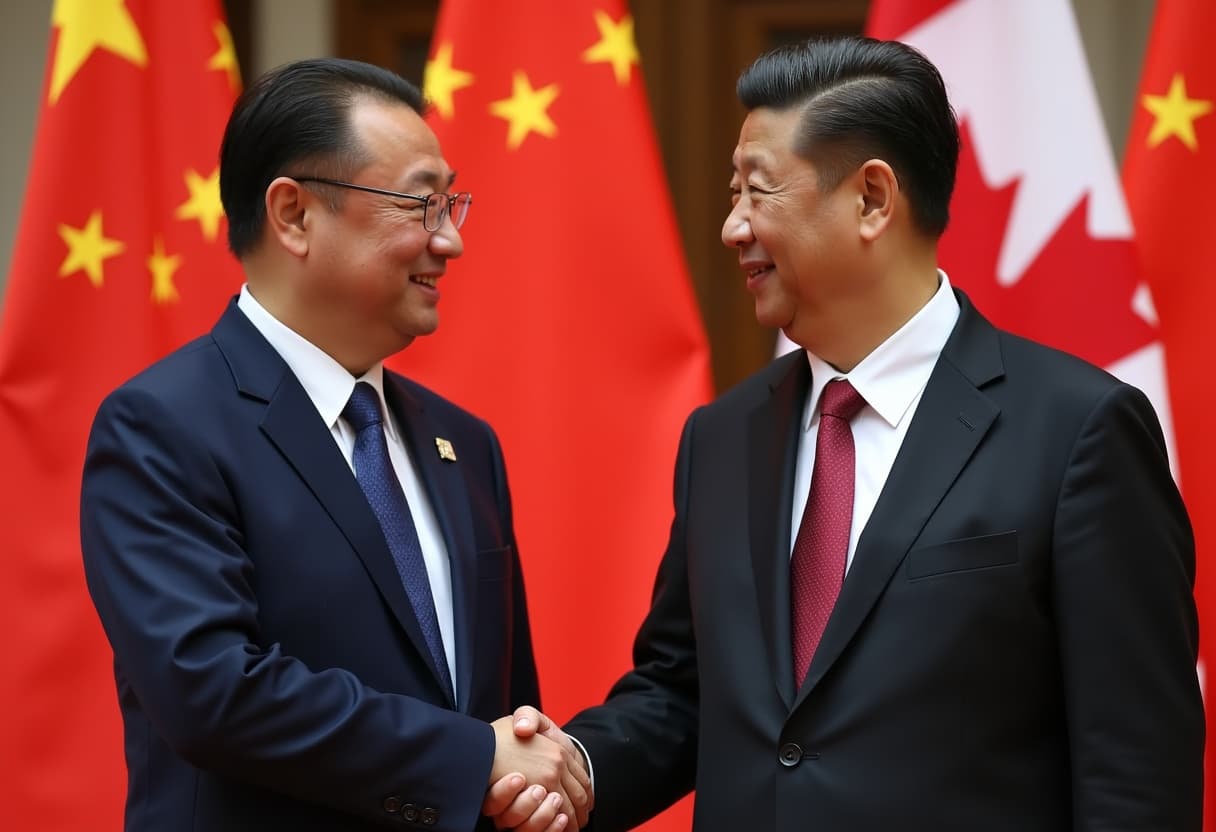
As Prime Minister Mark Carney prepares to meet China’s President Xi Jinping in Gyeongju, South Korea, later this week, the global spotlight turns to a relationship fraught with tension, mistrust, and high economic stakes. This meeting marks the first summit between the two countries’ leaders since 2017 and comes amid a backdrop of trade wars, diplomatic spats, and shifting geopolitical alliances.
Historical Strains and Political Fractures
Canada’s relations with China have deteriorated sharply over the past decade, often eclipsing the country’s already strained ties with the United States under President Trump. The unraveling began with the 2018 arrest of Huawei executive Meng Wanzhou in Canada on a U.S. extradition request. In retaliation, China detained two Canadian citizens, Michael Spavor and Michael Kovrig, in a move widely condemned as hostage diplomacy.
Public confrontations have also soured relations; notably, President Xi publicly chastised former Canadian Prime Minister Justin Trudeau during a 2022 reception in Indonesia—a rare diplomatic spectacle that underscored the stress in bilateral ties.
Tariffs and Trade Wars: Impact on Canadian Economy
- Canola Tariffs: China imposed punitive tariffs of up to 100% on Canadian canola, worth approximately CAD 5 billion in exports, severely disrupting one of Canada’s most valuable agricultural sectors.
- Electric Vehicle Duties: Canada, under pressure from Detroit automakers and domestic labor unions, introduced 100% tariffs on Chinese electric vehicles, effectively shutting out these imports but risking further escalation.
These tit-for-tat tariffs have not only jeopardized crucial Canadian industries but have also deepened the diplomatic wound, complicating the path toward reconciliation.
Expert Perspectives: Challenges and Opportunities Ahead
Roland Paris, an international relations expert from the University of Ottawa, highlights that "Trump’s global tariff regime is the invisible force shaping diplomatic conversations worldwide," emphasizing that Canada's foremost challenge is managing its indispensable US relationship while cautiously exploring easing tensions with China.
Lynette Ong, political scientist at the University of Toronto, draws attention to China’s slowing economy—a factor that may compel Beijing to seek improved trade relations. "Xi Jinping is recalibrating China's outreach as economic recovery becomes urgent," she notes, suggesting a possible strategic opening.
However, the path forward is anything but straightforward. Geopolitical realities tether Canada to its security alliance with the United States, limiting flexibility. Xu Yanzhou from the Chinese Academy of Social Sciences remarks that a significant shift in Canada’s stance is improbable given these constraints.
Domestic Pressures and the Future of Canadian Industry
Within Canada, provincial leaders from key agricultural regions are urging the government to reconsider tariffs that impede electric vehicle imports. Simultaneously, the auto industry faces structural challenges, with major manufacturers like Stellantis and General Motors scaling back Canadian production.
Professor Greig Mordue of McMaster University advocates a phased approach, mirroring the successful integration of Japanese automakers: "Gradual tariff reductions linked to Chinese investment in Canadian manufacturing could revitalize the sector." This strategy reflects the delicate balancing act policymakers face—protecting domestic jobs while embracing global trade realities.
Human Rights and Political Frictions: Non-Economic Barriers
Beyond economics, core disagreements remain. Canada’s apprehension over China’s human rights record, its influence operations, and territorial assertiveness pose significant barriers to normalization. Stewart Prest, a political scientist at UBC, articulates this dilemma: "Engaging economically while fundamentally disagreeing politically creates a fraught but necessary challenge."
These concerns, coupled with Canada’s robust national security review processes that block certain Chinese investments, ensure the relationship will remain complex and nuanced.
Looking Ahead: Toward a Cautious Diplomatic Thaw?
Prime Minister Carney’s characterization of the upcoming talks as "starting from a very low base" encapsulates the prevailing cautious optimism. There is an acknowledgment that while hurdles abound, initiating dialogue over tariff relief and cooperation could plant seeds for a more constructive partnership.
As Carney stated, "This is the difference between relationship and transaction. We're building a relationship." The coming days will reveal whether this effort marks the beginning of a pragmatic thaw or merely a diplomatic pause amidst enduring challenges.
Editor’s Note: Critical Questions for Consideration
- Can Canada navigate its strategic dependence on the U.S. while pragmatically engaging China on trade and diplomacy?
- Will economic imperatives override political and human rights concerns in shaping future relations?
- How might evolving global supply chains and shifting geopolitical dynamics influence Canada’s policy choices?
Understanding Canada-China relations requires appreciating the intersection of economics, diplomacy, and security in an era of unprecedented global competition. The Carney-Xi meeting stands as a pivotal moment in this ongoing story.